
The proper disposal of food packaging has become increasingly important as environmental awareness grows among consumers and regulatory requirements tighten for businesses. For restaurants, catering companies, and supermarkets that use large quantities of disposable food trays, implementing effective and environmentally responsible disposal practices1 is no longer optional—it’s a business necessity that affects both compliance and customer perception.
With various materials used in modern food packaging—from traditional plastics to newer compostable alternatives—understanding the correct disposal methods for each type can be challenging. This comprehensive guide explores eco-friendly approaches2 to disposing of different kinds of disposable food trays, helping food service businesses minimize their environmental footprint while navigating practical constraints.
Understanding Different Types of Disposable Food Trays and Their Disposal Requirements
Before implementing disposal strategies, it’s essential to understand the different materials commonly used in food trays and their specific end-of-life requirements.
Plastic Disposable Food Trays
Plastic food trays remain prevalent in the food service industry, but their disposal requirements vary significantly depending on the specific polymer type.
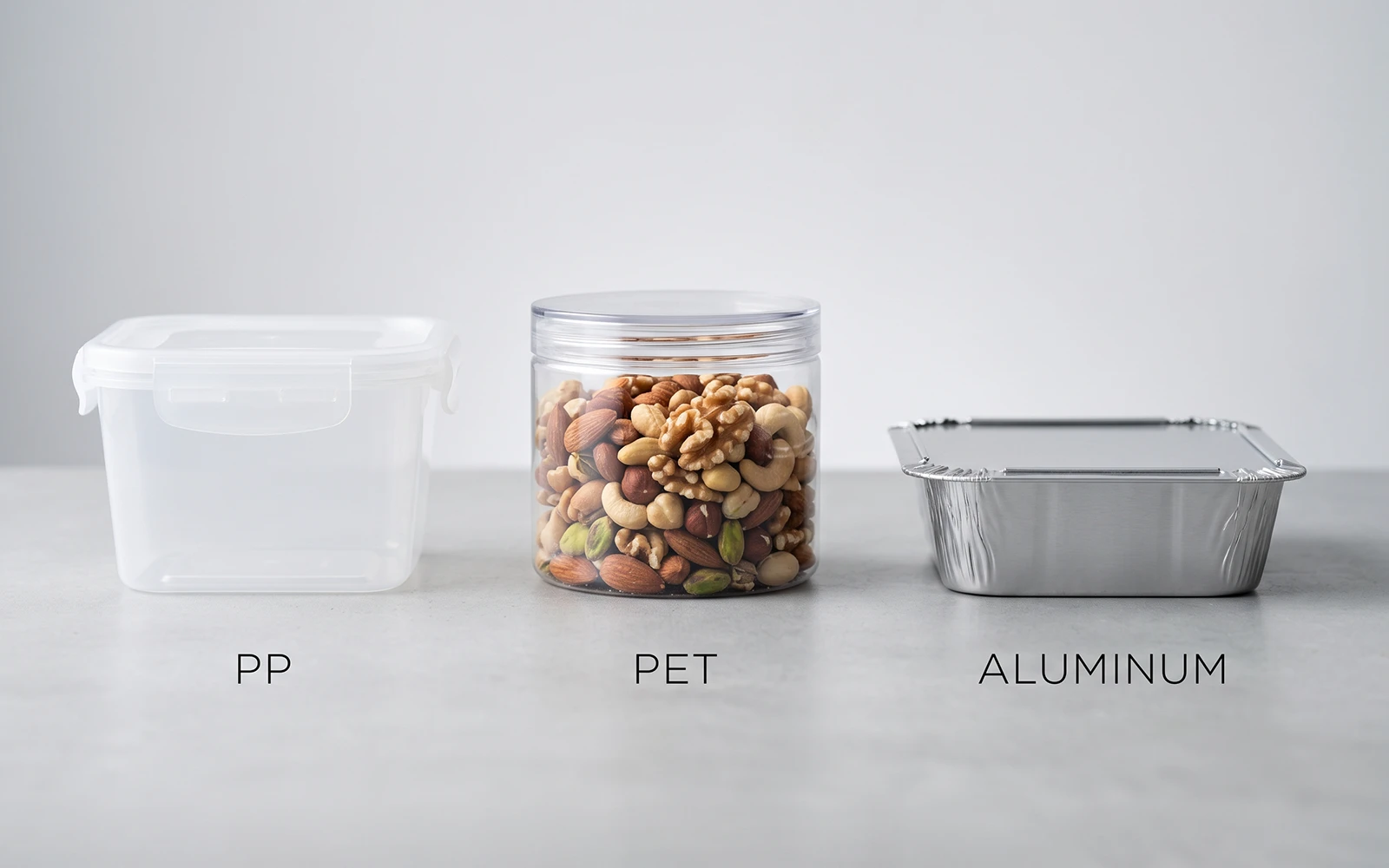
Polypropylene (PP) trays, identified by recycling code #5, are increasingly common for food applications due to their heat resistance and durability. These trays are technically recyclable, though acceptance varies by location. When recycling PP trays, they should be relatively clean and free of significant food residue. Many municipal recycling programs now accept PP, but it’s always advisable to check local guidelines.
Polyethylene Terephthalate (PET) trays, marked with recycling code #1, are widely used for cold foods and typically have the highest recycling acceptance rates among plastics. Clear PET trays are particularly valuable in the recycling stream. These should be rinsed lightly before recycling to remove food particles that could contaminate the recycling process.
Polystyrene (PS) trays, including expanded polystyrene (EPS) or foam containers with recycling code #6, present greater disposal challenges. Many municipalities no longer accept PS in curbside recycling due to its low density and difficult processing requirements. Some specialized recycling facilities can process clean PS, but these are not widely available. In many cases, PS trays unfortunately still end up in landfills, which has prompted many businesses to seek alternatives.
When disposing of plastic trays, always look for the resin identification code (the number inside the recycling symbol) and check whether that specific plastic type is accepted in your local recycling program. Reliancepak offers clear guidance on the recyclability of their plastic tray products, helping businesses make informed disposal decisions.
Paper and Cardboard Disposable Food Trays
Paper-based food trays present their own set of disposal considerations, largely dependent on their specific composition and coatings.
Uncoated paper trays are generally the simplest to recycle or compost. Made from plain paperboard or molded pulp, these trays can typically go into standard paper recycling streams if they’re not heavily soiled with food. When contaminated with significant food residue, they may be suitable for commercial composting instead.
Coated paper trays, which feature a thin layer of plastic or wax for moisture resistance, present more complex disposal challenges. The coating that makes these trays functional for wet or greasy foods also complicates their recyclability. Some modern coatings are designed to break down during the recycling process, but many traditional poly-coated paper products are difficult to recycle through conventional systems.
For paper trays with plastic lamination or heavy coatings, check with your local recycling facility about acceptance policies. In some cases, these composite materials require specialized recycling processes that may not be available in all areas. When in doubt, Reliancepak’s product information can help identify whether a specific paper tray is recyclable in standard systems.
Aluminum Disposable Food Trays
Aluminum food trays stand out for their straightforward and valuable recyclability profile.
The recycling process for aluminum is well-established and highly efficient, with the material capable of being recycled indefinitely without quality degradation. Aluminum recycling also saves approximately 95% of the energy required to produce new aluminum from raw materials, making it one of the most environmentally beneficial materials to recycle.
When preparing aluminum trays for recycling, they should be reasonably clean but don’t require thorough washing. Most recycling facilities can handle aluminum trays with small amounts of food residue. However, removing excess food and giving them a quick rinse improves the quality of the recycled material and prevents contamination issues.
Aluminum trays with paper or plastic lids should have these components separated before disposal, with each material going into its appropriate recycling stream. The high value of aluminum in recycling markets means these trays are almost always worth recycling, even if other packaging types aren’t accepted locally.
Biodegradable and Compostable Food Trays
The growing category of biodegradable and compostable food trays requires special attention to ensure their environmental benefits are actually realized.
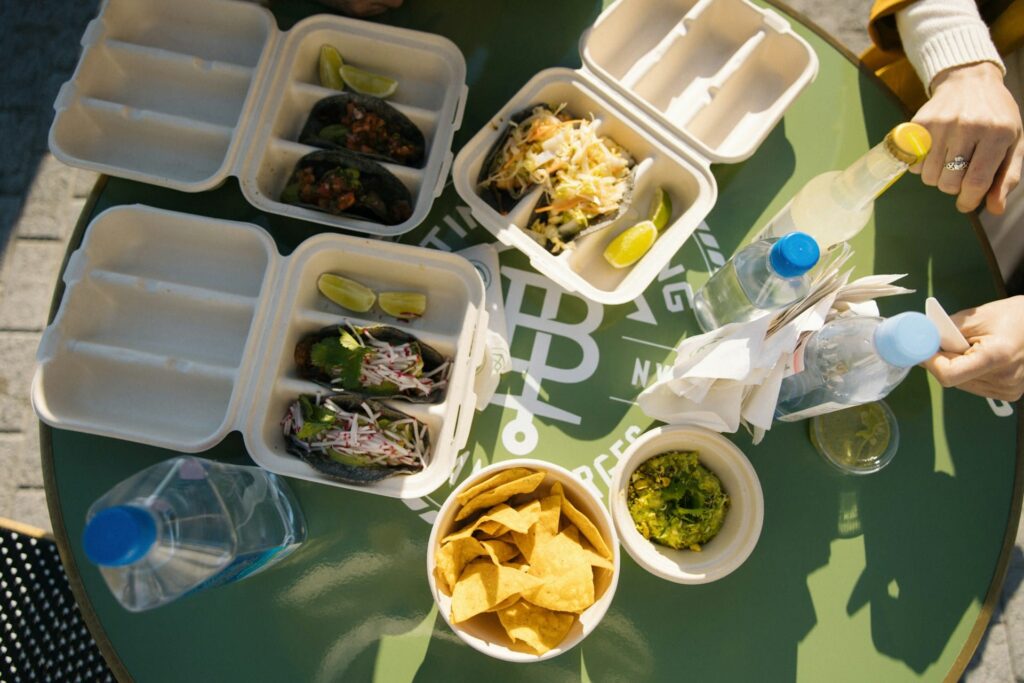
Truly compostable trays are designed to break down completely in commercial composting facilities, leaving no toxic residues or microplastics. These are typically made from materials like PLA (polylactic acid derived from plant starches), bagasse (sugarcane fiber), wheat straw, or molded pulp.
A critical distinction exists between “biodegradable” and “compostable” claims. Products labeled as biodegradable will eventually break down but may take very long periods and leave behind undesirable residues. Compostable products, especially those certified to standards like ASTM D6400 or EN13432, are designed to decompose completely within specific timeframes under commercial composting conditions.
Most importantly, compostable trays should not be placed in regular recycling bins, as they can contaminate conventional plastic recycling streams. Instead, they require:
- Collection in dedicated commercial composting programs
- Disposal through specialized organic waste collection services
- Composting in appropriate industrial facilities designed to handle these materials
Home composting is generally not suitable for most commercially compostable food trays, as they require the higher temperatures and controlled conditions of industrial composting systems to break down properly. Reliancepak’s compostable product lines include clear guidance on proper disposal requirements to help businesses implement appropriate end-of-life handling.
Step-by-Step Guide to Eco-Friendly Disposal of Food Trays
Implementing effective disposal practices requires attention to several key stages in the process.
Pre-Disposal Preparation
Proper preparation of disposable food trays before disposal significantly increases their chances of being successfully recycled or composted.
Food residue removal is the first critical step. While recyclables don’t need to be perfectly clean, excessive food waste can contaminate entire batches of recycling. For plastic and aluminum trays, scraping off food remains and a light rinse when practical can make the difference between a tray being recycled or rejected. Paper-based trays with heavy food soiling may need to be directed to composting rather than recycling.
Component separation is equally important. Many food trays come with lids, films, or inserts made from different materials. These should be separated whenever possible, with each component directed to its appropriate disposal stream. For example, a paper tray with a plastic window would ideally have the window removed before the paper portion is recycled.
Space efficiency matters in collection and transportation. Flattening or nesting trays when possible reduces the volume they occupy in recycling bins and collection vehicles. This not only saves space but can reduce the carbon footprint of transportation in the waste management process.
Sorting by material type, either at the point of disposal or in a back-of-house system, ensures each item enters the correct waste stream. Clear labeling of collection bins and regular staff training help maintain proper sorting practices.
Recycling Disposable Food Trays Correctly
Understanding local recycling guidelines is fundamental to successful recycling programs, as acceptance policies vary significantly between municipalities.
Most recycling facilities publish detailed guidelines about accepted materials. These may be available through municipal websites, waste management company resources, or direct contact with local recycling coordinators. Taking the time to obtain and understand these specific guidelines prevents wishful recycling—the well-intentioned but counterproductive practice of putting non-recyclable items in recycling bins.
Clean stream recycling principles emphasize the importance of minimizing contamination. Even small amounts of the wrong materials can compromise larger batches of recyclables or damage processing equipment. Food service businesses should be particularly vigilant about keeping food waste, liquids, and non-recyclable items out of recycling bins.
The table below outlines typical recycling acceptance rates for different types of disposable food trays in municipal programs:
| Tray Material | Typical Acceptance in Municipal Recycling | Key Preparation Requirements | Common Rejection Reasons |
|---|---|---|---|
| PET (#1) Plastic | High (70-90% of programs) | Rinse lightly, remove labels when possible | Heavy food contamination, attached film lids |
| PP (#5) Plastic | Medium (50-70% of programs) | Rinse lightly, ensure no food residue | Regional variations in acceptance, black color |
| PS (#6) Plastic | Low (10-30% of programs) | Check local acceptance specifically | Increasingly phased out of recycling programs |
| Aluminum | Very High (90%+ of programs) | Basic food removal, no thorough cleaning needed | Excessive food waste, composite materials |
| Uncoated Paper | Medium-High (60-80% of programs) | Must be clean and dry | Food soiling, grease contamination |
| Coated Paper | Low-Medium (20-50% of programs) | Varies by coating type | Plastic coatings, food contamination |
| Compostable Materials | Not recyclable | Should go to composting, not recycling | Contamination of plastic recycling streams |
The above data is for reference only.
Reliancepak works with customers to understand the recyclability of their products in different regions, helping businesses select options that align with local recycling capabilities.
Composting Appropriate Food Trays
For truly compostable food trays, proper identification is the first step in ensuring they reach the right processing facilities.
Certification logos from organizations like the Biodegradable Products Institute (BPI) or European Bioplastics help identify genuinely compostable products. These certifications confirm the material will break down completely in industrial composting facilities without leaving harmful residues.
Home composting is generally not suitable for most commercially compostable food trays. Home systems typically don’t reach the temperatures needed to properly break down these materials. Some newer products are specifically designed for home composting, but these remain the exception rather than the rule.
Commercial composting options vary by location but may include:
- Municipal organic waste collection programs
- Private composting services that cater to businesses
- Specialized waste management companies focusing on compostable materials
- On-site composting for businesses with appropriate facilities and volume
Decomposition timeframes depend on the specific material and composting conditions. While a paper-based tray might break down in 2-3 months under ideal conditions, PLA-based products typically require 3-6 months in industrial composting facilities. Understanding these timeframes helps set realistic expectations for composting programs.
When Landfill is the Only Option
Despite best efforts, some disposable food trays may still end up in landfills due to lack of local recycling or composting infrastructure. In these cases, minimizing environmental impact becomes the priority.
Volume reduction techniques like crushing or flattening trays before disposal can help minimize the space they occupy in landfills. This small step, when multiplied across thousands of trays, can make a meaningful difference in landfill utilization.
Alternative uses before disposal might include repurposing clean trays for storage, organization, or craft projects. While not suitable for all business contexts, creative reuse can divert at least some trays from immediate disposal.
Future improvements in disposal technology offer hope for better end-of-life options. Emerging technologies like chemical recycling and advanced sorting systems continue to expand the range of materials that can be effectively recycled. Staying informed about these developments helps businesses adapt their disposal strategies as new options become available.
Implementing Effective Disposal Systems in Food Service Businesses
Creating systematic approaches to waste management can dramatically improve disposal outcomes for food service operations.
Setting Up Multi-Stream Waste Stations
Effective sorting begins with well-designed waste stations that make proper disposal intuitive for both staff and customers.
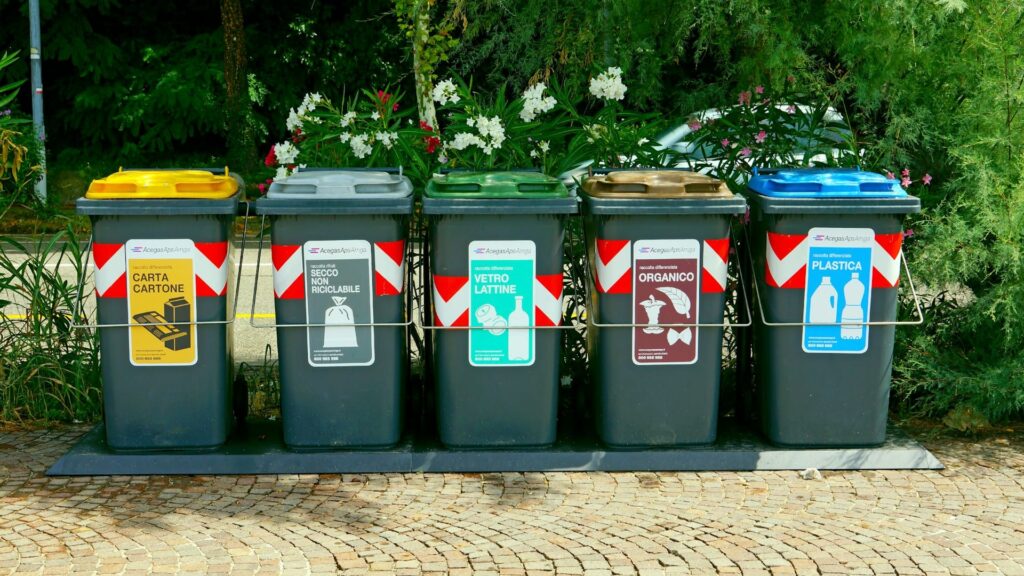
Clear visual cues are essential for successful sorting. Color-coded bins with distinct signage help users quickly identify the appropriate receptacle for each item. Using actual examples of your specific packaging on signs can be particularly effective, showing exactly which items belong in each bin.
Strategic placement of waste stations significantly impacts compliance rates. Stations should be:
- Easily accessible in high-traffic areas
- Located near where packaging is likely to be discarded
- Visible and well-lit to encourage proper use
- Consistent throughout your facility to build habitual behavior
Space considerations may limit options in some facilities. In tight spaces, consider dual or triple-stream bins that combine multiple collection types in a compact footprint. Even limited sorting (e.g., separating recyclables from general waste) is better than no sorting at all.
Regular monitoring and adjustment of the system based on observed behavior helps optimize effectiveness over time. Periodic waste audits can identify common sorting errors and opportunities for improvement.
Staff Training for Proper Disposal
Comprehensive staff education forms the foundation of successful waste management programs.
Key knowledge points to cover in training include:
- Identification of different packaging materials used in your operation
- Specific local requirements for recycling and composting
- Proper preparation techniques for recyclable items
- Common mistakes to avoid
- The environmental impact of proper vs. improper disposal
Creating clear, documented protocols helps maintain consistency across shifts and locations. These protocols should be:
- Written in simple, clear language
- Illustrated with photos or diagrams
- Posted in relevant work areas
- Included in new employee onboarding
- Reviewed periodically to ensure continued relevance
Incentivizing correct practices can boost compliance. Consider recognition programs, team challenges, or even linking waste reduction metrics to staff bonuses for larger operations. Making proper disposal part of performance expectations signals its importance to your business.
Troubleshooting common issues proactively prevents frustration and non-compliance. Address frequent questions like what to do with partially full containers or how to handle items that don’t clearly fit into established categories.
Customer Education and Engagement
Extending disposal education to customers can significantly improve outcomes, particularly for takeout and delivery operations.
On-package instructions provide guidance at the critical moment of disposal. Simple icons or brief text indicating whether an item is recyclable, compostable, or landfill-bound can significantly improve proper sorting. Reliancepak offers packaging with clear disposal instructions that can be customized to align with local infrastructure.
Digital resources offer opportunities for more detailed education. QR codes on packaging or receipts can link to web pages explaining your sustainability initiatives and providing specific disposal guidance. These digital touchpoints can be updated as local recycling capabilities evolve.
Building brand value through sustainability communications helps customers understand and appreciate your environmental efforts. Highlighting your responsible packaging choices and disposal initiatives in marketing materials, social media, and in-store signage can strengthen customer loyalty among environmentally conscious consumers.
Measuring and Reducing Disposal Impact
Quantifying your packaging waste creates a baseline for improvement efforts and demonstrates commitment to environmental responsibility.
Waste audits involve systematically examining your waste stream to understand its composition. These can range from simple visual assessments to comprehensive sorting and weighing of different waste categories. Regular audits help track progress and identify problem areas requiring attention.
Setting reduction targets provides clear goals for improvement. These might include:
- Decreasing overall packaging waste by a specific percentage
- Increasing the proportion of waste diverted from landfills
- Reducing contamination rates in recycling streams
- Transitioning certain percentage of packaging to more sustainable alternatives
Tracking progress through consistent measurement demonstrates accountability and helps maintain momentum. Sharing these metrics with staff and customers can build engagement with your environmental initiatives.
Reporting and transparency about your waste management efforts, both successes and challenges, builds credibility with increasingly environmentally conscious consumers. Consider including sustainability metrics in annual reports or dedicated sustainability communications.
Innovative Approaches to Disposable Food Tray Disposal
Beyond conventional recycling and composting, several innovative approaches are emerging to address food packaging waste.
Closed-Loop Systems and Take-Back Programs
Closed-loop recycling creates a circular system where packaging materials are collected, processed, and manufactured into new packaging of the same type.
The process typically involves:
- Collection of used packaging through dedicated channels
- Sorting and processing to prepare materials for remanufacturing
- Manufacturing new packaging from the recovered materials
- Distribution of the new packaging back to the same industry
Implementing collection points at your business location can support closed-loop systems. Some businesses offer incentives like discounts on future purchases when customers return packaging for specialized recycling.
Partnership opportunities exist with suppliers and waste management companies to create more effective closed-loop systems. Reliancepak works with several partners on take-back initiatives for certain packaging types, helping ensure materials remain in productive use rather than becoming waste.
Success stories demonstrate the potential of these approaches. For example, some restaurant chains have implemented collection systems for specific packaging items that are then recycled into new products for the same restaurants, creating a visible demonstration of circular economy principles in action.
Upcycling and Creative Reuse Ideas
Upcycling transforms potential waste materials into new products of higher value or quality than the original.
Second-life applications for food trays might include:
- Using sturdy trays as organizers for small items
- Converting clean aluminum trays into mini herb garden containers
- Repurposing plastic trays for craft projects or educational activities
- Creating storage solutions from durable food packaging
Community engagement through reuse programs can extend these benefits. Some businesses donate clean, unused surplus packaging to schools or community centers for art projects or practical applications. Others partner with local artists or makers who specialize in creating new products from discarded materials.
Creative collaborations between food businesses and artists or designers can generate innovative solutions for packaging waste while creating unique marketing opportunities. These partnerships can transform disposal challenges into community engagement and brand differentiation.
Emerging Technologies in Food Tray Disposal
Technological innovation continues to expand the possibilities for more sustainable packaging disposal.
Advanced sorting technologies using artificial intelligence, robotics, and optical recognition are improving the efficiency and effectiveness of recycling facilities. These systems can identify and separate different types of packaging materials with greater accuracy than traditional methods, potentially expanding the range of recyclable items.
Chemical recycling processes break down plastics into their molecular components, which can then be used to create new plastic products. Unlike mechanical recycling, these processes can often handle mixed or contaminated plastics that would otherwise be difficult to recycle. While still emerging, these technologies could eventually provide solutions for currently problematic packaging materials.
Reliancepak maintains active research into disposal solutions as part of their commitment to reducing the environmental impact of their products. This includes exploring biodegradable additives, designing for easier recycling, and investigating new materials that offer improved end-of-life options.
Making the Shift to More Sustainable Disposable Food Trays
While proper disposal is essential, the most effective approach to reducing packaging waste often begins with the initial selection of more sustainable options.
Transitioning to Easily Recyclable or Compostable Options
Assessing your current packaging portfolio is the first step toward improvement. Conduct an inventory of all disposable food trays currently in use, noting their material composition, recyclability in your region, and functional requirements.
Phased replacement strategies allow for manageable transitions without operational disruption. Consider:
- Identifying “quick win” replacements for the least sustainable items first
- Testing alternatives thoroughly before full implementation
- Communicating changes to staff and customers to build understanding and support
- Maintaining some flexibility during transition periods
Cost considerations often influence sustainability decisions. While some eco-friendly alternatives may carry premium prices, these can sometimes be offset by:
- Reduced waste disposal costs
- Customer willingness to pay slightly more for sustainable packaging
- Potential regulatory compliance savings
- Marketing and reputation benefits
Reliancepak offers a range of sustainable tray alternatives designed to minimize the transition challenges for food service businesses. Their consultative approach helps businesses identify the most appropriate options based on specific operational needs, local disposal infrastructure, and budget constraints.
Reducing Overall Disposable Food Tray Usage
Rightsizing portions and packaging can significantly reduce waste. Analyze whether current packaging sizes align with actual food portions and customer needs. Eliminating unnecessary excess reduces both material use and disposal requirements.
Reusable alternatives may be viable in certain contexts, particularly for on-premise dining or local delivery with a return system. While not suitable for all operations, durable, multi-use containers can dramatically reduce waste in appropriate applications.
Digital tools for waste reduction, such as apps that track packaging usage and disposal patterns, can help identify opportunities for improvement. These data-driven approaches allow for more targeted waste reduction strategies based on actual usage patterns.
Balancing convenience with sustainability remains a key challenge. The most environmentally friendly option is not always practical for all business models or customer expectations. Finding the optimal balance requires understanding your specific operational constraints and customer priorities.

Conclusion
Proper disposal of disposable food trays represents an important opportunity for food service businesses to reduce their environmental impact while potentially improving operational efficiency and customer perception. By understanding the specific requirements for different tray materials, implementing effective sorting systems, and educating both staff and customers, businesses can significantly improve their packaging end-of-life outcomes.
The journey toward more sustainable packaging practices is ongoing, with continuous improvements in materials, disposal technologies, and recycling infrastructure. Food service businesses that stay informed about these developments and adapt their practices accordingly will be better positioned to meet evolving regulatory requirements and consumer expectations.
Working with knowledgeable suppliers like Reliancepak, who understand both the functional requirements of food packaging and its environmental implications, can provide valuable support in navigating this complex landscape. Their expertise can help identify the most appropriate packaging choices and disposal strategies for your specific business context.
By taking a comprehensive approach to disposable food tray disposal—from initial selection through final processing—food service businesses can make meaningful progress toward more sustainable operations while maintaining the convenience and functionality their operations require.