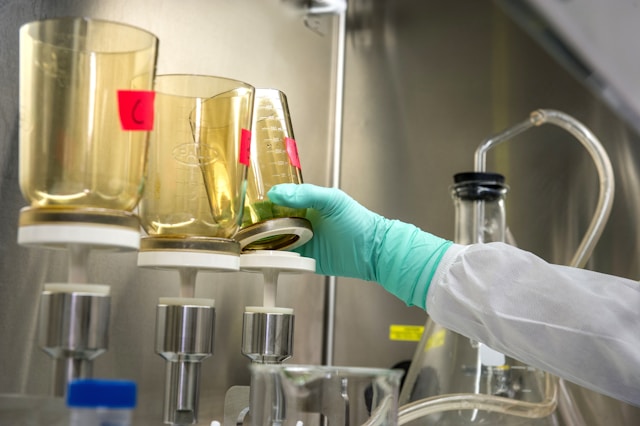
In the food packaging industry, food safety is paramount. As consumers and businesses become more aware of potential health concerns associated with certain chemicals, the demand for BPA-free plastic deli containers has significantly increased. This guide will help wholesale buyers understand what BPA is, why it matters, and how to confidently select BPA-free plastic deli containers to ensure the highest standards of food safety for their customers.
Understanding BPA and Its Concerns
BPA, or Bisphenol A, is an industrial chemical that has been used to make certain plastics and resins since the 1950s. It is commonly found in polycarbonate plastics and epoxy resins. Polycarbonate plastics are often used in food and beverage containers, such as water bottles, and epoxy resins are used to coat the inside of metal products, like food cans, bottle tops, and water supply lines.
What is BPA?
BPA is a chemical compound that can leach into food or beverages from containers made with it. While regulatory bodies like the FDA have stated that current levels of BPA exposure are safe, concerns have been raised about its potential effects on health, particularly regarding hormonal disruption.
Why is BPA a Concern for Food Packaging?
The primary concern with BPA in food packaging is its ability to migrate into food, especially when containers are heated or exposed to acidic or fatty foods. Studies have explored potential links between BPA exposure and various health issues, leading many consumers and businesses to seek out BPA-free alternatives for enhanced food safety.
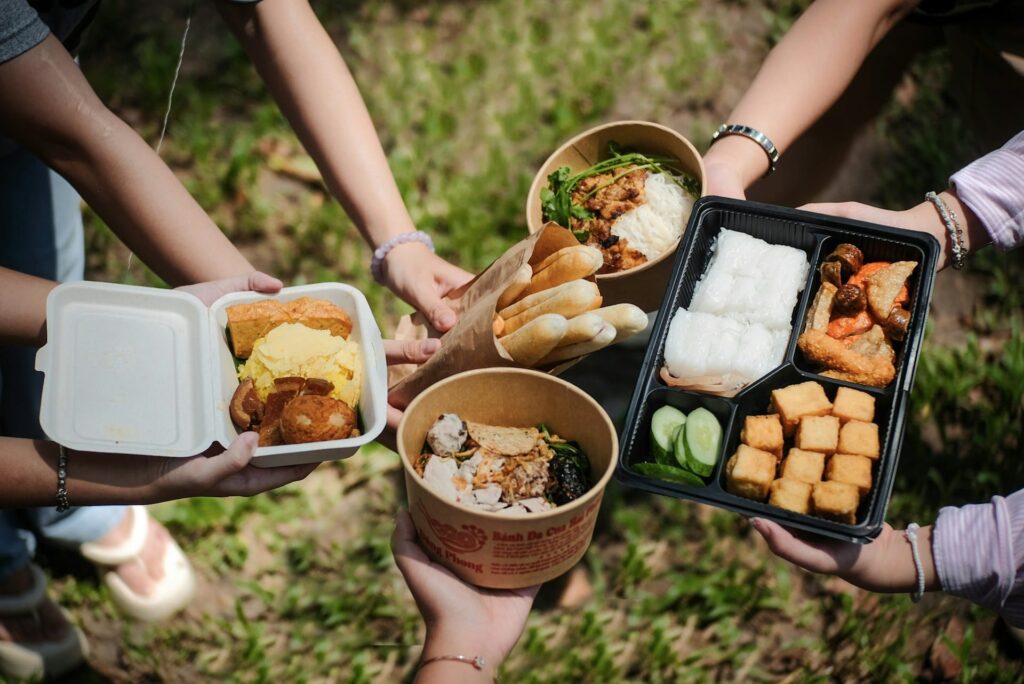
Identifying BPA-Free Plastic Deli Containers
Choosing BPA-free plastic deli containers requires understanding plastic types and labeling. Not all plastics contain BPA, and many safe alternatives are readily available for wholesale buyers.
Common Plastic Types and BPA Content
It’s important to know which types of plastics are typically BPA-free. Here’s a quick guide:
- Polypropylene (PP): Often labeled with the recycling symbol #5, PP is widely used for deli containers and is naturally BPA-free. It’s known for its heat resistance and durability.
- Polyethylene Terephthalate (PET): Labeled with the recycling symbol #1, PET is commonly used for beverage bottles and some food containers. It is also naturally BPA-free.
- High-Density Polyethylene (HDPE): Identified by the recycling symbol #2, HDPE is used for milk jugs and detergent bottles. It is BPA-free.
- Low-Density Polyethylene (LDPE): Marked with the recycling symbol #4, LDPE is used for plastic bags and some flexible containers. It is BPA-free.
- Polystyrene (PS): Labeled with the recycling symbol #6, PS is used for disposable cups and plates. It is generally BPA-free, but less durable than PP or PET.
- Polycarbonate (PC): Labeled with the recycling symbol #7 or often simply as “PC,” this is the plastic type most commonly associated with BPA. Avoid containers made from PC if you are seeking BPA-free options.
Checking for BPA-Free Labels and Certifications
Reputable manufacturers clearly label their products as “BPA-Free.” Look for this explicit labeling on product descriptions, packaging, or manufacturer websites. Additionally, check for food-grade certifications from recognized authorities like the FDA or EU, which ensure the containers meet stringent safety standards.
Benefits of Choosing BPA-Free for Your Business
Opting for BPA-free plastic deli containers offers significant advantages for wholesale buyers, impacting customer trust, brand reputation, and market positioning.
Enhancing Consumer Trust and Brand Reputation
Consumers are increasingly health-conscious and prioritize products that align with their values. Offering BPA-free packaging demonstrates your commitment to food safety and customer well-being, building trust and enhancing your brand’s reputation in a competitive market.
Meeting Regulatory Standards and Industry Trends
While regulations vary by region, many jurisdictions are moving towards stricter controls on chemicals like BPA. By proactively choosing BPA-free options, your business stays ahead of potential regulatory changes and aligns with evolving industry best practices and consumer demands.
Marketing Advantage and Differentiation
Highlighting the use of BPA-free packaging can be a powerful marketing tool. It differentiates your products from competitors and appeals to a growing segment of health-aware consumers and businesses. This can lead to increased sales and customer loyalty.
Practical Tips for Wholesale Buyers
When procuring BPA-free plastic deli containers in bulk, consider these practical tips to ensure a smooth and safe supply chain.
Partnering with Reliable Suppliers
Work with suppliers who have a transparent manufacturing process and can provide clear documentation regarding their products’ BPA-free status and food safety certifications. A trusted partner like Reliancepak can offer peace of mind, ensuring all products meet international food-grade standards.
Understanding Material Properties for Specific Uses
While all BPA-free, different plastic types have varying properties. For instance, polypropylene (PP) is excellent for hot foods and microwaving, while PET is ideal for cold applications where clarity is crucial. Match the plastic type to your specific food packaging needs.
Storage and Handling Best Practices
Even BPA-free containers should be stored and handled properly to maintain their integrity and safety. Avoid extreme temperatures or direct sunlight, which can degrade plastics over time. Ensure proper cleaning and sanitation if containers are intended for reuse.
Conclusion
Choosing BPA-free plastic deli containers is a critical step for wholesale buyers committed to food safety and consumer health. By understanding BPA, identifying safe plastic alternatives, and partnering with reliable suppliers like Reliancepak, businesses can confidently provide packaging solutions that meet the highest safety standards. This not only protects your customers but also strengthens your brand’s reputation and market position in the evolving food packaging landscape.
Frequently Asked Questions (FAQs)
Q1: Is all plastic packaging that doesn’t contain BPA automatically safe?
A1: While being BPA-free is a crucial safety aspect, it’s not the only one. Ensure the plastic is food-grade certified and suitable for its intended use (e.g., microwave-safe if heating is involved). Always look for comprehensive safety certifications.
Q2: How can I verify a supplier’s claim of BPA-free products?
A2: Request official documentation, such as material safety data sheets (MSDS) or certificates of analysis, from the supplier. Reputable suppliers like Reliancepak will readily provide these certifications (e.g., EU, FDA food-grade) to confirm product safety and compliance.
Q3: Are BPA-free plastic containers more expensive?
A3: Initially, some specialized BPA-free plastics might have been slightly more expensive. However, with increased demand and technological advancements, the cost difference has significantly narrowed. Many common BPA-free plastics like PP and PET are cost-effective for wholesale purchasing.
Q4: Can BPA-free containers be reused?
A4: Many BPA-free plastic deli containers, especially those made from PP, are designed for multiple uses. Always check the manufacturer’s guidelines for reusability and proper cleaning instructions to ensure continued safety and longevity.