In the competitive world of food delivery and takeout, the quality of your packaging can make or break your customer experience. For salads in particular, leak-proof containers aren’t just a nice-to-have feature—they’re essential for preserving food quality, preventing messy spills, and maintaining your brand’s reputation. As procurement managers and food service professionals know all too well, not all salad packaging is created equal when it comes to leak resistance.
The challenge of delivering fresh, crisp salads has only intensified with the growth of delivery services and increased consumer expectations. Today’s customers demand restaurant-quality presentation even when dining at home or at the office. Meanwhile, operational concerns like transportation durability, cost-effectiveness, and sustainability add layers of complexity to your packaging decisions.
This comprehensive guide explores the critical factors in selecting truly leak-proof salad containers that balance performance, practicality, and environmental considerations. Whether you’re a restaurant owner, catering manager, or supermarket deli supervisor, these insights will help you make informed decisions that satisfy both your operational needs and customer expectations.

Understanding the Unique Challenges of Salad Delivery
Before diving into specific container options, it’s important to recognize why salads present such distinct packaging challenges compared to other food items.
Why Salads Are Particularly Challenging to Package
Salads combine multiple characteristics that test the limits of food packaging. High moisture content from fresh vegetables creates condensation inside containers, while dressings and vinaigrettes actively seek out the smallest openings to escape. Unlike solid foods, salad components shift during transport, putting pressure on different areas of the container.
Temperature variations compound these challenges. Cold salads create condensation when exposed to warmer environments, increasing interior moisture. Meanwhile, the structural integrity of many packaging materials changes with temperature—some become more brittle when cold, while others soften when warm.
The diverse textures within salads also create unique packaging demands. Crisp lettuce requires airflow to maintain freshness, while wet ingredients need containment. Sharp components like croutons or tortilla strips can puncture packaging from within, creating leak points that weren’t present during initial quality checks.
Common Failure Points in Salad Packaging
Understanding where and why salad containers typically fail helps in selecting more reliable options. The most frequent leak points include:
- Lid seals and closure mechanisms that don’t maintain consistent pressure
- Corner and edge seams where manufacturing joins create vulnerable points
- Thin spots in container bases that flex during handling
- Punctures from internal ingredients or external pressure
- Material degradation from oil-based dressings that can compromise certain plastics
These failure points often interact with operational realities like stacking during transport, temperature fluctuations, and handling by multiple people throughout the delivery chain. Each transfer increases the risk of container orientation changes that can send liquids searching for escape routes.
The Business Impact of Leaking Salad Containers
The consequences of leaking salad containers extend far beyond the immediate mess. Customer satisfaction takes a direct hit when dressing soaks through packaging, creating soggy bags and unappetizing presentations. According to industry surveys, packaging failures1 rank among the top three complaints for food delivery customers, with leakage being the most commonly cited issue.
The financial implications are equally significant. Consider these impacts:
- Replacement costs for ruined orders
- Refunds and compensation for dissatisfied customers
- Additional packaging expenses for double-bagging or extra wrapping
- Increased delivery times when drivers must take extra care with vulnerable packaging
- Long-term revenue loss from customers who don’t return after negative experiences
Perhaps most damaging is the reputational impact. In today’s social media environment, packaging failures often become photographed and shared, creating lasting negative impressions that extend far beyond the individual customer. For businesses investing significantly in food quality and brand building, subpar packaging can undermine these efforts in an instant.
Essential Features of Leak-Proof Salad Containers
Identifying truly leak-resistant packaging requires understanding the specific features that contribute to reliable performance.
Seal Technologies That Prevent Leakage
The interface between container and lid represents the most critical component of leak prevention. Several sealing technologies offer varying degrees of protection:
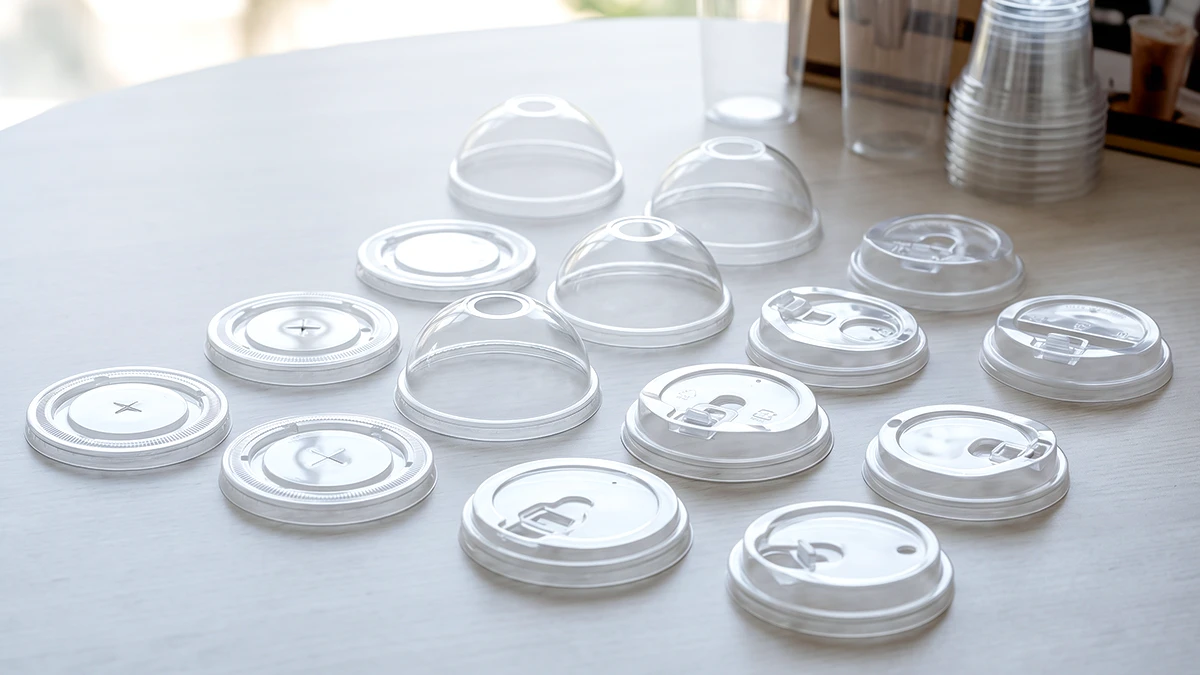
Snap-lock mechanisms provide audible and tactile confirmation of closure, typically using a ridge-and-groove design that creates mechanical interference. The most effective versions include multiple sealing ridges that create redundant barriers against liquid escape. Look for designs where the snap engagement extends continuously around the entire perimeter rather than just at specific points.
Silicone gaskets and seals elevate leak protection by adding a compressible material component that fills micro-gaps between rigid surfaces. These create more forgiving seals that maintain effectiveness despite minor container warping or lid misalignment. Some premium containers feature gaskets permanently bonded to the lid, while others integrate the gasket into the container rim.
Heat-sealed options offer exceptional leak protection for pre-packaged salads by creating a continuous bond between container and lid materials. While not practical for on-demand filling, these systems work well for prepared salads with longer shelf lives in supermarket settings. Modern heat-seal systems can be designed for easy consumer opening while maintaining complete leak resistance.
Tamper-evident features often provide secondary leak prevention benefits beyond their security function. Designs that require breaking a connection between lid and container typically incorporate additional sealing surfaces that enhance liquid containment. These features also prevent accidental lid opening during transport—a common cause of leakage.
Material Considerations for Leak Resistance
The container material itself significantly impacts leak performance through its inherent properties and manufacturing characteristics:
Polypropylene (PP) offers excellent chemical resistance to acidic dressings and oils while maintaining good flexibility without cracking. Its higher temperature tolerance (up to 230°F/110°C) prevents warping that can compromise seals when packaging warm ingredients or during hot weather delivery. Premium PP containers often feature clarity comparable to PET while providing superior leak resistance.
PET (Polyethylene Terephthalate) containers provide exceptional clarity that showcases salad presentation—a significant marketing advantage. While slightly more rigid than PP, quality PET containers incorporate design elements like reinforced corners and thicker rim structures to prevent the flexing that can break seals. PET’s excellent moisture barrier properties also prevent external humidity from affecting container contents.
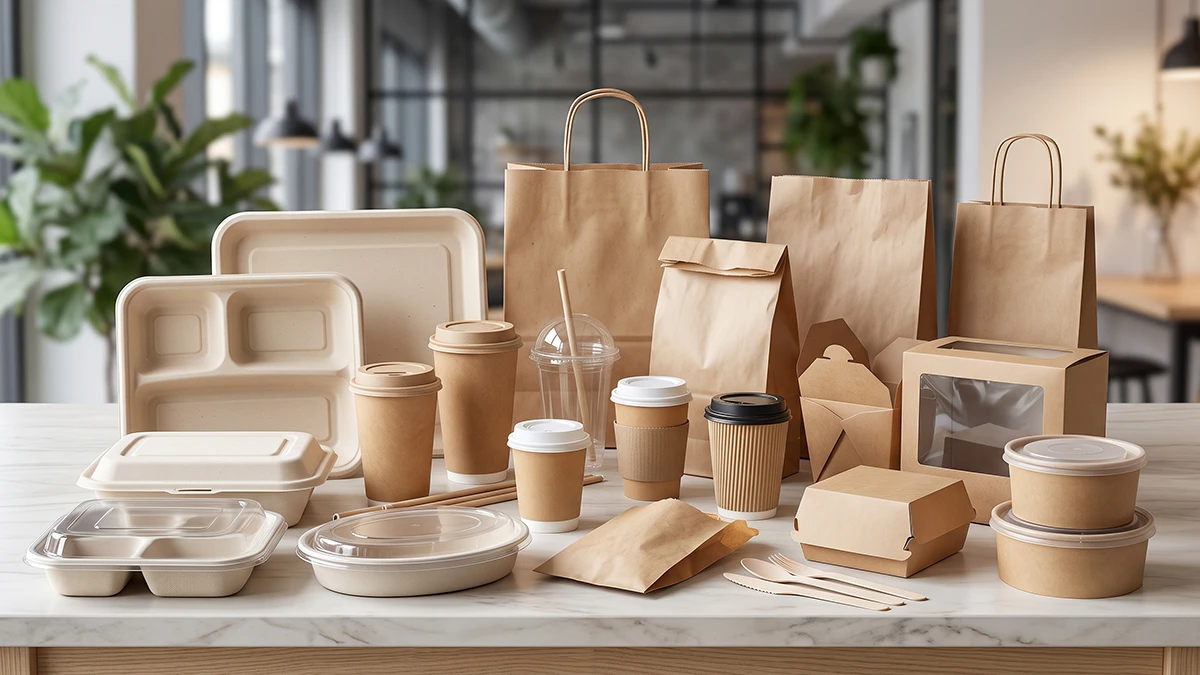
Bagasse and fiber-based options have improved dramatically in leak resistance, though they typically require special design considerations. The most effective versions use densely compressed fibers with bio-based liners or coatings that provide moisture barriers without compromising compostability. These materials excel in structural rigidity but may have more limited closure options compared to plastics.
Composite materials combine the benefits of different substrates, such as paper-based containers with polymer liners or sealing surfaces. These hybrids can offer excellent leak resistance while reducing plastic content. Some innovative designs use paper exteriors with thin polymer liners that maintain complete separation between food and paper while ensuring leak protection.
Design Elements That Enhance Leak Prevention
Beyond materials and sealing mechanisms, specific design features significantly impact leak performance:
Compartmentalization strategies physically separate wet and dry ingredients, containing potential leaks at their source. Designs range from simple dividers to completely separate compartments with individual seals. Some advanced containers feature adjustable or removable dividers that allow customization based on specific salad components.
Dressing containers and integration represent perhaps the most effective leak prevention approach by isolating the most problematic liquid until consumption. Look for designs with secure dressing container attachment that prevents movement during transport. The most user-friendly options position dressing containers to avoid contact with other ingredients even if the main container is inverted.
Reinforced corners and edges address common failure points by adding material thickness where stress concentrates. Quality containers feature visible structural elements at these vulnerable points rather than uniform thickness throughout. Some designs incorporate subtle ribbing or texture patterns that add strength without significantly increasing material usage.
Stackability features prevent pressure points that can force lids open during transport. Well-designed containers include stacking lugs or recessed lids that transfer weight to the container walls rather than the center of the lid. These features maintain seal integrity even when containers are packed tightly in delivery bags.

Material Performance Comparison for Leak-Proof Salad Packaging
Different materials offer distinct advantages and limitations for salad packaging applications. The following comparison highlights key performance characteristics relevant to leak prevention:
| Material | Leak Resistance | Chemical Resistance | Temperature Range | Clarity | Sustainability | Relative Cost |
|---|---|---|---|---|---|---|
| Polypropylene (PP) | Excellent | Excellent (oils, acids) | -20°F to 230°F | Good to Excellent | Recyclable (#5) | Medium |
| PET | Very Good | Good (limited with oils) | -40°F to 160°F | Excellent | Highly Recyclable (#1) | Medium |
| Bagasse | Good (with coating) | Moderate | 32°F to 200°F | Poor (opaque) | Compostable | Medium-High |
| Molded Pulp | Good (with coating) | Moderate | 32°F to 200°F | Poor (opaque) | Compostable | Medium-High |
| Aluminum | Excellent | Poor with acids | -40°F to 400°F | None (opaque) | Highly Recyclable | High |
| PLA Bioplastic | Good | Poor with oils | 32°F to 105°F | Good | Industrially Compostable | High |
The above data is for reference only.
Plastic Options: Pros and Cons
Plastic containers continue to dominate the salad packaging market due to their combination of performance, cost-effectiveness, and versatility.
Clear PET containers offer unmatched presentation value, allowing customers to see the fresh ingredients inside. This visual appeal creates a premium perception that can justify higher menu pricing. PET’s excellent rigidity helps maintain structural integrity during transport, while its widespread recycling acceptance addresses some environmental concerns. However, PET has more limited chemical resistance to certain dressings and lower heat tolerance than alternatives like PP.
Polypropylene alternatives provide superior leak resistance through better chemical compatibility with dressings and oils. PP’s flexibility allows for more secure snap-fit closures that maintain their seal even when slightly deformed during transport. Many premium PP formulations now offer clarity comparable to PET while providing better performance in microwave reheating applications. The material’s durability also makes it suitable for potential customer reuse, extending its lifecycle.
Hybrid designs combine different polymers to optimize performance. Examples include containers with PP bases and PET lids for clarity, or multi-layer structures that provide enhanced barrier properties. Some innovative designs use co-injection molding to create containers with rigid frames and flexible sealing surfaces, maximizing both structural integrity and leak prevention.
Recyclability considerations vary significantly by location. While both PET and PP are technically recyclable, actual recycling rates depend on local infrastructure and contamination levels. Some municipalities only accept certain types of plastic food containers, making it important to align your packaging choices with local recycling capabilities if sustainability is a priority.
Sustainable Materials: Leak Performance Analysis
As environmental concerns drive interest in alternative materials, it’s important to evaluate their leak performance objectively.
PLA and bioplastic options derived from renewable resources like corn starch offer growing potential for sustainable packaging. While early generations had significant performance limitations, newer formulations provide improved leak resistance and clarity. However, these materials still typically underperform conventional plastics in high-moisture applications and have more limited temperature ranges. Their industrial composting requirement also presents end-of-life challenges in many regions lacking appropriate facilities.
Coated paperboard solutions combine the renewable nature of paper with functional barriers against moisture. Performance varies widely based on coating type and application method. Traditional polyethylene coatings provide excellent moisture barriers but compromise recyclability, while newer aqueous coatings offer better end-of-life options but less reliable leak prevention. Some innovative products use thin PLA coatings that maintain compostability while improving moisture resistance.
Bagasse and molded fiber containers made from agricultural byproducts like sugarcane fiber have seen significant performance improvements. Dense compression and innovative molding techniques create more reliable structures, while plant-based liners improve leak resistance without compromising compostability. These containers perform best with less liquid-heavy salads or when used with separate dressing containers. Their natural appearance also communicates environmental commitment to customers.
Testing Methodologies for Leak-Proof Performance
Implementing systematic testing protocols helps identify truly leak-resistant packaging before committing to large orders or experiencing customer complaints.
In-House Testing Protocols
Effective testing goes beyond simple visual inspection to simulate real-world conditions:
Shake tests and transportation simulation subject filled containers to the movement they’ll experience during delivery. A standardized protocol might include 30 seconds of moderate shaking followed by inverting the container for one minute. More sophisticated testing could use mechanical equipment to replicate the vibration profile of delivery vehicles or the impact forces of typical handling.
Time-based leak testing acknowledges that some leaks develop gradually as dressings or moisture work through microscopic openings. Filling containers with colored water containing surfactants (to replicate dressing properties) and observing them over several hours can reveal slow leaks that might otherwise go undetected until customer delivery.
Temperature variation testing exposes containers to the range of conditions they’ll experience throughout your operational chain. This might include filling with cold contents, subjecting to warm delivery bag environments, then returning to refrigeration. These cycles can reveal leaks that occur only under specific temperature conditions when materials expand or contract.
Stacking and pressure tests evaluate how containers perform when subjected to the weight of other items during transport or storage. Standard protocols might include placing a specified weight on filled containers for a set time period, then checking for leakage or seal compromise. This testing is particularly important for delivery operations where containers are frequently stacked in bags or boxes.
Third-Party Verification Options
External validation provides additional assurance of packaging performance:
Industry certifications to look for include various standards for food packaging integrity. While no universal “leak-proof certification” exists, some manufacturers participate in testing programs that verify performance claims. Look for specific test protocols and results rather than vague marketing claims about leak resistance.
Laboratory testing services offer standardized evaluation using calibrated equipment and controlled conditions. These services can provide quantitative data on leak resistance under various conditions, helping compare different packaging options objectively. Some labs specialize in food packaging performance and can customize testing to match your specific operational conditions.
Supplier testing documentation should be requested from packaging manufacturers. Reputable suppliers like Reliancepak maintain detailed testing records and can provide data on leak resistance performance under various conditions. This documentation should include specific test methodologies, sample sizes, and failure rates rather than simply claiming “leak-proof” properties.
Interpreting test results requires understanding both statistical significance and operational relevance. A 0% failure rate in limited testing doesn’t guarantee perfect performance in thousands of real-world uses. Similarly, a small percentage of failures under extreme test conditions might be acceptable depending on your specific needs and risk tolerance. The most useful test results include information about failure modes and conditions, helping you understand not just if containers might leak, but how and when.
Operational Best Practices to Enhance Leak Prevention
Even the best containers benefit from proper handling procedures that minimize leak risks.
Proper Container Filling Techniques
How containers are filled significantly impacts leak performance:
Optimal fill levels typically leave 15-20% headspace to prevent content pressure against the lid. This space allows for some movement during transport without forcing liquids against sealing surfaces. However, too much headspace can allow excessive ingredient movement that may damage delicate components or create pressure points.
Component layering strategies place less dense, drier ingredients at the bottom with heavier, wetter components on top to prevent liquid migration. While this may seem counterintuitive from a presentation perspective, it significantly reduces leak potential during transport. Some operations compromise by arranging ingredients for visual appeal, then gently inverting the container before closing to achieve better liquid distribution for transport.
Moisture management approaches include using absorbent ingredients strategically. For example, placing a small amount of shredded cabbage or kale at the container bottom can absorb excess moisture without becoming soggy. Some operations briefly spin wet ingredients in salad spinners before packaging to remove excess surface moisture while maintaining freshness.
Dressing placement recommendations overwhelmingly favor separate containers for maximum leak prevention. When separate containers aren’t practical, consider creating a “well” of sturdy ingredients to contain dressing, or using thicker dressings that migrate less readily. Some operations also use small portions of solidified dressings that liquefy at room temperature, reducing leak potential during transport.
Sealing and Quality Control Procedures
Consistent sealing processes dramatically reduce leak incidents:
Staff training essentials include clear demonstrations of proper closure techniques with tactile or audible confirmation of complete sealing. Training should emphasize the importance of clean sealing surfaces, as even small food particles can create channels for liquid escape. Regular refresher training helps prevent procedural drift that can develop over time.
Visual inspection protocols establish systematic checks before containers leave your control. Effective protocols include inverting containers briefly to check for immediate leaks, examining seal areas for complete engagement, and verifying that no ingredients are trapped in sealing surfaces. Some operations use colored liquids during training to help staff visualize potential leak paths.
Automated vs. manual sealing considerations involve balancing consistency with flexibility. Automated sealing systems provide highly consistent results but require standardized container formats. Manual sealing allows for more container options but introduces human variability. Some operations use simple mechanical aids like lid presses that improve manual sealing consistency without requiring full automation.
Batch testing recommendations suggest randomly selecting filled containers from each production period for extended observation or stress testing. This ongoing quality control process helps identify subtle changes in container performance or sealing procedures before they result in customer complaints. Documenting these results over time can reveal patterns related to specific staff, container lots, or operational conditions.
Transportation and Handling Guidelines
How containers move through your operation and delivery chain significantly impacts leak performance:
Packaging orientation during delivery ideally keeps containers level to minimize liquid pressure against seals. When designing delivery bags or establishing packing procedures, create systems that maintain horizontal orientation even when bags are placed on vehicle seats or floors. Some delivery specialists use divided bags with semi-rigid inserts that prevent containers from tipping.
Temperature control during transit helps maintain container material performance and prevents condensation that can contribute to leakage. Insulated delivery bags with appropriate hot/cold separation prevent temperature extremes that might compromise container integrity. Some operations use different packaging for hot weather periods when vehicles may reach higher temperatures.
Delivery bag and secondary packaging considerations include absorbent materials that can contain minor leaks before they create major issues. Structured delivery bags that prevent compression of containers when stacked or placed in tight spaces help maintain seal integrity. Some operations use simple cardboard dividers between stacked containers to distribute pressure more evenly.
Driver education on proper handling emphasizes gentle handling and appropriate bag placement in vehicles. Delivery personnel should understand how their handling directly impacts food quality and presentation. Some operations include visual guides showing proper and improper bag placement in vehicles, highlighting how certain positions can create pressure points or tipping that leads to leaks.
Cost-Benefit Analysis of Premium Leak-Proof Containers
Making informed economic decisions requires looking beyond simple unit pricing to understand the total value proposition of different packaging options.
Initial Investment vs. Long-Term Savings
The financial equation of packaging selection involves multiple factors:
Premium container costs compared to standard options typically show a 15-40% price differential at the unit level. This gap reflects enhanced materials, more complex design features, and often more sophisticated manufacturing processes required for truly leak-resistant performance. However, this initial cost difference must be evaluated against the total operational impact.
Reduced replacement and refund expenses directly offset higher container costs. Operations tracking their replacement rates often find that even a 5% reduction in leak-related remakes can justify a 20% premium in packaging costs. This calculation becomes even more favorable when considering the operational disruption of preparing replacement orders during busy periods.
Customer retention value represents perhaps the largest economic factor, though it’s the most difficult to quantify precisely. Industry studies suggest that packaging failures drive customer defection at higher rates than most other service issues, with 60-70% of customers experiencing leakage reporting they would order less frequently from that establishment. The lifetime value of these retained customers typically dwarfs the incremental packaging cost.
Operational efficiency gains from reliable packaging include faster packing times (no double-bagging or special handling), more consistent delivery timing (no delays from leak remediation), and reduced cleaning requirements for delivery bags and vehicles. These efficiency improvements often translate to labor savings that offset higher packaging costs, particularly during high-volume periods.
Reliancepak’s Leak-Proof Solutions
Industry-specific packaging solutions offer optimized performance for different operational needs:
Product line overview includes specialized designs for different salad applications, from simple side salads to complex entrée salads with multiple components. Reliancepak’s leak-resistant technologies incorporate multi-point sealing systems, reinforced corners, and material formulations specifically tested with acidic dressings and high-moisture ingredients.
Performance guarantees provide assurance that premium packaging will deliver on its promises. Reliancepak backs their leak-resistant product lines with specific performance claims based on standardized testing, allowing businesses to make investment decisions with greater confidence. These guarantees typically specify the testing conditions and acceptable performance standards.
Custom options for specific needs acknowledge that standard products don’t always address unique requirements. Reliancepak’s customization services can modify existing designs to accommodate specific ingredients, branding requirements, or operational constraints. These modifications might include altered dimensions, specialized compartments, or integrated dressing containers tailored to particular menu items.
Volume pricing considerations help make premium packaging more accessible to businesses of all sizes. While higher-performance containers carry higher base costs, the percentage difference often decreases significantly at higher volumes. Reliancepak’s tiered pricing structure provides clear volume thresholds that help businesses optimize their ordering patterns to achieve the best unit economics.
ROI Calculation Framework
Evaluating the true return on packaging investments requires a structured approach:
Formula for determining true container cost goes beyond the simple unit price:
True Cost Per Use = (Unit Price + (Replacement Rate × Remake Cost) + (Leak Rate × Customer Loss Value)) ÷ (1 – Replacement Rate)
This formula incorporates both the direct costs of packaging failures and the more significant impact of customer experience issues. Even with conservative estimates for customer loss value, this calculation typically shows premium packaging to be more economical than it appears from unit pricing alone.
Case studies of businesses that upgraded packaging reveal consistent patterns of improvement. A quick-service restaurant chain that switched to higher-performance containers reported a 78% reduction in leak complaints and a 23% decrease in delivery-related refunds within the first month. A supermarket deli operation found that premium salad packaging extended effective shelf life by reducing moisture migration, decreasing shrink by 12% despite a 22% packaging cost increase.
Payback period expectations vary based on business model and volume, but typically range from immediate (for operations with high leak-related remake rates) to 3-4 months (for businesses with lower volumes but premium positioning). The most favorable payback scenarios usually occur in delivery-focused operations where packaging performance directly impacts customer experience without server intervention.
Hidden savings factors often emerge after implementing better packaging. These might include reduced need for secondary packaging like bags or wraps, decreased cleaning supply usage for delivery equipment, lower insurance claims from delivery drivers (for spill-related incidents), and even reduced food costs through more precise portion control enabled by standardized containers.
Future Trends in Leak-Proof Salad Packaging
The packaging industry continues to innovate in response to performance demands and sustainability pressures.
Emerging Technologies and Materials
Several developments promise to reshape leak-proof packaging options:
Smart packaging developments incorporate active and intelligent features that enhance functionality. These include humidity control elements that absorb excess moisture, time-temperature indicators that monitor freshness, and even embedded sensors that could alert consumers or businesses to potential leaks or temperature abuse. While currently premium-priced, these technologies are becoming more accessible for mainstream food service applications.
New biopolymer advancements are creating plant-based plastics with performance characteristics increasingly comparable to conventional polymers. These materials offer improved heat resistance, better chemical compatibility with dressings, and enhanced sealing properties while maintaining their renewable source advantages. Some promising developments include PHA (polyhydroxyalkanoate) polymers derived from bacterial fermentation that offer excellent moisture barriers with marine biodegradability.
Nanotechnology applications enhance conventional materials with microscopic particles that improve barrier properties without changing other material characteristics. These modifications can make renewable materials more functional for high-moisture applications or improve the performance of recycled content. Nano-cellulose reinforcement, for instance, can significantly strengthen fiber-based packaging while maintaining its compostable nature.
Hybrid material innovations combine conventional and sustainable components to optimize both performance and environmental impact. These might include fossil-based polymers reduced to minimal microlayers between renewable substrates, or conventional materials designed for easier separation and recycling after use. The goal is maintaining leak prevention while improving end-of-life outcomes.
Sustainability and Leak-Proof Performance
The industry is actively working to resolve the historical tension between environmental goals and functional requirements:
Reconciling environmental goals with functional requirements remains a central challenge. The most promising approaches focus on material efficiency—using less material through better design while maintaining performance. Advanced molding techniques can create structural reinforcement in critical areas while reducing overall material usage. Some manufacturers are also developing reusable container programs specifically for the food service delivery sector.
Closed-loop systems for premium containers offer a middle path between single-use and traditional reusables. These programs provide high-performance containers designed for multiple use cycles within a managed collection system. While requiring more infrastructure than conventional approaches, these systems can dramatically reduce environmental impact while maintaining the operational simplicity of disposables.
Compostable options with enhanced leak resistance continue to improve through both material science and design innovation. New barrier coatings derived from seaweed extracts, mushroom chitosan, or other natural sources provide improved moisture resistance without compromising compostability. Meanwhile, structural design improvements like double-walled construction or reinforced sealing surfaces enhance performance without additional synthetic materials.
Regulatory influences on future development will likely accelerate innovation in sustainable leak-proof packaging. Extended Producer Responsibility programs, packaging taxes, and material-specific regulations are creating stronger economic incentives for solutions that combine performance with reduced environmental impact. These regulatory frameworks are shifting research and development priorities throughout the packaging industry.
Conclusion
Selecting the right leak-proof salad containers requires balancing multiple factors including performance requirements, operational constraints, cost considerations, and sustainability goals. The most successful approach typically involves:
- Clearly defining your specific needs based on your menu items, delivery distances, and customer expectations
- Implementing systematic testing to evaluate options under your actual operating conditions
- Considering the total cost impact rather than focusing solely on unit pricing
- Establishing operational best practices that maximize packaging performance
- Staying informed about emerging options as technology continues to advance
By viewing packaging as a strategic investment rather than a commodity expense, food service businesses can enhance customer satisfaction, improve operational efficiency, and strengthen brand reputation. Working with knowledgeable suppliers like Reliancepak provides access to both current best-in-class solutions and emerging innovations that can provide competitive advantages in the growing delivery and takeout marketplace.
The ideal leak-proof salad container doesn’t just prevent messes—it preserves food quality, enhances presentation, streamlines operations, and supports your brand promises to customers. With the right selection process and ongoing attention to packaging performance, you can turn this operational challenge into a distinctive strength for your business.
- Understanding the effects of packaging failures can help businesses improve customer satisfaction and reduce complaints. ↩︎