
In an era increasingly defined by environmental consciousness, the food industry stands at a pivotal crossroads. Consumers are more discerning than ever, not just about the quality of their food, but also about the sustainability of its packaging. This growing demand, coupled with evolving regulatory landscapes, has propelled paper food containers to the forefront of the sustainable packaging movement. For B2B buyers—whether you’re a procurement manager for a large restaurant chain, a distributor supplying various food service businesses, or a direct buyer for a cafe or catering company—understanding the nuances of wholesale paper food containers is no longer optional; it’s a strategic imperative. These versatile, eco-friendly solutions offer a compelling alternative to traditional plastic, aligning your business with global sustainability goals while maintaining functionality and cost-effectiveness. This comprehensive guide will navigate you through the world of wholesale paper food containers, exploring their types, key features, quality considerations, and the significant financial and environmental advantages of adopting them. We will also highlight how partnering with a dedicated and experienced supplier like Reliancepak can streamline your transition to more sustainable and efficient packaging solutions, ensuring your business thrives in a greener future.
The Shifting Landscape of Food Packaging: Why Paper is Paramount
The global food packaging industry is undergoing a profound transformation, driven by a confluence of environmental concerns, consumer preferences, and legislative actions. In this evolving landscape, paper-based solutions are emerging as a critical component of a sustainable future, offering compelling advantages over conventional materials.
Consumer Demand for Sustainability: A Driving Force
Today’s consumers are increasingly aware of the environmental impact of their purchasing decisions. Studies consistently show a strong preference for brands that demonstrate a commitment to sustainability, particularly concerning packaging. This shift in consumer behavior is not merely a trend; it’s a fundamental change in values that directly influences purchasing power. Businesses that embrace sustainable packaging, such as wholesale paper food containers, can significantly enhance their brand image, attract new customers, and foster greater loyalty among their existing clientele. Failing to address these expectations can lead to reputational damage and a loss of market share. For B2B buyers, this means that offering eco-friendly packaging is no longer just a ‘nice-to-have’ but a ‘must-have’ to remain competitive and relevant in the modern market.
Regulatory Pressures and Single-Use Plastic Bans
Governments worldwide are implementing stricter regulations on single-use plastics, including bans and levies, in an effort to curb plastic pollution. These legislative changes are rapidly reshaping the packaging industry, forcing businesses to seek viable alternatives. From city-wide bans on plastic foam containers to national strategies aimed at reducing plastic waste, the regulatory environment is increasingly favoring sustainable materials. Paper food containers, being often recyclable, compostable, or biodegradable, offer a compliant and future-proof solution. Proactively transitioning to wholesale paper food containers allows businesses to stay ahead of these regulations, avoid potential fines, and demonstrate corporate responsibility. Reliancepak stays abreast of these global regulations, ensuring our paper container products meet the necessary compliance standards for various markets.
The Environmental Advantages of Paper-Based Solutions
Paper, derived from renewable resources (trees), offers several inherent environmental benefits compared to fossil fuel-based plastics:
- Renewability: Trees are a renewable resource, especially when sourced from sustainably managed forests (e.g., FSC-certified).
- Biodegradability: Paper naturally breaks down in the environment, reducing long-term waste accumulation.
- Recyclability: Many paper food containers are designed to be recyclable, contributing to a circular economy.
- Lower Carbon Footprint: The production of paper-based packaging often has a lower carbon footprint compared to many plastic alternatives, particularly when considering the entire lifecycle.
By opting for wholesale paper food containers, businesses can significantly reduce their environmental footprint, contributing to a healthier planet and a more sustainable food system. This commitment resonates deeply with environmentally conscious consumers and stakeholders.
Understanding Wholesale Paper Food Containers: Types and Applications
Paper food containers encompass a diverse range of products, each designed to meet specific needs within the food service industry. Understanding the various types and their ideal applications is crucial for making informed procurement decisions.
Common Types of Paper Food Containers
Paper food containers come in various forms, each serving a unique purpose:
- Paper Cups (Hot/Cold): These are ubiquitous in cafes and fast-food establishments. Hot cups are typically lined with a heat-resistant barrier (like PE or more sustainable aqueous coatings) to prevent leaks and maintain beverage temperature. Cold cups often feature a different lining to prevent condensation and maintain structural integrity. They are ideal for coffee, tea, soft drinks, smoothies, and even small portions of soup or ice cream.
- Paper Bowls (Soup, Salad, Poke): Designed for a wide range of dishes, paper bowls are sturdy and come in various sizes. They are perfect for soups, stews, salads, pasta dishes, poke bowls, and other prepared meals. Many feature secure lids to prevent spills during transport. Options include single-wall, double-wall, and ripple-wall for enhanced insulation.
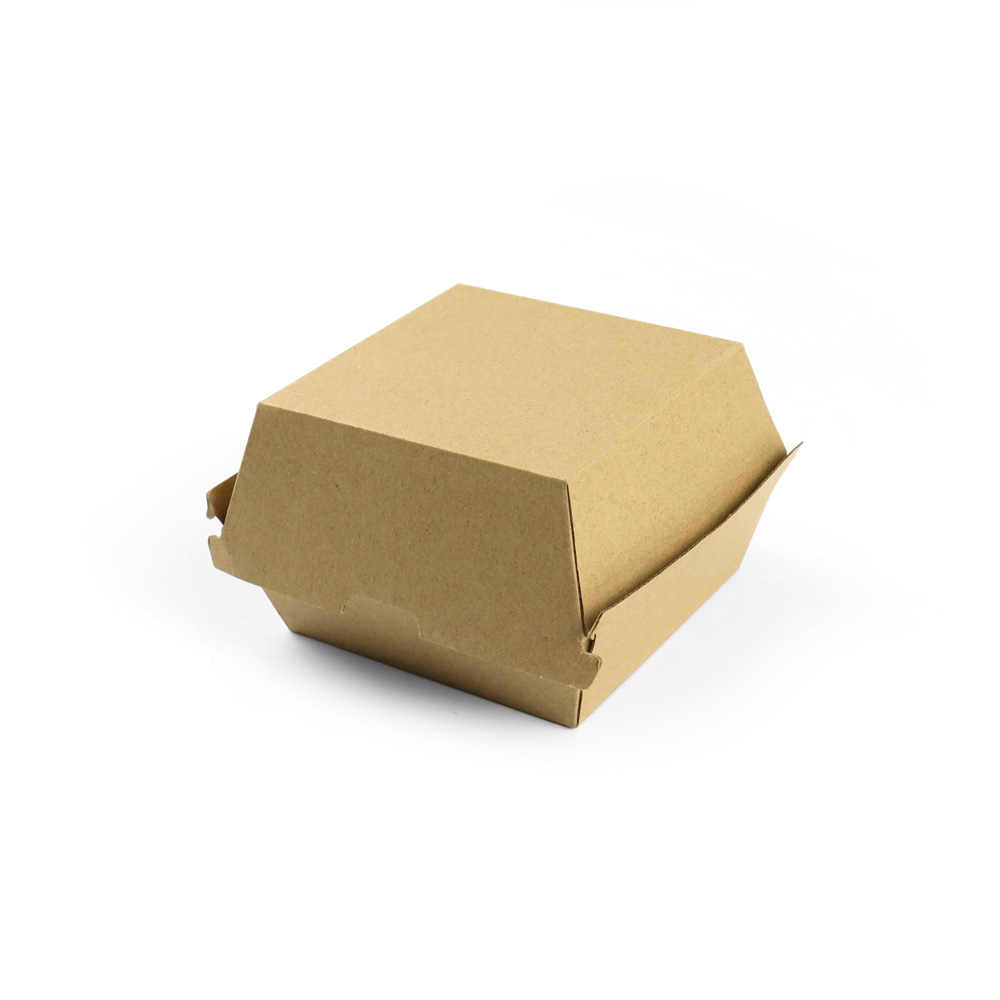
- Paper Boxes (Takeout, Burger, Noodle): These containers are designed for takeout and delivery, offering a convenient and often stackable solution. Burger boxes, noodle boxes, and general-purpose takeout boxes are common. They often feature a grease-resistant lining to prevent leakage from oily or saucy foods. Their design allows for easy assembly and secure closure, making them ideal for a variety of hot and cold meals.
- Paper Trays (Food Trucks, Events): Simple, open-top paper trays are perfect for serving items like fries, nachos, hot dogs, or pastries at food trucks, concession stands, and events. They are lightweight, easy to handle, and often made from uncoated paperboard, making them readily recyclable or compostable.
Versatile Applications Across the Food Service Industry
Paper food containers are incredibly versatile and find applications across virtually every segment of the food service industry. Their adaptability makes them a preferred choice for businesses looking for flexible and reliable packaging solutions.
| Paper Container Type | Ideal Applications | Key Features for Application |
|---|---|---|
| Hot Paper Cups | Coffee, Tea, Hot Chocolate, Soups | Heat-resistant lining, comfortable grip (double-wall/ripple-wall), various sizes. |
| Cold Paper Cups | Soft Drinks, Juices, Smoothies, Milkshakes, Iced Coffee | Condensation-resistant lining, sturdy construction, clear visibility for beverages. |
| Paper Bowls | Soups, Salads, Pasta, Poke Bowls, Rice Dishes, Ice Cream | Secure lids, often microwave-safe, various capacities, sometimes vented. |
| Paper Takeout Boxes | Burgers, Fries, Noodles, Fried Chicken, Sandwiches, Prepared Meals | Grease-resistant lining, easy to assemble, stackable, often with vents for steam. |
| Paper Trays | Fries, Nachos, Hot Dogs, Pastries, Small Snacks | Open-top design, easy to hold, often uncoated for simple recycling/composting. |
Table 1: Paper Container Types and Ideal Applications
From bustling cafes and quick-service restaurants to large-scale catering operations and institutional food services, paper food containers provide practical, hygienic, and increasingly sustainable solutions. They are suitable for both dine-in and takeout, offering convenience for consumers and operational efficiency for businesses. Reliancepak offers a comprehensive range of these paper container types, ensuring you can find the perfect fit for your specific food service needs.
Key Features and Innovations in Sustainable Paper Packaging
The evolution of paper food containers is marked by continuous innovation, particularly in enhancing their sustainability profile and functional performance. Understanding these key features and advancements is vital for B2B buyers seeking the best solutions.
Material Composition: Virgin vs. Recycled Paperboard
The foundation of any paper food container is its paperboard. The choice between virgin and recycled paperboard impacts both environmental footprint and performance characteristics:
- Virgin Paperboard: Made directly from wood pulp, virgin paperboard offers superior strength, purity, and consistent quality. It is often preferred for direct food contact applications where maximum barrier protection and structural integrity are critical. When sourced from sustainably managed forests (e.g., FSC-certified), its environmental impact can be mitigated.
- Recycled Paperboard: Made from post-consumer recycled paper fibers, recycled paperboard significantly reduces the demand for virgin timber and diverts waste from landfills. While it offers excellent environmental benefits, its strength and purity can vary depending on the quality of the recycled content. It is often used for secondary packaging or for food contact applications where a barrier layer prevents direct contact with food.
Many paper food containers combine both, using virgin fibers for the inner layer in contact with food and recycled fibers for outer layers. Reliancepak ensures that all our paperboard materials, whether virgin or recycled, meet stringent food-grade safety standards.
Linings and Coatings: Ensuring Functionality (PLA, PE, Aqueous)
To make paper food containers suitable for various food applications, especially those involving liquids, oils, or hot temperatures, they often require a barrier lining or coating. Traditionally, polyethylene (PE) has been widely used, but more sustainable alternatives are gaining traction:
- PE (Polyethylene) Lining: Provides excellent moisture and grease resistance, making the container suitable for both hot and cold liquids and oily foods. However, PE-lined paper containers can be challenging to recycle in conventional paper recycling streams due to the difficulty of separating the plastic from the paper fibers.
- PLA (Polylactic Acid) Lining: PLA is a bioplastic derived from renewable resources like corn starch or sugarcane. It offers similar barrier properties to PE but is compostable in industrial composting facilities. This makes PLA-lined paper containers a more environmentally friendly option for businesses aiming for compostability.
- Aqueous Barrier Coatings: These are water-based coatings that provide grease and moisture resistance without using plastic. They are designed to be repulpable, meaning the paper fibers can be easily separated and recycled in standard paper recycling mills. Aqueous coatings represent a significant innovation for truly recyclable paper food containers, making them an increasingly popular choice for businesses committed to circularity.
Reliancepak offers paper food containers with various lining options, including advanced aqueous coatings, to provide both superior performance and enhanced sustainability.
Compostability and Biodegradability: What to Look For
These terms are often used interchangeably, but they have distinct meanings and implications for end-of-life options:
- Compostable: A product is compostable if it can break down into natural elements in a specific composting environment (industrial or home) within a defined timeframe, leaving no toxic residue. Look for certifications like BPI (Biodegradable Products Institute) in North America or Seedling logo (EN 13432) in Europe, which verify industrial compostability.
- Biodegradable: A product is biodegradable if it can be broken down by microorganisms into natural elements. However, this term doesn’t specify a timeframe or environment, meaning a product could be biodegradable over hundreds of years in a landfill. Therefore, the term “compostable” is more precise and useful for businesses aiming for specific environmental claims.
Design for Recyclability: Maximizing End-of-Life Options
Beyond compostability, designing paper food containers for recyclability is crucial for a circular economy. This involves:
- Mono-material Construction: Using only paperboard, or paperboard with easily separable coatings, simplifies the recycling process.
- Avoiding Contaminants: Ensuring that glues, inks, and other additives are compatible with paper recycling streams.
- Clear Labeling: Providing clear instructions to consumers on how to properly dispose of or recycle the container.
Reliancepak is at the forefront of these innovations, offering paper food containers that are not only functional but also designed for optimal end-of-life solutions, whether through composting or recycling.
Quality and Performance: What to Expect from Wholesale Paper Containers
While sustainability is a key driver, the primary function of food packaging remains to protect and preserve its contents. Wholesale paper food containers must meet rigorous quality and performance standards to ensure food safety, maintain product integrity, and provide a positive consumer experience.
Durability and Structural Integrity: Protecting Your Products
Paper food containers must be robust enough to withstand the rigors of filling, sealing, transportation, and handling without collapsing or tearing. Key aspects of durability include:
- Paperboard Thickness and GSM (Grams per Square Meter):1 Thicker, higher GSM paperboard generally offers greater rigidity and strength.
- Seam Strength: Securely sealed seams are critical to prevent leaks and maintain structural integrity, especially for liquid or semi-liquid contents.
- Lid Fit and Security: Lids must fit snugly and securely to prevent spills and protect contents from external contamination.
Reliancepak utilizes high-quality paperboard and advanced manufacturing techniques to ensure superior durability and structural integrity across its range of wholesale paper food containers.
Leak and Grease Resistance: Essential for Food Safety
For many food applications, particularly those involving hot, oily, or saucy dishes, effective leak and grease resistance is paramount. Without proper barriers, moisture and oils can seep through the paperboard, leading to messy spills, compromised food quality, and dissatisfied customers. The effectiveness of these barriers depends on the type and quality of the lining or coating used (as discussed in the previous section). Suppliers should be able to provide clear specifications and test results for the leak and grease resistance of their products.
Heat Retention and Insulation: Keeping Food at Optimal Temperature
For hot beverages and prepared meals, the ability of the paper container to retain heat is crucial for consumer satisfaction. Features that enhance insulation include:
- Double-Wall Construction:2 Creates an air gap that provides superior insulation, keeping contents hot and the exterior cool to the touch.
- Ripple-Wall Design: An outer layer with a corrugated texture provides an additional insulating air pocket and a comfortable grip.
The Economic and Environmental Advantages of Adopting Paper Food Containers
Transitioning to wholesale paper food containers offers a compelling array of benefits that extend beyond mere compliance, impacting both your bottom line and your environmental stewardship.
Cost-Effectiveness in the Long Run
While the initial unit cost of some sustainable paper containers might be slightly higher than their plastic counterparts, the long-term economic advantages are significant:
- Reduced Waste Management Costs: Recyclable and compostable paper containers can lead to lower landfill fees and more efficient waste streams.
- Enhanced Brand Value and Customer Loyalty: Consumers are willing to pay more for sustainable brands, leading to increased sales and repeat business.
- Avoidance of Plastic Bans and Fines: Proactive adoption of paper containers helps businesses avoid costly penalties associated with single-use plastic regulations.
- Marketing Advantage: Sustainable packaging can be a powerful marketing tool, attracting environmentally conscious consumers and differentiating your brand in a competitive market.
Positive Environmental Impact: A Greener Footprint
The environmental benefits of choosing paper food containers are substantial and contribute directly to a healthier planet:
- Reduced Plastic Pollution: Less reliance on fossil fuel-based plastics means fewer plastics ending up in landfills, oceans, and ecosystems.
- Lower Carbon Emissions: Production of paper from sustainably managed forests can have a lower carbon footprint compared to plastic production.
- Resource Conservation: Utilizing renewable resources and supporting recycling/composting initiatives conserves natural resources and reduces the demand for virgin materials.
- Biodegradability and Compostability: For certified products, the ability to return to nature minimizes long-term environmental impact.
By making the switch, your business actively participates in the global effort to combat climate change and reduce waste, demonstrating a genuine commitment to corporate social responsibility.
Partnering with Reliancepak for Your Wholesale Paper Food Container Needs
Choosing the right supplier is paramount to a successful transition to sustainable paper food containers. Reliancepak stands as a trusted partner, offering not just products, but comprehensive solutions tailored to your business needs.
Our Commitment to Quality and Sustainability
At Reliancepak, quality and sustainability are at the core of everything we do. We are dedicated to providing wholesale paper food containers that meet the highest standards of performance, food safety, and environmental responsibility. Our products are manufactured using premium-grade, sustainably sourced paperboard and advanced barrier technologies, ensuring durability, leak resistance, and optimal functionality.
Comprehensive Product Range and Customization Options
We offer a wide array of paper food containers, including hot and cold cups, bowls, and various takeout boxes, designed to cater to diverse food service applications. Beyond our standard offerings, Reliancepak specializes in custom packaging solutions. Our expert design team can work with you to create bespoke paper containers that perfectly match your brand aesthetics, specific product requirements, and sustainability goals. From unique shapes and sizes to custom printing and innovative barrier solutions, we bring your vision to life.
Reliable Supply Chain and Global Reach
With robust manufacturing capabilities and an efficient global logistics network, Reliancepak ensures a consistent and reliable supply of wholesale paper food containers to clients worldwide. We understand the importance of timely delivery and uninterrupted supply for your business operations. Our commitment to responsible sourcing and ethical manufacturing practices extends throughout our entire supply chain, providing you with peace of mind.
Expert Support and Consultation
Our team of packaging experts is dedicated to providing unparalleled support and consultation. Whether you need guidance on selecting the right container type, understanding sustainability certifications, or navigating import processes, Reliancepak is here to assist. We aim to be more than just a supplier; we strive to be a valuable partner in your journey towards more sustainable and efficient food packaging.
Conclusion: Embrace the Future with Wholesale Paper Food Containers
The future of food packaging is undeniably sustainable, and wholesale paper food containers are leading the charge. They offer a powerful combination of environmental responsibility, functional performance, and economic viability, making them an indispensable choice for modern B2B food service businesses.
By embracing these innovative solutions, you not only align your brand with evolving consumer values and regulatory demands but also contribute significantly to a healthier planet. The transition to paper-based packaging is a strategic investment that enhances your brand reputation, optimizes operational efficiency, and secures your position as a leader in sustainable practices.
Reliancepak is your trusted partner in this journey. With our commitment to quality, comprehensive product range, customization capabilities, and reliable supply chain, we are equipped to meet all your wholesale paper food container needs. Join us in shaping a greener, more sustainable future for the food industry.
Contact Reliancepak today to explore our eco-friendly paper food container solutions and discover how we can help your business thrive sustainably. Visit Reliancepak for more information and to request samples.