
In food service, packaging is as crucial as the food. Beyond material and microwave safety, the shape and size of disposable lunch containers are vital for presentation, practicality, and customer satisfaction. Whether serving soups, salads, or multi-component meals, choosing the optimal container ensures food integrity, prevents spills, and enhances the dining experience. This guide explores diverse shapes and sizes for disposable lunch containers, helping you select the perfect fit. Reliancepak understands food packaging nuances, offering a comprehensive selection for every need, from delicate desserts to robust entrees.
The Importance of Shape and Size in Food Packaging
The dimensions and form of a disposable lunch container are fundamental to its functionality and business impact. The right shape and size enhance food presentation, maintain temperatures, prevent leakage, and streamline logistics. Conversely, an ill-suited container can lead to spoilage, complaints, and inefficiencies.
For example, a shallow container suits a salad, while a tall, narrow one is better for a beverage. Careful consideration of container geometry ensures food arrives in optimal condition, preserving quality and enhancing the dining experience. This attention to detail reflects positively on your brand, demonstrating a commitment to quality and customer satisfaction.
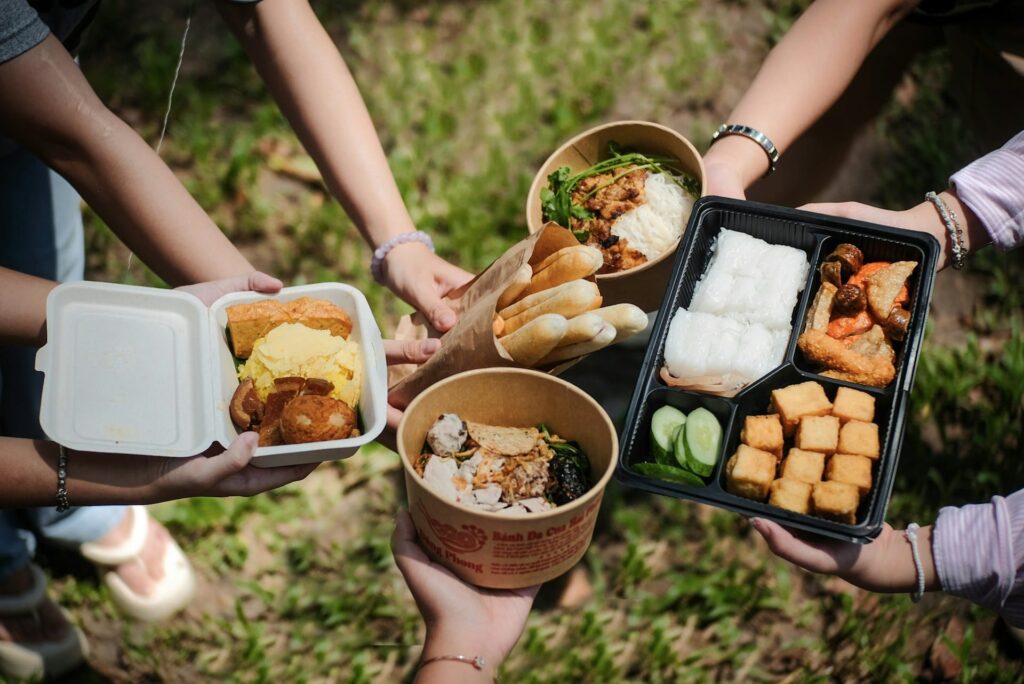
Common Shapes and Their Ideal Applications
Disposable lunch containers come in various shapes, each optimizing packaging and presentation for specific food types. Understanding each shape’s strengths helps businesses make informed decisions that enhance functionality and appeal.
Round Containers
Round containers are versatile, often used for soups, stews, pasta, and salads. Their circular design promotes even microwave heating and is easy to fill. They are effective for liquid-based foods, minimizing trapped food. However, they can be less space-efficient for packing multiple items in delivery bags.
Rectangular and Square Containers
Rectangular and square containers are popular for their space-saving design. They pack efficiently in delivery bags and refrigerators, ideal for meal prep, multi-component meals, and dishes like rice bowls or sandwiches. Their straight edges allow for neat portioning and presentation, especially with dividers. They also excel at showcasing layered dishes.
Oval Containers
Oval containers combine benefits of round and rectangular shapes. They offer elegant presentation for dishes like grilled fish or elongated sandwiches, while still stacking well. Less common, they can be a distinctive choice for specific culinary presentations.
Specialty Shapes (e.g., Wedge, Clamshell)
Specialty shapes are for specific applications. Wedge containers are perfect for single cake or pie slices, ensuring product integrity. Hinged clamshells are excellent for burgers, sandwiches, or pastries, providing convenient all-in-one takeout packaging. These shapes protect and present unique food items effectively.
Here’s a summary of common shapes and their best uses:
| Container Shape | Best For | Advantages | Considerations |
|---|---|---|---|
| Round | Soups, stews, pasta, salads | Even heating, easy to fill | Less space-efficient for packing |
| Rectangular/Square | Multi-component meals, meal prep, sandwiches | Space-efficient, neat presentation | May require dividers for complex meals |
| Oval | Grilled fish, elongated items | Elegant presentation, good stackability | Less common, specific use cases |
| Specialty (Wedge, Clamshell) | Slices of cake, burgers, sandwiches | Product protection, convenient | Highly specific applications |
Choosing the right shape ensures your food is not only contained but also presented in the most appealing and practical manner.
Selecting the Right Size: Portion Control and Practicality
Beyond shape, container size is paramount for portion control, cost management, and customer satisfaction. Correct volume prevents waste and disappointment. Practicality in handling, storage, and transport also depends on appropriate sizing.
Matching Size to Portion Requirements
Accurately matching container size to your standard portion sizes is critical. An 8 oz cup suits a small side, while a 32 oz container fits a large entree. Businesses should analyze menu items and serving sizes for efficient container volumes. This precision helps manage food costs and maintain consistency.
Storage and Transport Efficiency
Container dimensions directly impact kitchen storage and transport efficiency. Stackable designs minimize footprint in storage and vehicles. Rectangular and square containers often stack better than round ones, practical for high-volume operations. Consider how many fit in a delivery bag.
Customer Handling and Convenience
Customers appreciate easy-to-handle containers. An overly large one can be cumbersome, while one too small makes eating difficult. The balance between adequate portion size and comfortable handling is key. For on-the-go consumption, a compact yet sufficiently sized container is preferred.
| Container Size (Approx.) | Ideal Use Case | Practicality Consideration |
|---|---|---|
| 4-8 oz | Sauces, dressings, small sides | Minimal space, easy to carry |
| 12-16 oz | Individual soups, small salads, desserts | Standard single servings, fits cup holders |
| 24-32 oz | Entree salads, large pasta dishes, family sides | Ample space for main meals, stackable |
| 48 oz+ | Family-sized meals, bulk items | Requires more storage, less portable |
By carefully considering volume and dimensions, businesses can select disposable lunch containers that are practical for operations and enhance customer experience.
Material Impact on Shape and Size Selection
Material choice significantly influences available shapes, sizes, and performance. Different materials offer varying flexibility, rigidity, and thermal properties, dictating suitability for food types and designs. Reliancepak offers diverse materials to meet varied needs.
Plastic (PP, PET, PS)
Plastic containers (PP, PET) offer great versatility in molding shapes and sizes. PP is heat-resistant for microwave-safe containers, while PET excels for cold foods due offering clarity and barrier properties. PS is used for lighter, rigid containers. Their flexibility allows intricate designs, including multi-compartment and secure lids.
Paper-Based (Cardboard, Molded Fiber)
Paper-based containers (cardboard, molded fiber) are popular for eco-friendliness. Though less flexible than plastic, manufacturing advances allow good shape ranges, especially for rectangular and square designs. Molded fiber forms organic shapes for bowls and clamshells. Liquid performance often needs barrier coatings, impacting recyclability. They are excellent for dry goods, baked items, and some hot foods with proper lining.
Aluminum
Aluminum containers are primarily for hot foods due to excellent thermal conductivity and heat retention. They are typically round or rectangular with crimped edges for foil lids. Less versatile in shape than plastic, their robust nature suits heavy, hot meals needing temperature maintenance. They are oven-safe, not microwave-safe.
| Material Type | Typical Shapes | Key Characteristics | Best For |
|---|---|---|---|
| Plastic | Wide variety (round, square, multi-compartment) | Flexible, rigid, clear, heat-resistant (PP) | Hot/cold meals, diverse menus |
| Paper-Based | Rectangular, square, bowls, clamshells | Eco-friendly, often coated | Dry goods, baked items, some hot foods |
| Aluminum | Round, rectangular | Excellent heat retention, oven-safe | Hot meals, catering |
Understanding material and form is crucial for selecting containers that look good and perform optimally for your specific food offerings.
Customization for Unique Needs and Branding
Customizing disposable lunch containers, including shapes and sizes, is a powerful tool for branding and meeting specific operational or culinary needs. Tailoring packaging creates distinctive brand identity and optimizes unique menu item delivery. Reliancepak offers professional customization services.
Branding Through Unique Shapes
Beyond logos and colors, a uniquely shaped container can be a strong brand identifier. A bakery might use a custom container for its signature pastry, making it instantly recognizable. This structural branding differentiates products and enhances perceived quality.
Tailoring Sizes for Specific Portions
Standard container sizes may not perfectly match a restaurant’s portioning needs or dish dimensions. Custom sizing allows businesses to create containers perfectly calibrated to their menu, minimizing waste and ensuring consistent presentation. This is beneficial for meal kit services or high-end catering where precision is key.
Incorporating Functional Customizations
Customization also involves functional enhancements. This includes adding ridges for stacking, integrated handles for portability, or unique internal structures for delicate items. These functional customizations improve operational efficiency and end-user convenience.
| Customization Type | Benefit | Example |
|---|---|---|
| Unique Shapes | Brand differentiation, product recognition | Custom-shaped container for a signature dessert |
| Tailored Sizes | Precise portion control, reduced waste | Container perfectly sized for a specific entree |
| Functional Features | Improved handling, enhanced protection | Integrated handles, internal food cradles |
Investing in customized shapes and sizes for your disposable lunch containers allows your brand to stand out, ensures optimal food presentation, and streamlines your operational processes.
Factors to Consider When Choosing Shapes and Sizes
Choosing optimal disposable lunch container shapes and sizes requires a holistic approach, considering business operations, food characteristics, and customer expectations. A well-thought-out selection improves efficiency and satisfaction.
Food Type and Consistency
The food’s nature is the primary determinant. Liquids need secure, leak-proof seals and often round or oval shapes for easy pouring. Solid foods, like sandwiches, suit rectangular or specialty shapes. Multi-component dishes require multi-compartment designs, where compartment size and shape are crucial.
Temperature Requirements
Consider if food will be hot, cold, or reheated. Hot food containers need heat-resistant materials and shapes for even heat distribution. Cold foods prioritize clarity and barrier properties. For reheating, microwave-safe shapes and sizes are essential, ensuring the container fits standard microwaves.
Storage and Transportation Logistics
Efficient space use during storage and transport is vital. Rectangular and square containers are generally more space-efficient for stacking and packing. Consider your storage and delivery vehicle dimensions for bulk purchases. Nesting empty containers also saves space.
Brand Image and Presentation
Packaging extends your brand. Container shape and size contribute to overall aesthetic and perceived food quality. Elegant shapes elevate dining, while sturdy designs convey reliability. Consider how the container looks when presented and aligns with your brand values.
Cost-Effectiveness and Sustainability Goals
Functionality and aesthetics are important, but cost and environmental impact cannot be overlooked. Larger or custom shapes may cost more. Balance these with budget and sustainability. Recyclable or compostable materials, even if pricier, enhance your eco-friendly image and appeal to conscious consumers.
By carefully weighing these factors, businesses can select disposable lunch containers that meet immediate needs and contribute to long-term success and customer loyalty.
Why Choose Reliancepak for Your Disposable Lunch Containers
Selecting the right partner for disposable lunch containers is crucial. Reliancepak is a premier choice for B2B clients, offering quality, variety, and efficiency in packaging solutions.
Unmatched Product Variety and One-Stop Sourcing
Reliancepak offers an extensive catalog of disposable food containers: various shapes, sizes, and materials, from multi-compartment plastic trays to eco-friendly paper options. This vast selection means you find the perfect container for every menu item. Our one-stop solution simplifies procurement, saving you time and resources by consolidating packaging needs with a single, reliable supplier.
Professional Customization and Brand Enhancement
Packaging is a critical brand extension. Reliancepak offers professional customization, tailoring container shapes, sizes, and designs to your brand aesthetics and product needs. Whether custom printing your logo, designing unique compartment layouts, or developing bespoke dimensions, our expertise ensures flawless packaging that powerfully reinforces your brand identity.
Assured Quality and Food Safety Standards
Quality and safety are core to Reliancepak. All our disposable food containers meet stringent international food-grade certifications (EU, FDA). This guarantees safe food contact and integrity, providing peace of mind. Our nine production lines and rigorous quality control ensure consistent excellence.
Efficient Logistics and Global Reach
With a robust supply chain and efficient logistics, Reliancepak ensures fast delivery globally, including major export countries. Our B2B wholesale-only model supports large buyers, distributors, and food factories, providing reliable supply and responsive service. We offer free samples to facilitate your decision-making and ensure satisfaction.
Partnering with Reliancepak means choosing a supplier dedicated to your success, providing innovative, high-quality, and customized disposable lunch container solutions that elevate your food service offerings and strengthen your market position.
Conclusion
Selecting appropriate shapes and sizes for disposable lunch containers is a strategic decision impacting food service operations, brand image, and customer satisfaction. It ensures optimal food presentation, streamlines logistics, and enhances convenience. By considering your menu, material properties, and operational needs, you choose packaging that protects culinary creations and elevates the dining experience. Partnering with Reliancepak, with its extensive range, customization, and quality commitment, empowers your business to make informed choices and thrive. Invest in the right shapes and sizes for excellence with every meal.
FAQ
Q1: How do I choose the right size for my disposable lunch containers?
A1: Consider typical portion sizes for each menu item. Measure dish volume and select containers that comfortably accommodate them without overfilling. Also, think about storage and transport efficiency.
Q2: Are there specific shapes better for hot liquids like soup?
A2: Yes, round or oval containers are generally best for hot liquids. They promote even heating and are easier to consume from. Ensure a secure, leak-proof lid to prevent spills.
Q3: Can I get custom shapes and sizes for my containers?
A3: Many suppliers, including Reliancepak, offer professional customization. You can request specific compartment layouts, unique shapes, or tailored sizes to fit your menu and enhance brand identity.
Q4: How does the material affect the shape and size options?
A4: Different materials have varying properties. Plastics (PP, PET) offer the most versatility for complex shapes and sizes. Paper-based containers are more limited but improving, while aluminum is typically restricted to round or rectangular shapes due to rigidity.
Q5: What are the benefits of using rectangular or square containers?
A5: Rectangular and square containers are highly space-efficient for packing and storage. They offer neat presentation for multi-component meals and are preferred for meal prep due to stackability.