
In the competitive food service industry, packaging isn’t just an afterthought—it’s a critical business decision that impacts everything from food quality and presentation1 to customer satisfaction and operational efficiency. Plastic clamshell containers have become ubiquitous in food packaging due to their versatility, clarity, and protective qualities. However, not all plastic clamshell containers are created equal, and selecting the wrong type for your specific food application can lead to disappointing results.
At Reliancepak, we’ve guided countless food businesses through the container selection process, and we’ve seen firsthand how the right packaging choice can enhance product appeal, extend shelf life2, and strengthen brand reputation. This comprehensive guide will walk you through the essential considerations for choosing the perfect plastic clamshell container for different food types, helping you make informed decisions that benefit both your business and your customers.
Understanding Food Packaging Requirements
Before diving into specific container recommendations, it’s important to understand the fundamental relationship between food types and packaging needs. Different foods have unique characteristics that demand specific packaging solutions.
The primary function of food packaging is protection—keeping food safe from physical damage, contamination, and environmental factors that could compromise quality. However, packaging must also facilitate proper presentation, maintain freshness, comply with regulations, and align with your brand values.
When selecting plastic clamshell containers, consider these key factors:
- Food moisture content and potential for leakage
- Required shelf life and freshness preservation
- Temperature conditions during storage and use
- Visual presentation and product visibility needs
- Handling and transportation requirements
- Environmental considerations and sustainability goals
One of the most common challenges in food packaging selection is balancing these sometimes competing priorities. For instance, a container that offers excellent protection might compromise on visual appeal, or a highly sustainable option might not provide adequate moisture resistance.
| Food Category | Primary Packaging Requirements |
|---|---|
| Fresh Produce | Ventilation, moisture control, visibility, stackability |
| Prepared Foods | Leak resistance, compartmentalization, reheating compatibility |
| Bakery Items | Moisture control, crush protection, presentation |
| Hot Foods | Heat resistance, venting, structural integrity |
| Cold/Frozen Foods | Low-temperature durability, moisture resistance, thawing compatibility |
| Specialty Items | Custom sizing, unique presentation features, enhanced security |
The above data is for reference only
Fresh Produce Packaging Solutions
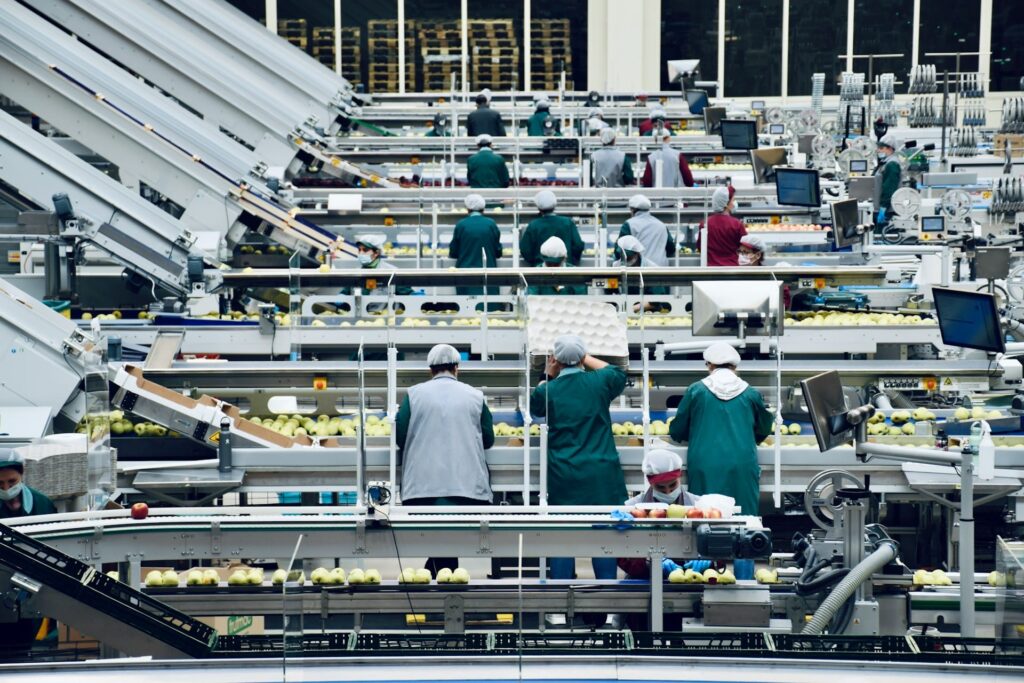
Fresh fruits and vegetables present unique packaging challenges due to their continuing respiration process after harvest. The right plastic clamshell container can significantly extend shelf life by managing moisture and gas exchange.
For fresh produce, ventilation is crucial. Fruits and vegetables release ethylene gas and moisture as they ripen, which can accelerate spoilage if trapped in the packaging. Look for clamshell containers with strategically placed ventilation holes that allow for optimal air circulation without compromising structural integrity.
Berry packaging, for example, typically features small ventilation holes on the sides and bottom to prevent condensation while protecting delicate fruits from crushing. Leafy greens, on the other hand, benefit from containers with larger ventilation areas to prevent wilting.
Material choice also plays a significant role in produce packaging. PET (Polyethylene Terephthalate) is commonly used due to its clarity, allowing consumers to inspect produce quality before purchase. For organic or premium produce lines, consider PLA (Polylactic Acid) clamshells, which offer similar clarity with improved environmental credentials.
Reliancepak’s produce clamshells feature optimized ventilation patterns developed through extensive testing with different produce types. Our agricultural clients report up to 20% longer shelf life when switching from generic containers to our specialized produce packaging solutions.
Deli and Prepared Foods Containers
Prepared foods and deli items require containers that excel in leak resistance, compartmentalization, and temperature versatility. These foods often contain sauces, dressings, or other liquid components that can leak or migrate, compromising food quality and presentation.
When selecting clamshell containers for prepared foods, prioritize these features:
- Secure closure mechanisms that prevent accidental opening
- Deep seal channels around the perimeter to contain liquids
- Adequate depth to prevent food from touching the lid
- Optional compartments to separate components with different moisture levels
- Clear material for product visibility
For salads with dressing, consider containers with separate compartments or dressing cups that keep wet ingredients away from crisp greens until serving time. Sandwich containers should have enough depth to prevent crushing while maintaining a footprint that’s convenient for handling and storage.
Many prepared food businesses are moving toward tamper-evident clamshells that provide visual indication if the package has been opened. This feature enhances food safety and builds consumer confidence, particularly important for grab-and-go items where direct staff interaction is limited.
Reliancepak offers a range of prepared food containers with innovative features like our “moisture lock” seal design, which creates a more secure barrier against leaks while remaining easy for customers to open. Our dual-purpose containers can go from refrigerator to microwave, enhancing convenience for consumers and simplifying inventory for food service operators.
Bakery Products Packaging
Bakery goods present a particular packaging challenge: they need protection from crushing while managing moisture in very specific ways. Some items, like fresh bread, need to release moisture to prevent sogginess, while others, like cream-filled pastries, need to retain moisture to prevent drying out.
For cookies, muffins, and other sturdy baked goods, standard clamshells with adequate height clearance work well. For more delicate items like decorated cupcakes or layered pastries, look for containers with interior supports or custom inserts that prevent movement during transport.
Consider these factors when selecting bakery clamshells:
- Clarity for showcasing visual appeal
- Sufficient height for tall or decorated items
- Ventilation options for items that need to release steam or moisture
- Secure closure that doesn’t compress delicate items
- Base stability for easy display and transport
Bakery containers often serve as both protective packaging and presentation vehicles, so aesthetic considerations are particularly important. Many bakeries opt for containers with scalloped or decorative edges that enhance the premium feel of their products.
Reliancepak’s bakery line includes specialized containers with adjustable ventilation features—small tabs that can be opened or closed depending on the moisture management needs of specific bakery items. This versatility allows bakeries to use the same container type for different products, simplifying inventory while optimizing product freshness.

Hot Food Packaging Solutions
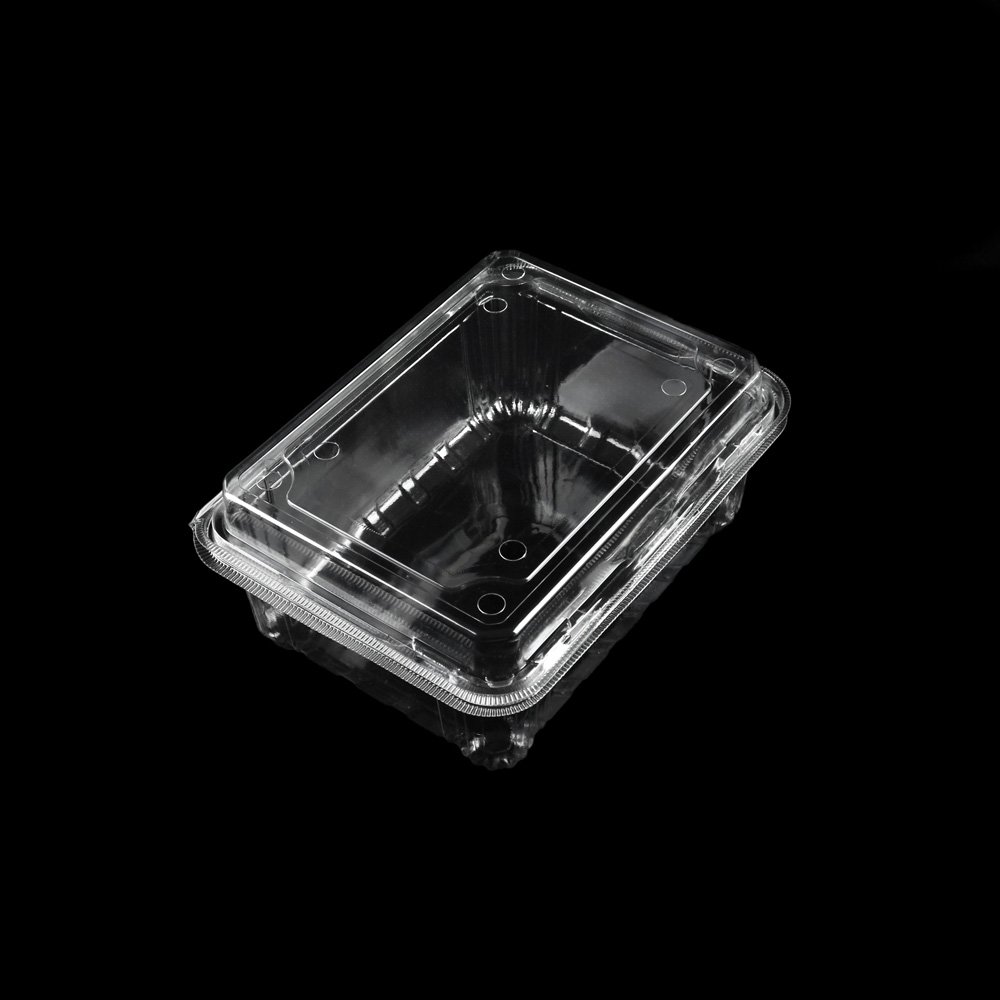
Packaging hot foods presents distinct challenges related to temperature resistance, condensation management, and food quality preservation. The right clamshell container must maintain structural integrity at high temperatures while managing steam and preventing sogginess.
Not all plastic materials are suitable for hot foods. Polypropylene (PP) is generally preferred due to its higher heat resistance, with a heat distortion temperature of approximately 110°C (230°F). PET, while excellent for cold applications, begins to soften at around 70°C (158°F), making it unsuitable for very hot foods.
Key considerations for hot food clamshell selection include:
- Material heat resistance appropriate for your food temperature
- Venting features to release steam and prevent condensation
- Structural design that maintains integrity when heated
- Insulation properties to maintain food temperature
- Safe handling features to prevent customer burns
Venting is particularly crucial for hot foods. Without adequate venting, steam condenses inside the container, returning moisture to the food and potentially causing fried items to become soggy or crisp textures to soften. Look for containers with steam vents in the lid or sides.
| Container Material | Maximum Safe Temperature | Best Hot Food Applications |
|---|---|---|
| PP (Polypropylene) | 110°C (230°F) | Soups, stews, hot entrées, microwave reheating |
| CPET (Crystallized PET) | 220°C (428°F) | Oven-ready meals, dual oven/microwave applications |
| PLA (Polylactic Acid) | 40-45°C (104-113°F) | Warm (not hot) foods, environmentally conscious applications |
| PS (Polystyrene) | 70°C (158°F) | Moderately warm foods, short-term holding |
The above data is for reference only
Reliancepak’s hot food containers feature our patented “steam release” technology with calibrated venting that allows steam to escape while minimizing heat loss. This balanced approach helps maintain food temperature while preserving texture and quality.
Cold and Frozen Food Containers
Cold and frozen foods require containers that maintain performance at low temperatures without becoming brittle or cracking. Additionally, these containers often need to transition between temperature extremes—from freezer to microwave or from refrigerator to room temperature.
When selecting clamshell containers for cold applications, consider:
- Low-temperature impact resistance to prevent cracking
- Moisture resistance to manage condensation during thawing
- Material stability across temperature ranges
- Clear material for product identification in freezers
- Secure seals that remain effective when cold
Polypropylene (PP) generally performs well in cold applications, maintaining flexibility and impact resistance at freezer temperatures. PET is also suitable for refrigerated items but may become more brittle in deep freeze applications.
For items that will be reheated directly in the container, ensure the packaging is explicitly rated for both freezer and microwave use. These dual-purpose containers typically feature specially formulated materials and reinforced corners to withstand temperature transitions.
Condensation management is particularly important for frozen foods that will be thawed. As the product warms, moisture can accumulate inside the package. Some containers feature absorbent pads or textured interior surfaces to manage this condensation and prevent it from pooling around the food.
Reliancepak’s cold storage containers undergo extensive freeze-thaw cycle testing to ensure they maintain structural integrity and seal effectiveness through multiple temperature transitions. Our “frost-lock” design features reinforced corners and specialized material formulations that resist cracking even in commercial freezers.
Specialty Food Packaging Needs
Some food products have unique requirements that demand specialized packaging solutions. Sushi, for example, benefits from containers with textured bottoms that elevate the product slightly, preventing rice from becoming soggy. Catering platters need extra-secure closures and reinforced handles for safe transport of multiple servings.
For specialty applications, consider these factors:
- Unique presentation requirements of the specific food
- Cultural expectations around packaging (particularly for ethnic foods)
- Special handling or serving needs
- Extended transport or display requirements
- Premium positioning and brand alignment
Custom inserts or dividers can transform standard clamshells into specialty packaging. For example, a standard rectangular container with a custom insert can securely hold sushi rolls in position, preventing movement during transport while showcasing the product attractively.
For catering and event service, modular clamshell systems that can be configured in different ways offer maximum flexibility. These systems might include interchangeable dividers, stackable components, or interlocking features that create stable transport units.
Reliancepak offers custom design services for specialty food applications, working directly with food businesses to develop packaging that addresses their unique challenges. Our design team combines food science knowledge with packaging engineering to create solutions that enhance both product quality and operational efficiency.
Material Selection Guide
The material of your plastic clamshell container significantly impacts its performance, appearance, and environmental profile. Understanding the properties of different materials is essential for making informed packaging decisions.
PET (Polyethylene Terephthalate) is the most common material for food clamshells due to its exceptional clarity, reasonable cost, and recyclability. It’s ideal for cold applications where product visibility is important, such as prepared salads, sandwiches, and bakery items.
PP (Polypropylene) offers superior heat resistance, making it suitable for hot foods and microwave applications. While not as crystal clear as PET, modern PP formulations offer good clarity while providing better temperature performance.
PLA (Polylactic Acid) is derived from renewable resources like corn starch and offers similar clarity to PET with improved environmental credentials. However, it has temperature limitations and typically costs more than conventional plastics.
PS (Polystyrene) is becoming less common due to environmental concerns and regulatory restrictions in some regions, but it remains in use for specific applications due to its low cost and good clarity.
| Material | Clarity | Heat Resistance | Cold Resistance | Recyclability | Best Applications |
|---|---|---|---|---|---|
| PET | Excellent | Moderate | Good | Widely accepted | Cold foods, retail display, produce |
| PP | Good | Excellent | Excellent | Accepted in many programs | Hot foods, microwave use, freezer storage |
| PLA | Very Good | Poor | Moderate | Industrial composting | Cold foods, eco-conscious brands |
| CPET | Opaque | Excellent | Excellent | Limited | Dual oven/microwave applications |
The above data is for reference only
Food safety considerations also vary by material. All food-contact plastics must comply with FDA regulations, but some materials are better suited for specific food types. For acidic foods, for example, PET offers excellent chemical resistance, while PP is more suitable for oily or fatty foods.
Reliancepak offers a comprehensive material consultation service to help clients select the optimal material for their specific application, considering food type, temperature requirements, sustainability goals, and budget constraints.
Size and Configuration Considerations
Selecting the right size and configuration for your plastic clamshell containers is crucial for both product protection and operational efficiency. Containers that are too large waste material and storage space, while those that are too small may compress food or fail to seal properly.
Standard sizes offer cost advantages and easier integration with existing storage systems, while custom sizes may better showcase your specific products. Consider these factors when determining size requirements:
- Product dimensions, including height of tallest components
- Headspace needed to prevent crushing or contamination
- Efficient use of storage and display space
- Compatibility with existing packaging equipment
- Consumer expectations and portion sizing
Beyond basic dimensions, configuration features like compartments, hinges, and closure mechanisms significantly impact functionality. Compartmentalized containers keep different food components separate, preventing soggy salads or flavor transfer between items.
Hinge design affects both durability and user experience. Containers with full-length hinges generally offer better durability and alignment, while those with snap-on lids may provide better sealing for liquid-heavy foods.
For operations using automated filling or sealing equipment, ensure your container choice is compatible with your machinery specifications. Even minor variations in dimensions or material properties can cause significant operational issues in automated environments.
Reliancepak offers both standard and custom sizing options, with our engineering team available to help optimize dimensions for specific products. Our space-efficient designs consider not just the food itself, but the entire lifecycle of the package from production line to consumer use.
Branding and Presentation Factors
In today’s competitive food market, packaging plays a crucial role in brand communication and product perception. Clear plastic clamshell containers offer excellent product visibility, turning the food itself into a visual marketing tool.
When considering the presentation aspects of clamshell containers, evaluate:
- Clarity and visibility of the container material
- Opportunities for labeling or direct printing
- Alignment with brand positioning and values
- Consumer interaction with the packaging
- Differentiation from competitors
Container clarity varies by material and manufacturing process. Premium clarity PET offers jewel-like transparency that enhances food appearance, while standard materials may have slight tinting or surface texture that affects presentation.
For branding, consider containers that accommodate labels in visible locations without obscuring the product. Some premium clamshells offer embossing options for subtle but permanent branding directly in the plastic. Others feature designated flat areas specifically designed for label placement.
The opening experience also impacts brand perception. Containers with intuitive, easy-to-open designs that don’t require excessive force or risk spills create positive associations with your brand. Conversely, difficult packaging frustrates customers and diminishes their overall experience.
Reliancepak’s design team can help develop custom packaging that reinforces your brand identity while maintaining functional excellence. Our “brand-through” technology allows for subtle logo embossing that’s visible from certain angles, creating a premium feel without compromising product visibility.
Sustainability Considerations
Environmental impact has become a major consideration in packaging decisions, driven by both regulatory requirements and consumer expectations. When evaluating the sustainability of plastic clamshell options, consider the complete lifecycle impact rather than focusing solely on the material.
Key sustainability factors include:
- Material source (virgin, recycled, or bio-based)
- Resource efficiency in production
- Performance efficiency (food protection and waste prevention)
- End-of-life options (recyclability, compostability)
- Transportation efficiency and carbon footprint
Recycled PET (rPET) offers significant environmental benefits while maintaining performance similar to virgin material. Many regions now offer clamshells with 25-100% post-consumer recycled content, reducing reliance on new plastic production.
Bio-based plastics like PLA provide alternative environmental benefits, particularly in regions with industrial composting infrastructure. However, these materials typically come with performance limitations and higher costs that must be factored into decision-making.
Material reduction through smart design represents another sustainability approach. Containers with strategically placed reinforcement features can use less plastic while maintaining structural integrity, reducing both environmental impact and material costs.
Reliancepak’s sustainability program includes options at various commitment levels, from standard containers with 25% recycled content to our premium “earth-first” line made from 100% post-consumer materials or certified compostable bioplastics. Our engineering team continuously works to reduce material usage through innovative design approaches.
Cost Optimization Strategies
While purchase price is an obvious cost factor in packaging decisions, the total impact of packaging choice extends far beyond the initial investment. Strategic container selection can optimize costs across your operation.
Consider these approaches to cost optimization:
- Standardization across product lines where appropriate
- Volume purchasing of core container types
- Performance factors that reduce food waste
- Operational efficiency improvements
- Brand value and premium positioning opportunities
Standardizing container sizes and types where possible can significantly reduce inventory complexity and enable volume discounts. While custom containers may be necessary for signature products, using standard options for other items can improve purchasing efficiency.
Performance-based cost savings often outweigh minor differences in purchase price. For example, a slightly more expensive container with better seal properties might significantly reduce leakage incidents, saving on replacement costs and customer goodwill.
For operations with multiple locations, centralized purchasing combined with distributed delivery can optimize both pricing and logistics costs. Reliancepak’s enterprise program offers inventory management and scheduled delivery services that reduce both administrative burden and storage requirements.
Reliancepak’s consultation approach includes comprehensive cost analysis that looks beyond unit pricing to identify the true economic impact of packaging choices across your operation. Our clients typically find that optimized packaging solutions reduce total costs by 15-20% compared to generic approaches, even when unit prices may be slightly higher.

Reliancepak’s Selection Process
At Reliancepak, we’ve developed a systematic approach to container selection that ensures optimal results for each client’s specific needs. Our process combines technical expertise with practical business understanding to deliver packaging solutions that enhance both product quality and operational efficiency.
Our consultation process includes:
- Comprehensive needs assessment covering product requirements, operational constraints, and business goals
- Sample testing with your actual products under real-world conditions
- Performance analysis and refinement
- Implementation support and training
- Ongoing optimization and adaptation as needs evolve
We begin by understanding your specific food products, including their physical properties, temperature requirements, shelf life goals, and presentation needs. This foundation allows us to narrow the field to container options that meet your basic technical requirements.
Next, we consider your operational environment, including storage conditions, handling processes, and equipment compatibility. These factors further refine the selection to options that will perform well in your specific context.
For many clients, we recommend small-scale testing of multiple options before committing to large orders. This practical evaluation often reveals performance nuances that aren’t apparent in technical specifications alone.
Reliancepak’s commitment extends beyond the initial selection process. Our team provides implementation support to ensure smooth transition to new packaging, and we remain available for ongoing consultation as your needs evolve.
Conclusion
Selecting the right plastic clamshell container for different food types requires balancing multiple factors, from basic protection and performance to branding and sustainability. By understanding the specific requirements of your food products and business operations, you can make informed decisions that optimize both product quality and cost efficiency.
Remember these key considerations:
- Match container materials and features to your specific food requirements
- Consider the entire lifecycle of the packaging in your operation
- Balance performance, sustainability, and cost factors
- Test options in real-world conditions when possible
- Partner with knowledgeable suppliers who understand food packaging
The right packaging choice can enhance product quality, streamline operations, strengthen your brand, and improve your environmental profile—all while controlling costs. By taking a strategic approach to container selection, you transform packaging from a commodity purchase to a business advantage.
Reliancepak’s team of packaging specialists is available to help you navigate these decisions and develop optimal solutions for your specific needs. Contact us for a consultation to discover how the right plastic clamshell containers can enhance your food business.