
Choosing the right plastic containers for storage might seem simple, but if you’re in the food industry—or any B2B sector that relies on packaging—it’s a decision that can impact your bottom line. As someone who works with packaging daily at Reliancepak, I can tell you that material, design, and compliance are more important than ever.
In this post, I’ll walk you through the key considerations using a simple Q&A structure to help you make smarter, more informed decisions.
Why Do Plastic Containers Matter in Storage?
Plastic containers are more than just packaging—they protect your products, extend shelf life, support branding, and improve logistics. Choosing the wrong ones can result in contamination, spoilage, or wasted inventory.
What Are the Main Types of Plastic Used in Storage Containers?
Different plastics serve different needs. Here’s a quick comparison:
| Material | Common Use | Pros | Cons |
|---|---|---|---|
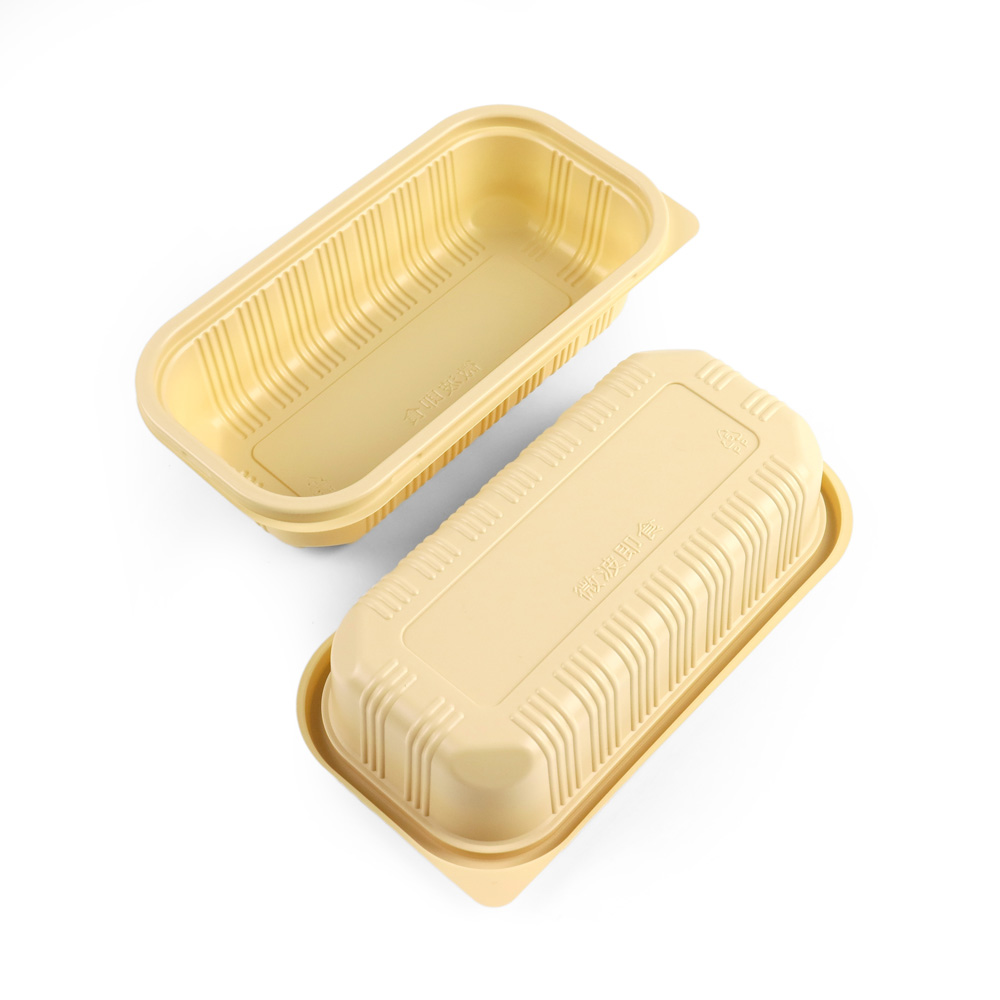
| PP (Polypropylene) | Food trays, lids | Microwave-safe, affordable | Less clear than PET |
| PET (Polyethylene Terephthalate) | Bakery, salad containers | High clarity, recyclable | Not suitable for high heat |
| HDPE (High-Density Polyethylene) | Industrial storage bins | Durable, chemical-resistant | Opaque, less aesthetic |
| PS (Polystyrene) | Disposable cutlery, some clamshells | Low cost, rigid | Brittle, not microwave-safe |
How Can I Tell If a Container Is Food-Safe?
Look for certification or compliance with FDA (USA), EFSA (EU), or local food-contact regulations. At Reliancepak, we ensure all our plastic containers meet international safety standards and provide test reports upon request.
Tip: Ask your supplier for migration test reports or food-grade certification documents to avoid regulatory issues.
Which Features Should I Look For in Storage Containers?
Here are the essentials I recommend checking before placing an order:
Airtight Sealing
Prevents moisture, contamination, and food odors from leaking out—or in.
Stackability
Saves warehouse space and ensures safe transportation.
Material Transparency
Clear plastic containers help in quick identification of contents—essential for bakery and ready-meal storage.
Customization Options
Want to add your brand logo? Make sure the container material supports printing or labeling.
How Do I Choose the Right Size and Shape?
This depends on what you’re storing. Here’s a quick guide:
| Product Type | Suggested Container | Size Consideration |
|---|---|---|
| Cakes | Clear PET clamshells | Height and diameter matter |
| Sauces or dressings | Small PP tubs with lids | Leak-proof design |
| Dry goods | HDPE bins | Need for volume and sealing |
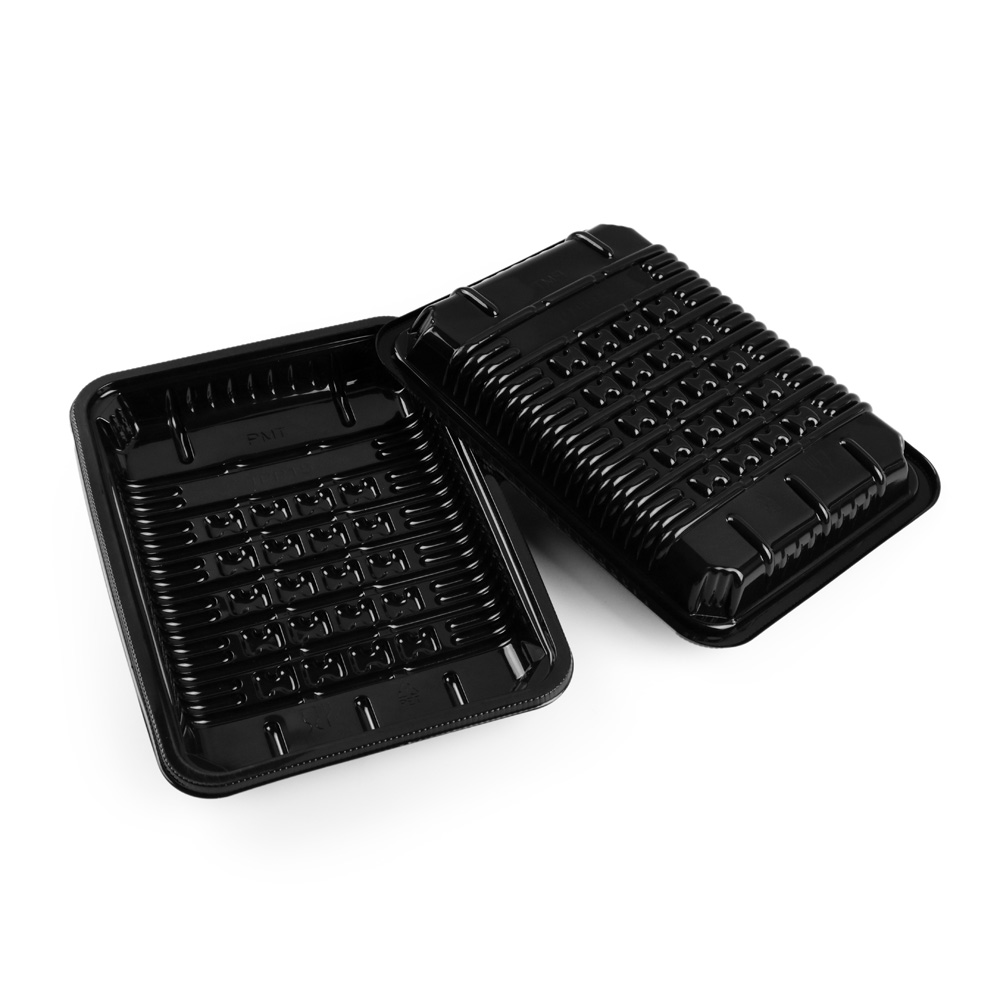
| Prepared meals | PP trays with film seal | Microwave compatibility |
Are Recyclable or BPA-Free Containers Worth It?
Absolutely. Many businesses now demand sustainable plastic containers. PET, for instance, is highly recyclable and widely accepted in global recycling streams. BPA-free PP[1] is another great alternative, especially for food storage.
At Reliancepak, we’ve seen increasing B2B demand for eco-friendly plastic food containers[2]. Adding recyclable or compostable labels can even boost customer loyalty.
What’s the Ideal Supplier Checklist?
Before placing an order, ask your supplier the following:
- Do you offer FDA/EU-compliant containers?
- Are test reports and certifications available?
- What’s the MOQ (Minimum Order Quantity)?
- Can I get custom samples with my branding?
- What’s your lead time and shipping method?
Pro Tip: Partner with experienced suppliers like Reliancepak who can help you navigate compliance, design, and logistics—without headaches.
Final Thoughts: How Do I Choose the Right Plastic Container?
Choosing the right plastic containers comes down to balancing practicality, safety, and presentation. Ask the right questions, prioritize quality materials like PET or PP, and work with a reliable manufacturer who understands your industry.
And if you’re ever unsure—I’m here to help. At Reliancepak, we’ve helped hundreds of businesses across North America, Europe, and Asia scale with safe, stylish, and cost-effective packaging.
[1]: Learn about BPA-free PP to see why it’s a safe and popular choice for food storage solutions, ensuring health and safety.
[2]: Discover the advantages of eco-friendly plastic food containers and how they can enhance your business’s sustainability efforts.