
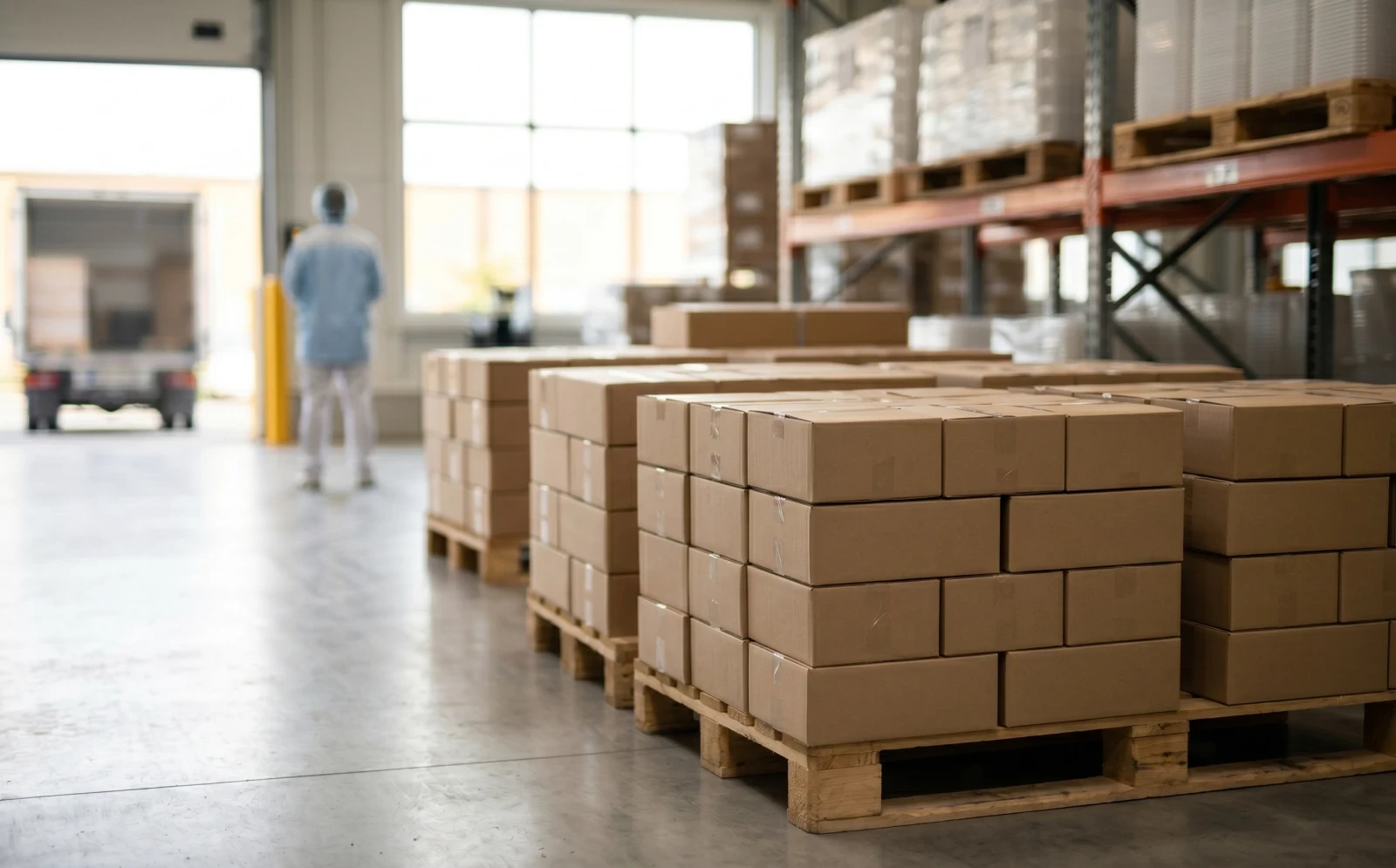
An integrated supplier is generally the most effective partner for high-volume packaging needs as it provides direct control over production quality while offering the logistical and communication support necessary for international trade. This hybrid model combines the pricing advantages of a factory with the professional service levels associated with experienced export firms.
You might find that dealing directly with a pure factory leads to frustrating communication gaps, while traditional trading companies add unnecessary layers of cost and information lag. When your inventory levels are low and your restaurant clients are waiting for a shipment, you need a partner that understands both the technical resin requirements and the complexities of global shipping. This comparison helps you identify which supplier structure aligns with your profit goals and operational needs.
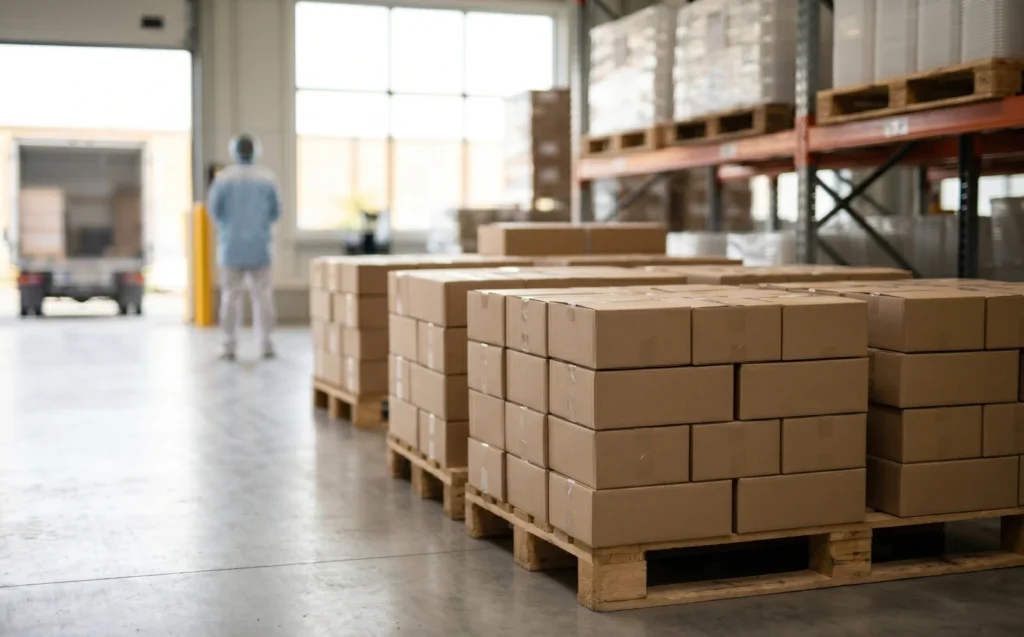
Why do traditional factories often struggle to meet international service standards?
Traditional factories prioritize production efficiency and machine uptime over client communication and administrative support. They might offer the lowest unit price at the factory gate, but they often lack the specialized personnel required to manage complex export documentation or provide rapid status updates to global buyers.
Communication Barriers and Technical Friction
Here is the deal.
- Language barriers can lead to expensive errors in custom mold specifications or color matching.
- Slow response times often result in missed shipping windows and delayed deliveries.
- Limited understanding of specific international food grade certifications might stall your products at customs.
- Production-centric mindsets often overlook the importance of robust export-grade outer packaging.
Lack of Export Logistics Expertise
You should know.
- Factories often expect the buyer to handle all aspects of freight and insurance.
- Small administrative errors in packing lists can lead to significant port storage fees.
- The absence of a dedicated export team makes it difficult to track shipments across oceans.
| Supplier Type | Direct Price | Service Speed | Export Knowledge |
| Pure Factory | Lowest | Low | Basic |
| Global Client | High Management | High Risk | High Stress |
Low prices are often offset by the high internal management overhead required from the buyer to ensure the order is correct.
Key Takeaway: A pure factory model requires you to have an internal team capable of managing every production and logistics detail manually.
Can a trading company provide the stability needed for large orders?
Trading companies offer a diverse product catalog but often lack direct control over the manufacturing floor and the raw material supply chain. You might gain access to a wide variety of shapes and sizes, yet the lack of direct oversight can lead to inconsistent quality across different production batches.
The Hidden Risks of Sub-Contracting
Think about this.
- Trading firms might switch manufacturers to maintain their own margins without informing you of the change.
- Quality control is often reactive and performed after the goods have already been finished.
- Lead times can be unpredictable if the factory decides to prioritize their own direct clients over the broker.
- Technical questions about resin purity or heat resistance must be passed through a middleman, causing delays.
Price Markups and Information Lag
Let’s look at the facts.
- Every layer of the supply chain adds a percentage to your final landed cost.
- Information regarding production delays is often filtered or delayed by the trading agent.
- It is difficult to verify the actual source of the materials used in your containers.
| Partner Type | Material Variety | Quality Control | Price Stability |
| Trading Co. | High | Variable | Moderate |
| Large Buyer | High Cost | High Risk | Low Control |
Variety comes at the expense of direct oversight and technical transparency which are necessary for food safety compliance.
Key Takeaway: Trading companies are most suitable for small, mixed orders rather than high-volume, long-term supply chain partnerships.
Why is the integrated model the gold standard for professional distribution?
Integrated suppliers operate their own production lines while maintaining a dedicated department for international trade and client relations. This structure allows you to receive technical manufacturing expertise without sacrificing the professional account management needed for global operations.
Transparency and Technical Precision
You should know.
- Direct access to engineers ensures that the technical specs for your food container bulk order are met perfectly.
- Shorter feedback loops mean that design changes or custom branding are implemented in days rather than weeks.
- Integrated logistics teams handle shipping documents and port coordination as part of the standard service.
- On-site quality control teams verify every batch against your specific samples before the container is loaded.
Streamlined Certification and Compliance
Here is the deal.
- The supplier manages their own FDA and EU test reports, ensuring they are always current and valid.
- You get direct answers regarding the percentage of recycled material or the source of the raw resin.
- Factory audits are simpler because you are dealing with the entity that actually owns the machinery.
| Integrated Model | Manufacturing | Service Level | Total Value |
| Owns 9 Lines | High Control | High Priority | Highest |
| Professional Trade | Direct Specs | Rapid Response | Best Pricing |
The integrated model minimizes the distance between the buyer and the production floor while maximizing service quality and reliability.
Key Takeaway: Partnering with an integrated supplier offers the most reliable path for buyers seeking consistency, professional support, and factory pricing.
How does supplier structure impact your final landed cost?
The supplier structure determines the final price you pay once the goods arrive at your warehouse in the USA, Europe, or Malaysia. While a factory might appear cheaper initially, an integrated partner often reduces the hidden costs associated with damaged goods, shipping delays, and quality failures.
Calculating the Total Cost of Procurement
Think about this.
- Efficient nesting and packing by an integrated team reduce the total number of shipping containers needed.
- Reliable lead times allow you to maintain lower safety stock levels, improving your cash flow.
- Accurate documentation prevents the payment of expensive port demurrage and detention fees.
- Stable quality reduces the costs associated with customer returns or rejected batches.
Balancing Price and Risk
Let’s look at the facts.
- Lowest gate price often carries the highest risk of shipping damage.
- Professional export packing is a standard feature of integrated suppliers but an add-on for many factories.
- Dedicated account managers identify potential logistics bottlenecks before they impact your delivery date.
| Cost Component | Pure Factory | Integrated Supplier | Trading Company |
| Unit Price | Lowest | Competitive | Higher |
| Logistics Management | Very High | Low | Moderate |
| Quality Risk | High | Low | Moderate |
Focusing on the total landed cost rather than just the unit price ensures that your profit margins remain protected throughout the year.
Key Takeaway: A partner that handles both production and professional service provides the most predictable and cost-effective supply chain.
What can we offer?
Reliancepak operates 9 production lines while providing the high-level professional service of an international trade partner. This integrated approach ensures that your wholesale goals are met with technical precision and logistical efficiency. Contact us today to see how our factory-direct capacity and professional export services can stabilize your packaging inventory.
We believe that reliable, safe, and sustainable packaging is the foundation of a successful global food supply chain.
FAQ
Can I visit the production lines of an integrated supplier?
Yes. Unlike trading companies that might be secretive about their sources, integrated suppliers welcome factory audits and site visits to demonstrate their manufacturing capacity.
Is there a price difference between a factory and an integrated supplier?
No. Since an integrated supplier owns the production lines, you receive factory-direct pricing while gaining the benefit of a dedicated service and export team.
How do you manage quality control for custom orders?
Yes, we perform on-site inspections at every stage of production, from resin selection to final packing, ensuring that the finished goods match your approved samples.
Can I get a single point of contact for my order?
Yes. Integrated suppliers provide a dedicated account manager who handles everything from your initial technical inquiry to the final shipping coordination.
Will you handle the complex shipping documents for my country?
Yes. Our export team is experienced in preparing all necessary paperwork, including certificates of origin and food-grade declarations, to ensure a smooth customs process.
Meta Description: Compare factory vs trading company vs integrated supplier for food container bulk orders. Discover why the integrated model offers the best value.