
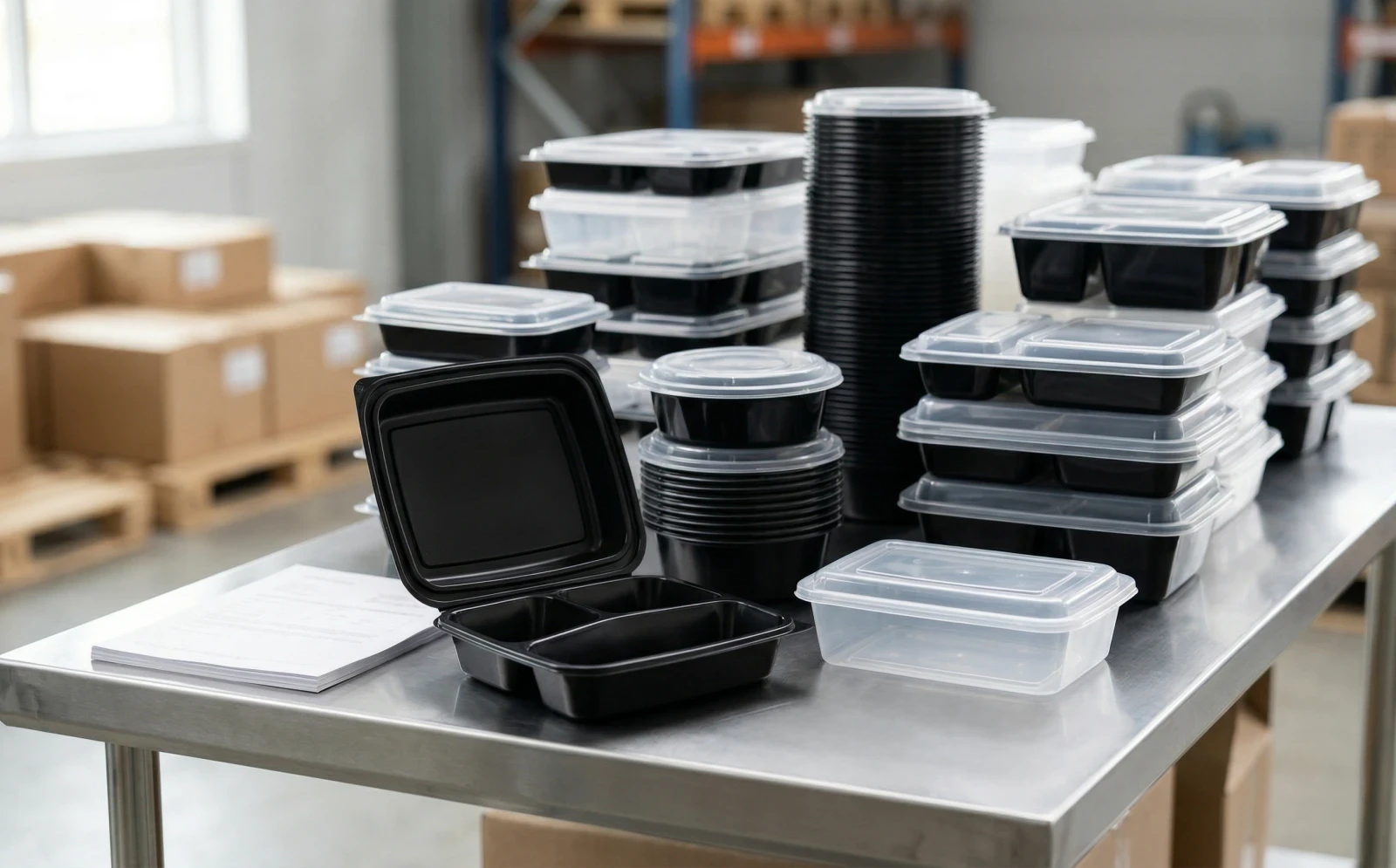
To compare food container bulk prices effectively, you must evaluate the relationship between unit cost and technical specifications—specifically gram weight, resin purity, and certification compliance—rather than focusing solely on the lowest quote provided by a manufacturer. This analytical approach ensures that the packaging maintains its structural integrity and safety standards throughout the distribution cycle.
Professional procurement managers often encounter quotes that appear significantly lower than the market average, only to discover later that the materials are thin or lack proper safety documentation. When a supplier uses low-quality fillers to reduce costs, your shipments might arrive damaged, leading to financial losses and a breakdown in trust with your retail or food processing clients. This guide provides a framework for evaluating food container bulk offers by balancing material performance against total landed costs to secure a reliable supply chain. By following a standardized comparison method, you can identify high-value partners like Reliancepak who offer factory-direct pricing alongside professional quality control.
Which technical specifications determine food container bulk pricing?
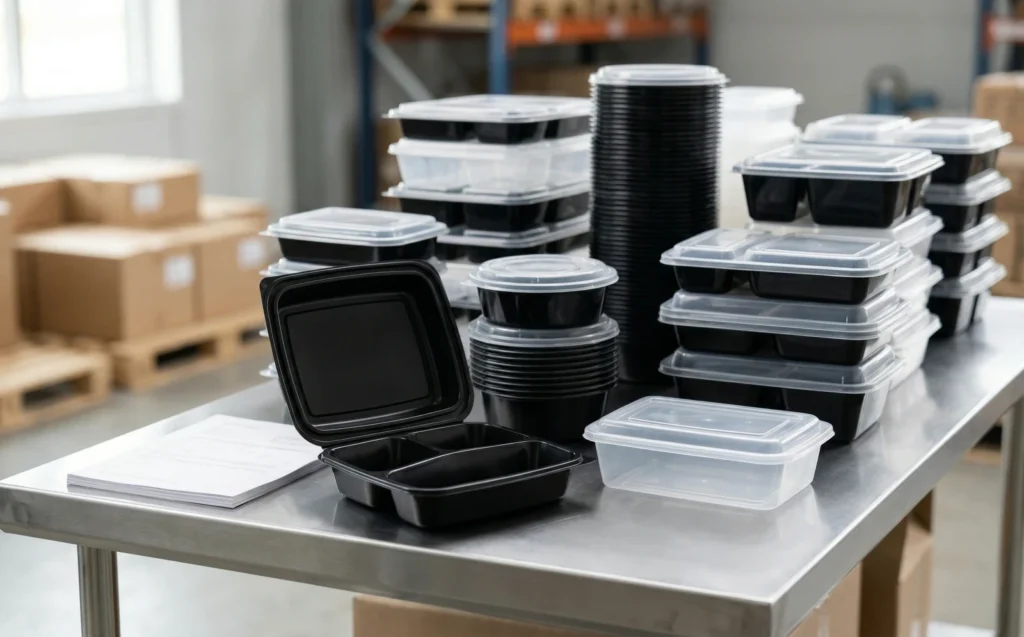
Technical specifications such as the gram weight per piece and the type of resin used are the primary drivers of food container bulk pricing across the global market. A heavier container generally indicates more raw material usage, which provides better stackability and heat resistance but increases the unit cost.
Evaluating material weight and resin quality
The thickness of the container walls determines how many units can be stacked on a pallet without causing the bottom layers to collapse.
Here is the deal.
- Gram weight should be verified against the specific volume of the container.
- Virgin polypropylene (PP) provides better clarity and heat resistance than recycled blends.
- Wall thickness consistency prevents weak spots that lead to leaking during transit.
- Resin market fluctuations often cause price adjustments between the quote and the production date.
Understanding the impact of manufacturing precision
Precision in the molding process ensures that lids fit securely, which is a key factor in the overall value of the packaging.
Think about this.
- High-precision molds reduce the risk of burrs or sharp edges on the plastic.
- Automated production lines, such as the 9 lines operated by Reliancepak, ensure consistent quality across thousands of units.
- Tooling maintenance prevents defects that appear in high-volume production runs.
| Feature | Low-Price Profile | High-Value Profile | Business Impact |
|---|---|---|---|
| Gram Weight | 15g – 17g (Thin) | 22g – 25g (Standard) | Durability & Safety |
| Resin Type | Recycled/Filler Mix | 100% Virgin Food Grade | Heat Resistance |
| Lid Security | Variable Fit | Precision Snap-On | Leak Prevention |
Analyzing the physical properties of the container prevents you from choosing a product that will fail under the stresses of commercial use.
Key Takeaway: Technical data verification is the most reliable way to ensure that a lower price does not result in a lower-performing product.
How do logistics and hidden fees impact the final quote?
Logistics and shipping terms like FOB or CIF can change the final landed cost of a food container bulk order by as much as 30% depending on the destination. You must account for insurance, customs duties, and local transportation fees when comparing quotes from international suppliers in China or regional distributors.
Analyzing international shipping terms
Comparing a quote from a factory that only offers FOB terms against a trading company offering CIF can be misleading if you do not calculate the freight costs.
It’s a simple fact.
- FOB (Free on Board) requires you to manage the shipping and insurance from the port of origin.
- CIF (Cost, Insurance, and Freight) includes the delivery to your local port but may have higher base prices.
- Palletization adds to the cost but significantly reduces the labor required for unloading.
- Volume-to-weight ratios determine if your shipment is billed by physical space or actual mass.
Calculating the cost of lead times
Extended lead times tie up your capital for longer periods, which is an indirect cost that impacts your overall business liquidity.
Let’s look at the facts.
- Faster production, like the 15-20 day window offered by integrated suppliers, improves cash flow.
- Delayed shipments can force you to buy emergency stock locally at much higher retail prices.
- Reliability in delivery schedules allows for leaner inventory management in your warehouse.
| Cost Element | Impact on Price | Responsibility | Risk Level |
|---|---|---|---|
| Ocean Freight | High | Buyer (FOB) / Seller (CIF) | Market Volatile |
| Customs Duties | Moderate | Buyer | Regulatory |
| Marine Insurance | Low | Buyer / Seller | High if Omitted |
Total value is determined by the final price of the goods once they are sitting in your warehouse, not the initial factory quote.
Key Takeaway: Transparency in shipping and lead times is necessary to avoid unexpected expenses that erode your profit margins.
Why are certifications and factory audits a factor in total value?
Certifications such as FDA or EU 10/2011 provide legal protection and ensure that the food container bulk products meet international health standards. Sourcing from a factory that maintains ISO 9001 or BSCI compliance reduces the risk of product recalls and legal liabilities in markets like the USA or Europe.
Verifying food-grade compliance
Acquiring the latest testing reports from bodies like SGS or TUV confirms that the plastic does not migrate harmful chemicals into food.
Here is the truth.
- FDA compliance is mandatory for entering the North American market.
- EU standards focus on specific migration limits for various chemical components.
- Factory audits demonstrate that the supplier maintains consistent hygiene and quality controls.
- Reliancepak provides verified documentation to ensure smooth customs clearance for global buyers.
The long-term benefit of stable suppliers
Partnering with an integrated supplier that combines manufacturing and trading provides a single point of accountability for quality and compliance.
Think about this.
- Direct factory access allows for better communication regarding customization and branding.
- Professional trading teams handle the complexities of international documentation and certifications.
- Integrated partners are more likely to offer free samples to verify quality before a large transaction.
| Certification | Target Market | Primary Verification | Legal Necessity |
|---|---|---|---|
| FDA | USA | Food Contact Safety | Mandatory |
| EU 10/2011 | Europe | Chemical Migration | Mandatory |
| ISO 9001 | Global | Quality Management | Recommended |
Investing in certified packaging protects your brand from the significant costs associated with non-compliance and health violations.
Key Takeaway: Compliance documentation is a non-negotiable part of the procurement process that guarantees long-term business stability.
Conclusion
Reliancepak provides a stable supply of food-grade packaging with the speed and professional service your business requires. With 9 production lines and a focus on international certifications, we help you secure your food container bulk needs with confidence. Contact us today at admin@bereliance.com to discuss how our integrated manufacturing and trading services can support your wholesale goals.
We believe that reliable, safe, and sustainable packaging is the foundation of a successful global food supply chain.
FAQ
Can I get a better price if I order more than one container?
Yes. Most manufacturers offer tiered pricing where the cost per unit decreases as the total volume increases due to manufacturing efficiencies.
How do I check if a supplier’s FDA certificate is real?
Yes, you can verify the document by checking the certificate number against the issuing body’s online database or requesting the full test report from the laboratory.
Is it cheaper to buy through a trading company or directly from a factory?
No. Integrated suppliers often provide the best value because they offer factory pricing with the professional service and communication of a trading team.
Does the color of the plastic affect the bulk price?
Yes. Custom colors usually require a higher minimum order quantity and may involve additional costs for specific resin pigments compared to standard clear or black items.
Are shipping costs included in the initial bulk price quote?
No. Quotes are typically provided on an EXW or FOB basis unless you specifically request a CIF price that includes freight and insurance to your port.