
1. What Are Biodegradable Bags?
Biodegradable bags are a type of packaging designed to break down naturally over time, reducing their environmental impact. Unlike traditional plastic bags, which can take hundreds of years to decompose, biodegradable bags are made from materials that microorganisms can digest, turning them into water, carbon dioxide, and biomass. These bags are an eco-friendly alternative to conventional plastics, helping to reduce pollution and landfill waste.
However, not all biodegradable bags are created equal. Some may only degrade under specific conditions, such as high temperatures or industrial composting facilities. Understanding the differences between various types of eco-friendly bags is essential for making informed purchasing decisions.
2. The Difference Between Biodegradable, Compostable, and Regular Plastic Bags
Biodegradable Bags
Biodegradable bags are designed to break down naturally over time, but the process can vary depending on environmental conditions. They decompose into natural elements like water, carbon dioxide, and organic matter. However, some biodegradable bags may leave behind microplastics, which can still harm the environment.
Compostable Bags
Compostable bags are a subset of biodegradable bags. They break down completely into nutrient-rich compost under specific conditions, usually in industrial composting facilities. These bags must meet strict standards, such as ASTM D6400 or EN 13432, to ensure they leave no toxic residue.
Regular Plastic Bags
Regular plastic bags are made from petroleum-based materials like polyethylene. They can take hundreds of years to decompose and often break into microplastics, which pollute soil and waterways. Unlike biodegradable or compostable bags, they do not offer a sustainable solution.
| Feature | Biodegradable Bags | Compostable Bags | Regular Plastic Bags |
|---|---|---|---|
| Decomposition Time | Months to years | 90-180 days | Hundreds of years |
| Environmental Impact | Reduces waste, but may leave microplastics | Completely breaks down into compost | Pollutes soil and water |
| Certification | Varies | ASTM D6400, EN 13432 | None |
3. Key Certifications to Look for in Biodegradable Bags
When shopping for biodegradable bags, certifications are a reliable way to ensure their authenticity and environmental benefits. Here are some of the most important certifications to look for:
ASTM D6400
This standard ensures that the bag is compostable in industrial facilities. It tests for biodegradation, disintegration, and eco-toxicity.
EN 13432
A European standard similar to ASTM D6400, it verifies that the bag can fully decompose into compost within a specific timeframe.
TUV Austria OK Compost
This certification confirms that the product is suitable for industrial composting. It also includes a “Home Compost” label for bags that degrade in home composting systems.
USDA Certified Biobased
This label indicates that the bag is made from renewable biological materials, such as plants, rather than petroleum.
Always check for these certifications on the packaging or product description. Genuine biodegradable bags will display these labels prominently, ensuring they meet rigorous environmental standards.
4. Materials Used in Genuine Biodegradable Bags
Genuine biodegradable bags are made from materials that can break down naturally, reducing their environmental footprint. Here are some of the most common materials used:
PLA (Polylactic Acid)
PLA is derived from renewable resources like cornstarch or sugarcane. It is compostable under industrial conditions and is often used for lightweight biodegradable bags. However, it requires specific temperatures to decompose effectively.
PBAT (Polybutylene Adipate Terephthalate)
PBAT is a biodegradable polymer that enhances the flexibility and durability of biodegradable bags. It is often blended with PLA to create bags that are both strong and eco-friendly.
PHA (Polyhydroxyalkanoates)
PHA is produced by microbial fermentation of sugars or lipids. It is fully biodegradable in various environments, including soil and marine ecosystems, making it a versatile material for biodegradable bags.
Starch-Based Materials
Starch from potatoes, corn, or wheat is a popular biodegradable material. It is often combined with other polymers to improve strength and durability.
| Material | Source | Biodegradability | Common Use |
|---|---|---|---|
| PLA | Cornstarch, sugarcane | Industrial composting | Lightweight bags |
| PBAT | Petroleum-based (partially biodegradable) | Industrial composting | Blended with PLA for durability |
| PHA | Microbial fermentation | Soil, marine environments | Versatile applications |
| Starch-Based | Potatoes, corn, wheat | Natural environments | Mixed with polymers |
5. How to Test Biodegradable Bags at Home
Testing biodegradable bags at home can help you verify their eco-friendly claims. Here are simple steps to conduct a basic test:
Step 1: Cut a Small Piece
Cut a small piece of the bag and place it in a compost bin or soil. Ensure the environment is moist and warm, as these conditions speed up biodegradation.
Step 2: Monitor Decomposition
Check the piece weekly for signs of decomposition. Genuine biodegradable bags should start breaking down within a few weeks, depending on the material.
Step 3: Compare with Regular Plastic
Place a piece of regular plastic in the same environment for comparison. If the biodegradable bag decomposes while the regular plastic remains intact, it confirms its eco-friendly properties.
Step 4: Look for Residue
After a few months, examine the decomposed material. It should turn into natural elements like water, carbon dioxide, and biomass, leaving no harmful residue.
6. Common Myths About Biodegradable Bags
Despite their growing popularity, several misconceptions surround biodegradable bags. Let’s debunk some of the most common myths:
Myth 1: All Biodegradable Bags Are Compostable
Fact: Not all biodegradable bags are compostable. While compostable bags break down into nutrient-rich compost, some biodegradable bags may require specific conditions to decompose fully.
Myth 2: Biodegradable Bags Break Down Anywhere
Fact: Many biodegradable bags need specific environments, such as industrial composting facilities, to break down effectively. In landfills, they may not decompose as expected.
Myth 3: Biodegradable Bags Are Always Eco-Friendly
Fact: While biodegradable bags are better than regular plastic, their environmental impact depends on the materials used and disposal methods. For example, bags that leave microplastics are still harmful.
Myth 4: Biodegradable Bags Are Too Expensive
Fact: The cost of biodegradable bags has decreased significantly as demand grows. In the long run, their environmental benefits outweigh the slightly higher price.
By understanding these myths, consumers can make more informed choices and maximize the benefits of biodegradable bags.


7. Tips for Choosing the Right Biodegradable Bags
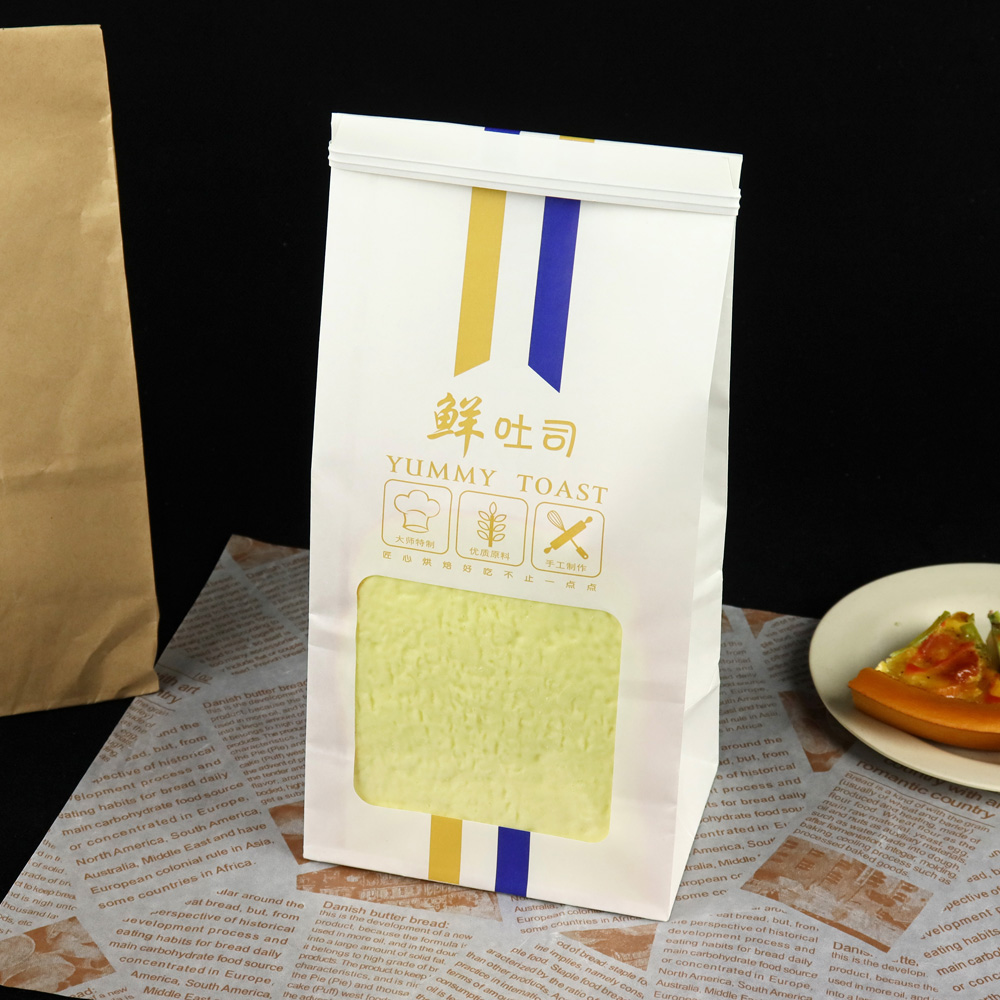
Selecting the right biodegradable bags can be challenging, given the variety of options available. Here are some practical tips to help you make an informed decision:
Check for Certifications
Look for labels like ASTM D6400, EN 13432, or TUV Austria OK Compost. These certifications ensure the bags meet strict biodegradability and compostability standards.
Consider the Material
Choose bags made from eco-friendly materials like PLA, PBAT, or PHA. These materials break down more effectively and have a lower environmental impact compared to traditional plastics.
Evaluate the Purpose
Determine the intended use of the biodegradable bags. For example, lightweight bags are suitable for groceries, while thicker bags are better for heavy-duty tasks.
Compare Costs
While biodegradable bags may cost slightly more than regular plastic, their environmental benefits often justify the investment. Look for bulk purchasing options to save money.
Read Reviews
Check customer reviews and ratings to gauge the quality and performance of the bags. This can help you avoid products that don’t meet expectations.
8. How to Dispose of Biodegradable Bags Properly
Proper disposal is crucial to maximize the environmental benefits of biodegradable bags. Here’s how to do it right:
Industrial Composting
If the bag is certified compostable, dispose of it in an industrial composting facility. These facilities provide the ideal conditions for complete decomposition.
Home Composting
Some biodegradable bags are suitable for home composting. Check the label for certifications like “OK Compost Home” and ensure your compost pile maintains the right temperature and moisture levels.
Recycling Bins
Avoid placing biodegradable bags in recycling bins. They can contaminate the recycling stream and disrupt the processing of traditional plastics.
Landfill Disposal
While biodegradable bags can decompose in landfills, the process is slower due to lack of oxygen and sunlight. Use this option only if no other disposal methods are available.
| Disposal Method | Suitable For | Decomposition Time |
|---|---|---|
| Industrial Composting | Certified compostable bags | 90-180 days |
| Home Composting | Bags with “OK Compost Home” label | 6-12 months |
| Recycling Bins | Not recommended | N/A |
| Landfill Disposal | As a last resort | Years |
9. The Future of Biodegradable Bags and Sustainable Packaging
The demand for biodegradable bags is growing as consumers and businesses prioritize sustainability. Here’s what the future holds:
Innovations in Materials
Researchers are developing new materials, such as algae-based plastics and mycelium packaging, that are even more eco-friendly and efficient than current options.
Increased Regulations
Governments worldwide are implementing stricter regulations on single-use plastics, driving the adoption of biodegradable bags and other sustainable alternatives.
Consumer Awareness
As awareness of environmental issues grows, consumers are actively seeking out biodegradable bags and other eco-friendly products. This shift is encouraging brands to adopt greener practices.
Circular Economy
The future of packaging lies in the circular economy, where materials are reused, recycled, or composted rather than discarded. Biodegradable bags play a key role in this model.
By embracing these trends, the packaging industry can reduce its environmental impact and pave the way for a more sustainable future.