
Plastic storage containers are a staple in most households, providing a convenient way to store food, organize belongings, and keep spaces tidy. However, these containers can quickly become stained, smelly, and less effective if not properly maintained. Ensuring the longevity of your plastic containers requires regular cleaning and smart maintenance practices. At Reliancepak, we understand the importance of durable and hygienic storage solutions, and we’re here to provide you with a comprehensive guide on how to keep your plastic containers in top condition.
Why is Maintaining and Cleaning Plastic Containers Important?
Proper maintenance and cleaning of your plastic containers are crucial for several reasons:
- Extending Lifespan1: Regular cleaning prevents the buildup of food residue and grime, which can degrade the plastic over time, causing it to become brittle or cracked.
- Preventing Stains2: Certain foods, like tomato sauce or berries, can stain plastic containers, making them look unsightly even after washing. Regular cleaning minimizes the chance of permanent staining.
- Eliminating Odors: Food odors can linger in plastic containers, even after washing. Proper cleaning techniques help eliminate these odors, ensuring your containers remain fresh.
- Maintaining Hygiene3: Plastic containers can harbor bacteria and mold if not cleaned properly, posing a health risk. Regular cleaning ensures your containers are safe for storing food.
- Cost-Effectiveness: By maintaining your plastic containers, you extend their lifespan, reducing the need to replace them frequently, which saves you money in the long run.
What are Common Stains and Odors Found in Plastic Containers?
Identifying the types of stains and odors you’re dealing with is the first step to effective cleaning. Common culprits include:
- Food Residue: Dried or hardened food particles can be difficult to remove.
- Grease and Oil: Oily foods can leave a greasy film that attracts dirt and bacteria.
- Tomato-Based Sauces: These sauces are notorious for staining plastic containers.
- Berry Stains: Berries, especially dark ones like blueberries and blackberries, can leave stubborn stains.
- Spice and Curry Stains: Spices like turmeric and curry can cause yellow or orange stains.
- Mold and Mildew: Damp conditions can lead to mold and mildew growth.
- Onion and Garlic Odors: These foods can leave strong, lingering odors.
How to Clean Plastic Containers: A Step-by-Step Guide
Here’s a general guide on how to clean plastic containers effectively:
- Empty and Rinse: Empty the container completely and rinse it with warm water to remove any loose food particles.
- Wash with Soap and Water: Wash the container with warm, soapy water. Use a mild dish soap and a non-abrasive sponge or cloth.
- Scrub Stubborn Areas: For stubborn areas, use a scrub brush or a paste of baking soda and water.
- Rinse Thoroughly: Rinse the container thoroughly with clean water to remove all soap residue.
- Dry Completely: Allow the container to air dry completely or dry it with a clean towel. Ensure the container is completely dry before storing to prevent mold growth.
How to Remove Specific Stains from Plastic Containers?
How to Remove Tomato Sauce Stains?
Tomato sauce stains are a common problem. Here’s how to tackle them:
- Baking Soda Paste: Mix baking soda with a small amount of water to form a paste. Apply the paste to the stain and let it sit for 30 minutes before scrubbing and rinsing.
- Vinegar Soak: Soak the container in a solution of equal parts white vinegar and water for several hours.
- Sunlight: Place the stained container in direct sunlight for several hours after washing. The sun’s UV rays can help fade the stain.
How to Remove Berry Stains?
Berry stains can be particularly stubborn, but these methods can help:
- Lemon Juice: Rub lemon juice on the stain and let it sit for several hours in the sun. The citric acid in lemon juice can help break down the stain.
- Baking Soda and Vinegar: Create a paste of baking soda and vinegar and apply it to the stain. Let it fizz for a few minutes before scrubbing and rinsing.
- Bleach Solution (Use with Caution): For severe stains, soak the container in a diluted bleach solution (1 tablespoon of bleach per gallon of water). Rinse thoroughly and ensure the container is completely dry before storing. Always use bleach with caution and in a well-ventilated area.
How to Remove Grease and Oil?
Grease and oil require a different approach:
- Hot, Soapy Water: Wash the container with very hot, soapy water. The hotter the water, the better it will dissolve the grease.
- Dish Soap with Degreaser: Use a dish soap specifically formulated to cut through grease.
- Baking Soda: Sprinkle baking soda on the greasy areas and scrub with a sponge. Baking soda acts as a mild abrasive.
How to Remove Spice and Curry Stains?
Spice and curry stains often require more intensive cleaning:
- Baking Soda and Vinegar: Make a paste of baking soda and vinegar, apply it to the stain, and let it sit for an hour before scrubbing.
- Hydrogen Peroxide: Apply hydrogen peroxide to the stain and let it sit for 30 minutes before rinsing.
- Commercial Stain Remover: Use a commercial stain remover specifically designed for plastic containers. Follow the product instructions carefully.
How to Remove Mold and Mildew?
Mold and mildew are a health hazard and require prompt action:
- Bleach Solution: Soak the container in a solution of 1 part bleach to 10 parts water for at least 30 minutes. Rinse thoroughly and ensure the container is completely dry. Always use bleach with caution and in a well-ventilated area.
- Vinegar: Vinegar is a natural antifungal agent. Spray the affected areas with vinegar and let it sit for an hour before rinsing.
- Baking Soda Paste: Make a paste of baking soda and water and apply it to the moldy areas. Scrub gently and rinse thoroughly.
How to Eliminate Odors from Plastic Containers?
Lingering odors can be just as bothersome as stains. Here’s how to eliminate them:
- Baking Soda: Place an open box or container of baking soda inside the plastic container and seal it. Let it sit for several days to absorb odors.
- Vinegar Soak: Soak the container in a solution of equal parts white vinegar and water for several hours or overnight.
- Coffee Grounds: Place dry, unused coffee grounds inside the container and seal it. Let it sit for several days to absorb odors.
- Sunlight: Place the container in direct sunlight for several hours. The sun’s UV rays can help neutralize odors.
- Activated Charcoal: Place a small bag of activated charcoal inside the container and seal it. Activated charcoal is highly effective at absorbing odors.
Preventing Stains and Odors in Plastic Containers: Best Practices
Prevention is always better than cure. Here are some tips to prevent stains and odors in your plastic containers:
- Use Liners: Line your containers with parchment paper or plastic wrap when storing stain-prone foods.
- Store Food Properly: Allow food to cool completely before storing it in plastic containers. Hot food can cause condensation, which can lead to mold growth and lingering odors.
- Wash Immediately: Wash your plastic containers as soon as possible after use to prevent food residue from drying and hardening.
- Avoid Storing Strong-Smelling Foods: Store strong-smelling foods like onions and garlic in glass or stainless steel containers instead of plastic containers.
- Air Out Containers: After washing, leave your plastic containers open to air out completely before storing them. This helps prevent moisture buildup and odors.
Advanced Cleaning Techniques for Plastic Containers
Freezing for Odor Removal
An unusual but effective technique is freezing:
- Wash the plastic container thoroughly.
- Place the empty, clean container in the freezer for several days.
- Remove and thaw. The freezing process can sometimes help neutralize stubborn odors.
Newspaper for Odor Absorption
Newspaper can also help absorb odors:
- Crumple newspaper and place it inside the plastic container.
- Seal the container and let it sit for several days.
- Remove the newspaper and wash the container thoroughly.
Choosing the Right Plastic Containers: The Reliancepak Difference
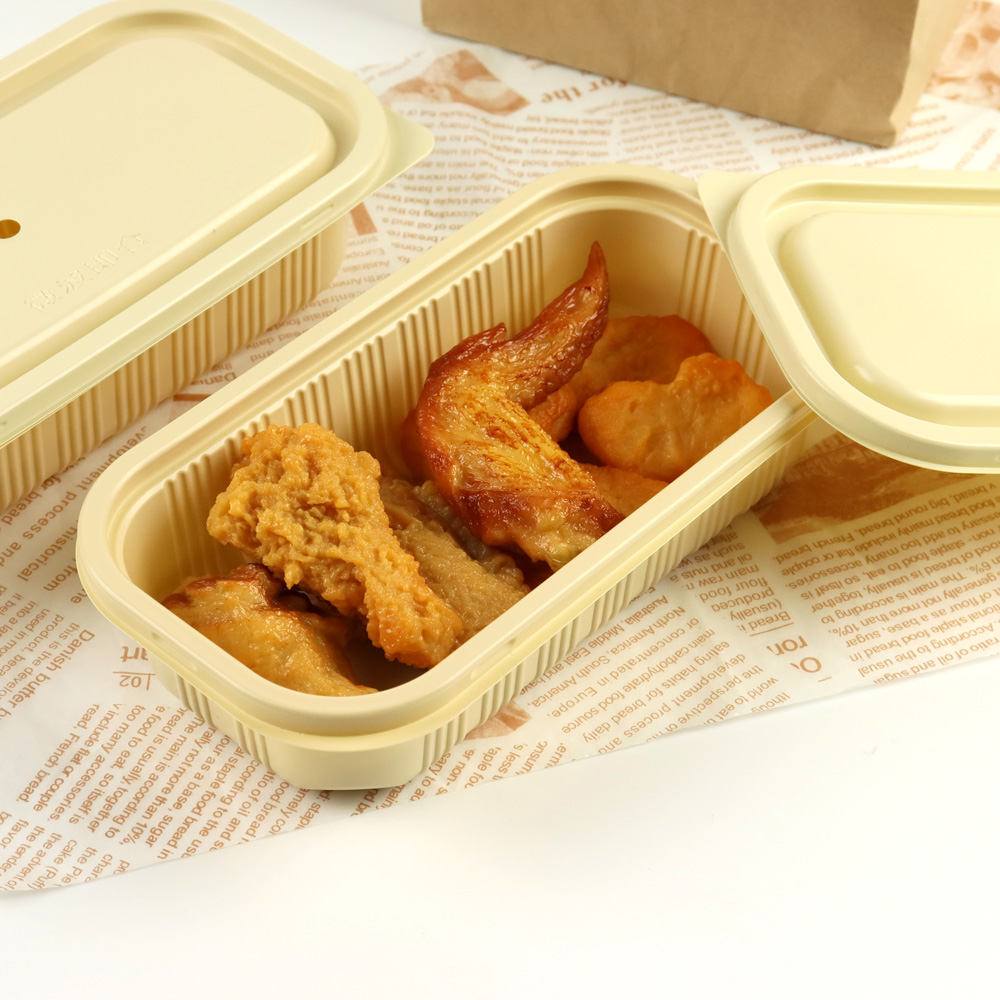
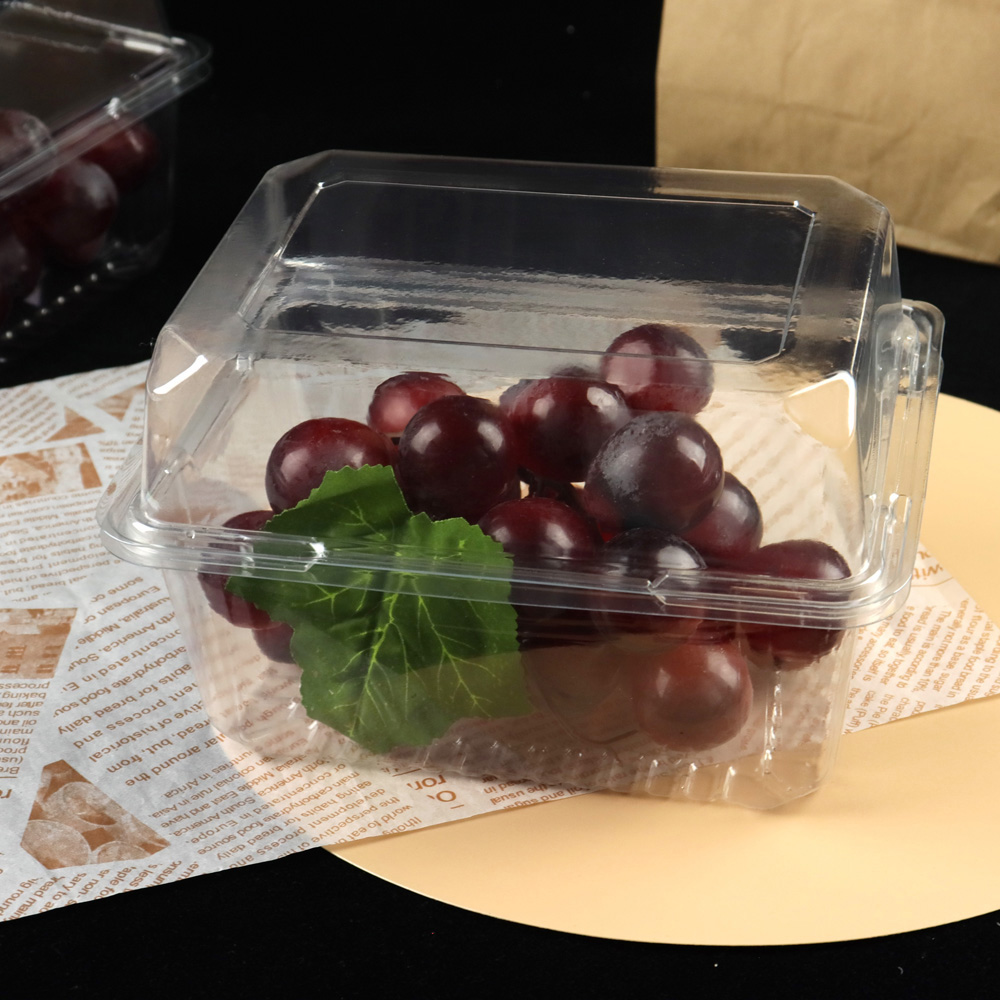
At Reliancepak, we understand the importance of quality and durability. Our plastic containers are designed to be easy to clean, stain-resistant, and long-lasting, making maintenance a breeze. Here’s what sets Reliancepak apart:
- High-Quality Materials: We use food-grade, BPA-free plastics that are safe for storing food and resistant to staining and odors.
- Durable Construction: Our containers are designed to withstand daily use and are resistant to cracking and breaking.
- Easy-to-Clean Designs: Our containers have smooth surfaces and rounded corners, making them easy to clean and preventing the buildup of food residue.
Here’s a comparison table showcasing the benefits of Reliancepak plastic containers:
| Feature | Reliancepak Containers | Standard Plastic Containers |
|---|---|---|
| Material | BPA-Free, Food-Grade | Often Contains BPA |
| Stain Resistance | High | Medium |
| Odor Resistance | High | Medium |
| Durability | Excellent | Good |
| Ease of Cleaning | Excellent | Good |
| Microwave Safe | Yes (Check Label) | Varies |
| Freezer Safe | Yes | Varies |
Additional Tips for Maintaining Plastic Containers
- Avoid Abrasive Cleaners: Abrasive cleaners can scratch the surface of plastic containers, making them more prone to staining and odor absorption.
- Check for Cracks Regularly: Regularly inspect your plastic containers for cracks or damage. Discard any damaged containers to prevent leaks and bacterial growth.
- Proper Storage: Store your plastic containers in a cool, dry place away from direct sunlight to prevent warping and discoloration.
- Avoid Over-Stacking: Avoid over-stacking plastic containers, as this can cause them to crack or warp.
- Microwave-Safe Guidelines: Only use microwave-safe plastic containers for heating food. Follow the manufacturer’s instructions carefully to avoid melting or warping the plastic.
Frequently Asked Questions (FAQs) About Plastic Container Maintenance
Q: Can I put my plastic containers in the dishwasher?
A: Many plastic containers are dishwasher safe, but it’s essential to check the manufacturer’s instructions. Place containers on the top rack to avoid excessive heat exposure.
Q: How often should I clean my plastic containers?
A: Ideally, you should clean your plastic containers after each use to prevent stains and odors from setting in.
Q: Are all plastic containers created equal?
A: No, the quality of plastic containers varies significantly. Investing in high-quality plastic containers from brands like Reliancepak ensures durability and ease of maintenance.
Q: What is the best way to store plastic containers to save space?
A: Nesting containers is the most efficient way to save space. Store lids separately in a designated container or organizer.
Q: How can I tell if a plastic container is no longer safe to use?
A: Discard plastic containers that are cracked, warped, stained, or have a lingering odor, as these are signs that the plastic has degraded and may harbor bacteria.
Conclusion
Maintaining and cleaning your plastic containers doesn’t have to be a chore. By following these tips and techniques, you can extend the life of your containers, prevent stains and odors, and ensure they remain safe and hygienic for storing food and other items. Remember, investing in high-quality plastic containers from Reliancepak can make maintenance even easier, thanks to our durable, stain-resistant designs. Keep your plastic containers clean and well-maintained, and they’ll continue to serve you well for years to come.
- Explore this resource to learn effective methods for prolonging the life of your plastic containers, saving you money and reducing waste. ↩︎
- Discover tips and tricks to keep your plastic containers stain-free, ensuring they look new and appealing for longer. ↩︎
- Learn essential cleaning techniques to keep your plastic containers hygienic and safe for food storage, protecting your health. ↩︎