
For food service businesses, distributors, and retailers, extending product shelf life is directly connected to profitability. Every day of additional freshness means reduced waste, improved customer satisfaction, and potentially expanded distribution reach. While many factors affect food preservation, packaging selection—particularly plastic clamshell containers—plays a critical role that’s often underestimated.
At Reliancepak, we’ve helped thousands of food businesses optimize their packaging for maximum shelf life. This practical guide explores how to select and implement the right plastic clamshell packaging to keep your products fresher longer, reduce waste1, and improve your bottom line.
Understanding Shelf Life Fundamentals
Before diving into specific packaging solutions, it’s essential to understand what drives food deterioration and how packaging can address these factors.
Defining Shelf Life in Commercial Food Context
In the food industry, shelf life encompasses two distinct but related concepts:
- Safety shelf life: The period during which a food product remains safe to consume without risk of foodborne illness
- Quality shelf life: The period during which a food product maintains acceptable sensory qualities (appearance, texture, flavor, aroma)
For most food service operations, quality shelf life is the primary limiting factor, as safety protocols typically ensure products are sold or used well before safety becomes a concern.
Primary Factors Affecting Food Deterioration
Four main factors drive food deterioration, all of which can be influenced by packaging selection:
- Oxygen exposure: Causes oxidation, which leads to color changes, rancidity in fats, nutrient degradation, and supports microbial growth
- Moisture migration: Can cause sogginess, drying out, texture changes, and accelerated microbial growth
- Light exposure: Triggers oxidation, color changes, off-flavors, and nutrient degradation
- Microbial growth: Results in spoilage, potential safety issues, and quality degradation
Economic Impact of Shelf Life Extension
Even modest shelf life improvements can significantly impact your business:
- Reduced shrink: Every 1% reduction in food waste typically translates to a 0.5-0.8% increase in net profit margins
- Extended distribution range: Each additional day of shelf life can expand your potential distribution radius by approximately 100-150 miles
- Improved inventory management: Longer shelf life allows for more efficient production scheduling and inventory holding
- Enhanced customer satisfaction: Fresher products at time of consumption lead to better experiences and repeat business
| Food Category | Typical Shelf Life Without Optimized Packaging | Potential Extension with Optimized Packaging | Primary Limiting Factors |
|---|---|---|---|
| Fresh-cut produce | 3-5 days | 5-7 days | Respiration, moisture loss |
| Prepared salads | 3-4 days | 5-7 days | Microbial growth, moisture migration |
| Sandwiches | 1-2 days | 3-4 days | Moisture migration, microbial growth |
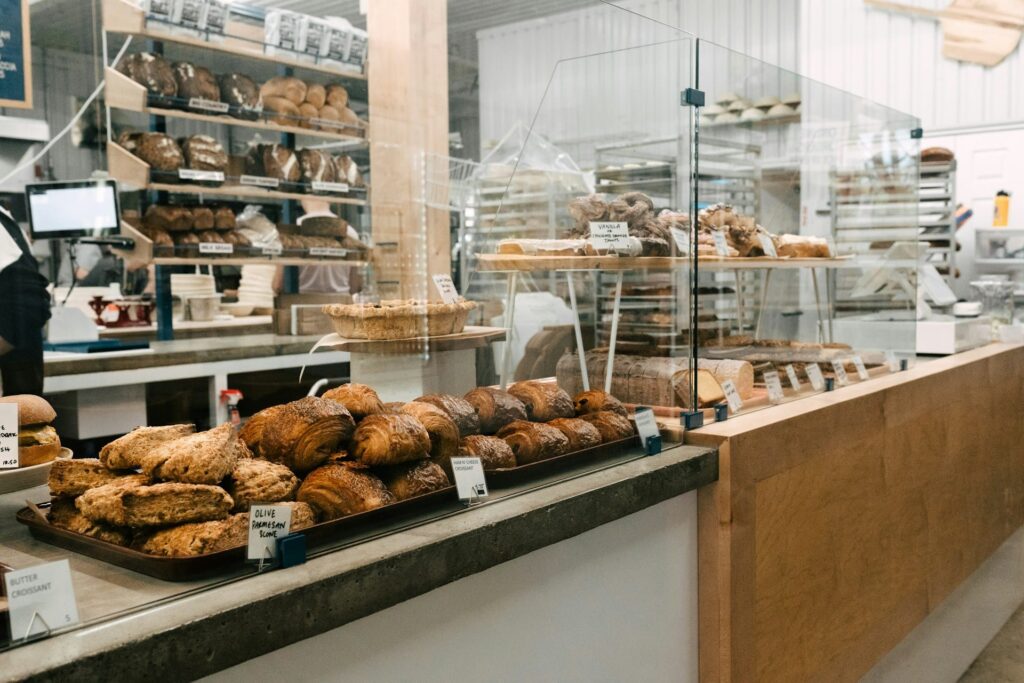
| Bakery items | 2-4 days | 4-7 days | Moisture migration, staling |
| Prepared meals | 3-5 days | 5-8 days | Microbial growth, oxidation |
| Deli meats/cheese | 5-7 days | 7-14 days | Oxidation, microbial growth |
The above data is for reference only
Key Packaging Properties That Affect Shelf Life
The right plastic clamshell container can significantly impact shelf life through several critical properties.
Oxygen Barrier Properties
Oxygen is often the primary culprit in food deterioration:
- Standard PET clamshells provide moderate oxygen barrier properties, sufficient for most short-term refrigerated applications
- High-barrier PET with oxygen-scavenging additives can reduce oxygen transmission by up to 90%
- Polypropylene (PP) offers lower oxygen barrier properties than PET but may be sufficient for less sensitive products
- Barrier films and coatings can be applied to standard clamshells to enhance oxygen protection
For oxygen-sensitive products like fresh meats, prepared salads with dressings, or foods with high fat content, selecting containers with enhanced oxygen barrier properties can significantly extend quality shelf life.
Moisture Transmission Rates
Controlling moisture is critical for maintaining food texture and quality:
- Water vapor transmission rate (WVTR) measures how much moisture passes through packaging material
- PET clamshells typically offer better moisture barriers than PP alternatives
- Venting options can be strategically incorporated to release excess moisture from respiring produce
- Anti-fog treatments prevent condensation that can accelerate spoilage and affect visual appeal
Different foods have opposite moisture requirements—fresh produce often needs controlled respiration, while bakery items need protection from humidity. Selecting the appropriate moisture barrier characteristics for your specific product is essential.
Light Protection Capabilities
Light exposure, particularly UV light, can trigger oxidation and quality degradation:
- Clear clamshells maximize product visibility but offer minimal light protection
- Tinted materials (amber, green, or blue) can block harmful UV wavelengths while maintaining visibility
- UV inhibitors can be incorporated into clear packaging to provide protection without affecting visibility
- Printed designs on packaging can strategically block light from sensitive components
For light-sensitive products like fresh juices, colored berries, or high-fat items, incorporating some level of light protection can significantly extend quality shelf life.
Physical Protection Factors
Physical damage accelerates deterioration by breaking cell structures and creating entry points for microbes:
- Container rigidity prevents crushing and compression damage
- Impact resistance protects against handling and transportation stresses
- Puncture resistance maintains package integrity
- Proper sizing minimizes product movement within the container
Ensuring adequate physical protection throughout the distribution chain prevents premature deterioration and maintains both safety and quality shelf life.
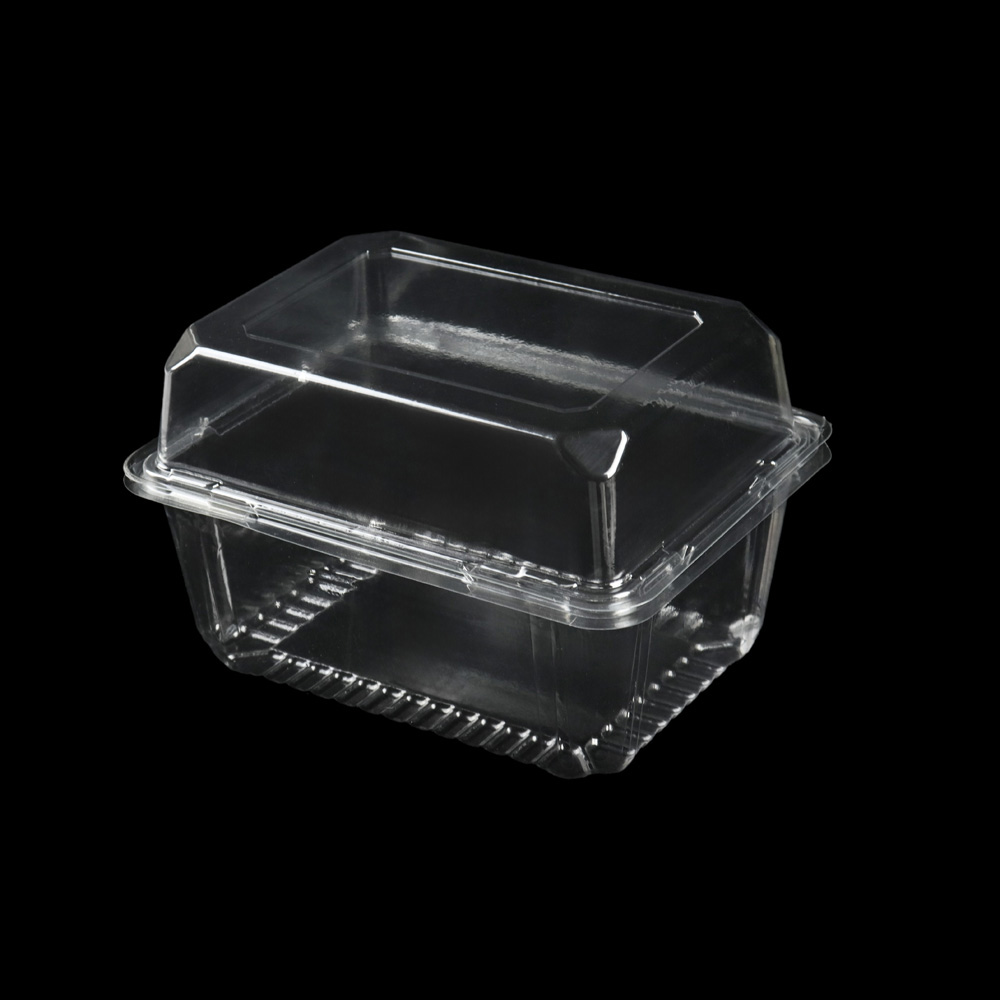
Selecting the Optimal Clamshell Material for Different Food Types
Different food categories have unique preservation requirements that influence material selection.
PET Advantages for Certain Food Categories
Polyethylene terephthalate (PET) clamshells excel for:
- Fresh-cut fruits and vegetables: PET’s excellent clarity showcases freshness while its good oxygen and moisture barriers extend shelf life
- Premium prepared salads: The superior presentation and good barrier properties justify the slightly higher cost
- Deli meats and cheeses: PET’s oxygen barrier helps prevent oxidation and discoloration
- Visually appealing desserts: Maximum clarity enhances merchandising of colorful, premium items
PET’s primary limitations include lower heat resistance and slightly higher cost compared to alternatives like PP.
PP Benefits for Specific Applications
Polypropylene (PP) clamshells are ideal for:
- Hot foods and prepared meals: Superior heat resistance allows for hot filling and microwave reheating
- Frozen products: Maintains flexibility and impact resistance at freezing temperatures
- Oily or acidic foods: Excellent chemical resistance prevents degradation from food interactions
- Cost-sensitive applications: Generally lower cost than PET while maintaining good performance
PP’s main limitations include less clarity than PET and slightly lower oxygen barrier properties.
Specialized Barrier Materials for Challenging Products
For foods with extreme shelf life challenges:
- Multi-layer structures combine the benefits of different materials
- Barrier coatings can enhance standard materials for specific applications
- Active packaging technologies incorporate oxygen scavengers, moisture controllers, or antimicrobial agents
- Modified atmosphere compatibility allows for gas flushing to create optimal internal environments
These specialized solutions typically come at a premium cost but can deliver significant shelf life extensions that justify the investment for high-value or highly perishable products.
Design Features That Enhance Preservation
Beyond material selection, specific design elements can significantly impact shelf life performance.
Closure Systems and Hermetic Sealing Options
The effectiveness of the container seal dramatically affects shelf life:
- Snap-fit closures provide convenience but limited hermetic properties
- Heat-sealed flanges create true hermetic seals but require specialized equipment
- Tamper-evident seals can enhance both security and preservation
- Resealable options balance convenience with reasonable protection after opening
For maximum shelf life, particularly for moisture-sensitive or easily oxidized products, more secure sealing systems deliver measurable benefits.
Compartmentalization to Prevent Cross-Contamination
Separating components with different preservation needs can extend overall product shelf life:
- Multi-compartment designs keep wet and dry ingredients separate until consumption
- Sauce compartments isolate high-moisture components from those that would become soggy
- Barrier dividers prevent flavor migration between components
- Removable inserts allow for optimal storage of each component
These design features are particularly valuable for meal kits, salads with dressings, and combination products where one component typically limits overall shelf life.
Moisture Control Features
Strategic design elements can help manage moisture:
- Absorbent pads capture excess liquid from fresh meats and produce
- Elevated platforms keep products away from accumulated moisture
- Channeled bottoms direct moisture away from product contact
- Controlled ventilation balances respiration needs with moisture retention
For fresh produce, meats, and prepared foods with sauces, effective moisture management can extend shelf life by several days.

Modified Atmosphere Packaging in Clamshell Containers
Modified Atmosphere Packaging (MAP) technology can dramatically extend shelf life for many food products.
Basic Principles of MAP Technology
MAP works by altering the gaseous environment around the food:
- Oxygen reduction slows oxidation and aerobic microbial growth
- Carbon dioxide increase inhibits microbial growth
- Nitrogen use prevents package collapse and provides cushioning
- Custom gas mixtures are tailored to specific food requirements
When properly implemented, MAP can extend shelf life by 50-400% depending on the food product.
Compatible Clamshell Designs for Gas Flushing
Not all clamshell designs work effectively with MAP:
- High-barrier materials are essential to maintain the modified atmosphere
- Hermetic seals prevent gas exchange with the external environment
- Headspace optimization ensures adequate gas volume for effectiveness
- Gas introduction channels facilitate efficient flushing during packaging
Reliancepak offers specialized MAP-compatible clamshell designs that maintain gas mixtures while providing the convenience and presentation benefits of traditional clamshells.
Optimal Gas Mixtures for Different Food Categories
Different foods require specific atmospheric compositions:
| Food Category | Typical Oxygen Level | Typical CO₂ Level | Typical Nitrogen Level | Shelf Life Extension |
|---|---|---|---|---|
| Fresh-cut produce | 3-5% | 5-10% | 85-92% | 50-100% |
| Red meats | 0-0.5% | 20-30% | 70-80% | 50-200% |
| Poultry | 0-0.5% | 20-30% | 70-80% | 50-200% |
| Fish/seafood | 0-0.5% | 40-60% | 40-60% | 50-100% |
| Bakery products | 0-0.5% | 50-70% | 30-50% | 100-400% |
| Prepared meals | 0-0.5% | 30-50% | 50-70% | 50-100% |
The above data is for reference only
Cost-Benefit Analysis of MAP Implementation
While MAP technology requires investment, the returns can be substantial:
- Equipment costs: Initial investment in gas-flushing equipment ranges from $10,000 for manual systems to $100,000+ for automated lines
- Operational costs: Gas mixtures, specialized packaging, and potential reduction in line speed add 3-8 cents per package
- Benefits: Extended shelf life, reduced returns, expanded distribution, and premium positioning typically deliver ROI within 6-18 months for medium-volume operations
For businesses struggling with short shelf life or seeking to expand distribution range, MAP technology often provides compelling returns despite the initial investment.
Temperature Management Throughout Distribution
Even the best packaging cannot compensate for improper temperature control, making this a critical complementary factor in shelf life extension.
Packaging Design for Temperature Stability
Certain packaging features can help maintain appropriate temperatures:
- Insulative properties of different plastic materials affect temperature stability
- Air space design within packaging can provide additional insulation
- Surface area to volume ratio influences how quickly products warm or cool
- Stackability features affect airflow and temperature maintenance in cases
While primary refrigeration is essential, packaging design can help maintain temperature stability during brief exposures to suboptimal conditions, such as during loading, unloading, or display restocking.
Preventing Condensation and Moisture Migration
Temperature fluctuations often create condensation issues:
- Anti-fog treatments prevent visibility-obscuring droplets
- Moisture absorbers can be incorporated for sensitive products
- Ventilation design can help manage condensation without compromising protection
- Material selection affects condensation formation tendencies
Controlling condensation not only maintains product visibility but also prevents accelerated microbial growth that occurs in accumulated moisture.
Testing and Validation Protocols
Implementing effective shelf life extension strategies requires systematic testing and validation.
Shelf Life Testing Methodologies
Reliable testing approaches include:
- Real-time shelf life studies under actual storage and distribution conditions
- Accelerated shelf life testing using elevated temperatures to predict long-term performance
- Challenge studies that intentionally introduce spoilage organisms to assess preservation effectiveness
- Consumer acceptance testing to determine quality thresholds
Comprehensive testing should evaluate both safety parameters (microbial counts, pathogen absence) and quality factors (appearance, texture, flavor, aroma).
Accelerated Testing Approaches
When time constraints prevent full-duration testing:
- Q10 methodology uses the principle that reaction rates approximately double with each 10°C increase in temperature
- ASLT (Accelerated Shelf Life Testing) protocols provide standardized approaches for different food categories
- Predictive modeling uses established algorithms to estimate shelf life based on key parameters
- Comparative analysis against known standards can provide quick estimates
While accelerated methods provide useful estimates, they should be validated with real-time testing when possible.
Establishing Appropriate Safety Margins
Conservative shelf life dating protects both consumers and your brand:
- Setting dates at 70-80% of actual end of quality life provides a safety buffer
- Accounting for real-world temperature abuse in distribution and consumer handling
- Considering batch-to-batch variation in product and packaging
- Seasonal adjustments may be necessary for temperature-sensitive products
Reliancepak recommends establishing primary shelf life dates that ensure consistent quality under reasonable conditions, with appropriate safety margins built in.
Implementation Strategies for Food Service Businesses
Implementing optimized packaging for shelf life extension requires a systematic approach.
Phased Approach to Packaging Optimization
Most successful implementations follow these steps:
- Baseline assessment: Document current shelf life performance and limitations
- Priority identification: Target products with the highest potential return from shelf life extension
- Small-scale testing: Evaluate alternative packaging options before full implementation
- Phased rollout: Implement changes gradually to manage operational adjustments
- Continuous monitoring: Track performance and make refinements as needed
This measured approach minimizes disruption while maximizing the likelihood of successful implementation.
Staff Training for Proper Handling and Storage
Packaging benefits can be undermined by improper handling:
- Proper closure techniques ensure packaging functions as designed
- Temperature maintenance procedures throughout preparation and storage
- Rotation protocols based on established shelf life
- Visual inspection guidelines for quality monitoring
- Proper storage orientation to prevent crushing or leakage
Comprehensive staff training ensures that packaging benefits are fully realized in practice.
Cost Justification and ROI Calculation Methods
Building the business case for packaging optimization:
- Waste reduction calculations: Quantify current shrink and projected improvements
- Labor efficiency impacts: Consider preparation scheduling improvements with longer shelf life
- Distribution expansion potential: Calculate new market opportunities from extended reach
- Premium positioning possibilities: Assess potential for price increases based on freshness guarantees
- Total cost of ownership analysis: Look beyond unit packaging cost to system-wide impacts
For most operations, packaging optimization delivers ROI through multiple benefit streams that collectively outweigh the potential increase in packaging costs.
Conclusion
Maximizing shelf life through optimized plastic clamshell packaging represents one of the most accessible opportunities for food service businesses to improve profitability, expand market reach, and enhance customer satisfaction. By understanding the fundamental preservation factors, selecting appropriate materials and designs, and implementing systematic testing and validation, businesses can achieve significant shelf life extensions without reformulating products or adding preservatives.
The most successful approaches combine material selection, design optimization, and operational best practices into a comprehensive shelf life management system2. While no single packaging solution works for all products, the principles outlined in this guide provide a framework for making informed decisions based on your specific products and business requirements.
Reliancepak offers consultation services to help food businesses identify the optimal packaging solutions for their specific shelf life challenges. Our technical team can assist with material selection, design optimization, and testing protocols tailored to your unique products and distribution requirements.
Remember that packaging is just one component of an effective shelf life extension strategy. Temperature control, handling procedures, and product formulation also play critical roles in maximizing freshness and quality. A holistic approach that addresses all these factors will yield the best results for your business and your customers.