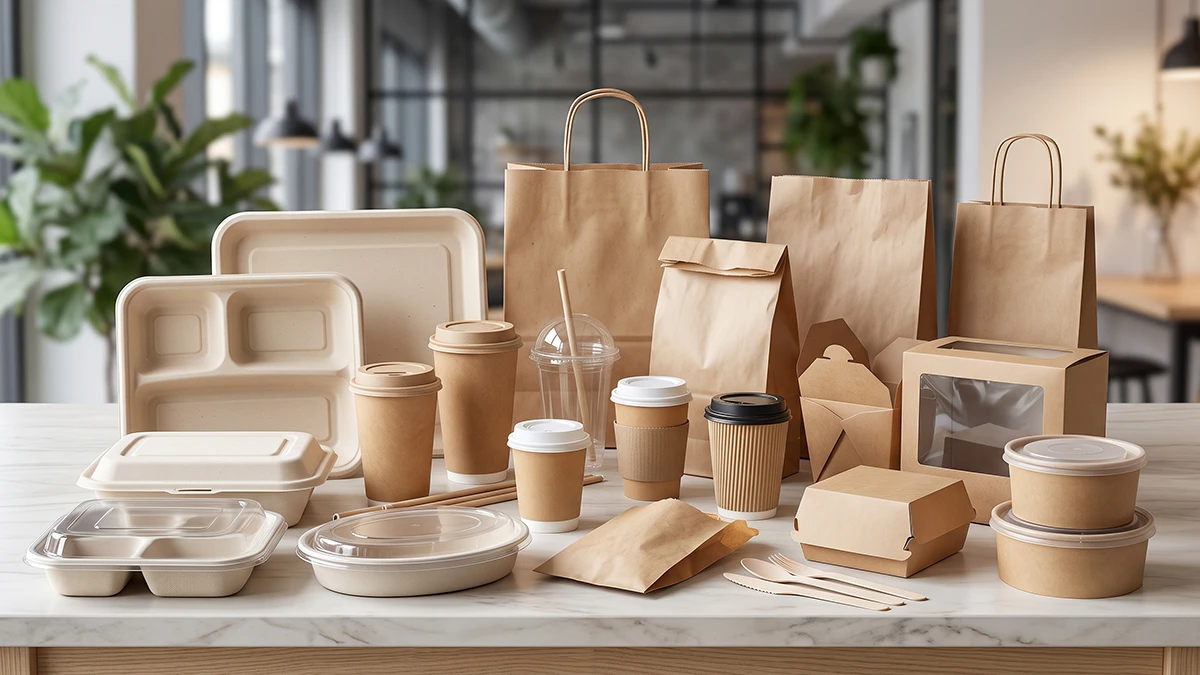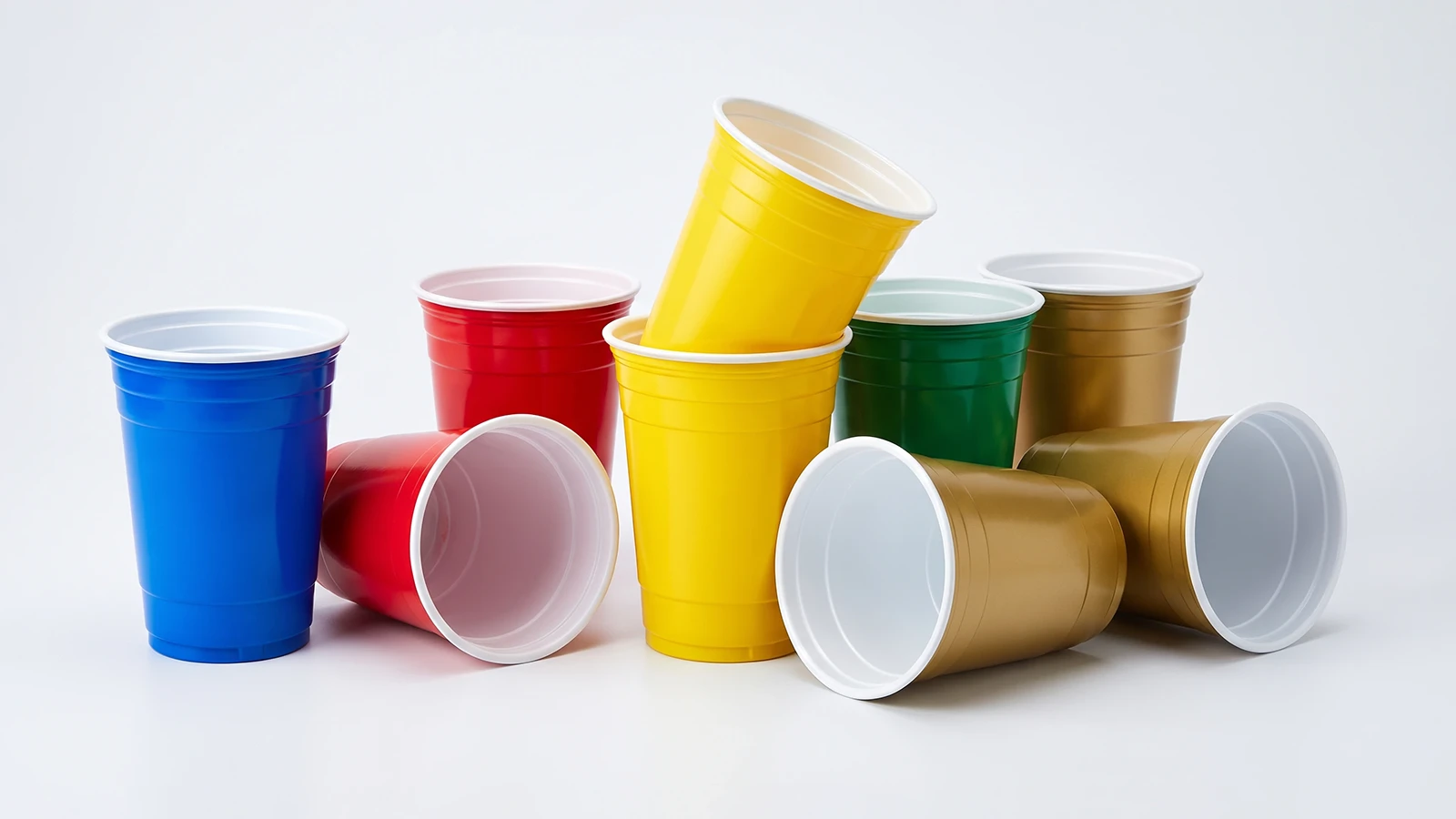
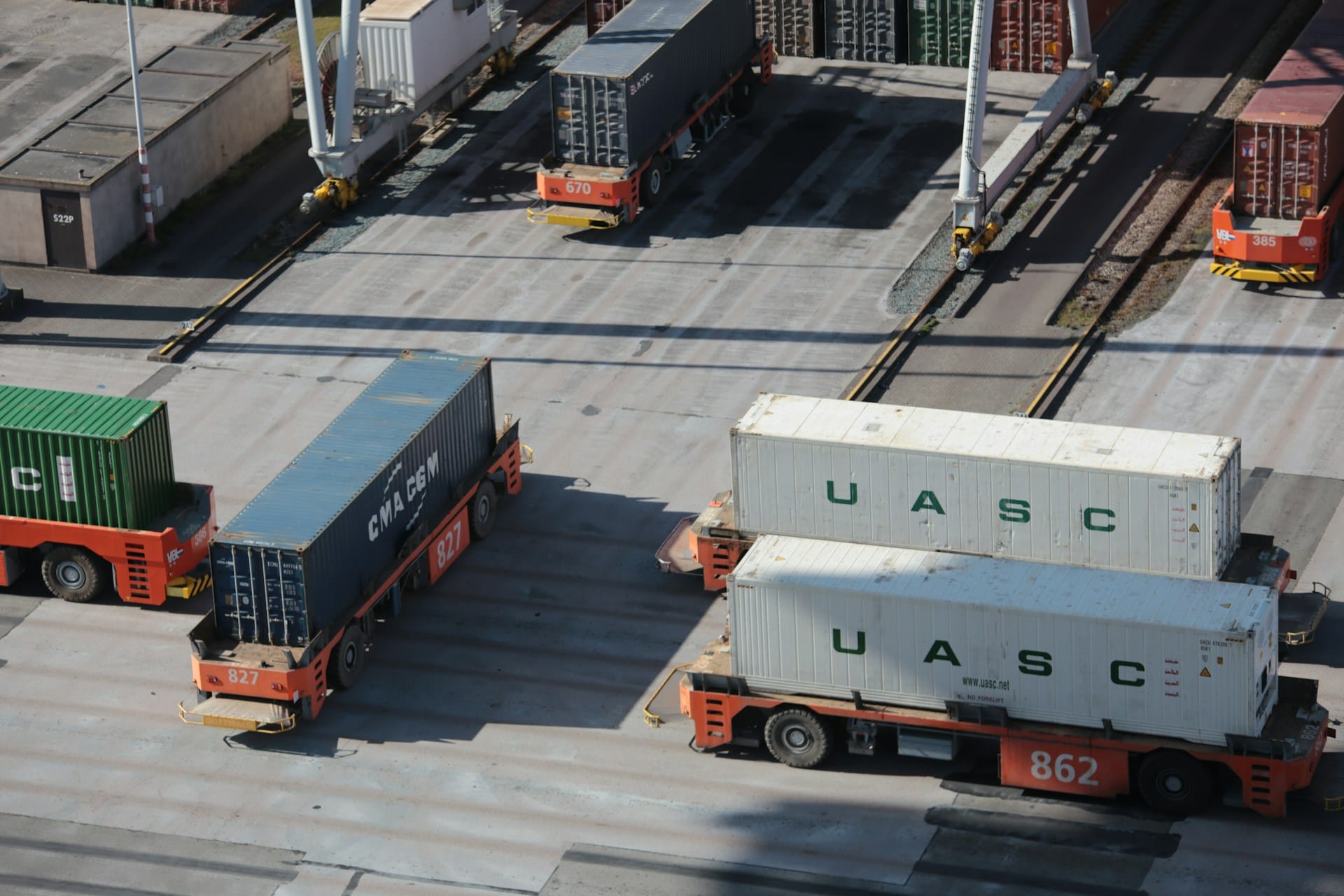
As a procurement manager for catering or supermarkets, you oversee thousands of bulk disposable food containers daily. These containers, used for takeout, meal prep, deli displays, or catering, are critical to your operations. However, improper storage or transport can lead to contamination, damage, or regulatory violations, jeopardizing customer safety and your brand’s reputation. With 600 million annual foodborne illness cases globally (WHO), safe handling is non-negotiable. This comprehensive guide answers key questions about storing and transporting bulk disposable food containers safely, offering practical strategies tailored for B2B buyers. We’ll also highlight how Reliancepak’s durable, food-safe containers and services streamline your processes. Let’s dive into ensuring your containers remain safe, compliant, and ready for use!
Why Is Safe Storage Essential for Bulk Disposable Food Containers?
Safe storage of bulk disposable food containers is critical to maintaining product quality, ensuring food safety, and protecting your business from costly risks. Proper practices save money and build trust with customers.
What Risks Come with Poor Storage?
Poor storage practices can lead to serious issues that disrupt operations:
- Contamination: Dust, pests, or moisture can contaminate containers, making them unsafe for food contact. The FDA identifies improper storage as a top cause of foodborne illness outbreaks, which can harm customers and trigger lawsuits.
- Physical Damage: Overstacking or careless handling can cause cracks, dents, or warping, rendering containers unusable and increasing waste costs.
- Regulatory Non-Compliance: Failing to meet FDA or EU food safety standards can result in fines, product recalls, or even business closure.
These risks inflate expenses, disrupt supply chains, and damage your reputation. Proactive storage measures eliminate these threats, ensuring your containers remain safe and functional.
How Does Safe Storage Benefit Your Business?
Effective storage delivers measurable advantages:
- Cost Savings: Reducing damage and contamination lowers replacement costs and waste, improving your bottom line.
- Regulatory Compliance: Adhering to safety standards avoids penalties and maintains operational licenses.
- Customer Confidence: Safe, clean containers signal quality, fostering trust and loyalty among clients.
Reliancepak’s robust containers, designed for easy storage, support these benefits. Their food-grade materials and stackable designs help you maintain a compliant, efficient warehouse, minimizing risks and maximizing value.
What Are the Best Conditions for Storing Bulk Disposable Food Containers?
Maintaining optimal storage conditions ensures bulk disposable food containers stay intact, safe, and ready for use in catering or supermarket settings.
Which Environmental Factors Should You Control?
Key factors to monitor include:
- Temperature: Store containers at 50–77°F (10–25°C) to prevent warping in plastics or brittleness in cold conditions. Extreme heat can also weaken paper-based containers.
- Humidity: Keep relative humidity below 60% to avoid moisture buildup, which can cause mold or degrade cardboard containers.
- Light Exposure: Shield containers from direct sunlight to prevent UV degradation, especially for PET plastics, which can become brittle over time.
Elevated shelving keeps containers off the floor, reducing pest and dust risks. Reliancepak’s containers are engineered to withstand these conditions, with durable materials that maintain integrity in varied environments, ensuring long-term usability.
How Can You Prevent Contamination?
Contamination prevention requires proactive measures:
- Sanitized Storage Areas: Store containers in clean zones, far from chemicals, food waste, or unsanitary surfaces.
- Pest Control: Install traps, seal entry points, and conduct regular inspections to block rodents and insects, which can carry pathogens.
- Ventilation: Ensure adequate airflow to prevent mold, particularly in humid regions like coastal areas.
Reliancepak’s stackable, sealed container designs minimize exposure to contaminants, simplifying your efforts to maintain a hygienic storage space. Regular cleaning schedules and staff training further enhance safety.
How Can You Organize Bulk Disposable Food Containers Efficiently?
Efficient organization of bulk food containers saves space, reduces retrieval time, and prevents damage, streamlining operations for busy procurement managers.
What Storage Systems Maximize Space?
Effective systems include:
- Adjustable Shelving1: Customizable shelves accommodate various container sizes, optimizing vertical space in warehouses.
- Clear Storage Bins: Transparent bins allow quick identification and protect containers from dust or pests.
- Pallet Racks: Heavy-duty racks support large quantities, keeping pallets organized and accessible.
Reliancepak’s containers are designed for compact stacking, reducing clutter and maximizing storage capacity. These systems ensure your warehouse remains tidy and functional, even during peak demand periods.
How Does Inventory Management Help?
Smart inventory practices boost efficiency:
- Clear Labeling: Tag boxes with details like material (e.g., “PP Clamshells”) or size for fast access.
- First-In, First-Out (FIFO)2: Use older stock first to prevent expiration or degradation, minimizing waste.
- Digital Tools: Inventory software tracks stock levels, sending alerts for reordering to avoid shortages.
These methods keep your supply chain smooth and reduce errors. Reliancepak’s consistent container quality supports reliable inventory planning, ensuring you’re always prepared.
What Are the Key Steps for Safe Transport of Bulk Disposable Food Containers?
Safe transport ensures bulk disposable food containers arrive undamaged and uncontaminated, ready for immediate use in catering or supermarket operations.
How Should You Pack Containers for Transit?
Proper packing minimizes damage:
- Reinforced Pallets: Use sturdy pallets and shrink-wrap to secure containers, preventing shifts during transit.
- Protective Cushioning: Add bubble wrap or foam between fragile containers, like thin plastics or paperboard, to absorb road shocks.
- Even Weight Distribution: Stay within pallet weight limits (typically 2000 lbs) to avoid crushing or toppling.
Reliancepak packages their containers in durable, transport-ready boxes, designed to withstand long-distance shipping. These measures ensure your containers arrive in pristine condition, reducing returns and delays.
What Transport Conditions Should You Monitor?
Monitor these conditions:
- Temperature Stability: Maintain 50–77°F in transport vehicles to prevent heat-related warping or cold-induced cracking.
- Vibration Control: Use shock-absorbing pallets or padded trucks to minimize jolts, especially on rough roads.
- Cleanliness: Ensure trucks are sanitized to avoid cross-contamination with other cargo.
Reliancepak’s containers are built to endure transport stresses, and their packaging supports consistent conditions, ensuring quality upon delivery.
How Do You Ensure Compliance with Food Safety Regulations?
Compliance with food safety regulations protects your business from legal issues and ensures customer safety when using bulk disposable food containers.
What Standards Must Containers Meet?
Key regulations include:
- FDA (U.S.): Containers must be made from food-grade materials with no harmful substances, like BPA-free plastics.
- EU Regulations: Require inert materials and clear labeling for food contact safety.
- Local Laws: Some regions mandate recyclable or biodegradable containers to meet environmental goals.
Reliancepak’s containers are certified to meet FDA and EU standards, providing peace of mind for global operations. Always verify supplier certifications to ensure compliance.
How Can You Avoid Regulatory Penalties?
Prevent issues with:
- Regular Audits: Inspect storage and transport practices to catch gaps early.
- Certified Suppliers: Choose partners like Reliancepak, whose containers pass strict safety tests.
- Staff Training: Educate employees on handling and compliance to maintain standards.
These steps reduce the risk of fines or recalls, keeping your business running smoothly and legally compliant.
Why Does Material Choice Matter for Safety and Sustainability?
The material of your bulk disposable food containers impacts safety, functionality, and your brand’s environmental footprint.
Which Materials Are Safest for Food Contact?
Top choices include:
- Polypropylene (PP): Durable, heat-resistant, and ideal for hot foods like soups or meals.
- Polyethylene Terephthalate (PET): Lightweight, transparent, and recyclable, perfect for cold deli items.
- Paperboard: Food-safe with coatings, biodegradable, and suited for dry goods.
Reliancepak uses these materials, rigorously tested for safety, ensuring no chemical leaching into food. Selecting food-grade materials is critical for customer health and compliance.
Are Eco-Friendly Options a Smart Choice?
Eco-friendly containers offer:
- Environmental Impact: Biodegradable or recyclable materials, like PLA or sugarcane bagasse, reduce landfill waste.
- Customer Appeal: 57% of consumers prefer sustainable brands (IBM, 2021), boosting loyalty.
- Regulatory Alignment: Green options comply with plastic bans in regions like the EU or California.
Reliancepak’s eco-friendly PLA and sugarcane containers balance safety and sustainability, helping you meet market demands while maintaining quality.

How Can Technology Improve Storage and Transport Processes?
Technology streamlines storage and transport, enhancing efficiency and safety for bulk disposable food containers.
What Tools Enhance Inventory Tracking?
Useful tools include:
- Barcode Systems: Scan containers for real-time stock updates, reducing errors.
- Inventory Software: Platforms like NetSuite track levels and predict reorder needs.
- RFID Tags: Monitor container locations in large warehouses, speeding up retrieval.
These tools save time and prevent overstocking. Reliancepak’s consistent container sizes support seamless integration with tracking systems.
How Do Smart Logistics Optimize Transport?
Smart logistics improve delivery:
- GPS Tracking: Monitor trucks to ensure timely, safe arrivals.
- Temperature Sensors: Alert you if conditions stray from 50–77°F, protecting containers.
- Route Optimization: Software like Route4Me cuts fuel costs and delivery times.
Reliancepak leverages these technologies to ensure their containers reach you quickly and intact, minimizing transport risks.
How Does Reliancepak Support Safe Storage and Transport?
Reliancepak is your partner for safe, reliable bulk disposable food containers, tailored to catering and supermarket needs.
What Makes Reliancepak’s Containers Reliable?
Their containers stand out:
- High-Quality Materials: Food-grade PP, PET, and eco-friendly options ensure safety.
- Custom Designs: Add logos or sizes to match your brand’s needs.
- Durability: Built to withstand stacking and transport stresses.
These features make Reliancepak a trusted choice for procurement managers seeking quality and compliance.
How Does Reliancepak Ensure Fast, Safe Delivery?
They deliver efficiently:
- Nine Production Lines: Speed up manufacturing for quick turnaround.
- Global Shipping: Reach markets in the U.S., Malaysia, and beyond.
- Free Samples: Test containers to confirm they meet your standards.
Reliancepak’s logistics ensure your containers arrive safely, supporting your operations without delays.
Comparison of Container Materials
| Material | Durability | Cost per Unit | Eco-Friendliness | Food Safety |
|---|---|---|---|---|
| Polypropylene (PP) | High | $0.10–$0.30 | Recyclable | High |
| PET | Medium | $0.08–$0.25 | Recyclable | High |
| Paperboard | Low | $0.15–$0.35 | Biodegradable | Medium |
| PLA | Medium | $0.20–$0.40 | Compostable | High |
The above data is for reference only.
Ready to improve your storage and transport processes? Contact Reliancepak for a free sample of our bulk disposable food containers. Let us help you keep your operations safe, compliant, and efficient.