
What Are Vacuum-Formed Plastic Trays?
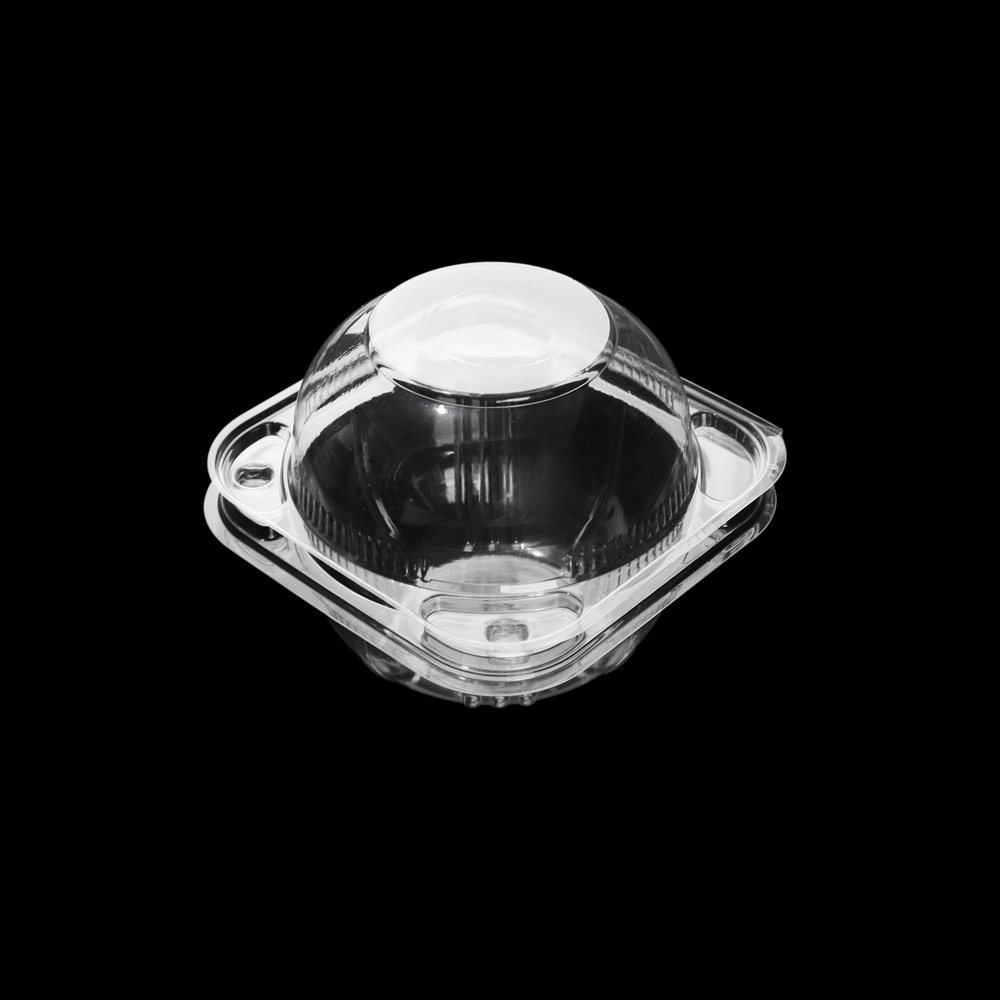
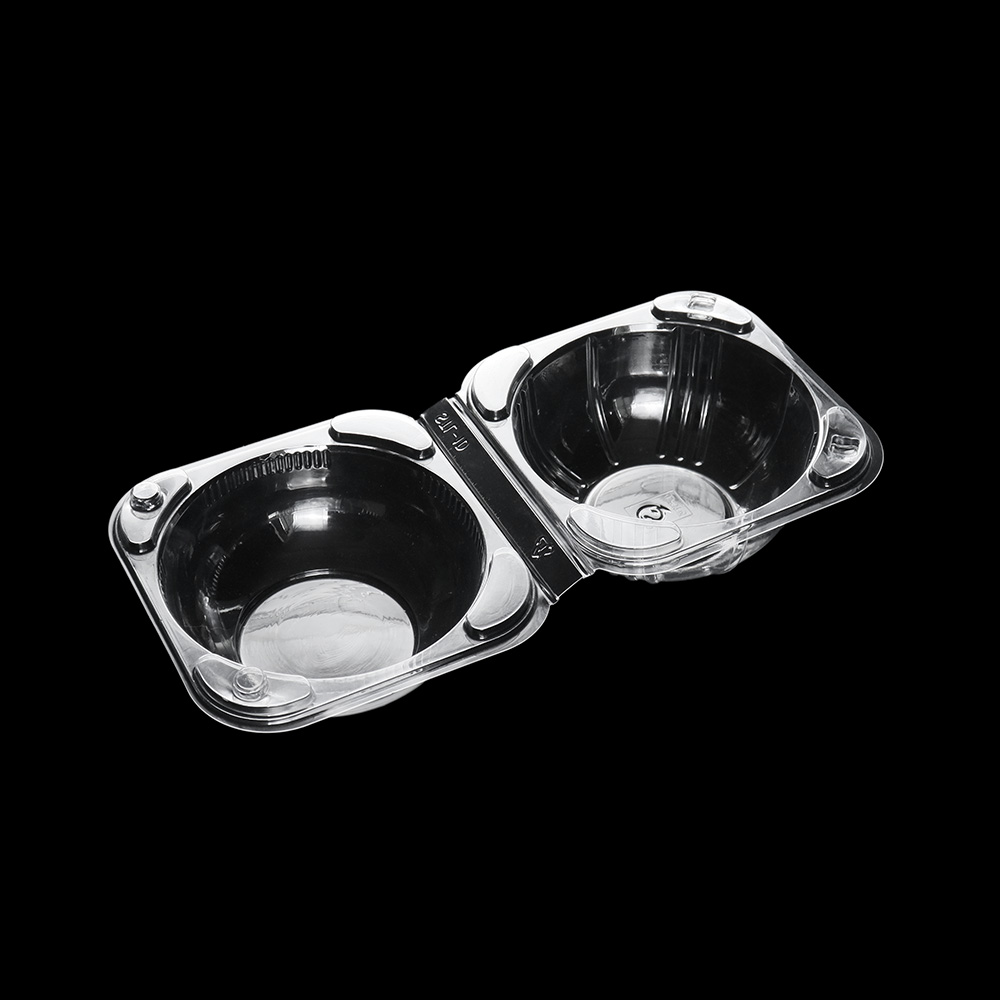
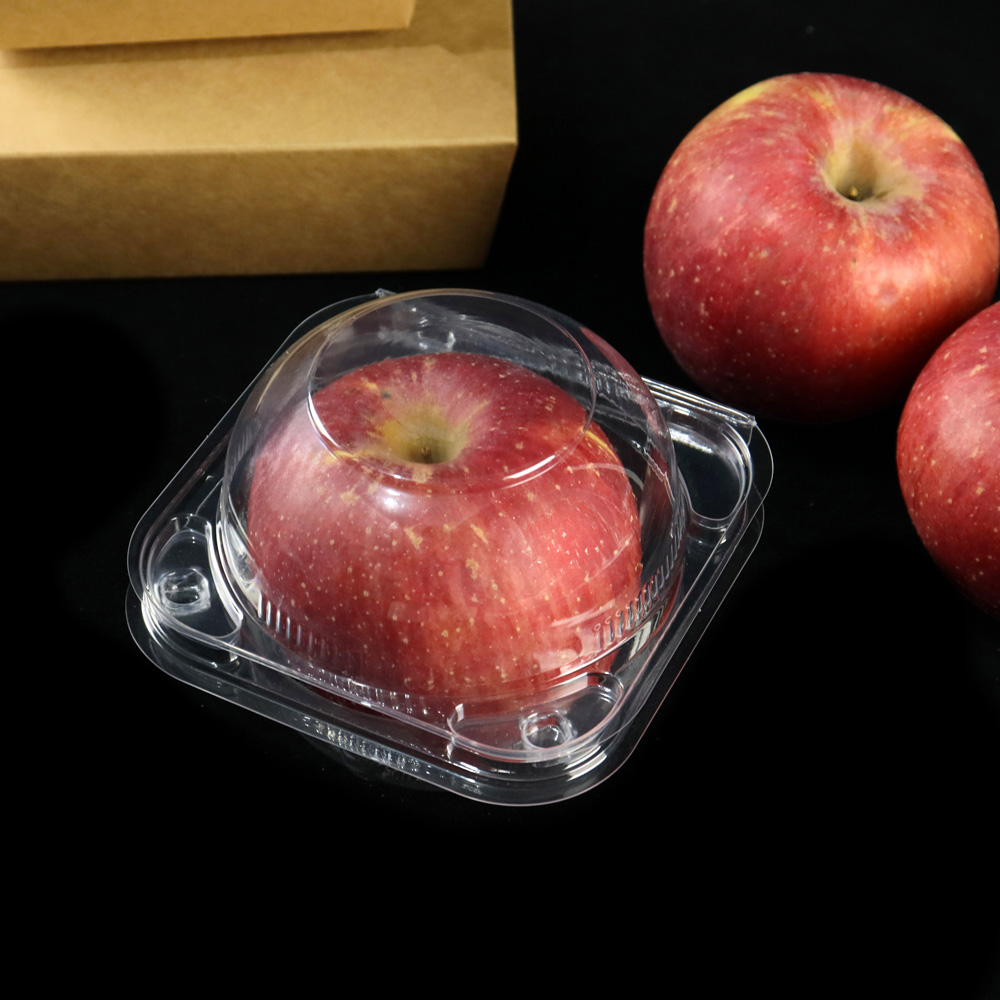
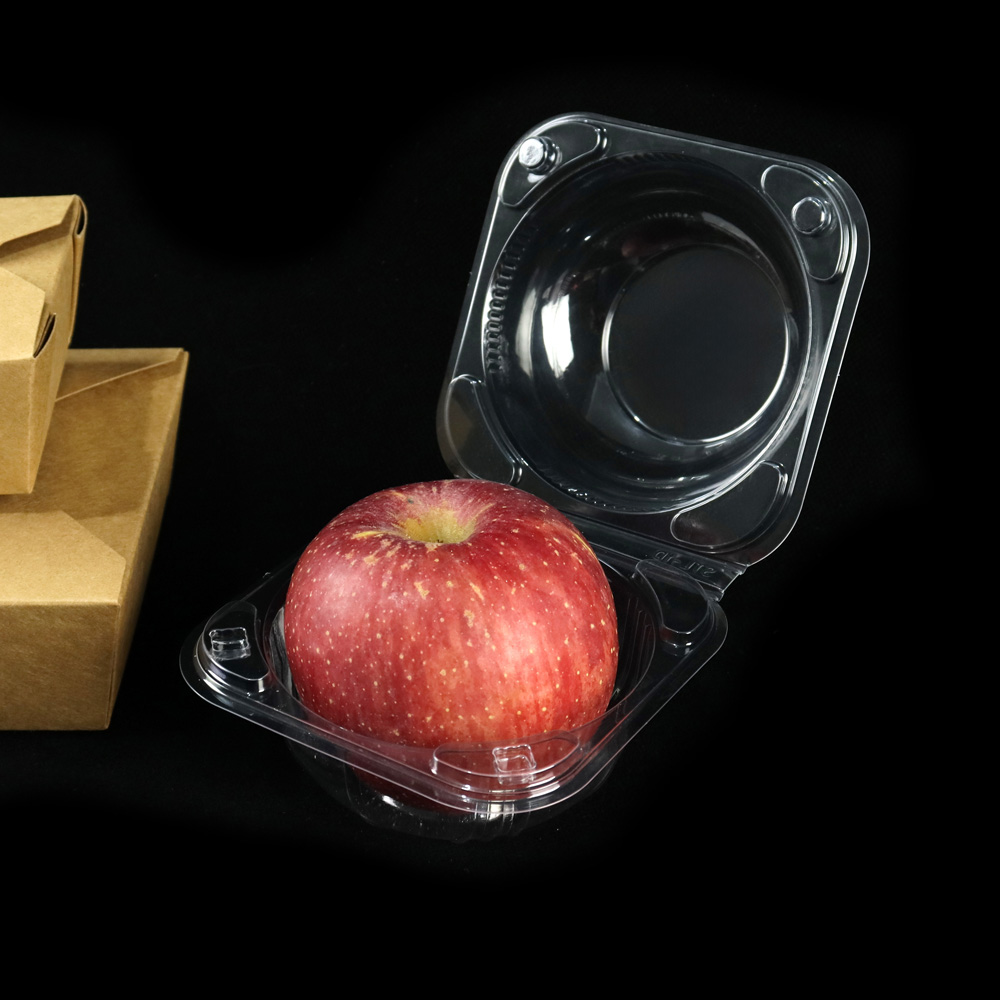
Vacuum-formed plastic trays are lightweight, durable, and cost-effective packaging solutions created using a thermoforming process. These trays are widely used in industries such as food, electronics, and medical packaging due to their ability to securely hold products while maintaining their shape. The vacuum forming technique allows for custom designs, making them an ideal choice for businesses looking to enhance their branding and packaging efficiency.
Key Features of Vacuum-Formed Plastic Trays
- Cost-Effective Production: Compared to injection molding, vacuum forming is a more economical method for producing plastic trays in large quantities.
- Customizable Designs: The process allows for tailored shapes and sizes to meet specific product needs.
- Material Versatility: Can be made from PP, PET, PS, and other sustainable materials.
- Lightweight and Durable: Ideal for protecting delicate products while minimizing shipping costs.
Key Materials Used in Vacuum-Formed Plastic Trays
Selecting the right material for vacuum-formed plastic trays is essential for achieving the desired performance and sustainability. Different plastics offer varying levels of strength, flexibility, and recyclability.
Common Materials for Vacuum-Formed Plastic Tray
| Material | Properties | Best Use Cases |
|---|---|---|
| PP (Polypropylene) | Lightweight, heat-resistant, and recyclable | Food trays, medical packaging |
| PET (Polyethylene Terephthalate) | High clarity, strong, and widely recyclable | Blister packs, electronics trays |
| PS (Polystyrene) | Rigid, cost-effective, but less eco-friendly | Consumer goods packaging, disposable trays |
| ABS (Acrylonitrile Butadiene Styrene) | Impact-resistant, durable | Industrial and automotive trays |
Businesses looking to improve sustainability should opt for PET or recycled PP trays, which offer better recyclability without compromising on strength.
The Vacuum Forming Process: How Plastic Trays Are Made
The vacuum forming process involves heating a plastic sheet until it becomes pliable, then shaping it over a mold using vacuum pressure. This technique is efficient for producing both standard and custom plastic trays.
Step-by-Step Vacuum Forming Process
- Material Selection: A plastic sheet (e.g., PP, PET, PS) is chosen based on the product’s requirements.
- Heating: The sheet is heated until it reaches the optimal forming temperature.
- Molding: The softened plastic is placed over a pre-designed mold.
- Vacuum Application: A vacuum removes air, pressing the plastic sheet firmly onto the mold.
- Cooling & Trimming: The formed plastic tray is cooled and cut to its final shape.
This method ensures consistent quality, fast production, and cost efficiency, making it a preferred choice for B2B buyers.
Advantages of Vacuum-Formed Plastic Trays Over Other Packaging Methods
Vacuum-formed plastic trays offer several benefits over alternative packaging methods like injection molding or traditional cardboard packaging.
Why Choose Vacuum-Formed Plastic Trays?
| Feature | Vacuum-Formed Plastic Trays | Other Packaging Methods |
|---|---|---|
| Production Cost | Lower setup costs and faster production | Higher mold costs for injection molding |
| Customization | Easily tailored to specific product needs | Limited design flexibility in cardboard packaging |
| Material Efficiency | Uses less material while maintaining durability | Injection molding often requires more plastic |
| Weight | Lightweight for easy transport | Cardboard can be bulkier and heavier |
These advantages make vacuum-formed plastic trays the go-to choice for industries requiring secure, cost-effective, and customizable packaging.
Common Applications of Vacuum-Formed Plastic Trays
Vacuum-formed plastic trays are essential in various industries due to their lightweight, cost-effectiveness, and durability. Their ability to be customized for different applications makes them a preferred choice for businesses.
Industries That Use Vacuum-Formed Plastic Tray
| Industry | Application | Common Material |
|---|---|---|
| Food & Beverage | Fresh produce trays, meat packaging, bakery containers | PET, PP |
| Medical & Pharmaceuticals | Sterile packaging, pill blister packs, medical equipment trays | PS, PET |
| Electronics | Protective trays for circuit boards, battery casings | ABS, PS |
| Retail & Consumer Goods | Cosmetic packaging, display trays | PET, PP |
| Automotive | Component organizers, part storage trays | ABS, PP |
Vacuum-formed trays help ensure product safety and presentation while maintaining cost-effectiveness.
Sustainable Plastic Trays: How Vacuum Forming Supports Eco-Friendly Packaging
Sustainability is a growing concern, and vacuum-formed plastic trays are adapting to meet eco-friendly packaging needs. Many manufacturers are shifting towards recyclable and biodegradable materials.
How Vacuum-Formed Plastic Trays Support Sustainability
- Material Efficiency – The vacuum forming process minimizes material waste, making it more sustainable.
- Use of Recyclable Materials – PET trays are widely recycled, while PP trays offer reusability benefits.
- Lightweight Design – Reduces transportation emissions and lowers shipping costs.
- Energy-Efficient Production – Compared to injection molding, vacuum forming uses less energy.
- Biodegradable and Compostable Options – Some manufacturers are developing plant-based alternatives.
As more brands prioritize sustainable packaging, vacuum-formed plastic trays provide an adaptable solution for reducing environmental impact.
Innovations in Vacuum-Formed Plastic Tray Manufacturing
The plastic packaging industry continues to evolve with technological advancements that improve efficiency, sustainability, and customization.
Key Innovations Transforming Vacuum-Formed Plastic Tray
- Advanced Material Blends – Combining PET and PLA to create semi-biodegradable plastic trays.
- High-Precision Molding – Enhanced vacuum forming techniques ensure better product fit and minimal waste.
- Digital Printing Technology – Allows high-quality branding and product information to be printed directly on trays.
- Smart Packaging Features – Some trays integrate QR codes or RFID tags for supply chain tracking.
- Improved Recycling Processes – New sorting technologies increase the recyclability of used plastic trays.
These innovations help businesses enhance product presentation while aligning with sustainable practices.
How to Choose the Right Vacuum-Formed Plastic Tray Supplier
Choosing the right supplier for vacuum-formed plastic trays is crucial for ensuring the quality and reliability of your packaging. A good supplier should offer not only superior products but also valuable support throughout the process.
Key Factors to Consider When Selecting a Supplier
- Quality Assurance – Ensure the supplier uses high-grade materials such as PP trays or PET trays and follows stringent quality control processes.
- Customization Options – The best suppliers offer customization for your packaging needs, whether for size, design, or branding.
- Sustainability Practices – With growing demand for eco-friendly solutions, look for suppliers who prioritize sustainable materials and processes, like recyclable or biodegradable plastic trays.
- Delivery Time – Reliable lead times are essential, especially if you operate in industries with tight schedules such as food or electronics packaging.
- Customer Service – A supplier who offers excellent customer support, from initial consultation to after-sales service, can provide peace of mind.
- Certifications and Compliance – Verify that the supplier complies with industry standards and holds relevant certifications, such as ISO or FDA approval, especially for food-related packaging.
Recommended Steps to Evaluate Suppliers
- Request Samples – Always evaluate product quality before committing to a bulk order.
- Check Client Testimonials – Look for feedback from previous customers to gauge supplier reliability and product performance.
- Visit Manufacturing Facility – If possible, visit the supplier’s factory to ensure they meet your quality and sustainability requirements.
Future Trends in Vacuum-Formed Plastic Trays
The vacuum-formed plastic tray industry is evolving rapidly, driven by technological advances and changing market demands. As sustainability and customization continue to rise in importance, the future of plastic trays looks promising.
Emerging Trends Shaping the Future of Plastic Trays
- Integration of Smart Packaging – As the demand for smart packaging increases, plastic trays are likely to incorporate features like RFID tags, QR codes, or sensors that enable real-time tracking of products through the supply chain.
- Use of Advanced Materials – Biodegradable and compostable materials, such as PLA-based trays, will become more common as eco-conscious brands prioritize reducing their environmental impact.
- Improved Recycling Technology – Innovations in recycling technology will make it easier to recycle vacuum-formed plastic trays, ensuring that more of these trays end up being reused instead of in landfills.
- More Customization and Personalization – As consumer demand for unique and tailored products grows, plastic tray suppliers will offer even more advanced customization options, from intricate designs to personalized packaging solutions.
- Sustainability-Driven Design – Expect to see an increase in lightweight, minimalistic designs that reduce plastic use and optimize transport efficiency, aligning with global sustainability goals.
Conclusion: Why Vacuum-Formed Plastic Trays Are Essential for Modern Packaging
Vacuum-formed plastic trays are a cornerstone of modern packaging. Their ability to offer versatility, durability, and eco-friendly options makes them essential in various industries, from food packaging to electronics. As businesses continue to innovate, the future of vacuum-formed plastic trays looks even more promising, especially with the rising demand for sustainable packaging.
Why Choose Vacuum-Formed Plastic Tray?
- Cost-Effective and Versatile – Vacuum-formed plastic trays are affordable, customizable, and suitable for multiple applications.
- Sustainability – With eco-friendly options like PET and PP trays, these trays contribute to reducing environmental impact.
- Future-Ready – As new technologies emerge, vacuum-formed plastic trays are evolving to meet the needs of modern businesses, ensuring long-term value.
In conclusion, investing in vacuum-formed plastic trays is not only a smart business move but also a step towards building a sustainable and efficient packaging solution that meets both consumer and environmental demands.