
In the competitive world of consumer products and industrial packaging, plastic containers are evolving far beyond their basic containment function. Today’s innovative plastic container designs represent the convergence of material science, consumer psychology, engineering precision, and sustainability priorities. This detailed exploration examines the cutting-edge trends shaping the plastic container landscape and how these innovations are transforming product presentation, user experience, and environmental performance.
The Evolution of Plastic Container Design
Plastic container design has undergone remarkable transformation over the decades, influenced by shifting market demands and technological capabilities.
Historical Development
Understanding the trajectory of plastic container design provides context for current innovations:
1950s-1960s: Basic functional designs focused primarily on containment 1970s-1980s: Introduction of new polymers expanded design possibilities 1990s-2000s: Brand differentiation through custom shapes and convenience features 2010s-Present: Smart, sustainable, and experiential design approaches
This evolution reflects how plastic containers have progressed from purely functional vessels to sophisticated brand assets and consumer experience enablers. Inhance Technologies
Design-Driven Value Creation
Modern container design creates value throughout the product lifecycle:
- For Consumers: Enhanced convenience, product freshness, portion control, and user experience
- For Brands: Distinctive shelf presence, premium positioning, and brand storytelling
- For Retailers: Space efficiency, reduced damage, and improved merchandising
- For Supply Chain: Stackability, transport efficiency, and reduced breakage
- For Environment: Material reduction, recyclability, and reusability potential
Successful designs balance these sometimes competing priorities to create optimal overall value.
Structural Design Innovations
The physical form of plastic containers continues to evolve through innovative structural approaches.
Lightweight Optimization
Advanced engineering allows containers to use less material while maintaining performance:
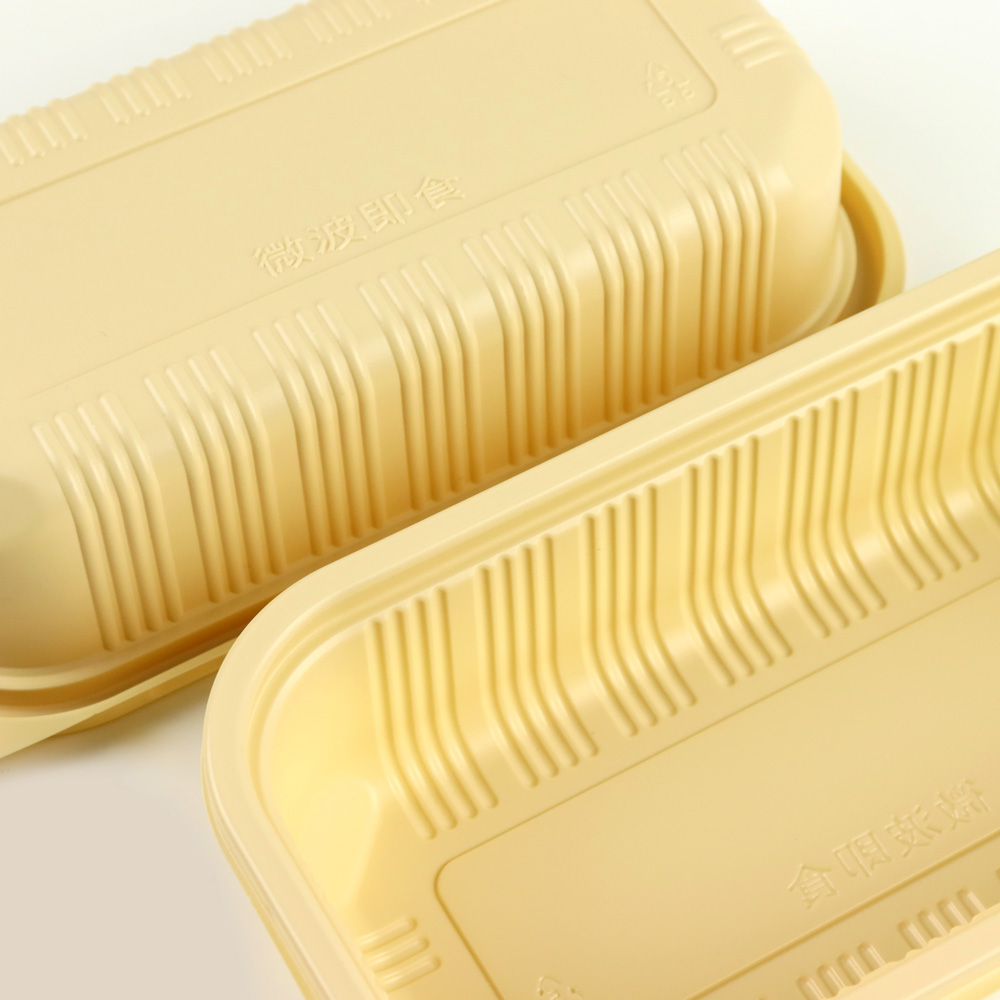
- Geometric Reinforcement: Strategic ridges, ribs, and panels that add strength with minimal material
- Variable Wall Thickness: Thinner walls where possible, reinforced at stress points
- Material Distribution Optimization: Computer-modeled material placement for maximum efficiency
- Structural Simulation: Digital testing allowing rapid iteration without physical prototypes
These techniques have enabled remarkable material reductions—some water bottles now use 30-50% less plastic than their predecessors while maintaining functionality. Plascene
Nesting and Stacking Innovations
Space-efficient designs that enhance logistics and storage:
- Interlocking Features: Elements that create stable stacks during transport and display
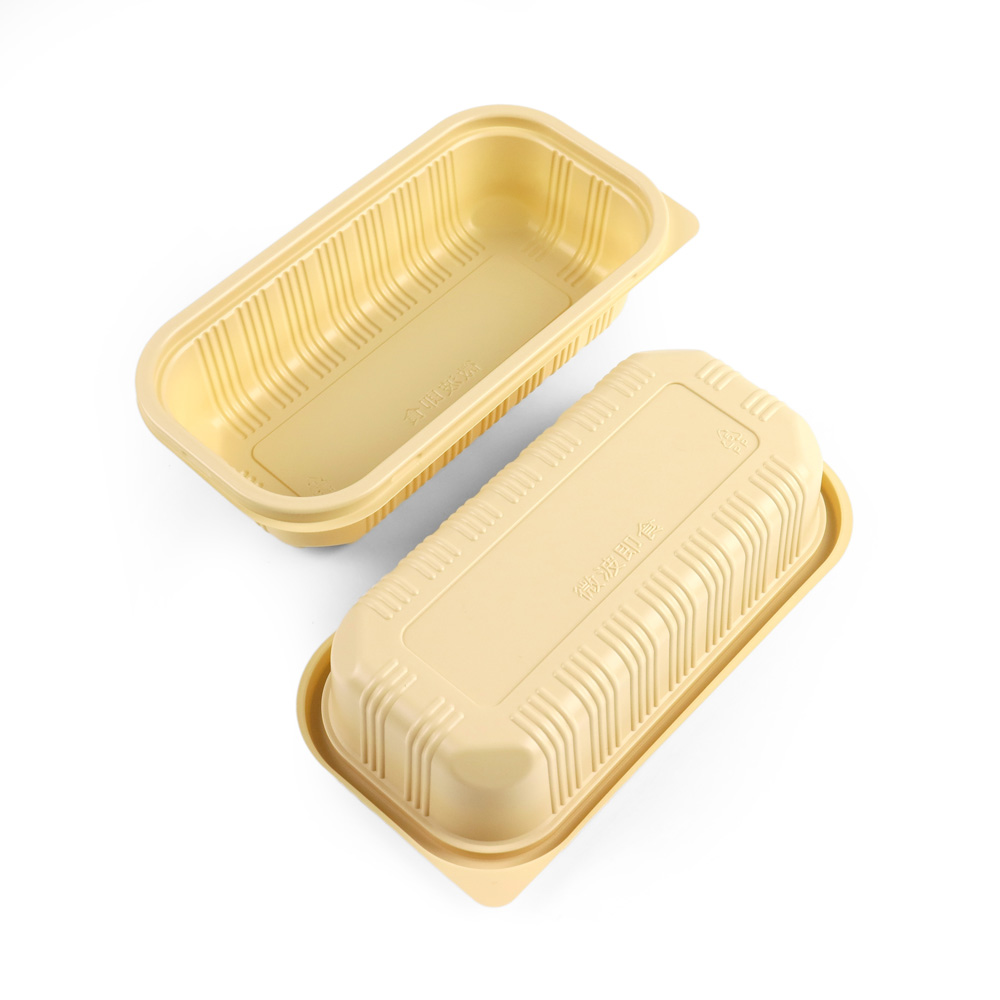
- Tapered Designs: Shapes that nest when empty but stack securely when filled
- Square Footprints: Maximizing cube efficiency versus traditional round containers
- Collapsible Structures: Containers that reduce in size after use for efficient reverse logistics
These innovations significantly reduce transportation costs and storage space requirements throughout the supply chain.
Barrier Enhancement Technologies
Advanced approaches to improving container barrier properties:
- Multi-Layer Structures: Incorporating specialized barrier layers while maintaining recyclability
- Nanocomposite Integration: Adding nanoparticles to enhance barrier performance without additional layers
- Surface Treatments: Plasma or chemical modifications improving barrier properties
- Active Packaging Elements: Oxygen scavengers or moisture controllers integrated into container walls
These technologies extend product shelf life while potentially reducing overall material usage. Pack World
Functional Feature Innovations
Today’s plastic containers incorporate sophisticated features that enhance usability and performance.
Dispensing System Advancements
Innovative approaches to product delivery:
- Precision Dispensers: Mechanisms providing exact amounts with each use
- One-Handed Operation: Designs operable with a single hand for convenience
- Controlled Flow: Systems preventing over-dispensing and waste
- Child-Resistant/Senior-Friendly: Closures balancing safety and accessibility
These dispensing innovations enhance user experience while potentially reducing product waste. Vistaprint Packaging Design Trends
Resealability Enhancements
Advanced closure systems maintaining product freshness:
- Hermetic Reseals: Systems creating airtight closures after opening
- Audible Feedback: Closures producing sounds confirming proper sealing
- Visual Indicators: Features showing when containers are properly closed
- Simplified Mechanics: Easy-close systems requiring minimal dexterity or strength
These features extend product life after opening while improving consumer satisfaction.
Temperature Management Features
Designs addressing specific temperature requirements:
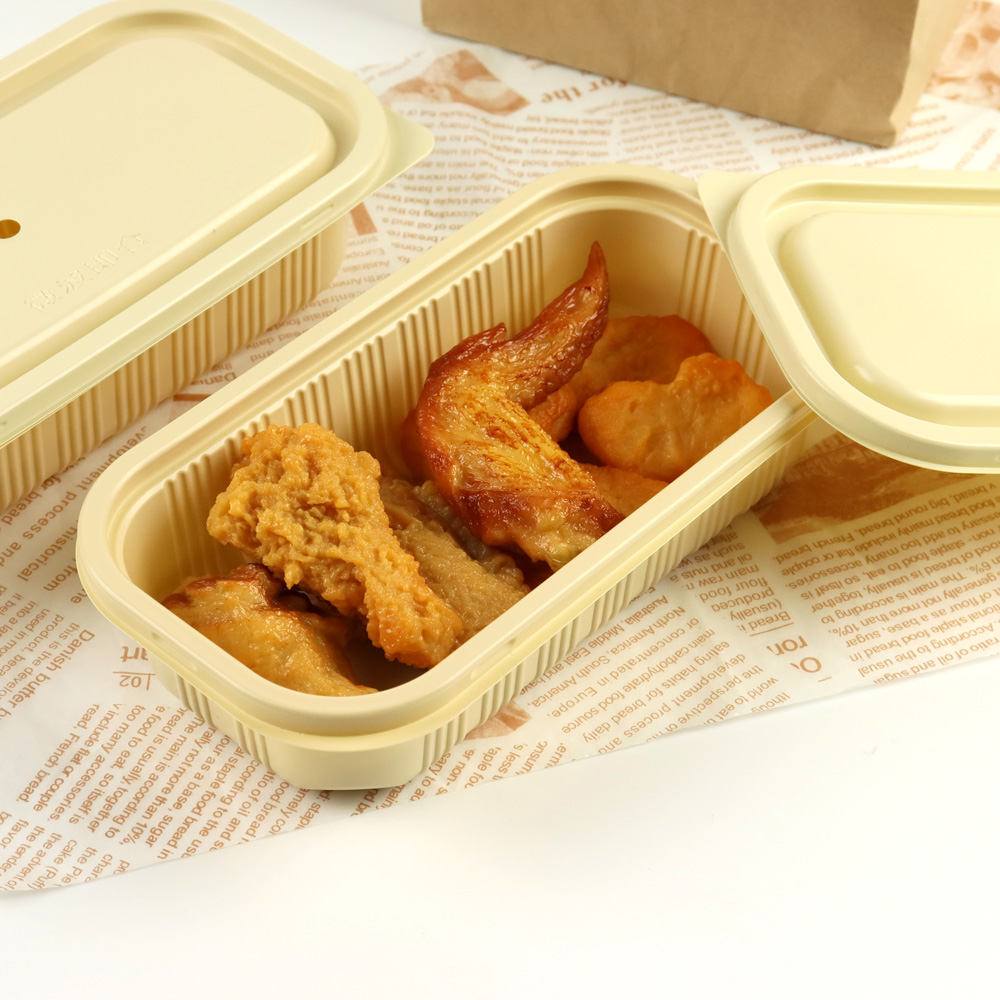
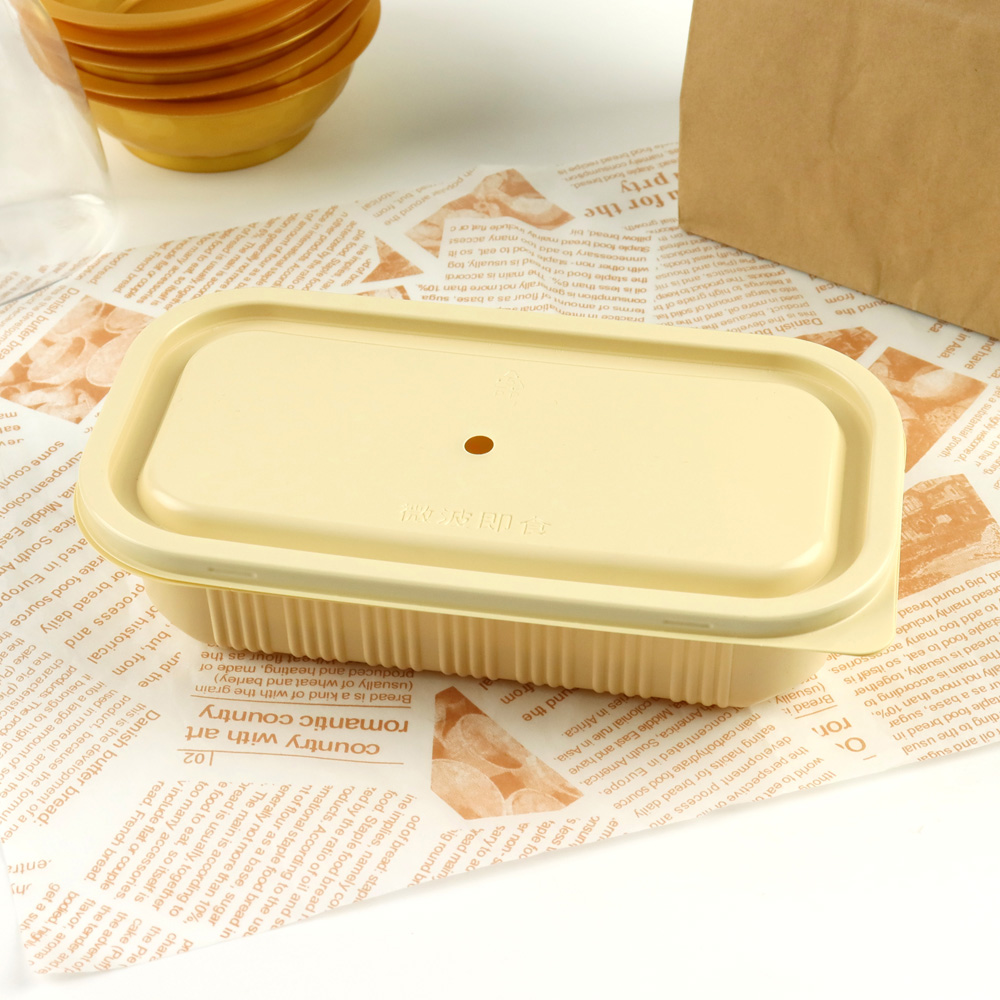
- Microwave Optimization: Venting systems, heat distribution features, cool-touch areas
- Freezer Durability: Materials and designs resisting low-temperature brittleness
- Hot-Fill Capability: Structures accommodating thermal contraction after filling
- Insulative Properties: Double-wall constructions or material selections providing thermal barriers
These features expand the versatility of plastic containers across varying temperature conditions. SmashBrand
Ergonomic Advancements
Human-centered design approaches improving container handling:
- Grip Features: Contoured surfaces facilitating secure handling
- Weight Distribution: Balance optimization enhancing pouring control
- Intuitive Operation: Designs clearly communicating how to open, close, and use
- Inclusive Design: Features accessible to users with varying abilities and hand sizes
These ergonomic innovations significantly enhance consumer satisfaction and product accessibility.
Aesthetic Design Trends
Visual and tactile elements of container design create powerful brand impressions and consumer connections.
Surface Finish Innovations
Advanced treatments creating distinctive visual and tactile qualities:
- Soft-Touch Textures: Velvety finishes adding premium feel
- Metallic Effects: Surface treatments creating metal-like appearance
- Selective Gloss: Combining matte and glossy areas for visual interest
- Tactile Patterns: Textured surfaces enhancing grip and sensory appeal
These surface innovations help plastic containers achieve premium positioning and brand differentiation. Filestage
Visual Branding Techniques
Sophisticated approaches to container decoration:
- In-Mold Labeling (IML): Perfectly integrated, durable decoration
- Digital Printing: Enabling personalization and variable information
- 360-Degree Graphics: Designs wrapping completely around containers
- Transparent Elements: Strategic use of clear areas showing product
These decoration techniques transform containers into powerful brand communication tools.
Color Strategy Innovation
Strategic use of color to influence perception and behavior:
- Color Psychology: Hues selected for specific emotional responses
- Color Blocking: Bold contrasting colors creating visual impact
- Translucent Gradients: Subtle color transitions creating depth
- Brand Color Systems: Consistent palettes reinforcing brand identity
Color choices significantly impact consumer perception of products and heavily influence purchasing decisions. WestRock
Minimalist vs. Maximalist Approaches
Contrasting design philosophies responding to different market segments:
- Minimalist: Clean, uncluttered designs emphasizing simplicity
- Maximalist: Bold, vibrant designs with abundant detail and color
- Hybrid Approaches: Strategic combination of simple and complex elements
- Target Alignment: Design complexity matching consumer preferences
Both approaches can be effective when aligned with target demographics and brand positioning. Sun Branding
Sustainability-Driven Design
Environmental considerations are fundamentally reshaping plastic container design.
Material Reduction Strategies
Using plastic more efficiently through innovative design:
- Structural Optimization: Engineering that maintains strength with less material
- Right-Sizing: Eliminating unnecessary container volume
- Concentrated Product Formulations: Smaller containers for equivalent product use
- Wall Thickness Reduction: Precision manufacturing enabling thinner yet functional walls
These strategies reduce environmental impact while often providing cost benefits.
Design for Recycling
Creating containers that integrate seamlessly into recycling systems:
- Mono-Material Construction: Using single polymer types for entire containers
- Separation-Friendly Components: Designs enabling easy component segregation
- Pigment Selection: Colors compatible with recycling streams
- Label Compatibility: Adhesives and materials that don’t interfere with recycling
These approaches significantly improve container recyclability. Inno-Pak
Reusable Container Systems
Durable designs created for multiple use cycles:
- Robust Construction: Thicker walls and reinforced stress points
- Easy-Clean Features: Smooth interiors, accessible corners, dishwasher compatibility
- Closure Durability: Systems designed for hundreds of open-close cycles
- Modular Components: Interchangeable parts extending system lifespan
For appropriate applications, reusable containers can significantly reduce overall environmental impact.
Bioplastic Adaptations
Designs accommodating alternative materials:
- Thermal Stability Considerations: Accounting for different heat tolerance
- Flexibility Adaptations: Designs compatible with potentially different rigidity
- Processing Parameter Adjustments: Modified manufacturing approaches
- Color and Clarity Management: Working with natural material variations
These design adaptations enable successful implementation of more sustainable materials. LitPac
Smart Container Technologies
Integration of digital elements is creating new possibilities for plastic containers.
Connected Packaging Features
Digital integration enhancing container functionality:
- QR Code Integration: Scannable codes linking to digital content
- NFC/RFID Tags: Enabling contactless information exchange
- Augmented Reality Markers: Triggers for interactive digital experiences
- Smart Sensors: Monitoring product condition or usage
These technologies transform containers into interactive consumer touchpoints. Clifton Products
Condition Monitoring Elements
Features that communicate product status:
- Freshness Indicators: Visual cues showing product condition
- Temperature Exposure Alerts: Markings that reveal improper storage
- Time Indicators: Displaying elapsed time since opening
- Authentication Features: Elements confirming product legitimacy
These monitoring capabilities add significant value for sensitive or premium products.
User Interaction Technologies
Features creating engaging consumer experiences:
- Interactive Elements: Physical features encouraging engagement
- Gamification Components: Play or collectible aspects built into containers
- Multi-Sensory Design: Incorporating sound, texture, or scent
- Surprise and Delight: Hidden elements discovered during product use
These experiential features build stronger emotional connections between consumers and brands.
Manufacturing Technologies Enabling Design Innovation
Advanced production techniques are expanding design possibilities for plastic containers.
Advanced Molding Technologies
Manufacturing processes creating new design opportunities:
- Multi-Shot Injection Molding: Enabling multi-material or multi-color containers
- In-Mold Assembly: Producing containers with integrated components
- Precision Thin-Wall Molding: Creating containers with minimal material
- Compression Blow Forming: Enabling complex geometries with consistent wall thickness
These technologies make previously impossible designs achievable at commercial scale.
Digital Manufacturing Advantages
Computer-driven processes revolutionizing container development:
- Rapid Prototyping: 3D printing enabling quick concept testing
- Virtual Design Testing: Simulation software predicting performance
- Automated Quality Control: Computer vision systems ensuring consistency
- Manufacturing Analytics: Data-driven process optimization
Digital technologies accelerate innovation while improving quality and consistency.
Decoration and Finishing Advancements
Advanced techniques creating distinctive container appearances:
- Direct Digital Printing: High-resolution decoration applied directly to containers
- Laser Etching: Precise surface modifications for visual or functional purposes
- Plasma Surface Treatment: Creating specialized surface properties
- Multi-Layer Decorative Systems: Combining techniques for unique effects
These finishing technologies help containers stand out in competitive retail environments.
Market-Specific Design Trends
Different sectors have unique requirements driving specialized container innovations.
Food and Beverage Sector
Design trends specific to food and beverage packaging:
- Portion Control Features: Built-in measuring or serving elements
- Extended Freshness Designs: Containers optimized for longer product life
- On-the-Go Formats: Single-serve, portable, resealable options
- Cooking Functionality: Microwave or sous-vide enabled containers
These specialized designs address the unique needs of food products and changing consumption habits.
Personal Care and Cosmetics
Distinctive trends in beauty and personal care packaging:
- Prestige Aesthetics: Premium finishes and distinctive shapes
- Dosing Precision: Applicators dispensing exact amounts
- Contamination Prevention: Airless pumps and protective systems
- Travel-Friendly Features: Compact, secure, spill-proof designs
This sector often prioritizes aesthetic appeal and user experience alongside functionality.
Industrial and Commercial Packaging
Design priorities for business-to-business containers:
- Standardized Dimensions: Compatibility with automated systems
- Extreme Durability: Construction for industrial environments
- Chemical Resistance: Materials suitable for diverse contents
- Identification Integration: RFID or barcode compatibility for tracking
These designs focus on operational efficiency, safety, and longevity in demanding conditions.
E-commerce Optimization
Container designs specifically addressing online retail challenges:
- Shipping Durability: Enhanced strength for parcel delivery
- Weight Minimization: Reducing dimensional weight charges
- Unboxing Experience: Creating memorable product arrival
- Returns Consideration: Resealable features for potential product returns
The explosive growth of e-commerce has created specific design requirements for containers shipped directly to consumers.
User-Centered Design Approaches
Successful container designs increasingly focus on human needs and behaviors.
Inclusive Design Principles
Creating containers accessible to people of varying abilities:
- Easy-Open Features: Closures operable with limited dexterity
- Clear Instructions: Intuitive visual cues for operation
- Contrast Elements: High-visibility features for those with visual impairments
- Simplified Operation: Reducing complexity and required strength
These considerations expand market reach while improving experiences for all users. Page Flows
Lifestyle Integration
Designing containers that fit seamlessly into consumers’ lives:
- On-the-Go Compatibility: Cup holder fit, bag compatibility, one-handed operation
- Home Storage Efficiency: Refrigerator optimization, pantry stackability
- Sustainability Alignment: Designs matching eco-conscious consumer values
- Aesthetic Harmony: Containers attractive enough to display in living spaces
These approaches recognize that containers exist within consumers’ broader lifestyles and environments.
Consumer Research Methodologies
Human-centered design processes informing container development:
- Ethnographic Studies: Observing how people actually use products
- Usability Testing: Evaluating container performance with real users
- Focus Groups: Gathering feedback on design concepts
- Digital Analytics: Tracking online reactions to packaging innovations
These research approaches ensure containers address actual user needs rather than assumed ones.
Case Studies in Innovative Plastic Container Design
Food Packaging Breakthrough
A condiment manufacturer implemented a revolutionary squeeze bottle design:
- Challenge: Creating a container that prevented product waste while enhancing dispensing control
- Solution: Silicone valve system in an ergonomically designed LDPE bottle
- Innovative Elements: Inverted storage, self-sealing valve, easy-grip contours
- Results: 25% reduction in product waste, significantly improved consumer satisfaction
This design transformed the user experience while addressing sustainability through waste reduction.
Personal Care Product Differentiation
A premium skincare company developed a distinctive airless pump system:
- Challenge: Creating a container that preserved product integrity while conveying luxury
- Solution: Double-wall construction with vacuum pump technology
- Innovative Elements: Contamination prevention, complete product evacuation, tactile finish
- Results: Extended product shelf life, enhanced brand perception, premium price positioning
This container design became a key element of the brand’s premium positioning and user experience.
Industrial Packaging Reinvention
A chemical supplier redesigned its industrial containers for sustainability and efficiency:
- Challenge: Reducing environmental impact without compromising safety or function
- Solution: Lightweight HDPE container with integrated handle and secure closure system
- Innovative Elements: 20% material reduction, stackable design, improved pouring control
- Results: Reduced shipping costs, decreased environmental footprint, improved worker safety
This design demonstrates how industrial containers can benefit from the same innovative approaches as consumer packaging.
Future Directions in Plastic Container Design
The coming years will bring continued innovation in several key areas:
Emerging Technologies
Technical developments poised to transform container design:
- Advanced Biopolymers: New materials with enhanced performance characteristics
- 4D Printing: Containers that change shape or function in response to conditions
- Embedded Electronics: Integrated circuits creating truly smart containers
- Biomimicry Approaches: Designs inspired by natural structures and systems
These technologies will enable entirely new container capabilities and applications.
Changing Consumer Expectations
Evolving preferences reshaping design priorities:
- Heightened Sustainability Demand: Growing consumer rejection of perceived excess
- Premium Experience Expectations: Desire for containers that enhance product enjoyment
- Personalization Interest: Preference for customized or customizable packaging
- Transparency Values: Increasing demand for honest communication through design
Understanding these evolving expectations will be crucial for successful future designs.
Regulatory Influence
How changing regulations will impact container development:
- Extended Producer Responsibility: Designs accommodating take-back programs
- Recycled Content Mandates: Containers engineered for increasing PCR percentages
- Plastic Taxes: Designs minimizing material use in response to financial pressures
- Chemical Restrictions: Adaptations to tightening controls on additives
Proactive design approaches can turn regulatory challenges into competitive advantages.
Conclusion
The plastic container landscape continues to evolve through remarkable design innovations that address contemporary needs for convenience, brand differentiation, sustainability, and enhanced user experience. From structural advancements that reduce material usage to smart features that create interactive consumer touchpoints, today’s plastic containers demonstrate the power of thoughtful design to solve complex packaging challenges.
As material science, manufacturing technology, and digital integration continue advancing, we can expect even more impressive innovations that further transform how products are packaged, preserved, and experienced. The future of plastic containers will likely bring even greater personalization, sustainability performance, and functional sophistication.
At Reliancepak, we embrace these design trends to create plastic containers that not only protect products but also enhance brands, delight consumers, and minimize environmental impact. Our commitment to innovative design ensures that our containers meet the evolving needs of today’s dynamic marketplace while preparing for tomorrow’s opportunities and challenges.