TL;DR: Yes, sugarcane packaging is genuinely biodegradable. It typically breaks down within 30-90 days in commercial composting facilities, returning to natural elements without leaving harmful residues.
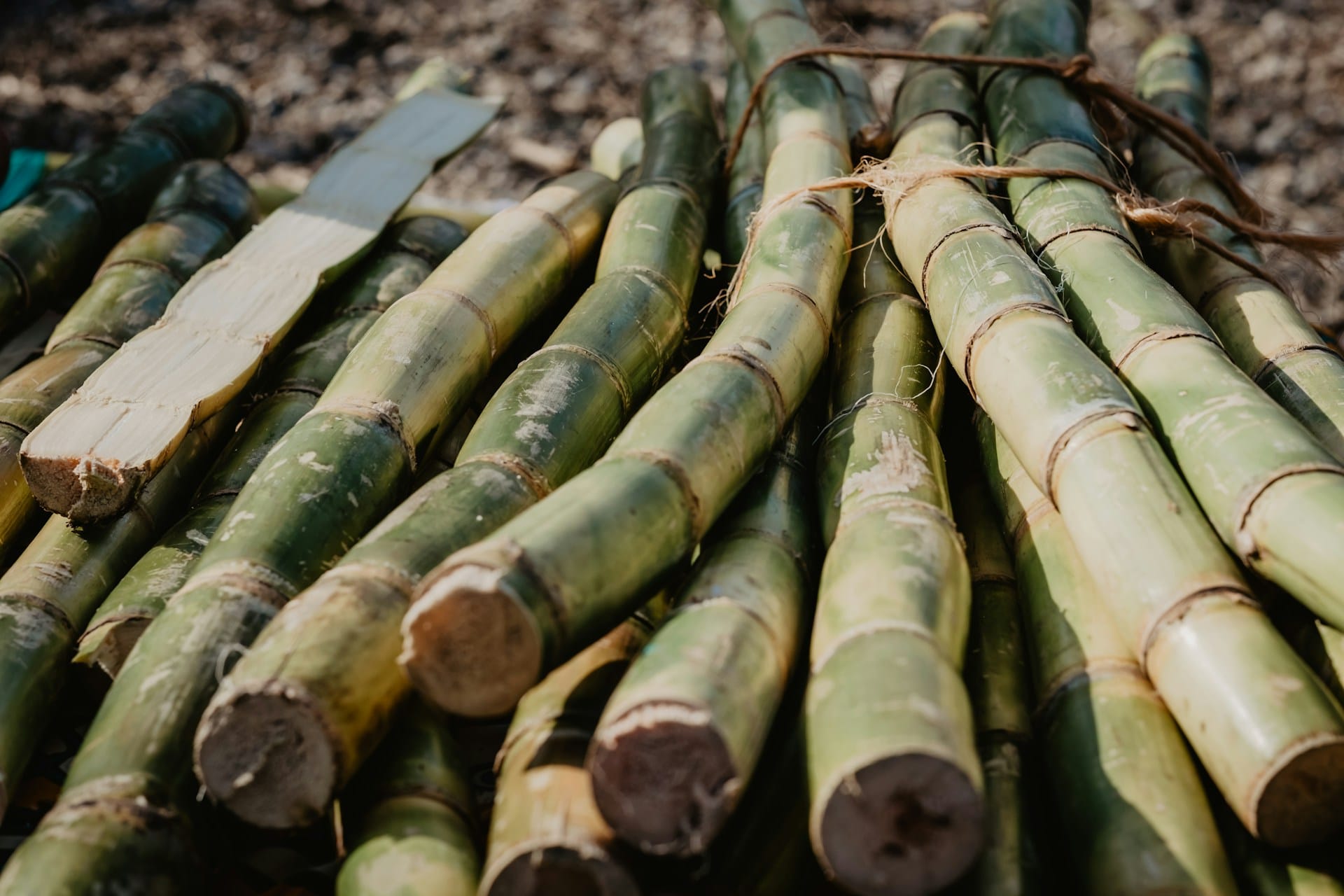
Sugarcane packaging, also called bagasse, is made from the fibrous byproduct left after juice extraction. This material is completely biodegradable under proper conditions. It decomposes through natural processes where microorganisms break it down into water, carbon dioxide, and organic matter. The biodegradation timeline depends on environmental factors but generally occurs within 30-90 days in industrial composting settings. This process avoids the persistent pollution associated with traditional plastics. For food businesses considering sustainable options, understanding the biodegradability of different packaging materials is crucial for making environmentally responsible choices.
Read on to discover exactly how this biodegradation process works and what conditions are necessary for sugarcane packaging to break down effectively.
What makes sugarcane packaging biodegradable?
Sugarcane packaging comes from bagasse, the dry pulp residue left after extracting juice from sugarcane stalks. This fibrous material contains cellulose and hemicellulose, natural polymers that microorganisms can easily break down.
The plant-based composition means it doesn’t contain the synthetic polymers found in conventional plastics. These synthetic polymers resist natural decomposition and can persist in the environment for centuries. Sugarcane packaging avoids this problem entirely because it’s made from organic agricultural waste.
When exposed to the right conditions, microorganisms like bacteria and fungi recognize sugarcane packaging as a food source. They secrete enzymes that break down the material into simpler components. These components then become part of the soil ecosystem without leaving microplastic contamination.
How long does sugarcane packaging take to decompose?
The decomposition timeline varies based on environmental conditions:
| Environment | Typical Decomposition Time |
|---|---|
| Industrial composting facility | 30-60 days |
| Home composting system | 60-90 days |
| Natural environment | Several months |
| Landfill | Significantly longer due to limited oxygen |
In commercial composting facilities, the controlled temperature, moisture, and microbial activity accelerate the process. These ideal conditions allow sugarcane packaging to break down completely within one to two months.
For home composting, the process takes slightly longer. You might notice decomposition within 60-90 days, depending on your compost management. The material breaks down faster than many other compostable packaging options.
What’s the difference between biodegradable and compostable packaging?
Many people use these terms interchangeably, but they have distinct meanings:
Biodegradable means a material can break down naturally through biological processes. The timeline isn’t specified, and the end products might not benefit soil health.
Compostable materials break down into nutrient-rich compost that benefits soil. They must decompose within a specific timeframe and leave no toxic residues.
All compostable materials are biodegradable, but not all biodegradable materials are compostable. Sugarcane packaging qualifies as both when it meets specific certification standards.
Understanding these distinctions helps food businesses communicate accurately with environmentally conscious customers. Our ultimate guide to sugarcane packaging explores these concepts in greater depth.
How can I verify biodegradability claims?
Look for independent certifications that validate environmental claims. Reputable certifications include:
- BPI (Biodegradable Products Institute)
- OK Compost HOME
- ASTM D6400
- EN 13432
These certifications require rigorous testing to prove materials break down within specific timeframes without harming the environment. Manufacturers must provide test results from accredited laboratories.
When evaluating biodegradable sugarcane packaging, always ask suppliers for certification documentation. This due diligence ensures your packaging choices align with your sustainability goals.
Certified compostable packaging must break down within 12 weeks in industrial composting conditions. It must also disintegrate sufficiently that no visible remnants remain in the final compost.
What happens to sugarcane packaging in different environments?
The decomposition process varies significantly based on disposal methods:
In commercial composting facilities, sugarcane packaging receives ideal conditions for rapid breakdown. The high temperatures (typically 130-160°F) and controlled moisture create perfect conditions for microbial activity. These facilities regularly turn the compost to maintain oxygen levels.
In home compost systems, decomposition occurs more slowly. The lower temperatures mean microbial activity proceeds at a reduced pace. You can accelerate this by chopping packaging into smaller pieces and maintaining proper compost moisture.
In landfills, decomposition slows dramatically due to limited oxygen. While sugarcane packaging will eventually break down, the process generates methane under anaerobic conditions. This highlights why proper disposal infrastructure matters for maximizing environmental benefits.
Natural environments like soil or marine settings will eventually break down sugarcane packaging, but the timeline extends significantly. This is why proper waste management remains crucial even for biodegradable materials.
How does sugarcane packaging compare to other eco-friendly options?
Sugarcane packaging offers distinct advantages in the biodegradable packaging landscape:
Unlike bioplastics, which often require specific industrial conditions, sugarcane packaging breaks down effectively in multiple environments. It doesn’t compete with food crops since it uses agricultural byproducts.
Compared to recycled paper packaging, sugarcane typically has a lower water footprint during production. The manufacturing process utilizes the sugarcane plant’s natural sugars as binding agents, reducing the need for additional chemicals.
When evaluating zero-waste packaging options, consider the complete lifecycle from raw material to disposal. Sugarcane packaging excels because it transforms waste into valuable products, then returns to the earth safely.
Our comprehensive guide compares various sustainable packaging materials to help you make informed decisions [link to ultimate guide].
Conclusion
Sugarcane packaging represents a genuinely biodegradable solution for food businesses seeking sustainable alternatives. Its plant-based composition enables natural decomposition through microbial activity, typically within 30-90 days under proper conditions. The key to maximizing environmental benefits lies in understanding certification standards and ensuring appropriate disposal methods. By choosing certified biodegradable sugarcane packaging, food businesses can reduce their environmental impact while meeting consumer demand for eco-friendly options.
FAQ
What certifications should I look for?
Seek BPI, OK Compost, or ASTM D6400 certifications to validate biodegradability claims.
Can I compost sugarcane packaging at home?
Yes, though decomposition takes slightly longer than in commercial facilities.
Does biodegradable mean it will break down in landfills?
Technically yes, but much slower and with potential methane emissions without oxygen.
Is sugarcane packaging more expensive than plastic?
Initially yes, but prices have become competitive as production scales increase.
How does temperature affect decomposition?
Warmer temperatures accelerate microbial activity and speed up biodegradation.
Can all types of sugarcane packaging be composted?
Most can, but check for certifications as some products may contain non-compostable additives.