
In the dynamic world of food packaging, businesses constantly weigh their options between traditional materials and innovative solutions. For B2B clients, especially those in the food industry, the choice between kraft paper boxes and plastic boxes is pivotal. This decision impacts not only product integrity and brand perception but also operational costs and environmental footprint. At Reliancepak, we understand these complexities and aim to provide insights that help you make informed choices for your packaging needs. This comprehensive comparison delves into the key aspects of both materials, offering a clear perspective for your business.
The Evolution of Food Packaging Materials
Food packaging has undergone significant transformations over the decades, driven by advancements in material science, evolving consumer preferences, and increasing environmental awareness. Initially, plastic emerged as a revolutionary material due to its versatility, durability, and cost-effectiveness. However, its environmental impact has led to a resurgence of interest in sustainable alternatives like kraft paper.
The Rise of Plastic Packaging
Plastic packaging gained widespread adoption for its exceptional barrier properties, which protect food from moisture, oxygen, and contaminants, thereby extending shelf life. Its lightweight nature also contributed to reduced transportation costs. The ability to mold plastic into various shapes and sizes offered unparalleled design flexibility, making it a go-to choice for a diverse range of food products.
The Resurgence of Kraft Paper
Kraft paper, derived from wood pulp through the kraft process, has been around for a long time but has recently seen a significant comeback. This is largely due to its inherent sustainability and the growing demand for eco-friendly packaging solutions. Modern advancements in kraft paper technology have also improved its strength and versatility, making it suitable for a wider array of food packaging applications.
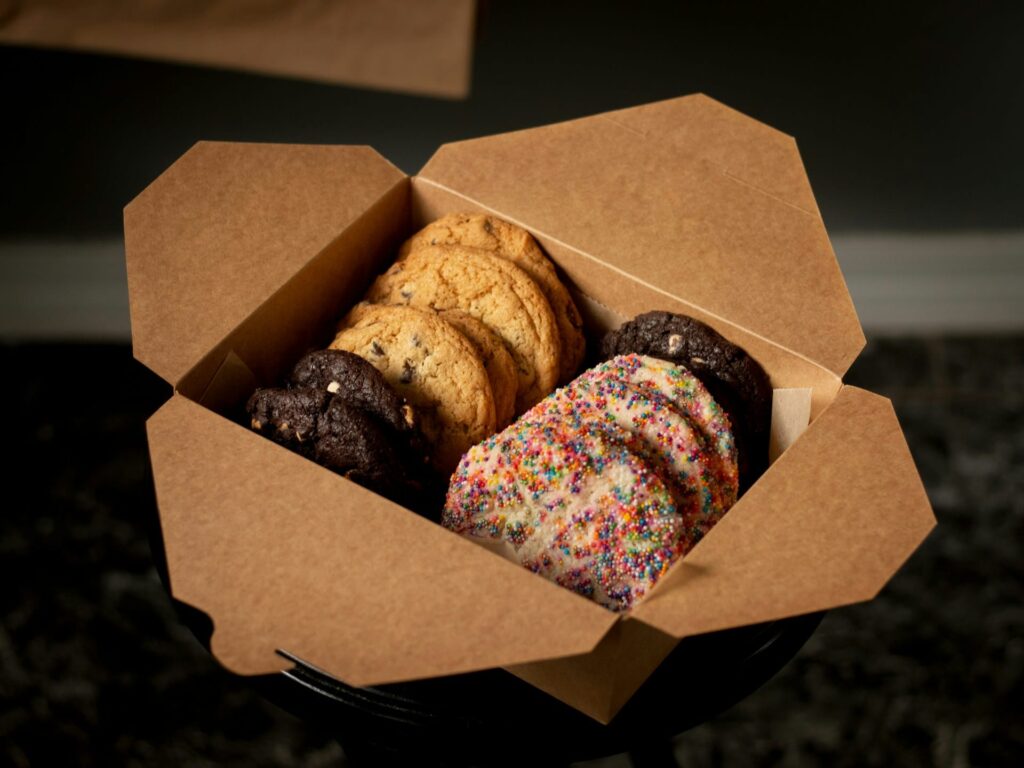
Material Properties: A Closer Look
Understanding the fundamental properties of kraft paper and plastic is crucial for making an informed packaging decision. Each material offers distinct advantages and disadvantages that directly influence its performance in food packaging applications.
Kraft Paper: Natural Strength and Breathability
Kraft paper is known for its high tensile strength, tear resistance, and natural brown appearance. It is produced from wood pulp with minimal bleaching, preserving the natural lignin and resulting in a stronger fiber. This material is inherently breathable, which can be beneficial for certain food items that require air circulation to maintain freshness, such as baked goods or fresh produce. However, this breathability also means it offers less protection against moisture and oxygen compared to plastic, unless specifically treated or coated.
Plastic: Versatility and Barrier Protection
Plastic packaging, encompassing a wide range of polymers like PET, PP, and PE, offers exceptional barrier properties. These materials can be engineered to provide excellent resistance to moisture, oxygen, and other gases, which is critical for preserving the freshness and extending the shelf life of many food products. Plastics are also highly versatile, allowing for transparent packaging that showcases the product, and can be easily molded into various shapes and sizes. However, their non-biodegradable nature and reliance on fossil fuels for production are significant environmental concerns.
Strength and Durability: Withstanding the Rigors of Transport
For B2B customers, especially those involved in distribution and logistics, the strength and durability of packaging are paramount. Packaging must protect the product from damage during handling, shipping, and storage.
Kraft Paper Boxes: Robust and Resilient
Modern kraft paper boxes are surprisingly robust. The long, strong fibers of kraft paper contribute to its inherent strength, making it suitable for packaging a variety of food items. For heavier or greasy foods, kraft paper boxes can be designed with thicker paperboard or specialized coatings to enhance their structural integrity and grease resistance. While they may not offer the same level of impact resistance as some rigid plastics, their ability to absorb shocks and resist tearing makes them a reliable choice for many applications. Reliancepak’s kraft paper boxes are engineered to meet the demands of rigorous supply chains, ensuring your products arrive safely.
Plastic Boxes: High Impact Resistance
Plastic boxes generally excel in impact resistance and can withstand significant pressure without deforming. This makes them ideal for fragile food items or those requiring rigid protection. Their inherent water resistance also prevents damage from spills or humid environments. However, plastic can be prone to cracking under extreme cold or becoming brittle over time, which can compromise its protective capabilities. Additionally, plastic packaging can be bulky, leading to higher storage and transportation costs compared to stackable paper alternatives.
Environmental Impact: A Growing Concern
In today’s market, environmental sustainability is no longer a niche consideration but a core business imperative. Consumers and regulators alike are increasingly demanding eco-friendly packaging solutions. This makes the environmental footprint a critical factor in the choice between kraft paper and plastic.
Biodegradability and Compostability
Kraft paper is inherently biodegradable and compostable, meaning it can naturally decompose and return to the earth without leaving harmful residues. This is a significant advantage in an era where landfills are overflowing. Uncoated kraft paper breaks down relatively quickly, typically within a few months, contributing to a circular economy. In contrast, most conventional plastics are not biodegradable and can persist in the environment for hundreds of years, breaking down into microplastics that pollute ecosystems.
Recyclability and Resource Efficiency
Kraft paper is widely recyclable, and its recycling process is generally less energy-intensive than that of many plastics. It can be recycled multiple times, reducing the demand for virgin materials. Many kraft paper products, including those from Reliancepak, are made from sustainably sourced wood pulp and often incorporate recycled content, further enhancing their resource efficiency. While some plastics are recyclable, the infrastructure for plastic recycling is often complex and varies widely by region, leading to lower actual recycling rates compared to paper.
Carbon Footprint
The production of kraft paper generally has a lower carbon footprint compared to plastic, especially when sourced from sustainably managed forests. Trees absorb carbon dioxide as they grow, offsetting some of the emissions from the manufacturing process. Additionally, the lighter weight of paper packaging can lead to reduced transportation emissions. Plastic production, on the other hand, relies heavily on fossil fuels, which are non-renewable resources, and its manufacturing process is typically more energy-intensive, resulting in higher greenhouse gas emissions.
Cost-Effectiveness and Customization
Beyond performance and environmental considerations, cost and the ability to customize packaging are vital for B2B clients.
Kraft Paper Boxes: Economical and Versatile for Branding
Kraft paper boxes are often a cost-effective packaging solution, particularly for bulk orders. The raw material is generally less expensive than many plastic resins, and the manufacturing process can be highly efficient. From a branding perspective, kraft paper offers a natural, rustic aesthetic that resonates with eco-conscious consumers. It provides an excellent surface for printing, allowing for vibrant graphics, logos, and product information. Reliancepak offers professional customization services for kraft paper boxes, enabling businesses to create unique and impactful packaging that reinforces their brand identity.
Plastic Boxes: Initial Investment and Design Flexibility
While the initial cost of plastic packaging can sometimes be higher, its durability and reusability (for certain applications) might offer long-term value. Plastic provides unparalleled design flexibility, allowing for intricate shapes, transparent windows, and hermetic seals. However, customization often involves more complex molding processes, which can increase tooling costs. For businesses prioritizing visual product display and specific functional requirements like airtight sealing, plastic remains a strong contender.
Key Considerations for B2B Clients
Choosing between kraft paper and plastic boxes requires a careful evaluation of various factors specific to your business needs and product characteristics. Here’s a summary of key considerations:
| Feature | Kraft Paper Boxes | Plastic Boxes |
|---|---|---|
| Material Cost | Generally lower, especially for bulk | Can be higher, depending on type and complexity |
| Strength | High tensile strength, tear-resistant, can be enhanced | High impact resistance, rigid |
| Moisture Barrier | Moderate (unless coated), breathable | Excellent (can be engineered for specific barriers) |
| Grease Resistance | Moderate (unless coated) | Good |
| Eco-Friendliness | Biodegradable, compostable, widely recyclable, lower carbon footprint | Non-biodegradable, recycling varies, higher carbon footprint |
| Customization | Excellent printability, natural aesthetic | High design flexibility, intricate shapes possible |
| Shelf Life Impact | Good for breathable items, less for moisture-sensitive | Excellent for extending shelf life |
| Brand Image | Eco-conscious, natural, rustic | Modern, clear, durable |
Conclusion
The decision between kraft paper boxes and plastic boxes is multifaceted, with each material presenting distinct advantages. For B2B clients, particularly those in the food industry, understanding these differences is crucial for making a strategic choice. Kraft paper boxes offer a compelling solution for businesses prioritizing sustainability, cost-effectiveness, and a natural brand image, without compromising on strength and customizability. With advancements in paper technology, kraft paper is increasingly capable of meeting diverse food packaging demands.
Reliancepak, as a leading provider of packaging solutions, offers a wide range of high-quality kraft paper boxes designed to meet the specific needs of food businesses. Our commitment to environmentally friendly materials, professional customization, and fast delivery ensures that you receive packaging that not only protects your products but also aligns with your corporate values and enhances your market presence. We invite you to explore our solutions and discover how kraft paper can be the ideal choice for your food packaging requirements.
FAQs
Q1: Are kraft paper boxes suitable for all types of food?
A1: Kraft paper boxes are highly versatile. For foods requiring moisture or grease protection, specialized coatings or liners can be applied to enhance their performance.
Q2: How does the cost of kraft paper boxes compare to plastic over time?
A2: While initial costs can vary, kraft paper often offers a more stable and generally lower cost per unit, especially considering the long-term environmental benefits and potential for reduced waste management fees.
Q3: Can Reliancepak customize kraft paper boxes with my brand logo?
A3: Yes, Reliancepak provides professional customization services, including printing your brand logo, designs, and product information on kraft paper boxes to enhance your brand visibility.
Q4: What makes Reliancepak’s kraft paper boxes a good choice for B2B food clients?
A4: Reliancepak’s kraft paper boxes combine strength, eco-friendliness, and customization options with fast delivery and competitive pricing, making them ideal for wholesale food packaging needs.
Q5: Are kraft paper boxes truly more sustainable than plastic?
A5: Generally, yes. Kraft paper is biodegradable, compostable, and more widely recyclable than most plastics, and its production typically has a lower carbon footprint, especially when sourced responsibly.