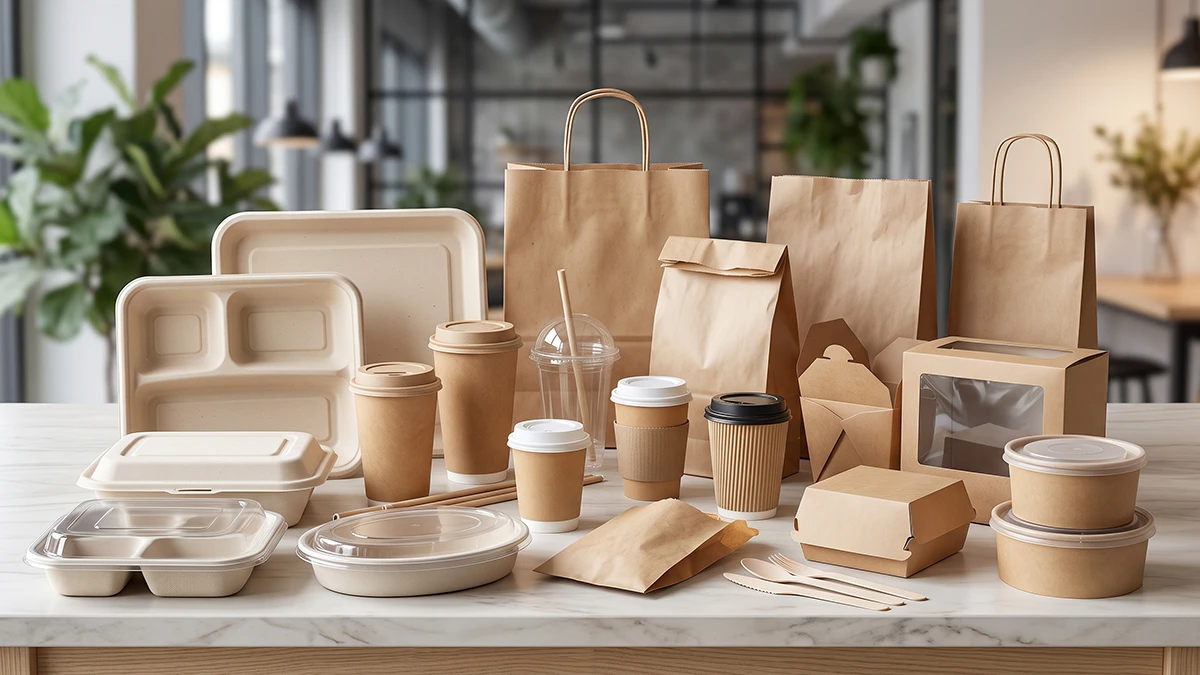

As the world increasingly shifts towards sustainable practices, businesses in the food industry are actively seeking eco-friendly alternatives for their packaging needs. Polylactic Acid (PLA) disposable containers have emerged as a prominent solution, offering a plant-based, compostable option that aligns with environmental goals. For B2B buyers, understanding the benefits, limitations, and certification processes of PLA is crucial for making informed decisions that support both business operations and sustainability commitments. This blog delves into the specifics of PLA, helping you navigate the landscape of green food packaging.
What is Polylactic Acid (PLA)?
Polylactic Acid, commonly known as PLA, is a bioplastic derived from renewable resources such as corn starch, sugarcane, or cassava roots. Unlike traditional plastics that are made from fossil fuels, PLA is a biodegradable and compostable polymer. This makes it an attractive alternative for single-use food packaging, aligning with global efforts to reduce plastic waste and promote a circular economy. Its versatility allows it to be molded into various forms, including cups, containers, and cutlery.
The Production Process of PLA
The production of PLA typically involves fermenting plant sugars to create lactic acid. This lactic acid is then polymerized to form long chains of polylactic acid. The resulting material can be processed using conventional plastic manufacturing techniques, such as extrusion, thermoforming, and injection molding, to create a wide range of disposable food containers. This bio-based origin is a key differentiator from petroleum-based plastics.
Advantages of PLA Disposable Containers
PLA disposable containers offer several compelling advantages, particularly for businesses and consumers focused on environmental responsibility. These benefits contribute to a more sustainable food packaging ecosystem.
Environmental Sustainability
One of the primary advantages of PLA is its environmental profile. Being derived from renewable resources, it reduces reliance on fossil fuels. Furthermore, under proper industrial composting conditions, PLA can break down into natural components, returning to the earth without leaving harmful residues. This significantly lowers its carbon footprint compared to conventional plastics.
Reduced Carbon Footprint
The production of PLA generally results in lower greenhouse gas emissions compared to petroleum-based plastics. This is due to the plant-based origin of its raw materials and the energy-efficient processes involved in its manufacturing. Businesses aiming to reduce their environmental impact can significantly benefit from incorporating PLA into their packaging strategy.
Non-Toxic and Food-Safe
PLA is considered a safe material for food contact. It does not contain harmful chemicals like BPA (Bisphenol A) or phthalates, which are sometimes found in traditional plastics. This makes PLA an excellent choice for packaging a wide variety of food products, ensuring consumer safety and meeting stringent food-grade certifications, similar to those Reliancepak adheres to for its products.
Versatility in Application
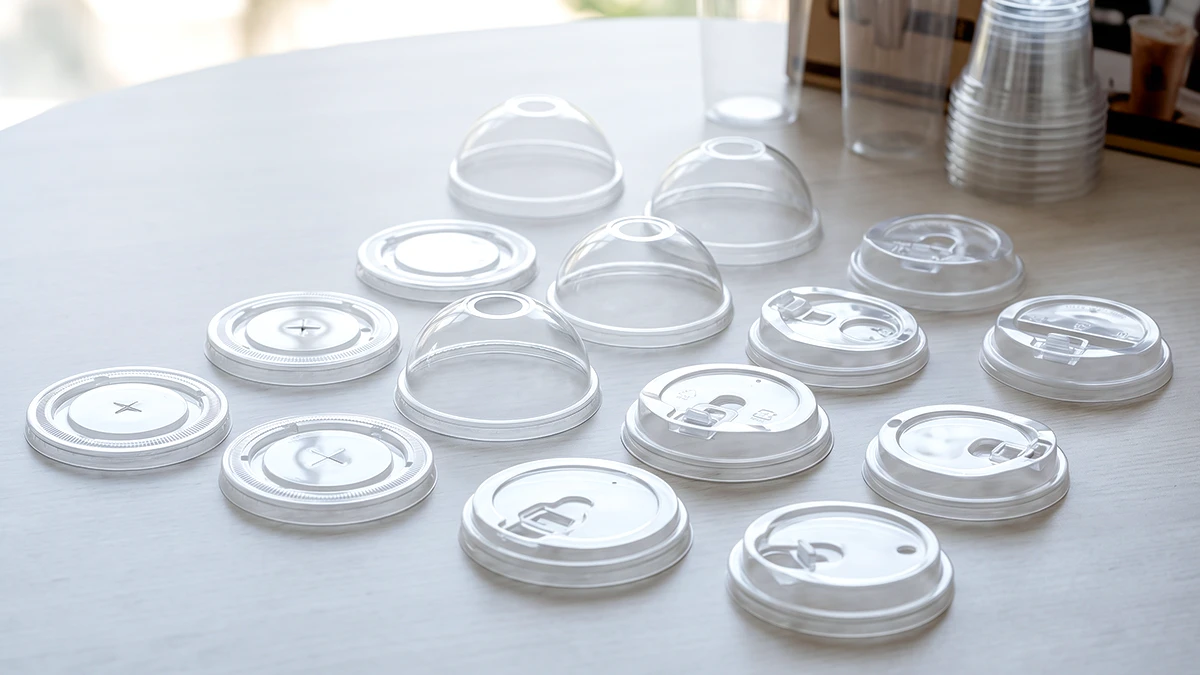
Despite its eco-friendly nature, PLA is a versatile material that can be used for various disposable food containers, including cold cups, deli containers, and clear clamshells. Its transparency and rigidity make it aesthetically pleasing and functional for showcasing food products. This versatility allows businesses to maintain product presentation while adopting sustainable practices.
Limitations of PLA Disposable Containers
While PLA offers significant environmental benefits, it also comes with certain limitations that B2B buyers need to be aware of. Understanding these constraints is essential for selecting the right packaging solution for specific applications.
Heat Sensitivity
One of the main limitations of PLA is its relatively low heat resistance. PLA containers can deform or melt when exposed to high temperatures, typically above 110-140°F (49-60°C). This makes them unsuitable for hot foods, microwave use, or dishwashers. For hot food applications, alternative materials like PP (Polypropylene) or paper-based containers with appropriate linings are generally preferred.
Industrial Composting Requirements
PLA is compostable, but it requires specific conditions found in industrial composting facilities to break down effectively. It will not readily decompose in home compost piles, landfills, or natural environments. This means that proper disposal infrastructure is crucial for PLA to fulfill its environmental promise. Businesses need to consider the availability of such facilities in their target markets.
Brittleness
Compared to some traditional plastics, PLA can be more brittle, especially in colder temperatures. This might make it more prone to cracking or breaking under stress, which could be a concern for certain applications or during transportation. Innovations in PLA blends are continuously addressing this issue to improve its durability.
Cost Considerations
Currently, PLA containers can be more expensive than their traditional plastic counterparts. While prices are becoming more competitive as production scales, the initial investment might be higher. However, the long-term benefits of sustainability and positive brand image often outweigh the increased cost for many businesses and their environmentally conscious customers.

PLA Certification: Ensuring True Compostability
For PLA disposable containers to be truly beneficial for the environment, they must be certified as compostable. Certification ensures that the material will break down within a specific timeframe and leave no harmful residues in the compost. This is a critical aspect for B2B buyers to verify when sourcing PLA products.
Key Certification Bodies and Standards
Several international and national organizations provide compostability certifications. The most recognized standards include:
- ASTM D6400 (USA): This standard specifies the requirements for plastics designed to be composted in municipal and industrial aerobic composting facilities.
- EN 13432 (Europe): This European standard outlines the requirements for packaging recoverable through composting and biodegradation. It sets criteria for disintegration, biodegradation, chemical composition, and ecotoxicity.
- BPI (Biodegradable Products Institute): A leading certification body in North America, BPI certifies products that meet ASTM D6400. Products with the BPI logo are guaranteed to be compostable in industrial facilities.
- TÜV AUSTRIA (OK Compost Industrial/Home): This certification body offers various compostability labels, including ‘OK Compost Industrial’ for industrial composting and ‘OK Compost HOME’ for home composting, though the latter is less common for packaging.
When procuring PLA containers, always look for these certification logos. They provide assurance that the products meet rigorous scientific standards for compostability. Reliancepak, as a responsible supplier, ensures its environmentally friendly materials hold relevant food-grade certificates, which often include compostability standards where applicable.
The Importance of Proper Disposal
Even with certification, the environmental benefits of PLA are only realized if the containers are disposed of correctly. Educating end-users about proper disposal—directing them to industrial composting facilities rather than landfills or recycling bins—is crucial. Misplaced PLA can contaminate recycling streams or persist in landfills where anaerobic conditions prevent proper breakdown.
PLA vs. Traditional Plastics: A Comparative Table
To provide a clearer understanding, here is a comparison between PLA and traditional petroleum-based plastics, highlighting key differences relevant to food packaging.
| Feature | PLA (Polylactic Acid) | Traditional Plastics (e.g., PET, PP) |
|---|---|---|
| Raw Material | Renewable resources (corn starch, sugarcane) | Fossil fuels (petroleum) |
| Biodegradability | Biodegradable and compostable (industrial conditions) | Non-biodegradable, persist for centuries |
| Carbon Footprint | Generally lower | Higher |
| Heat Resistance | Low (deforms above 110-140°F) | High (varies by type, generally higher) |
| Recyclability | Recyclable, but often limited by infrastructure | Widely recyclable, but often downcycled |
| Toxicity | Non-toxic, BPA-free | Some types may contain BPA or phthalates |
| Disposal | Industrial composting required | Landfill, recycling |
| Clarity | High (similar to PET) | High (for clear plastics like PET) |
| Brittleness | Can be more brittle, especially when cold | Generally more flexible and durable |
Frequently Asked Questions (FAQ)
Q1: Can PLA containers be microwaved?
A1: No, PLA containers are not suitable for microwaving. They have a low heat resistance and can deform or melt when exposed to high temperatures. For microwaveable applications, materials like polypropylene (PP) are a better choice.
Q2: Are PLA containers truly eco-friendly?
A2: PLA containers are considered more eco-friendly than traditional plastics because they are made from renewable resources and are compostable in industrial facilities. However, their environmental benefit depends on proper disposal, as they require specific conditions to break down effectively.
Q3: How should I dispose of PLA containers?
A3: PLA containers should be disposed of in industrial composting facilities. They are not typically accepted in standard recycling bins, as they can contaminate plastic recycling streams. Check with your local waste management services for specific guidelines on composting bioplastics.
Q4: What is the shelf life of PLA containers?
A4: PLA containers have a stable shelf life under normal storage conditions, similar to traditional plastics. They will not degrade prematurely on shelves. Degradation only occurs when exposed to the specific conditions found in industrial composting environments (high heat, moisture, and microbial activity).
Q5: Can PLA containers be used for hot food?
A5: PLA containers are generally not recommended for hot food due to their low heat resistance. They are best suited for cold or ambient temperature foods. For hot food applications, consider other materials like paperboard with bio-linings or heat-resistant plastics.