
In today’s dynamic food industry, ensuring the safety and integrity of food products is paramount. From restaurants offering takeout to food manufacturers distributing across vast supply chains, the need for reliable packaging solutions has never been more critical. Tamper-evident disposable containers play a pivotal role in this, providing a visible assurance to consumers that their food has remained untouched since it was packaged. This not only builds invaluable consumer trust but also helps businesses comply with stringent food safety regulations. As a B2B buyer, understanding the nuances of these containers is essential for making informed procurement decisions that safeguard your products and reputation.
What is Tamper-Evident Packaging?
Tamper-evident packaging refers to any packaging design that makes it obvious if the container has been opened or altered. This provides a clear visual signal to consumers, assuring them that the product inside is safe and has not been compromised. Unlike tamper-proof packaging, which aims to prevent tampering entirely, tamper-evident designs focus on making any interference immediately detectable. This distinction is crucial for both consumer confidence and regulatory compliance in the food industry.
Why is Tamper-Evident Packaging Essential for Food?
For businesses dealing with food products, the integrity of packaging directly impacts consumer health and brand reputation. Tamper-evident features act as a critical line of defense against accidental or malicious contamination. They help prevent product pilferage, ensure food safety during transit, and maintain the quality of perishable goods. Ultimately, these features foster a sense of security and trust among end-users, which is invaluable in today’s competitive market.

Types of Tamper-Evident Features in Disposable Containers
Various mechanisms are employed to create tamper-evident disposable containers, each offering a distinct visual cue if compromised. Understanding these types helps businesses select the most appropriate solution for their specific products and distribution channels. The goal is always to provide a clear, irreversible indication of tampering.
Tear Strips and Bands
Many disposable containers feature tear strips or bands that must be broken to open the package. Once broken, these strips cannot be reattached without visible damage. This method is common in beverage bottles and some food containers, providing an immediate visual alert to the consumer.
Breakable Lids and Seals
Some containers are designed with lids or seals that fracture or deform upon opening. This can include plastic lids with perforations that break when twisted, or heat-sealed films that tear. The irreversible nature of the break signifies that the container has been accessed.
Induction Seals
Induction seals are a popular choice for many food products. A foil or film liner is heat-sealed to the rim of the container, creating an airtight barrier. If the seal is peeled back, it leaves a clear residue or visible damage on the container rim, indicating tampering.
Tamper-Evident Flags or Tabs
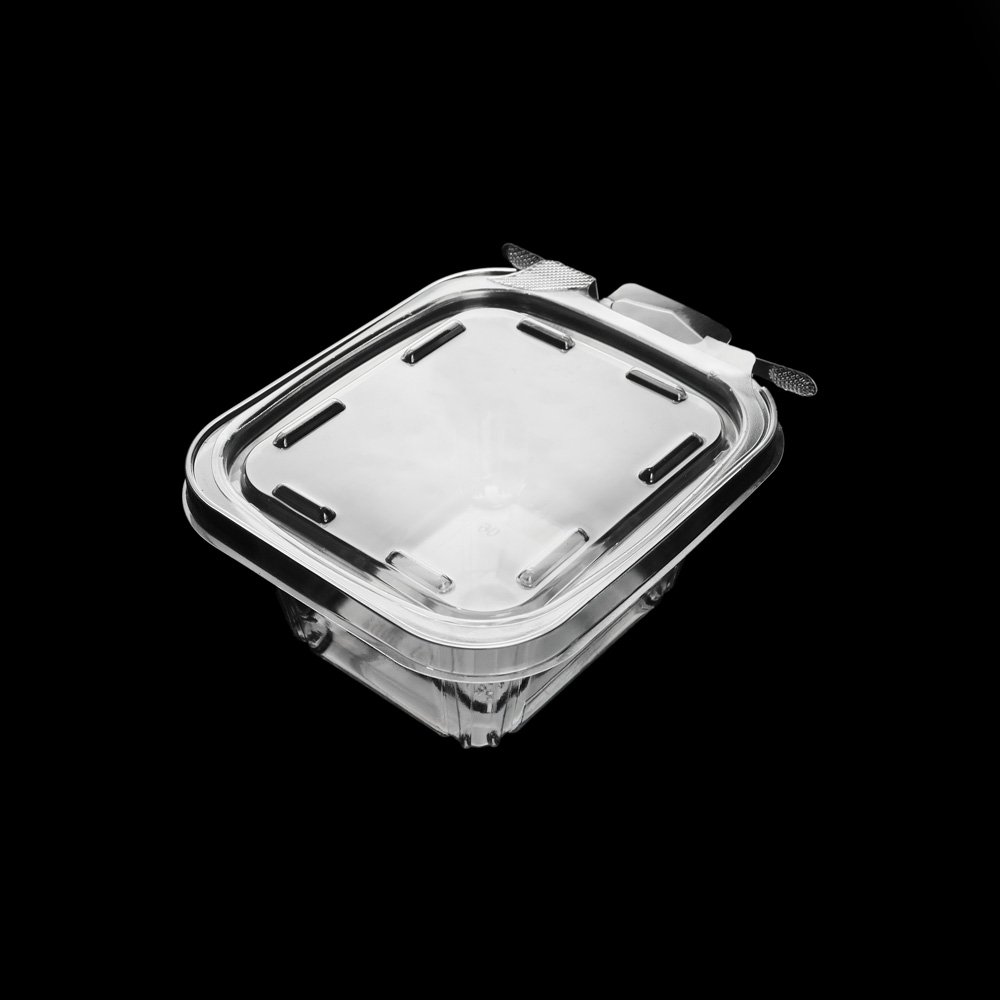
Innovative designs incorporate small plastic flags or tabs that pop up or detach when the container is opened. These flags are often integrated into the lid mechanism and are designed to remain in an altered state once activated, providing a simple yet effective visual indicator.
Vacuum Seals and Pressure Indicators
For certain products, vacuum-sealed containers are used. Any breach of the seal will release the vacuum, often causing the lid to pop or a button to depress. This change in pressure provides a clear audible and tactile indication of tampering.
FDA Compliance and Food Safety Regulations
Adhering to regulatory standards is non-negotiable for any business in the food industry. The U.S. Food and Drug Administration (FDA) sets forth strict guidelines to ensure the safety of food packaging materials and their contact with food. For disposable containers, this means ensuring that the materials used are food-grade and do not leach harmful substances into the food. Tamper-evident features, while not always explicitly mandated for every product, contribute significantly to overall food safety and consumer protection, aligning with the spirit of FDA regulations.
The Importance of FDA Regulations for Food Packaging
FDA regulations are designed to protect public health by ensuring that food packaging is safe and does not compromise the quality or safety of the food it contains. Compliance demonstrates a commitment to consumer well-being and helps businesses avoid legal issues and reputational damage. For B2B buyers, sourcing from suppliers like Reliancepak, who offer products with Food Grade Certificate EU and FDA, provides an assurance of quality and compliance.
Key FDA Considerations for Disposable Food Containers
When selecting disposable containers, it is crucial to verify that they meet FDA standards for direct food contact. This includes evaluating the chemical composition of the materials, ensuring they are free from harmful contaminants, and confirming that they can withstand various food types and temperatures without degradation. Furthermore, any components that contribute to tamper-evidence must also be food-safe and not interfere with the product.
Benefits of Tamper-Evident Packaging for Businesses
Implementing tamper-evident disposable containers offers a multitude of advantages for businesses in the food sector. These benefits extend beyond mere compliance, contributing significantly to operational efficiency, brand reputation, and customer loyalty. By investing in secure packaging, companies can mitigate risks and enhance their market position.
Enhanced Brand Reputation and Trust
In an era where food safety concerns are paramount, a visible commitment to product integrity through tamper-evident packaging builds immense trust with consumers. This trust translates into a stronger brand reputation, as customers associate your brand with reliability and care. A positive perception can lead to repeat business and positive word-of-mouth referrals.
Reduced Liability and Risk
Tampering incidents can lead to severe consequences, including product recalls, legal battles, and significant financial losses. Tamper-evident features act as a deterrent and provide clear evidence of external interference, thereby reducing a business’s liability in such unfortunate events. This proactive approach to safety minimizes risks across the supply chain.
Compliance with Industry Standards
While specific mandates vary by region and product, many industry standards and best practices strongly recommend or require tamper-evident packaging for certain food items. Adhering to these guidelines ensures that your products can be distributed widely and meet the expectations of regulators and partners. Reliancepak, for instance, ensures its products meet stringent standards, offering peace of mind to B2B buyers.
Streamlined Quality Control
Tamper-evident seals simplify quality control processes. Any broken or compromised seal is immediately identifiable, allowing for quick removal of affected products before they reach the consumer. This efficiency in identifying and isolating issues helps maintain overall product quality and reduces waste.
Benefits of Tamper-Evident Packaging for Consumers
For the end-user, tamper-evident disposable containers provide an essential layer of security and peace of mind. In a world where food safety is a growing concern, these packaging solutions empower consumers to make informed decisions about the products they purchase and consume.
Assurance of Product Integrity
Consumers can visually inspect the packaging for any signs of tampering before opening. This direct assurance that the product has not been opened or altered since leaving the manufacturer or food service provider is invaluable. It builds confidence in the safety and authenticity of the food.
Protection Against Contamination
By clearly indicating any breach, tamper-evident packaging protects consumers from potentially contaminated or adulterated food. This is particularly important for ready-to-eat meals, delivery services, and products consumed directly from the container. It safeguards health and prevents unpleasant surprises.
Increased Confidence in Food Delivery
With the rise of food delivery services, tamper-evident packaging has become crucial. It assures customers that their meal has not been interfered with during transit, from the restaurant kitchen to their doorstep. This enhances the overall delivery experience and reinforces trust in both the food provider and the delivery platform.
Choosing the Right Tamper-Evident Disposable Containers
Selecting the appropriate tamper-evident disposable containers involves considering several factors to ensure they meet your specific business needs and product requirements. The right choice balances security, functionality, cost-effectiveness, and sustainability.
Material Considerations
Disposable containers are made from various materials, each with unique properties. Common options include PET (Polyethylene Terephthalate), PP (Polypropylene), and various paper-based solutions. PET is often chosen for its clarity and barrier properties, while PP offers good heat resistance, making it suitable for microwaveable applications. When considering materials, always prioritize food-grade certifications and compatibility with your product.
Product Compatibility and Application
Consider the type of food product you are packaging. Is it hot or cold? Liquid or solid? Does it require a strong barrier against oxygen or moisture? The container must be suitable for the food’s temperature, consistency, and shelf-life requirements. For instance, a container for hot soup will need different properties than one for a cold salad.
Supply Chain and Distribution Needs
Evaluate your supply chain. How will the containers be transported? Will they be stacked? Do they need to withstand rough handling? Robust tamper-evident features are crucial for products that undergo extensive transit or multiple handling points. Ensure the chosen design remains effective throughout the entire distribution process.
Cost-Effectiveness and Efficiency
While security is paramount, cost-effectiveness is also a key consideration for B2B buyers. Evaluate the unit cost of the containers, as well as any associated costs for sealing equipment or labor. Efficient packaging processes can lead to significant savings in the long run. Reliancepak offers competitive pricing for high-quality solutions, ensuring value for money.
Sustainability Goals
Many businesses are increasingly focused on environmental responsibility. Consider containers made from recycled content, or those that are recyclable or compostable. Balancing tamper-evidence with sustainability goals can be challenging but is becoming increasingly important for brand image and consumer preference. Look for certifications that validate environmental claims.
Comparative Overview of Tamper-Evident Features
To further assist in selecting the ideal tamper-evident disposable containers, here is a comparative overview of common features, highlighting their characteristics and typical applications.
| Feature Type | Description | Visual Indication of Tampering | Common Applications |
|---|---|---|---|
| Tear Strips/Bands | A perforated strip that breaks upon opening. | Broken or missing strip/band | Beverage bottles, some deli containers |
| Breakable Lids | Lids designed to fracture or deform when opened. | Cracked lid, broken perforations | Yogurt cups, single-serve food containers |
| Induction Seals | Heat-sealed foil/film liner on container rim. | Torn foil, residue on rim, missing seal | Jars (sauces, nuts), some dairy products |
| Tamper-Evident Flags | Small plastic flags/tabs that detach or pop up. | Flag/tab in altered position or missing | Deli containers, ready-meal packaging |
| Vacuum Seals | Container is sealed under vacuum; pressure release. | Lid pop, button depress, hissing sound | Jars (pickles, jams), some fresh produce packaging |
Frequently Asked Questions (FAQ)
Q1: What is the difference between tamper-evident and tamper-proof packaging?
A1: Tamper-evident packaging is designed to show visible signs if it has been opened or altered, making any interference obvious. Tamper-proof packaging, on the other hand, aims to prevent tampering entirely, which is often difficult to achieve in practice. The focus for food safety is primarily on tamper-evidence, as it provides a clear indication of compromise.
Q2: How does tamper-evident packaging contribute to food safety?
A2: Tamper-evident packaging enhances food safety by providing a visual cue that the product has not been opened or contaminated since it was packaged. This helps prevent accidental or malicious adulteration, protects against product pilferage, and ensures the integrity of the food during storage and transit.
Q3: Are tamper-evident disposable containers recyclable?
A3: Many tamper-evident disposable containers are indeed recyclable, depending on the material they are made from (e.g., PET, PP). It is important to check the recycling symbols on the container and local recycling guidelines. Businesses like Reliancepak often offer environmentally friendly options that are both tamper-evident and recyclable.
Q4: What are the FDA requirements for tamper-evident food packaging?
A4: While the FDA does not mandate tamper-evident packaging for all food products, it does have strict regulations regarding food contact materials. All materials used in tamper-evident containers must be food-grade and safe for their intended use. For certain over-the-counter drugs and some food products, specific tamper-evident features may be required. Always ensure your supplier complies with relevant food safety standards.
Q5: How can I tell if a tamper-evident container has been opened?
A5: Signs of tampering vary depending on the type of feature. Look for broken tear strips, fractured lids, lifted or torn induction seals, missing or altered flags/tabs, or a loss of vacuum (e.g., a popped lid or button). Any visible sign of compromise indicates that the container should not be consumed.