
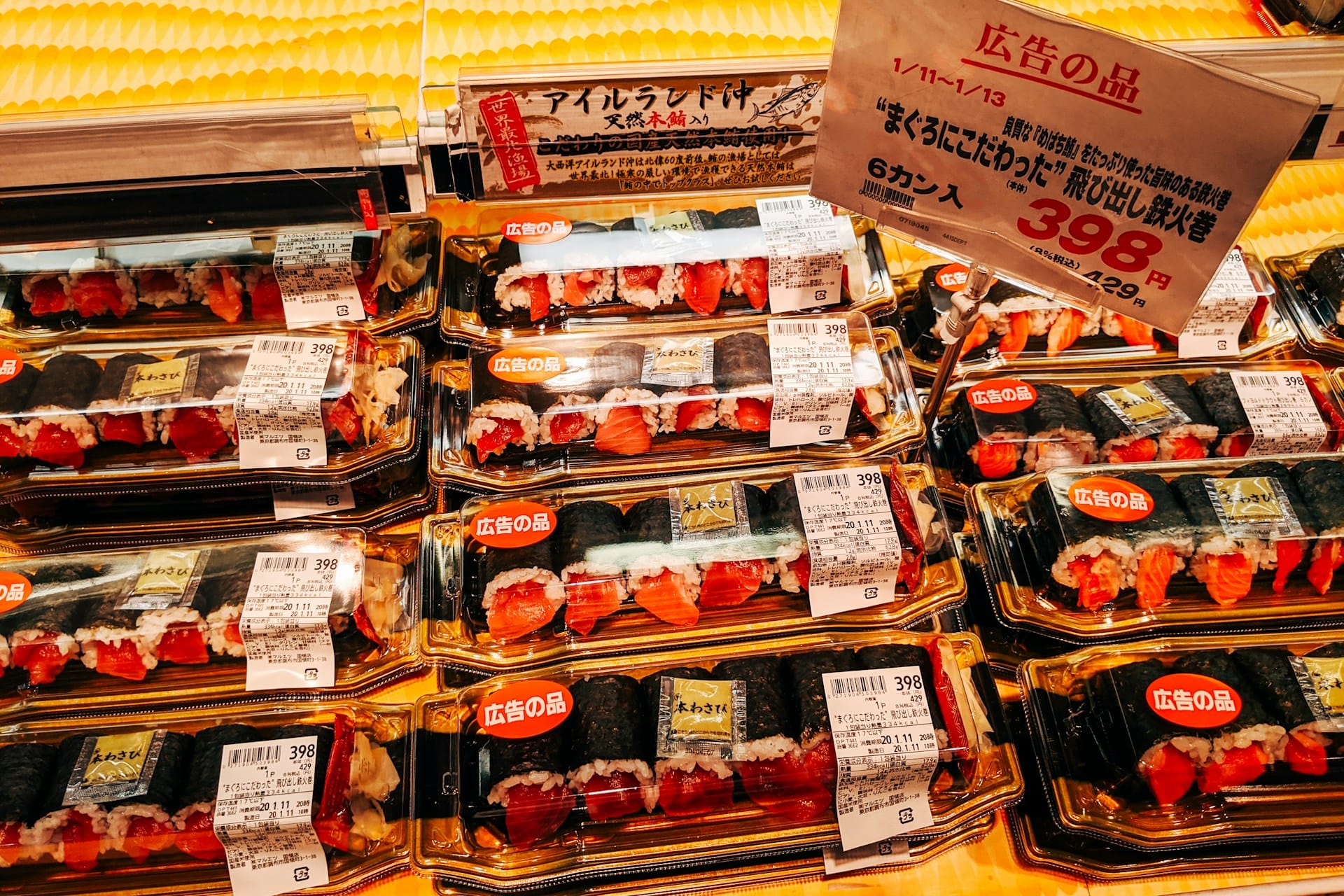
In an increasingly complex global supply chain, ensuring product integrity and consumer safety has never been more critical. Tamper-evident packaging serves as a vital safeguard, providing clear visual cues if a product has been opened or compromised. For B2B clients, understanding the nuances of various tamper-evident features is essential for selecting the most effective and appropriate solutions for their specific products and industries. This blog post will delve into the diverse world of tamper-evident features, exploring their mechanisms, applications, and how they contribute to building consumer trust and protecting brand reputation.
What Defines a Tamper-Evident Feature?
Beyond Tamper-Proof: The Concept of Evidence
It’s crucial to distinguish between “tamper-proof” and “tamper-evident.” A product is rarely truly tamper-proof, meaning it’s impossible to open or alter. Instead, tamper-evident features are designed to make any unauthorized access immediately and visibly apparent. The goal is not to prevent tampering entirely, but to provide undeniable evidence that tampering has occurred. This allows consumers and retailers to identify and reject compromised products, thereby protecting public safety and brand integrity.
Key Characteristics of Effective Tamper-Evident Features
An effective tamper-evident feature possesses several key characteristics:
- Irreversibility: Once broken or altered, the feature cannot be easily restored to its original, intact state without leaving clear signs of damage.
- Visibility: The evidence of tampering must be easily noticeable to the average consumer without special tools or expertise. This often involves a change in appearance, such as a tear, a broken seal, or a color change.
- Uniqueness: The method of indicating tampering should be difficult to replicate or circumvent. This often involves complex designs or specialized materials.
- Integration: Ideally, the tamper-evident feature is an integral part of the packaging design, rather than an easily removable or replaceable add-on. This makes it harder to bypass.
- Clarity: The purpose of the feature and the meaning of its compromised state should be clear to the consumer. Simple, intuitive indicators are most effective.
The Role of Visual Cues
Visual cues are at the heart of tamper-evident technology. These cues act as a silent alarm, signaling a potential risk. For example, a torn shrink band on a bottle, a lifted security label on a box, or a broken plastic ring on a cap all serve as immediate warnings. These visual indicators empower consumers to make informed decisions, ensuring they only consume products that appear safe and untampered.
Why Diverse Tamper-Evident Features Matter
Addressing Varied Product Needs
No single tamper-evident feature is a one-size-fits-all solution. Different products, packaging types, and distribution channels require distinct approaches to security. For instance, a liquid product in a bottle will benefit from a shrink band or an induction seal, while a dry food product in a carton might be better served by a tear strip or an integrated locking mechanism. The diversity of tamper-evident features allows businesses to select the most appropriate and effective solution tailored to their specific product characteristics and packaging design.
Adapting to Industry Regulations and Standards
Various industries have unique regulatory landscapes and safety standards. The pharmaceutical industry, for example, often has more stringent requirements for tamper-evident packaging than the general retail sector. By having a diverse range of features available, manufacturers can ensure compliance with specific industry regulations, whether it’s the FDA guidelines for food and drugs or other international standards. This adaptability is crucial for market access and avoiding costly penalties.
Countering Evolving Tampering Methods
As packaging technology advances, so do methods of tampering. A diverse portfolio of tamper-evident features allows manufacturers to stay ahead of potential threats. By combining different types of features or adopting newer, more sophisticated technologies, businesses can create multi-layered security systems that are harder to defeat. This continuous evolution and adaptation are essential for maintaining product integrity in a dynamic environment.
Enhancing Consumer Confidence Across Categories
Consumers encounter a vast array of products daily, each with its own packaging. Familiarity with different tamper-evident features across various product categories helps build overall consumer confidence. When consumers consistently see clear and effective tamper-evident indicators, regardless of the product type, their trust in the safety of packaged goods grows. This widespread application of diverse features reinforces the message that product safety is a universal priority.
Optimizing Cost and Efficiency
While security is paramount, businesses also need to consider cost-effectiveness and production efficiency. The availability of diverse tamper-evident features allows companies to choose solutions that not only meet their security needs but also align with their budget and operational capabilities. Some features might be more cost-effective for high-volume production, while others might offer superior security for high-value items. This flexibility enables businesses to optimize their packaging strategy without compromising on essential safety measures.
Here’s a table outlining why diverse tamper-evident features are important:
| Reason | Explanation | Benefit |
|---|---|---|
| Varied Product Needs | Different products require different security mechanisms. | Tailored protection for specific product characteristics. |
| Industry Regulations | Compliance with specific industry and regional standards. | Market access, legal compliance, enhanced reputation. |
| Evolving Tampering Methods | Stay ahead of new tampering techniques. | Robust, multi-layered security against emerging threats. |
| Consumer Confidence | Consistent safety indicators across diverse products. | Increased consumer trust and peace of mind. |
| Cost & Efficiency | Optimize solutions based on budget and production capabilities. | Cost-effective security without compromising safety. |
Mechanical Tamper-Evident Features
Mechanical tamper-evident features are integrated directly into the physical design of the packaging, relying on structural elements that are irreversibly altered upon opening. These features are often highly effective because they are an inherent part of the container itself, making them difficult to bypass or replicate.
Breakaway Caps and Rings
One of the most common mechanical features, particularly for bottles and jars, is the breakaway cap or ring1. These caps have a plastic ring at the base that is connected to the main cap by small plastic bridges. When the cap is twisted open for the first time, these bridges snap, detaching the ring from the cap. The detached or broken ring provides clear visual and tactile evidence that the product has been opened. This is widely used in beverages, dairy products, and some pharmaceutical containers.
Tear Strips and Perforations
Tear strips and perforations are frequently found on cartons, boxes, and flexible packaging. A tear strip is a narrow band that must be torn to open the package, and once torn, it cannot be reattached without visible damage. Perforations, on the other hand, are lines of small holes that weaken the material, allowing a section of the packaging to be easily torn away. Both methods create an irreversible opening, making any prior access evident. You often see these on cereal boxes, snack bags, and some medical packaging.
Integrated Locking Mechanisms
Some packaging designs incorporate integrated locking mechanisms that are part of the container’s structure. These might involve tabs that interlock in a specific way, requiring them to be broken or significantly distorted to open the package. Once broken, the tabs cannot be re-engaged, providing clear evidence of tampering. This is particularly common in paperboard cartons and some plastic containers where the design itself acts as the security feature.
Pop-Up Indicators
Certain mechanical features include pop-up indicators, often seen on vacuum-sealed jars or containers. When the vacuum seal is broken, a button or a section of the lid pops up, indicating that the seal has been compromised. This provides an immediate and unmistakable visual and sometimes audible (a ‘pop’ sound) cue of tampering, reassuring consumers about the product’s freshness and integrity.
Here’s a table summarizing common mechanical tamper-evident features:
| Feature Type | Description | Common Applications | Evidence of Tampering |
|---|---|---|---|
| Breakaway Caps/Rings | Plastic ring detaches from cap upon first opening. | Beverages, dairy, pharmaceuticals | Broken or detached ring |
| Tear Strips | Narrow band that must be torn to open; cannot be reattached. | Cartons, boxes, flexible packaging | Torn strip, visible damage |
| Perforations | Lines of small holes allowing a section to be torn away. | Cereal boxes, snack bags, medical packaging | Torn or removed perforated section |
| Integrated Locking Mechanisms | Structural tabs or designs that break when opened. | Paperboard cartons, some plastic containers | Broken or distorted tabs/structure |
| Pop-Up Indicators | Button or lid section pops up when vacuum seal is broken. | Vacuum-sealed jars, food containers | Raised button/section, loss of vacuum seal |
Adhesive-Based Tamper-Evident Features
Adhesive-based tamper-evident features rely on specialized glues or sticky materials that provide evidence of tampering when disturbed. These are versatile and can be applied to a wide range of packaging types.
Pressure-Sensitive Labels and Seals
Pressure-sensitive labels and seals are perhaps the most common adhesive-based tamper-evident features. These labels are applied over the opening of a package, and when an attempt is made to remove them, they either self-destruct (e.g., tear into small pieces, leave a ‘void’ message) or leave a clear residue on the package. This makes it impossible to remove and reapply the label without visible signs of tampering. They are widely used on jars, bottles, cartons, and electronics packaging.
Security Tapes
Security tapes function similarly to pressure-sensitive labels2 but are designed for sealing larger openings or cartons. These tapes often feature hidden messages (e.g., ‘OPENED,’ ‘VOID’) that become visible only when the tape is peeled away. Some security tapes also leave a non-removable residue on the surface of the package, providing permanent evidence of a breach. They are a popular choice for shipping cartons and high-value product packaging.
Induction Seals
Induction seals consist of a multi-layered liner, typically including a foil layer, that is placed inside the cap of a container. After the cap is applied, the container passes through an electromagnetic field, which heats the foil layer and melts a polymer coating, bonding the liner to the rim of the container. When the cap is removed, the foil seal is visibly torn or detached, indicating that the product has been opened. This method provides an excellent barrier against leaks and contamination, making it a staple in the food, beverage, and pharmaceutical industries.
Destructible Labels
Destructible labels are designed to break apart into tiny fragments if any attempt is made to remove them. This makes it impossible to peel off the label in one piece and reapply it. They are often used for warranty seals, asset tagging, and to prevent product counterfeiting, as any attempt to transfer the label will result in its destruction.
Here’s a table summarizing common adhesive-based tamper-evident features:
| Feature Type | Description | Common Applications | Evidence of Tampering |
|---|---|---|---|
| Pressure-Sensitive Labels | Labels that self-destruct or leave residue upon removal. | Jars, bottles, cartons, electronics | Torn label, ‘VOID’ message, residue |
| Security Tapes | Tapes with hidden messages that appear when peeled. | Shipping cartons, high-value product packaging | ‘OPENED’ message, non-removable residue |
| Induction Seals | Foil liner heat-sealed to container rim under cap. | Food, beverages, pharmaceuticals | Torn or detached foil seal |
| Destructible Labels | Labels designed to break into fragments upon removal. | Warranty seals, asset tags, anti-counterfeiting | Fragmented label, impossible to remove cleanly |
Material-Based Tamper-Evident Features
Material-based tamper-evident features leverage the inherent properties of the packaging material itself to indicate tampering. These often involve specialized films, coatings, or printing techniques that are difficult to replicate or manipulate.
Shrink Sleeves and Bands
Shrink sleeves and bands are made from heat-shrinkable plastic films that conform tightly to the contours of a product or its closure when heat is applied. For tamper evidence, a band is typically applied over the cap and neck of a bottle or jar. If the product has been opened, the shrink band will be visibly broken or removed, and it cannot be reapplied without heat. Full-body shrink sleeves can also incorporate perforations that tear upon opening, providing clear evidence. These are widely used for beverages, sauces, and pharmaceutical products.
Holographic Films and Foils
Holographic films and foils incorporate complex, multi-dimensional images that are extremely difficult to counterfeit. When used as a tamper-evident feature, these holograms are often applied as seals or labels that are designed to self-destruct or leave a void message if an attempt is made to remove them. Any distortion or damage to the hologram immediately signals tampering. They are commonly found on high-value goods, electronics, and pharmaceutical packaging to combat counterfeiting and ensure authenticity.
Color-Changing Inks and Coatings
Innovations in inks and coatings have led to the development of color-changing features that indicate tampering. These can include thermochromic inks that change color with temperature fluctuations (e.g., if a frozen product thaws and refreezes), or inks that react to specific chemicals or physical stress. While less common as primary tamper-evident features, they can serve as an additional layer of security, particularly for sensitive products.
Specialty Films with Integrated Security
Some advanced packaging films are engineered with integrated security features. These might include films with embedded micro-text, unique patterns that distort upon stretching, or layers that separate irreversibly when peeled. These specialty films offer a high level of security and are often used for high-security applications where counterfeiting or tampering is a significant concern.
Here’s a table summarizing common material-based tamper-evident features:
| Feature Type | Description | Common Applications | Evidence of Tampering |
|---|---|---|---|
| Shrink Sleeves/Bands | Heat-shrinkable film applied over product/closure. | Beverages, sauces, pharmaceuticals | Broken, torn, or removed film |
| Holographic Films/Foils | Complex, multi-dimensional images that self-destruct. | High-value goods, electronics, pharmaceuticals | Distorted, damaged, or removed hologram |
| Color-Changing Inks/Coatings | Inks/coatings that change color due to temperature/chemical changes. | Sensitive products (e.g., frozen foods, chemicals) | Color change, visible reaction |
| Specialty Films | Films with embedded micro-text, distorting patterns, or irreversible layers. | High-security applications, sensitive documents | Distorted patterns, separated layers, visible micro-text damage |
Integrated Tamper-Evident Designs
Integrated tamper-evident designs represent a more holistic approach, where the security feature is not merely an add-on but an intrinsic part of the packaging structure itself. This often involves clever engineering and design that makes the package inherently tamper-evident.
Carton Designs with Integrated Locks
Many paperboard cartons now feature integrated locking mechanisms that are part of the die-cut design. These might include tabs that interlock in a specific way, requiring them to be torn or significantly distorted to open the package. Once broken, these tabs cannot be re-engaged, providing clear evidence of tampering. This is common for food products, pharmaceuticals, and consumer goods where the carton itself acts as the primary security barrier.
Blister Packs and Strip Packs
Blister packs and strip packs are widely used in the pharmaceutical industry. A blister pack consists of a thermoformed plastic cavity that holds the product, sealed with a paperboard or foil backing. To access the product, the consumer must push through the backing, irreversibly breaking the seal. Strip packs are similar, with products individually sealed between two layers of flexible material. Both designs ensure that each individual unit is protected and that any attempt to remove a product leaves clear evidence.
Container Designs with Non-Reclosable Features
Some containers are designed to be non-reclosable once opened, or to show clear signs if an attempt is made to reclose them. This can involve specialized closures that break upon first opening, or designs that prevent a perfect reseal. For example, some single-serve beverage containers have caps that, once twisted off, cannot be fully re-secured without visible damage to the cap or bottle neck. This ensures that the product cannot be tampered with and then resealed to appear untouched.
Custom-Molded Plastic Containers with Integrated Seals
Advancements in plastic molding allow for the creation of custom containers with integrated tamper-evident features. This can include a tear-away strip that is part of the molded lid, or a unique hinge design that breaks upon first opening. These designs are often seen in deli containers, yogurt cups, and other food packaging, where the container and its tamper-evident feature are manufactured as a single, cohesive unit.
Here’s a table summarizing integrated tamper-evident designs:
| Design Type | Description | Common Applications | Evidence of Tampering |
|---|---|---|---|
| Carton Designs with Integrated Locks | Die-cut tabs or structural elements that break upon opening. | Food products, pharmaceuticals, consumer goods | Torn tabs, distorted carton structure |
| Blister Packs/Strip Packs | Product sealed in individual cavities, requiring irreversible breach to access. | Pharmaceuticals, small electronics, batteries | Pushed-through backing, torn foil/material |
| Non-Reclosable Features | Closures or designs that prevent perfect resealing after first opening. | Single-serve beverages, some food containers | Broken cap, visible damage to closure/neck |
| Custom-Molded Plastic Containers | Tear-away strips or unique hinge designs molded into the container/lid. | Deli containers, yogurt cups, food packaging | Broken tear-away strip, fractured hinge |
Advanced and Emerging Tamper-Evident Technologies
The landscape of tamper-evident packaging is continuously evolving, with new technologies emerging to combat increasingly sophisticated tampering methods. These advanced solutions often leverage digital and material science innovations to provide enhanced security and traceability.
Smart Packaging with IoT Integration
Smart packaging integrates digital technologies like QR codes, NFC (Near Field Communication) tags, and RFID (Radio-Frequency Identification) chips directly into the packaging. These technologies can be linked to databases that track a product’s journey through the supply chain. If a package is opened or tampered with, the embedded sensor can trigger an alert, providing real-time evidence of a breach. Consumers can also scan these codes with their smartphones to verify authenticity and check if the product has been compromised. This offers a dynamic and highly secure form of tamper evidence.
Forensic Tamper-Evident Features
Forensic tamper-evident features are designed to leave microscopic or chemical evidence of tampering that may not be immediately visible to the naked eye but can be detected with specialized tools. This can include unique chemical markers in adhesives that change composition upon disturbance, or micro-engravings that are only visible under magnification. These features are particularly useful for high-value goods or products where even subtle tampering needs to be detected.
Biometric and DNA-Based Security
Pushing the boundaries of security, some emerging technologies involve biometric or DNA-based authentication. While still in early stages for mass-market packaging, these concepts involve incorporating unique biological markers into the packaging material or seals. Any attempt to replicate or alter the packaging would be detectable through forensic analysis of these markers, offering an unparalleled level of security against counterfeiting and tampering.
Time-Temperature Indicators (TTIs)
While not strictly tamper-evident in the traditional sense, Time-Temperature Indicators (TTIs) are crucial for products sensitive to temperature fluctuations, particularly in the food and pharmaceutical industries. These labels change color or appearance irreversibly if a product has been exposed to temperatures outside its safe range for a certain period. This indicates a potential compromise in product quality or safety, which can be a form of indirect tampering evidence, especially for perishable goods.
Blockchain for Supply Chain Transparency
Beyond the physical packaging, blockchain technology is being explored to create an immutable, transparent record of a product’s journey from manufacturing to consumer. Each step in the supply chain is recorded on a distributed ledger, making it virtually impossible to alter records without detection. While not a physical tamper-evident feature, blockchain provides a digital layer of security that can complement physical seals, offering end-to-end traceability and verifying product integrity.
Here’s a table summarizing advanced and emerging tamper-evident technologies:
| Technology | Description | Evidence of Tampering | Application |
|---|---|---|---|
| Smart Packaging (IoT) | Embedded QR/NFC/RFID chips linked to tracking databases. | Real-time alerts, digital verification of integrity. | High-value goods, pharmaceuticals, food. |
| Forensic Features | Microscopic/chemical markers detectable with specialized tools. | Microscopic damage, chemical changes. | High-value goods, sensitive documents. |
| Biometric/DNA-Based | Unique biological markers in packaging. | Forensic detection of replication/alteration. | Future high-security applications. |
| Time-Temperature Indicators | Labels change color if temperature limits exceeded. | Irreversible color change. | Perishable food, pharmaceuticals. |
| Blockchain | Immutable digital record of supply chain journey. | Digital record discrepancies. | Supply chain transparency, authenticity verification. |
Choosing the Right Tamper-Evident Feature for Your Product
Selecting the most suitable tamper-evident feature for your product is a strategic decision that impacts safety, brand reputation, and operational efficiency. It requires a careful evaluation of several key factors.
Product Type and Vulnerability
The nature of your product is the primary consideration. Is it a liquid, solid, powder, or perishable item? How susceptible is it to contamination or adulteration? For instance, liquid food products often require a strong, hermetic seal like an induction seal or a shrink band to prevent leaks and maintain freshness. Dry goods might benefit from tear strips or integrated carton locks. High-value or sensitive products, such as pharmaceuticals, may demand multi-layered security with features like holographic seals in addition to mechanical indicators.
Packaging Material and Design
The type of packaging material (e.g., plastic, glass, paperboard, flexible film) and its design will significantly influence the choice of tamper-evident feature. Some features are material-specific; for example, induction seals work best with certain plastic or glass containers. The shape and size of the container also matter. A unique bottle design might be ideal for a custom-fitted shrink sleeve, while a standard box could use a security tape or integrated tear strip. Ensure the chosen feature integrates seamlessly with your existing packaging and production lines.
Regulatory Requirements and Industry Standards
Compliance with industry-specific regulations and national/international standards is non-negotiable. Different sectors, such as food, pharmaceuticals, and cosmetics, have varying legal requirements for tamper-evident packaging. For example, in many regions, over-the-counter medications must have at least two tamper-evident features. Research and understand the specific mandates for your product and target markets. Partnering with a knowledgeable packaging supplier like Reliancepak can help navigate these complex regulatory landscapes and ensure full compliance.
Production Efficiency and Cost Implications
While security is paramount, practical considerations like production efficiency and cost are also vital for B2B operations. Evaluate the cost of the tamper-evident material, the equipment required for its application, and the speed at which it can be integrated into your manufacturing process. Some features, like simple pressure-sensitive labels, might be more cost-effective for high-volume production, while more complex integrated designs might require a higher initial investment but offer superior security and long-term benefits. A thorough cost-benefit analysis is essential.
Consumer Experience and Clarity
Finally, consider the end-user experience. The tamper-evident feature should be intuitive and easy for consumers to understand and open, without causing frustration. A feature that is too difficult to open can lead to negative perceptions of your brand. Clear instructions on how to identify a compromised seal and how to open the package safely are crucial. The goal is to provide reassurance and convenience, not confusion.
Here’s a decision matrix to guide your selection of tamper-evident features:
| Factor | Key Considerations | Recommended Feature Types |
|---|---|---|
| Product Type | Liquid, solid, perishable, value, contamination risk | Induction seals, Shrink bands, Tear strips, Holographic seals |
| Packaging Material | Plastic, glass, paperboard, flexible film | Material-compatible seals (e.g., induction for specific plastics), Integrated designs |
| Regulatory Compliance | Industry-specific mandates (FDA, EU, etc.) | Features meeting specific legal requirements (e.g., two-feature rule for OTC drugs) |
| Production & Cost | Equipment needs, line speed, material cost | Pressure-sensitive labels (cost-effective), Integrated designs (higher initial, long-term value) |
| Consumer Experience | Ease of opening, clear visual indication of tampering | Breakaway caps, Pop-up indicators, Clear instructions |
The Impact of Tamper-Evident Features on Food Safety
Food safety is paramount, and tamper-evident features play a non-negotiable role in ensuring that food products remain safe from farm to fork. Their impact extends beyond simply indicating a breach; they are integral to a robust food safety management system.
Preventing Contamination and Adulteration
The most direct impact of tamper-evident features on food safety is their ability to prevent and signal contamination and adulteration. Whether it’s a broken seal on a yogurt cup or a torn tear strip on a cereal box, these features immediately alert consumers to potential issues. This prevents the consumption of food that might have been exposed to harmful bacteria, foreign objects, or intentionally adulterated substances. For food manufacturers, this means a significant reduction in the risk of product recalls, which can be devastating to a brand.
Maintaining Product Freshness and Quality
Many tamper-evident features, particularly those that create a hermetic seal (like induction seals or shrink bands), also contribute to maintaining the freshness and quality of food products. By creating an airtight or secure barrier, they protect the contents from oxygen, moisture, and other environmental factors that can lead to spoilage. This extends shelf life, preserves nutritional value, and ensures that the food tastes as intended when it reaches the consumer. An intact tamper-evident seal is often a visual confirmation of freshness.
Building Consumer Trust in the Food Supply Chain
In an era of heightened awareness about food safety, consumers demand transparency and assurance. Tamper-evident features provide this by empowering consumers to verify the integrity of their food purchases. When consumers consistently encounter securely sealed products, their confidence in the brand and the entire food supply chain grows. This trust is invaluable for food businesses, leading to repeat purchases and positive brand perception. It also helps to mitigate panic during food safety scares, as consumers can rely on the visible evidence of product integrity.
Compliance with Food Safety Regulations
Many food safety regulations around the world mandate the use of tamper-evident packaging for certain food categories, especially those deemed high-risk or susceptible to tampering. These regulations are designed to protect public health and ensure market integrity. By implementing appropriate tamper-evident features, food businesses demonstrate their commitment to compliance, avoiding legal penalties and facilitating market access. This is particularly important for B2B clients, such as food factories and distributors, who must ensure their products meet all necessary safety standards before distribution.
Here’s a table illustrating the impact of tamper-evident features on food safety:
| Impact Area | How Tamper-Evident Features Contribute |
|---|---|
| Contamination Prevention | Visible evidence of breach prevents consumption of compromised food. |
| Adulteration Deterrence | Deters intentional alteration of food products. |
| Freshness & Quality | Maintains hermetic seals, protecting against spoilage factors. |
| Consumer Trust | Empowers consumers to verify product integrity, building confidence. |
| Regulatory Compliance | Helps businesses meet mandatory food safety packaging standards. |
| Recall Prevention | Early detection of tampering reduces the likelihood and scale of recalls. |
Partnering with Reliancepak for Tailored Security Solutions
Choosing the right tamper-evident features for your products is a critical decision that requires expertise and a reliable partner. Reliancepak, a leading B2B wholesale packaging provider from China, offers comprehensive solutions and deep industry knowledge to help you navigate the complexities of secure packaging.
Your Integrated Packaging Partner
Reliancepak stands out as both a trading company and a factory, boasting nine advanced production lines. This unique structure allows us to offer unparalleled control over quality, ensuring fast delivery and consistent product excellence. We cater to a diverse clientele, including large company buyers, disposable product distributors, packaging distributors, food factories, and fruit and vegetable farm owners, providing a one-stop solution for all your packaging needs, including hard-to-find items.
Expertise in Tamper-Evident Solutions
We understand that different products and industries demand specific tamper-evident features. Our team possesses extensive knowledge of mechanical, adhesive-based, material-based, and integrated tamper-evident designs. We work closely with you to assess your product’s vulnerabilities, regulatory requirements, and production capabilities to recommend and implement the most effective security solutions. Our goal is to provide packaging that not only protects your products but also enhances consumer trust and brand reputation.
Commitment to Quality and Compliance
Quality and safety are at the core of everything we do. All Reliancepak products are manufactured using environmentally friendly materials and adhere to stringent international standards, including EU and FDA food-grade certifications. We offer free samples, allowing you to thoroughly evaluate our tamper-evident containers and features before making a bulk purchase. This commitment ensures that your products are packaged securely and in full compliance with global safety regulations.
Professional Customization and Global Reach
Reliancepak specializes in professional customization, enabling you to design tamper-evident packaging that perfectly aligns with your brand identity and product specifications. From unique shapes and sizes to custom printing and specialized security features, we can bring your vision to life. With a strong presence in key export markets such as Malaysia, Peru, Austria, Spain, France, Netherlands, Saudi Arabia, the United States, South America, and Tanzania, we are equipped to handle international logistics efficiently. Partner with Reliancepak to secure your products with tailored, high-quality, and compliant tamper-evident packaging solutions.