
TL;DR
Sourcing packaging materials from multiple vendors increases administrative costs and logistical risks. Consolidating your aluminum packaging, paper boxes, and plastic accessories with a single one-stop supplier optimizes container space, ensures product compatibility, and significantly lowers landed costs.
What Is One-Stop Packaging Sourcing?
One-stop sourcing in the packaging industry refers to the strategic decision to procure diverse product lines—such as aluminum trays, paper bags, and disposable cutlery—from a single partner rather than specialized individual factories. For B2B buyers, this approach transforms the supply chain from a fragmented web of transactions into a streamlined, cost-efficient operation. It minimizes the “soft costs” of procurement, such as communication time and customs documentation, while maximizing the “hard savings” found in freight consolidation.
Are you paying to ship “air” in your containers because your aluminum trays don’t fill the weight limit? Read on to learn how mixing materials in one shipment can revolutionize your profit margins.
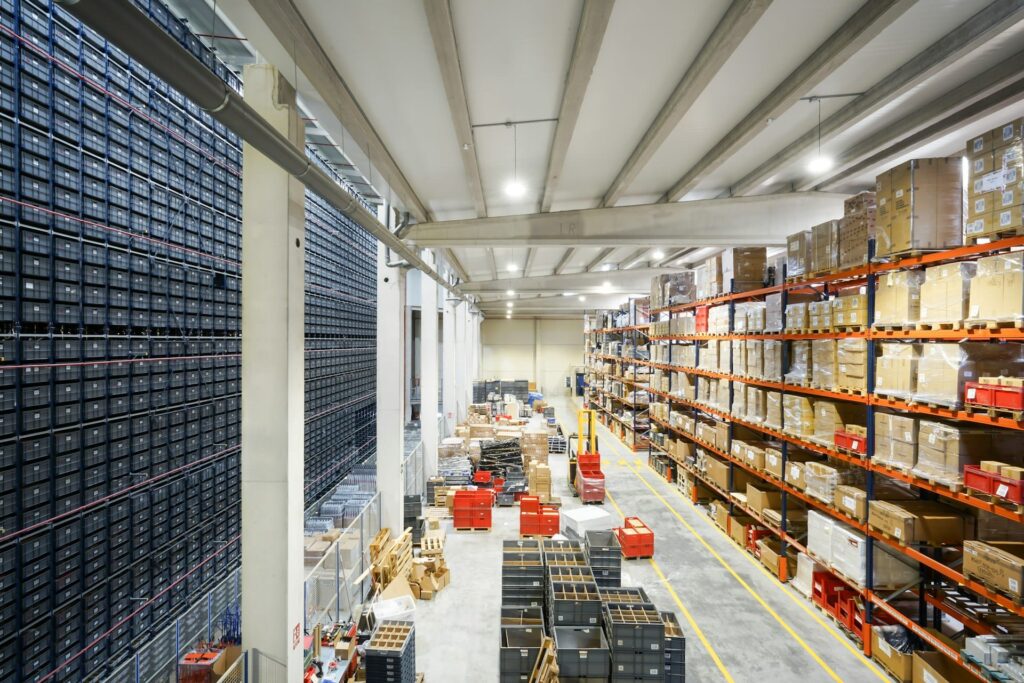
The Hidden Costs of Fragmented Sourcing
In the global trade of disposable food containers, many distributors fall into the trap of “specialist sourcing.” You might buy aluminum packaging from one factory, paper cups from another, and plastic lids from a third. While this might seem like the best way to get the lowest unit price, it creates a logistical nightmare.
Every new supplier adds a layer of complexity. You have to manage multiple bank transfers, coordinate different production lead times, and handle separate customs clearances. If the paper cups arrive two weeks later than the aluminum trays, your ability to fulfill client orders is paralyzed. The administrative burden alone can eat up the savings you thought you made on the unit price.
The Logistics Advantage: Maximizing Container Load
The single biggest expense in international B2B wholesale is freight. This is where the physics of packaging materials comes into play.
Aluminum packaging is lightweight but voluminous (it takes up space).
Paper products, like bags or heavy-duty boxes, are denser.
If you ship a container full of only aluminum foil containers, you might hit the volume limit (CBM) long before you hit the weight limit. You are essentially paying to ship empty space. By consolidating your order with a one-stop supplier, you can mix these products. You can fill the floor with heavy paper products and stack the lighter aluminum cartons on top. This “Tetris-style” loading maximizes both volume and weight, drastically lowering your shipping cost per unit.
Ensuring Product Compatibility
Nothing is worse than a lid that doesn’t fit.
When you source a takeaway container from Supplier A and a lid from Supplier B, a millimeter of difference can result in leakage. This is a common issue when mixing aluminum packaging trays with paper or plastic lids.
A one-stop supplier guarantees compatibility. Because the products are sourced or manufactured under one quality control system, we ensure that the paper lid snaps perfectly onto the aluminum roasting pan. This creates a cohesive product line that protects your reputation with end-users, whether they are food factories or restaurant chains.
How Reliancepak bridges the Gap
Finding a supplier who can actually do this is challenging. Most factories only possess machinery for one type of material.
At Reliancepak, we have structured our business model to solve this exact problem. We are a hybrid entity: a factory with 9 production lines dedicated to manufacturing, combined with a trading arm that sources complementary goods.
This allows us to offer you a complete portfolio:
- Aluminum Packaging: Trays, roasters, and foil.
- Paper Products: Boxes, bags, and cups.
- Plastic Items: Cups, cutlery, and disposable containers.
We serve clients in major markets like Malaysia, Peru, France, and the United States, providing them with the “rare products for one stop purchase” that standard factories cannot offer. This capability allows you to build a diverse inventory without the headache of managing ten different vendors.
Conclusion
In a competitive market, your margin is determined by your supply chain efficiency. Moving to a one-stop sourcing strategy for your aluminum packaging and disposable needs is not just convenient; it is a financial necessity. It simplifies your logistics, guarantees product fit, and leverages the power of mixed-container shipping. By partnering with a supplier like Reliancepak, you gain the production power of a factory with the sourcing flexibility of a global trader.
Frequently Asked Questions (FAQ)
Q: Does mixing different products in one container delay the shipment?
A: Not if planned correctly. At Reliancepak, we coordinate the production schedules of our 9 lines and partner facilities to ensure all items—aluminum, paper, and plastic—are ready for loading simultaneously.
Q: Can I get a sample of the mixed products before ordering?
A: Yes, we provide free samples5. You can request a “kit” containing aluminum trays, paper bags, and other items to inspect the quality and compatibility yourself.
Q: Is it cheaper to buy everything from one supplier?
A: When you factor in the reduced shipping costs (freight consolidation) and the administrative savings of a single bank transfer and customs entry, the total landed cost is almost always lower.
Q: Do you sell to small restaurants?
A: No, our business model is B2B and wholesale only. We serve large company buyers, distributors, and food factories6.
Q: What if I only need aluminum packaging right now?
A: That is perfectly fine. You can start with our core manufactured products and add paper or plastic items to future orders as your business needs expand.