
In an era where environmental consciousness is rapidly reshaping consumer preferences and industry practices, biodegradable food packaging has emerged as a pivotal innovation in the global push toward sustainability. This transformative approach to packaging is not merely a response to environmental concerns but represents a fundamental shift in how businesses conceptualize their relationship with consumers and the planet. The growing demand for sustainable packaging solutions reflects a deeper understanding of the environmental impacts of traditional plastic packaging and a collective commitment to reducing these impacts through innovative alternatives.
Introduction
The Market Demand for Sustainable Packaging
The global eco-friendly food packaging market is experiencing unprecedented growth, with projections indicating it will surpass USD 505.41 billion by 2034, growing at a compound annual growth rate (CAGR) of 7.63% from 2024. This remarkable expansion is driven by a convergence of factors, including increasing consumer awareness of environmental issues, corporate sustainability commitments, and evolving regulatory frameworks aimed at reducing plastic waste and promoting circular economy principles.
Consumers across diverse demographics are increasingly making purchasing decisions based on the environmental credentials of products and their packaging. A significant segment of today’s market views sustainable packaging not as a premium feature but as an essential expectation. This shift in consumer mindset has compelled food manufacturers and retailers to reevaluate their packaging strategies, seeking solutions that align with these evolving expectations while maintaining functionality and cost-effectiveness.
Environmental Awareness Impact on Packaging Industry
The growing environmental awareness has profoundly impacted the packaging industry, catalyzing innovation and driving substantial investments in sustainable alternatives. The stark realities of plastic pollution—with estimates suggesting that over 25% of global food waste is attributable to poor packaging—have heightened scrutiny of traditional packaging practices and accelerated the search for more environmentally responsible options.
This heightened awareness extends beyond consumer markets to influence investor behavior, with environmental, social, and governance (ESG) considerations becoming increasingly central to investment decisions. Companies demonstrating leadership in sustainable packaging innovation often enjoy enhanced brand reputation, improved stakeholder relations, and potentially favorable financing terms, creating powerful incentives for continued advancement in this field.
The packaging industry’s response to these pressures has been multifaceted, encompassing material innovations, design optimizations, and process improvements aimed at reducing environmental footprints while maintaining or enhancing packaging performance. This dynamic landscape of innovation has given rise to a diverse array of biodegradable packaging solutions, each offering unique benefits and addressing specific challenges in the transition toward more sustainable food packaging systems.
Biodegradable Packaging Materials Market Overview
Global Market Size and Growth Projections
The biodegradable packaging materials market is experiencing robust growth, with projections indicating an expansion from USD 236.14 billion in 2025 to USD 364.76 billion by 2034, representing a CAGR of 4.95% during the forecast period. This growth trajectory reflects the increasing adoption of biodegradable packaging solutions across various sectors, with food and beverage applications leading this transformative shift.
The market’s expansion is underpinned by the fundamental value proposition of biodegradable packaging: materials made from renewable sources that decompose naturally, significantly reducing environmental impacts compared to conventional plastics. These materials typically break down through the action of microorganisms such as bacteria, fungi, and algae, converting into water, carbon dioxide, and biomass without leaving persistent pollutants in ecosystems.
Investment in biodegradable packaging technologies has accelerated in recent years, with significant capital flowing into research and development, production capacity expansion, and supply chain optimization. This investment landscape encompasses both established packaging companies diversifying their portfolios and innovative startups focused exclusively on sustainable packaging solutions, creating a dynamic competitive environment that continues to drive innovation and market growth.
Regional Market Analysis: Asia-Pacific and North America Development
The biodegradable packaging materials market exhibits distinct regional dynamics, with Asia-Pacific leading in market share while North America demonstrates notable growth momentum. This regional differentiation reflects varying regulatory environments, consumer preferences, industrial capabilities, and sustainability priorities across different parts of the world.
Asia-Pacific’s leadership position is attributed to several factors, including the region’s large and growing consumer base, rapid industrialization, and increasing environmental concerns, particularly in countries like China and India. The region’s food and beverage industry is highly dependent on packaging, creating substantial opportunities for biodegradable alternatives. Changing consumer sentiment in China, for instance, has led to policies banning specific plastic products to address the country’s plastic pollution challenges, driving increased demand for recyclable and biodegradable packaging solutions.
North America represents the second-largest market for biodegradable packaging, with growth driven by strong consumer environmental awareness, corporate sustainability initiatives, and supportive regulatory frameworks. The region’s well-developed retail infrastructure and sophisticated consumer base have facilitated the introduction and adoption of innovative packaging solutions, while its robust research and development ecosystem continues to generate technological advancements in biodegradable materials.
European markets, while not the largest by volume, often lead in innovation and regulatory standards for sustainable packaging, establishing benchmarks that influence global practices. The European Union’s comprehensive strategies for plastic reduction and circular economy promotion have created a favorable environment for biodegradable packaging adoption, making the region an important indicator of future trends in this sector.
Key Drivers and Challenges
The biodegradable packaging materials market is propelled by several key drivers while facing distinct challenges that shape its development trajectory. Understanding these factors is essential for stakeholders navigating this evolving landscape.
Primary drivers include increasing consumption of automated process packaging, technological advancements in manufacturing processes, and shifting consumer preferences toward environmentally responsible products. Rising urbanization has created demand for cost-effective recycled material packaging that utilizes fewer resources and supports circular economy principles. The non-toxic and allergen-free properties of many biodegradable packaging materials further contribute to their appeal, addressing both environmental and health considerations.
Consumer awareness represents a particularly powerful market driver, as environmentally conscious purchasing decisions increasingly favor products with eco-friendly packaging. This consumer pull has created strong incentives for brands to adopt sustainable packaging as a means of enhancing market position and building customer loyalty.
Despite these positive drivers, the market faces significant challenges, including higher production costs compared to conventional plastics and performance limitations in certain applications. Biodegradable materials may not match the barrier properties, durability, or versatility of traditional plastics in all contexts, requiring careful application selection and sometimes accepting performance trade-offs for environmental benefits.
Additional challenges include the lack of standardized testing and certification processes to assess the environmental impact of different biodegradable products, creating confusion in the marketplace and complicating regulatory compliance. Concerns about greenhouse gas emissions produced during the decomposition of compostable products and bioplastics—potentially 30 times more potent than carbon dioxide emissions—highlight the complexity of environmental impact assessment and the need for lifecycle analysis when evaluating packaging alternatives.
Innovative Biodegradable Packaging Materials
Plant-Based Materials: Hemp Pulp Packaging Advantages
Hemp pulp packaging represents one of the most promising innovations in plant-based biodegradable packaging, offering significant environmental and performance advantages. Hemp strains used for packaging production contain higher cellulose concentrations than traditional wood sources, enabling more efficient material conversion and superior strength characteristics in the resulting packaging.
The environmental benefits of hemp pulp packaging begin with the crop itself, which features a remarkably fast growth cycle compared to trees—reaching maturity in just 3-4 months versus years or decades for forest resources. This rapid regeneration significantly reduces land use pressure and enables more sustainable resource management. Additionally, hemp cultivation requires minimal pesticides and fertilizers while improving soil health through natural phytoremediation processes, further enhancing its environmental credentials.
From a manufacturing perspective, hemp pulp can be processed using sulfur-free methods, eliminating a significant source of pollution associated with conventional paper production. The resulting packaging materials offer excellent strength-to-weight ratios, good printability, and natural resistance to mold and bacteria—properties that make them particularly suitable for food packaging applications.
The versatility of hemp-derived materials allows for various packaging formats, including molded pulp containers, flexible wraps, and rigid boxes, accommodating diverse food product requirements. As production scales increase and processing technologies advance, hemp pulp packaging is positioned to become an increasingly competitive alternative to conventional paper-based packaging and certain plastic applications.
Mushroom Packaging: Mycelium Applications and Properties
Mushroom packaging, created from mycelium (the root structure of mushrooms), represents a revolutionary approach to biodegradable packaging that combines exceptional performance characteristics with outstanding environmental credentials. This innovative material is produced by growing mycelium on agricultural waste products, creating a natural binding matrix that can be molded into precise shapes for protective packaging applications.
The production process begins with agricultural byproducts such as corn stalks, hemp hurds, or sawdust, which provide the substrate for mycelium growth. The mycelium naturally binds these particles together as it grows, creating a solid, uniform material that can be molded into customized packaging forms. After the desired shape is achieved, the material is dried to halt the growth process, resulting in a stable, lightweight packaging product.
Mushroom packaging offers several distinctive properties that make it particularly valuable for food packaging applications. Its natural water resistance protects contents from moisture, while its excellent thermal insulation properties help maintain temperature stability—a critical consideration for many food products. The material provides effective cushioning and impact protection comparable to expanded polystyrene (Styrofoam) but without the associated environmental concerns.
Perhaps most importantly, mushroom packaging is fully home-compostable, breaking down in garden compost systems within 30-90 days and returning nutrients to the soil. This end-of-life characteristic represents a significant advantage over many alternative packaging materials that require industrial composting facilities or specialized recycling processes.
The customizability of mushroom packaging through rapid prototyping processes enables perfect fit solutions for specific products, reducing material usage while maximizing protection. This combination of performance, customization, and environmental benefits has attracted attention from major food brands seeking sustainable alternatives to conventional plastic packaging.
Seaweed-Based Packaging: Customizability and Environmental Benefits
Seaweed-based packaging has emerged as one of the most innovative and promising categories within biodegradable food packaging, offering unique properties that address multiple sustainability challenges simultaneously. Created from fast-growing marine plants like kelp and various seaweed species combined with biopolymers, these materials represent a truly renewable packaging solution with minimal environmental impact.
The remarkable versatility of seaweed-based packaging materials allows manufacturers to customize thickness, transparency, and texture according to specific product requirements. This adaptability makes seaweed derivatives suitable for applications ranging from flexible films and wraps to rigid containers and even edible packaging that dissolves harmlessly after use, eliminating waste entirely.
The environmental benefits of seaweed packaging extend beyond its biodegradability to include the positive impacts of seaweed cultivation itself. Kelp and other seaweed species used in packaging production actively purify surrounding water by absorbing excess nutrients and removing carbon dioxide from the marine environment, potentially helping mitigate ocean acidification. Unlike land-based crops, seaweed cultivation requires no freshwater, fertilizers, or arable land, avoiding competition with food production and reducing resource pressure.
From a performance perspective, seaweed-based packaging offers good barrier properties against oxygen and grease, making it suitable for various food applications. While water resistance remains a challenge for some seaweed formulations, ongoing research and development efforts are addressing this limitation through innovative coating technologies and material combinations.
The scalability of seaweed cultivation, with potential yields exceeding 30 tons per hectare annually, suggests significant capacity for meeting growing demand for sustainable packaging materials. As production technologies mature and economies of scale improve, seaweed-based packaging is positioned to become an increasingly competitive alternative to conventional plastics in appropriate applications.
High-Barrier Biodegradable Packaging Technological Breakthroughs
One of the most significant challenges in biodegradable packaging adoption has been achieving the high barrier properties necessary for protecting sensitive food products while maintaining biodegradability. Recent technological breakthroughs in high-barrier biodegradable packaging are addressing this challenge, expanding the potential applications for sustainable packaging solutions across food categories previously dependent on conventional plastics.
A particularly promising innovation involves the application of ultra-thin alumina (aluminum oxide) layers onto cellulose materials like paper and cardboard, creating double-barrier packaging with exceptional performance characteristics. This coating technology provides effective barriers against water, oxygen, and moisture without compromising the recyclability or biodegradability of the base material, representing a significant advancement in sustainable packaging functionality.
Nanocomposite technologies have also yielded important breakthroughs, incorporating naturally derived nanoparticles into biopolymer matrices to enhance barrier properties while maintaining biodegradability. These nanocomposites can significantly reduce gas permeability, extending shelf life for oxygen-sensitive products without requiring multi-material laminates that complicate end-of-life management.
Multi-layered biopolymer films represent another technological advancement, combining different bio-based materials with complementary properties to achieve performance characteristics previously available only in conventional plastic structures. These multi-layer systems can be designed for specific product requirements, optimizing barrier properties, mechanical strength, and biodegradability according to application needs.
The integration of active packaging elements into biodegradable structures further enhances their functionality, with innovations such as oxygen scavengers, moisture absorbers, and antimicrobial agents extending product shelf life while maintaining end-of-life biodegradability. These active components can be derived from natural sources, ensuring that the entire packaging system remains environmentally responsible throughout its lifecycle.



Biodegradable Packaging Applications in Food Industry
Success Case Studies
The successful implementation of biodegradable packaging solutions across various food industry segments provides valuable insights into best practices, challenges, and opportunities in this evolving field. Examining specific case studies highlights the practical applications and real-world benefits of biodegradable packaging adoption.
Alterpacks, a pioneering sustainable packaging company, has developed home-compostable food containers made from upcycled food waste and spent grains. These innovative containers have achieved FDA and SFA certification for safe food contact, providing leak resistance and microwave compatibility—features traditionally associated with conventional plastics. By offering containers in various shapes and sizes while simultaneously reducing waste landfill contributions through recycled content, Alterpacks demonstrates how biodegradable packaging can address multiple sustainability objectives simultaneously.
Major beverage companies have successfully implemented PLA (polylactic acid) bottles for certain product lines, particularly in markets with well-developed industrial composting infrastructure. These bio-based bottles offer similar clarity and performance to PET while reducing fossil fuel consumption and greenhouse gas emissions. The transition required adjustments to filling line operations and consumer education regarding proper disposal, illustrating both the technical feasibility and implementation considerations for biodegradable packaging at scale.
In the fresh produce sector, several retailers have adopted cellulose-based netting and films derived from wood pulp to replace conventional plastic packaging. These materials offer appropriate breathability for fresh fruits and vegetables while providing necessary structural support during transportation and retail display. The natural appearance of these materials has resonated with consumers seeking authentic, environmentally responsible products, demonstrating the potential marketing benefits of visible sustainability commitments.
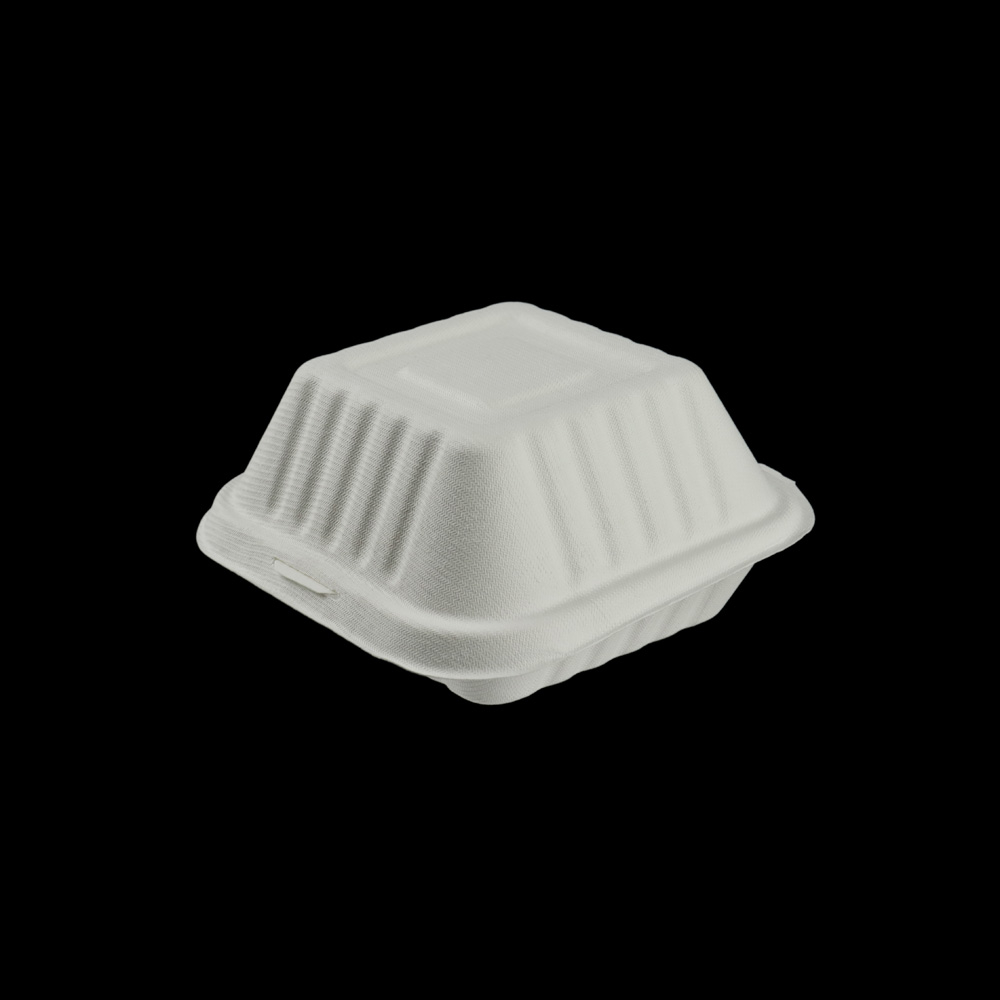
Quick-service restaurant chains have increasingly adopted fiber-based food containers with compostable liners as alternatives to foam containers and plastic-lined paperboard. These solutions effectively manage moisture and oil while maintaining structural integrity during use, addressing the challenging performance requirements of hot, moist food applications. Implementation has typically involved coordinated efforts across supply chain, operations, and customer communications to ensure successful adoption and proper end-of-life management.
Consumer Acceptance and Market Feedback
Consumer acceptance of biodegradable packaging has evolved significantly in recent years, transitioning from niche interest to mainstream expectation in many markets. Understanding consumer perceptions, preferences, and behaviors regarding biodegradable packaging is essential for successful implementation and market positioning.
Research indicates that consumer awareness and understanding of biodegradable packaging terminology and benefits have increased substantially, though misconceptions persist regarding distinctions between biodegradable, compostable, and bio-based materials. Effective consumer education remains important for maximizing the perceived value of biodegradable packaging investments and ensuring appropriate end-of-life handling.
Price sensitivity varies considerably across consumer segments, with some demonstrating willingness to pay premiums for sustainable packaging while others prioritize affordability. This variation necessitates strategic approaches to biodegradable packaging implementation, potentially including phased introductions, selective application to premium product lines, or absorption of incremental costs to maintain price competitiveness in sensitive market segments.
Functionality expectations remain high regardless of environmental benefits, with consumers generally unwilling to accept significant performance compromises for sustainability advantages. Successful biodegradable packaging must therefore meet or exceed the convenience, protection, and usability standards established by conventional alternatives—a challenging but increasingly achievable requirement as material technologies advance.
Aesthetic considerations also influence consumer acceptance, with research suggesting that the visual and tactile properties of packaging significantly impact product perceptions. Biodegradable materials that communicate authenticity, quality, and environmental responsibility through their appearance and feel can enhance overall product appeal and justify premium positioning.
Market feedback indicates that transparent communication regarding environmental claims is essential for building consumer trust and avoiding accusations of “greenwashing.” Specific, verifiable statements about material composition, sourcing practices, and end-of-life options are more effective than general environmental claims, particularly among environmentally knowledgeable consumers.
Balancing Cost and Performance
Achieving an optimal balance between cost, performance, and environmental benefits represents one of the central challenges in biodegradable packaging implementation. This balance varies across applications, market segments, and business contexts, requiring nuanced approaches to biodegradable packaging strategy and material selection.
Cost considerations extend beyond direct material expenses to encompass impacts on manufacturing efficiency, supply chain logistics, product protection, and brand value. While biodegradable materials typically carry higher direct costs than conventional plastics—often 20-100% more expensive depending on material type and application—these premiums may be offset by benefits in other areas, including reduced waste management costs, enhanced brand reputation, and alignment with regulatory trends.
Performance requirements vary significantly across food product categories, with factors such as moisture sensitivity, oxygen tolerance, light exposure, temperature conditions, and mechanical stress determining the suitability of specific biodegradable materials. Matching material properties to product requirements is essential for successful implementation, sometimes necessitating hybrid approaches that combine biodegradable elements with conventional materials in the short term while technology continues to advance.
Scalability considerations affect both cost and availability, with many innovative biodegradable materials currently limited by production capacity constraints. Strategic partnerships with material suppliers, phased implementation plans, and long-term supply agreements can help manage these constraints while supporting the expansion of production infrastructure for promising biodegradable alternatives.
Lifecycle assessment provides a valuable framework for evaluating the overall environmental impact of packaging alternatives, considering factors beyond biodegradability such as resource consumption, energy use, water impacts, and greenhouse gas emissions throughout the production, distribution, use, and end-of-life phases. This comprehensive approach helps identify the most environmentally beneficial options for specific applications, sometimes revealing that biodegradability alone does not guarantee superior environmental performance.
The optimal balance point continues to evolve as technologies advance, production scales increase, and market conditions change. Successful organizations maintain flexibility in their packaging strategies, continuously evaluating new materials and approaches while implementing the most appropriate currently available solutions for their specific product requirements and market contexts.
Conclusion
Future Development Direction of Biodegradable Packaging
The future of biodegradable packaging is characterized by accelerating innovation, expanding applications, and increasing integration with broader sustainability initiatives and circular economy principles. Several key trends are likely to shape development in this dynamic field.
Material science advancements will continue to enhance the performance capabilities of biodegradable packaging, addressing current limitations in barrier properties, durability, and processing compatibility. Emerging technologies such as protein-based films, bacterial cellulose, and advanced biopolymer blends show particular promise for delivering performance characteristics comparable to conventional plastics while maintaining biodegradability.
Integration of digital technologies with biodegradable packaging represents another significant development direction, with innovations such as biodegradable sensors, smart labels, and interactive elements enhancing functionality while maintaining environmental credentials. These technologies can provide valuable information about product condition, authenticate provenance, and engage consumers through digital experiences, adding value beyond basic containment and protection.
Standardization efforts will likely intensify, addressing current challenges related to inconsistent definitions, testing methodologies, and certification systems for biodegradable materials. Harmonized standards and clear labeling protocols will reduce market confusion and facilitate appropriate end-of-life management, enhancing the practical environmental benefits of biodegradable packaging systems.
Localized production models may emerge as a significant trend, with distributed manufacturing of biodegradable packaging from locally available biological resources reducing transportation impacts and supporting regional economic development. These models could be particularly valuable for agricultural regions, creating new value streams from crop residues and food processing byproducts while reducing dependence on imported packaging materials.
Cross-sector collaborations between packaging producers, food manufacturers, waste management systems, and policy makers will become increasingly important for creating effective biodegradable packaging ecosystems. These collaborations can address systemic challenges that extend beyond individual company capabilities, such as collection infrastructure development, composting facility expansion, and consumer education initiatives.
Strategic Recommendations for Businesses Transitioning to Sustainable Packaging
For businesses navigating the transition toward sustainable packaging, including biodegradable solutions, several strategic approaches can enhance success probability and maximize value creation.
Adopt a phased implementation strategy that prioritizes applications where biodegradable materials offer the greatest combined benefits in terms of technical feasibility, cost-performance ratio, and environmental impact. This targeted approach allows organizations to gain experience with biodegradable materials while managing financial and operational risks, gradually expanding implementation as technologies mature and economies of scale improve.
Invest in comprehensive lifecycle assessment capabilities to evaluate packaging alternatives based on their total environmental impact rather than single attributes like biodegradability. This holistic perspective helps identify the most environmentally beneficial options for specific applications and avoids unintended consequences that can result from narrowly focused decision-making.
Develop collaborative partnerships across the value chain, including material suppliers, packaging converters, waste management providers, and even competitors facing similar challenges. These partnerships can accelerate innovation, share implementation costs, and address systemic barriers to biodegradable packaging adoption that extend beyond individual company influence.
Integrate packaging sustainability into broader corporate environmental strategies, aligning biodegradable packaging initiatives with climate commitments, waste reduction goals, and circular economy principles. This integrated approach enhances strategic coherence, facilitates resource allocation, and maximizes the business value of sustainability investments.
Engage proactively with regulatory developments, participating in policy discussions and anticipating future requirements rather than merely reacting to mandates. Forward-thinking regulatory engagement can provide competitive advantages through early adaptation and potentially influence policy directions in ways that align with business capabilities and priorities.
Communicate transparently with consumers about biodegradable packaging initiatives, including both achievements and challenges. Authentic communication builds trust and differentiates genuine sustainability commitments from superficial “greenwashing,” creating deeper customer relationships and stronger brand loyalty.
Maintain flexibility in packaging strategies, continuously evaluating new materials and approaches while implementing the most appropriate currently available solutions. This balanced approach allows organizations to make meaningful progress toward sustainability goals while remaining responsive to emerging innovations and changing market conditions.
By thoughtfully navigating the complex landscape of biodegradable packaging, businesses can create value for customers, shareholders, and the environment while positioning themselves advantageously in an increasingly sustainability-focused marketplace. The transition toward biodegradable food packaging represents not merely a response to environmental concerns but an opportunity for strategic differentiation, innovation leadership, and long-term business resilience in a resource-constrained world.