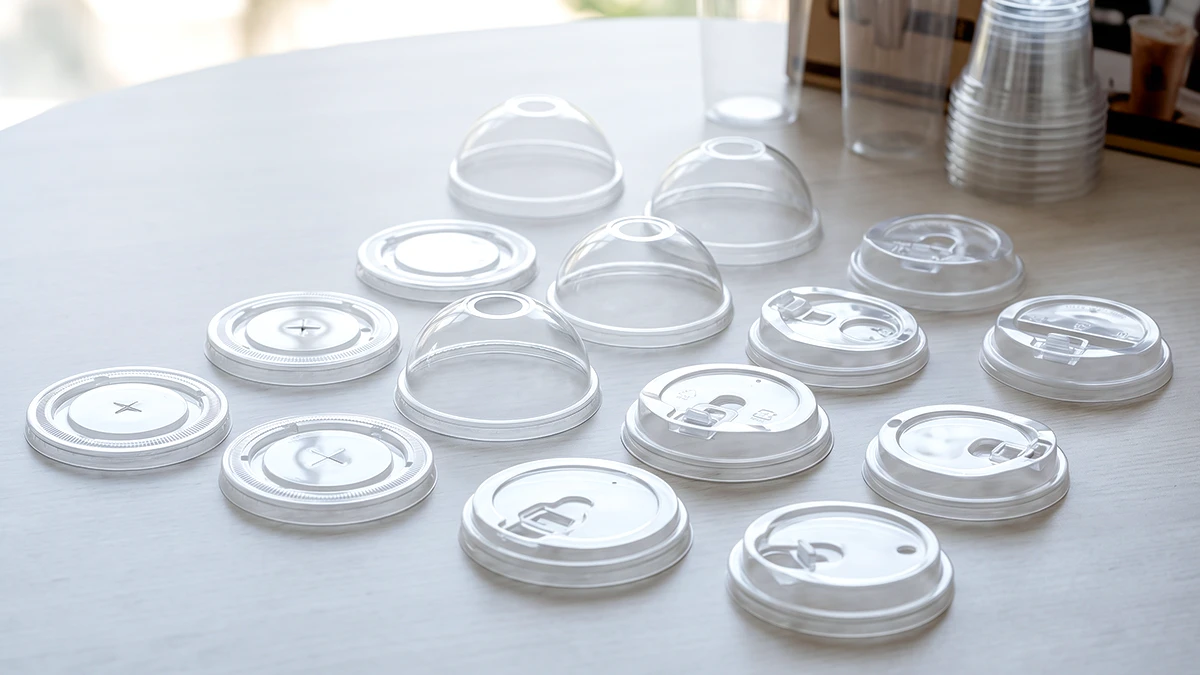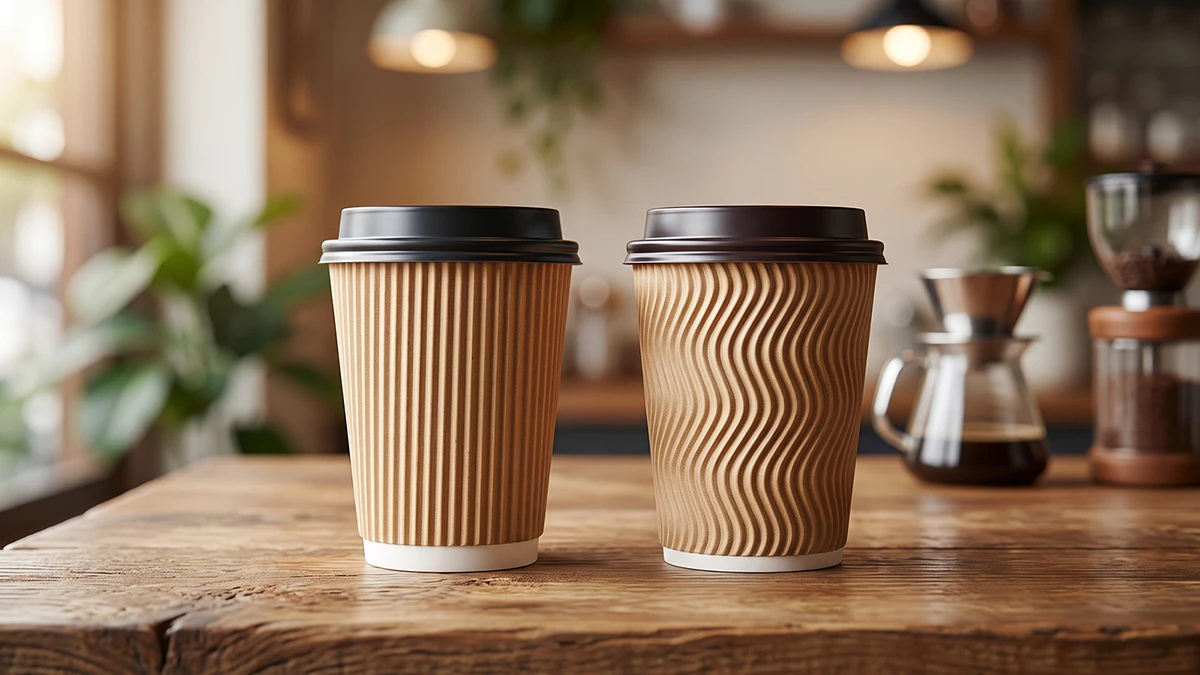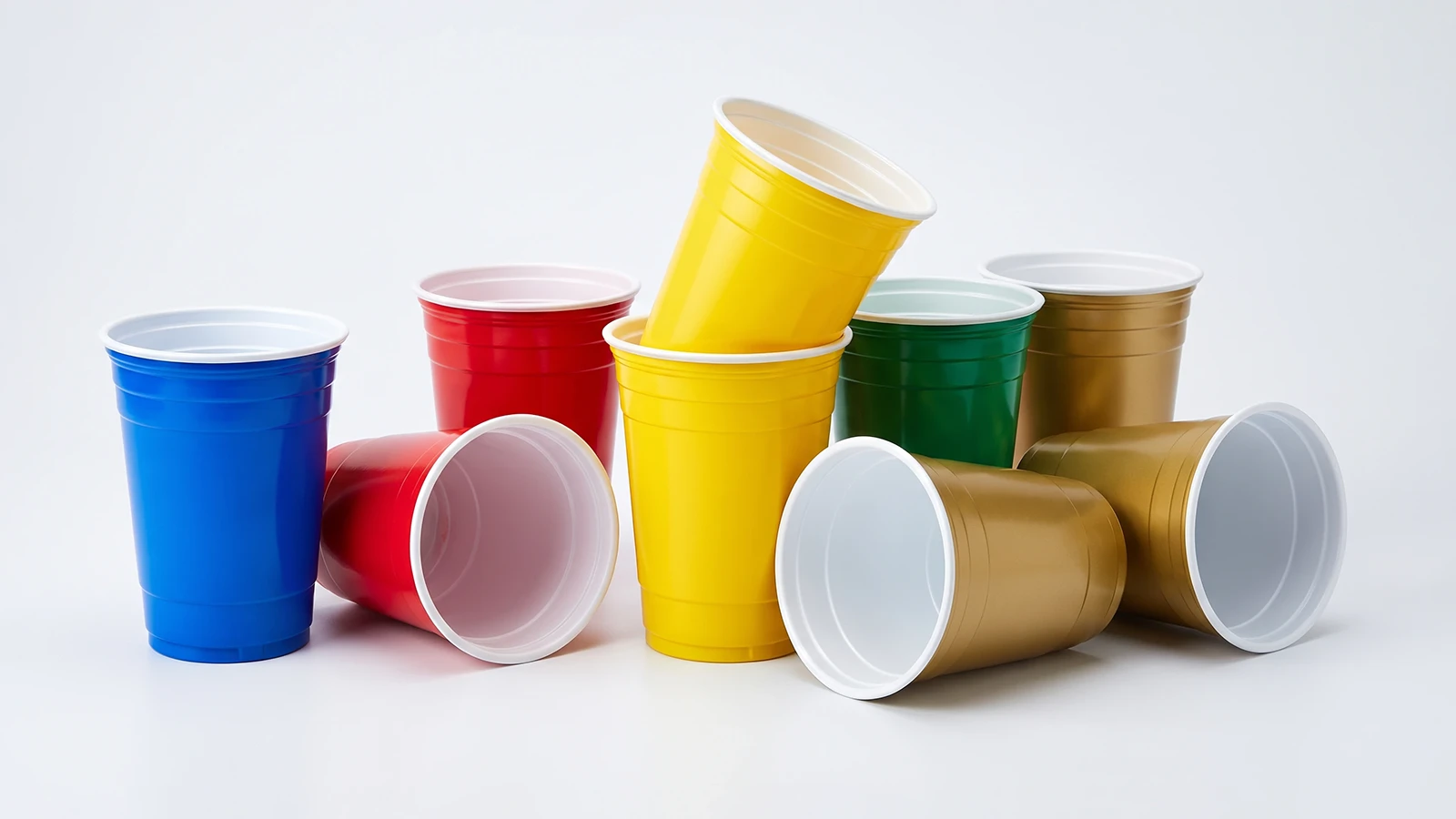
Deciding between sustainable and traditional packaging depends on your unique business circumstances. While traditional packaging (like plastic and foam) is often cheaper upfront and offers excellent durability, it’s facing increasing regulatory scrutiny and environmental criticism. Sustainable alternatives (such as recycled paper, biodegradable plastics, or mushroom-based materials) can reduce your carbon footprint and appeal to eco-conscious consumers, but may cost more and require testing for product compatibility. The best choice balances cost, regulatory compliance, brand reputation, and functional needs. For example, a food brand targeting millennials might prioritize compostable packaging, while a manufacturer of industrial parts may still need traditional cases for protection. There’s no one-size-fits-all solution—evaluate your priorities and make a choice that aligns with your business goals and values.
Let’ s dive deeper into how these options compare across key factors—like environmental impact, cost, and consumer perception—and walk through a simple framework to find the right solution for your business.

Understanding the Basics of Each Packaging Type
Traditional packaging includes materials like virgin plastics, polystyrene foam, and standard cardboard. These are often chosen for their low cost, widespread availability, and ability to protect fragile items during shipping. However, many traditional materials are non-recyclable if mixed (like multi-layer plastic films) and take centuries to decompose. For context, a single plastic bottle can persist in the environment for up to 450 years, according to the Smithsonian Institution.
Sustainable packaging focuses on materials with lower environmental footprints. Examples include:
- Recycled cardboard or paper (often made from post-consumer waste)
- Plant-based plastics (like PLA from corn starch)
- Mushroom-based packaging (grown from agricultural waste and mycelium)
- Biodegradable cornstarch peanuts
These options typically break down within months in industrial composting facilities. However, they’re not always plug-and-play. A mushroom-based box might work for electronics, but could fail for moisture-heavy products without additional coatings.
Here’s a quick comparison:
| Factor | Traditional Packaging | Sustainable Packaging |
|---|---|---|
| Cost | Lower upfront cost | Higher initial cost (but narrowing with scale) |
| Durability | Excellent for heavy/fragile items | Varies—some types need adjustments for strength |
| Environmental Impact | High carbon footprint; slow decomposition | Lower emissions; faster breakdown |
| Regulations | Facing bans (e.g., EU single-use plastics tax) | Often compliant with new laws |
The Real Environmental Impact – Beyond the Hype
It’s easy to hear “sustainable packaging” and assume it’s the obvious winner. But let’s get specific. Traditional plastic production accounts for nearly 4% of global oil consumption, and only 9% of all plastic ever made has been recycled. The rest ends up in landfills, oceans, or incinerators—releasing toxic emissions.
Sustainable alternatives vary widely in impact. A study by the Ellen MacArthur Foundation found that switching to recycled paper for mailers can cut carbon emissions by 30% compared to virgin plastic. Mushroom packaging, meanwhile, uses 90% less energy than polystyrene foam during production. But hold on—it’s not always better. A compostable PLA bag requires industrial composting to break down properly. If you toss it in a regular trash bin, it might behave like regular plastic.
So sustainability isn’t binary. It depends on your supply chain, local infrastructure, and disposal habits. A package perfect for a city with composting facilities might be useless elsewhere.
Cost Considerations – It’s More Than Just Price Tag
Yes, traditional packaging usually costs less upfront. But look deeper. New regulations are changing the game. The EU’s plastic tax charges €0.80 per kilogram for non-recycled plastic packaging. California’s SB 54 law requires all packaging to be recyclable or compostable by 2032. Non-compliance could mean fines or lost access to markets.
Sustainable options often have higher material costs now. However, they can save money long-term. A snack company switched to compostable wrappers for a single product line and saw:
- 12% higher sales in eco-conscious markets
- Lower waste disposal fees (because certified compostables reduce landfill volume)
- 15% fewer customer complaints about “over-packaging”
Even if your upfront cost rises by 10–20%, the brand reputation boost and regulatory insurance may pay for itself.
Does Sustainable Packaging Protect Your Product?
This is the biggest hurdle for many businesses. Traditional plastics like polystyrene are unbeatable for cushioning heavy industrial parts. But sustainable options are evolving fast. For example:
- A custom mushroom packaging solution protected delicate medical devices for Dell
- Recycled PET bottles turned into strong, rigid containers for cosmetics
- Bamboo fiber lids that resist heat for hot beverages
The key? Test. Don’t assume all “green” materials work the same. Partner with suppliers to prototype for your specific needs. A food brand might need moisture barriers, while a book publisher needs sturdiness for shipping.
Brand Identity and Consumer Preferences
Here’s where sustainable packaging shines. A 2023 Nielsen report showed 66% of global consumers are willing to pay more for sustainable products. For younger demographics? It’s even higher: 82% of Gen Z prioritize eco-friendly packaging when making purchases.
But context matters. If your customers are business buyers in construction or manufacturing, they might care more about durability than ethics. Still, even B2B clients are starting to ask. A major electronics manufacturer recently switched to recyclable packaging after repeated requests from corporate clients.
Your brand voice matters too. Companies like Patagonia built their entire identity on sustainability. But for a specialty tool manufacturer, “sustainable” might just mean “uses 30% less packaging material” rather than full compostability.
Navigating Regulations – What’s Changing Fast?
Governments are acting fast. The EU banned single-use plastics like cutlery and straws in 2021. Canada and the UK have similar rules. In the U.S., 10 states now have plastic bag bans, and more are coming. California’s SB 54 requires every packaging item sold there to be recyclable or compostable by 2032—meaning billions of dollars in reformulation costs for non-compliant brands.
Ignoring these trends is risky. Three years ago, a cosmetic brand used plastic tubes that seemed fine. Today, they’re redesigning everything to meet new EU regulations—costing 40% more than if they’d planned ahead.
How to Choose What’s Right for You
There’s no universal answer. Start with these questions:
- What does your product need?
- Does it require waterproofing, extreme durability, or temperature resistance?
- Some sustainable materials (like sugarcane-based PLA) handle heat well; others don’t.
- Who is your customer?
- Survey them. Do they care about sustainability? Are they willing to pay extra?
- If your audience is B2B, check if their clients demand green packaging.
- Where do you operate?
- Local laws vary wildly. EU? California? Check specific regulations.
- Do you have access to industrial composting? If not, “compostable” might not mean much.
- What’s your budget trajectory?
- Can you absorb higher upfront costs for future savings?
- Are tax credits or incentives available in your region? (Many countries offer them for sustainable practices.)
- Test before scaling.
- Run a small pilot. For example, package 20% of your inventory in sustainable options and track customer feedback, shipping damage rates, and costs.
Take the example of a coffee company we worked with. They tested three compostable bag options for three months. Two failed to keep coffee fresh; one worked perfectly. They rolled it out to a single product line first and saw a 15% sales jump in eco-focused markets before scaling nationwide.
Conclusion
Sustainable packaging isn’t inherently better—or worse—than traditional. It’s a tool. The right choice depends on your product, audience, budget, and local rules. Start small, ask critical questions, and don’t assume one-size-fits-all. Whether you choose recycled cardboard, mycelium-based materials, or well-engineered traditional packaging, the goal is to make a decision that strengthens your business and your planet. That’s where real value begins.
FAQs
Q: Is sustainable packaging always more expensive than traditional options?
A: Not always. While some sustainable materials have higher upfront costs, long-term savings from tax incentives, reduced waste disposal fees, and increased customer loyalty can offset the difference. Many businesses find the price gap narrowing as sustainable options scale up.
Q: How can I verify if a “sustainable” packaging claim is legitimate?
A: Look for third-party certifications like FSC (for paper), BPI (biodegradable plastic), or Cradle to Cradle. Also, check if the material can actually be recycled or composted in your region—some “compostable” items require industrial facilities.
Q: Can I use sustainable packaging for food products?
A: Yes, many food-safe options exist (e.g., PLA for containers, recycled paper for takeout). Just ensure materials meet FDA or EU food safety standards and test for moisture/temperature compatibility.
Q: What’s the biggest mistake businesses make when switching to sustainable packaging?
A: Skipping product testing or assuming all sustainable materials perform the same. For example, using compostable plastic for hot liquids might melt, needing specific materials. Always prototype before full adoption.