
What Is PS Plastic? Properties & Food Packaging Applications

PS plastic, or polystyrene, is a versatile synthetic polymer made from the polymerization of styrene monomer that serves as a cornerstone material in the global packaging and insulation industries. Characterized by its exceptional clarity, structural rigidity, and cost-efficiency, PS plastic is predominantly utilized in the production of disposable food containers, protective electronics packaging, and laboratory […]
What Is the Environmental Impact of PS Plastic Recycling?
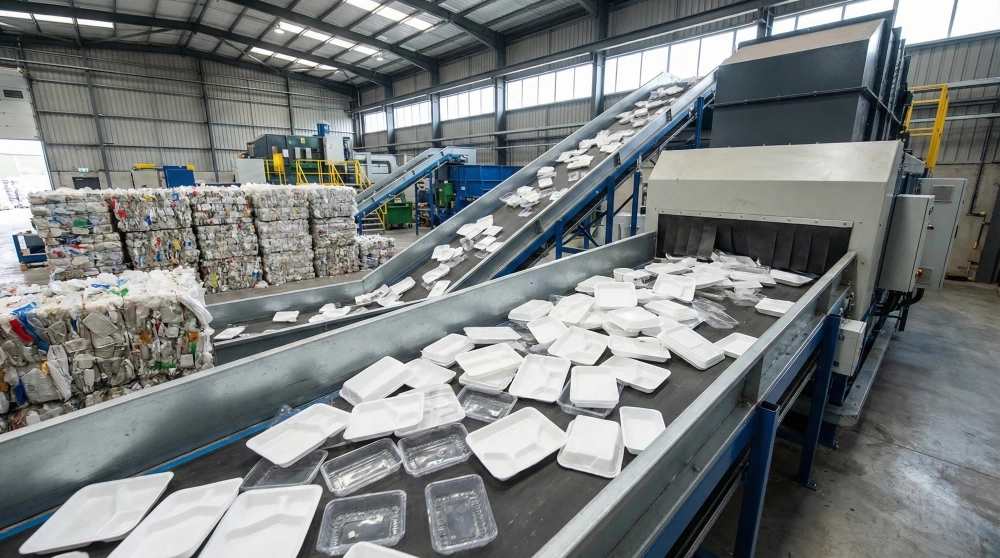
PS plastic, or polystyrene, is technically recyclable, though its actual recycling rate remains lower than materials like PET due to economic and logistical challenges in traditional curbside programs. Classified by resin identification code #6, ps plastic requires specialized densification equipment to process its lightweight, high-volume form—especially in its expanded (EPS) state—into reusable pellets for new […]
How to Source PS Plastic Food Containers in Bulk?
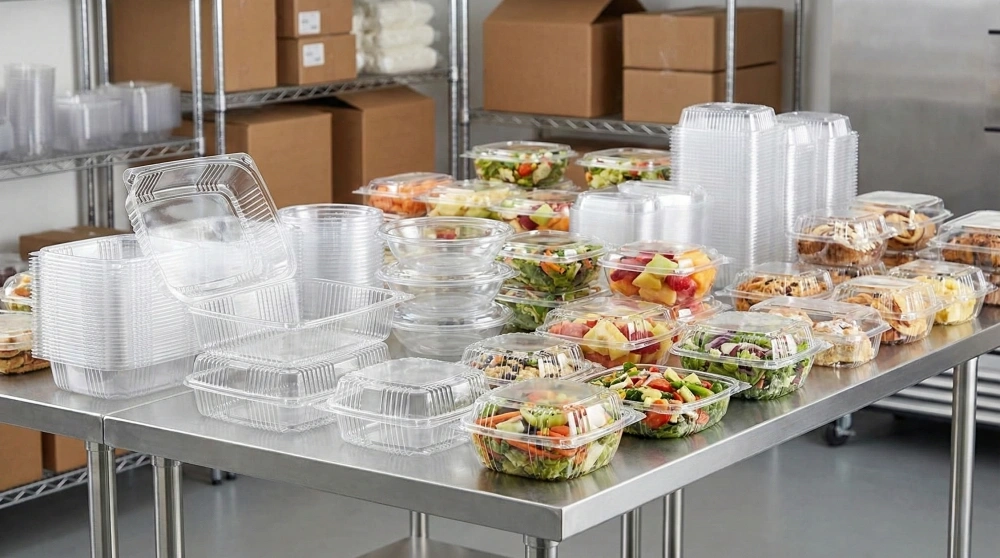
PS plastic food containers are the standard for high-volume food service due to their rigid structure, crystal-clear transparency, and excellent moisture barrier. These containers, primarily made from General Purpose Polystyrene (GPPS) or High Impact Polystyrene (HIPS), provide a professional presentation for cold and room-temperature foods while maintaining a low per-unit cost for wholesale buyers. Procurement […]
PS vs PP vs PET: Which Plastic Is Better for Food Packaging?
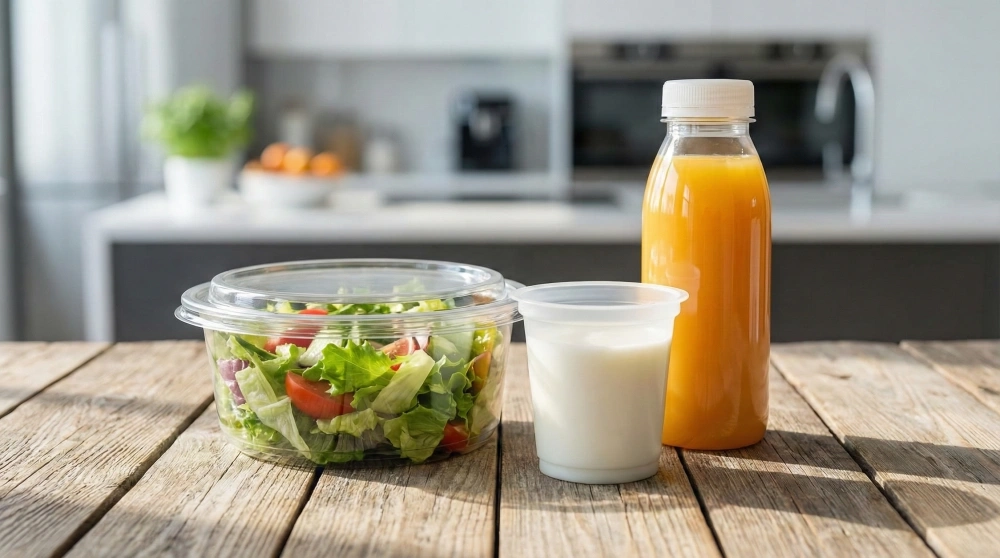
PS plastic, or polystyrene, remains a primary choice for food packaging because of its superior optical clarity and structural rigidity, providing a glass-like presentation for cold and ambient food products. While polypropylene (PP) offers higher heat resistance and polyethylene terephthalate (PET) provides an excellent gas barrier, ps plastic stands out for its specific ability to […]
What Types of Polystyrene Plastic Are Used in Packaging?
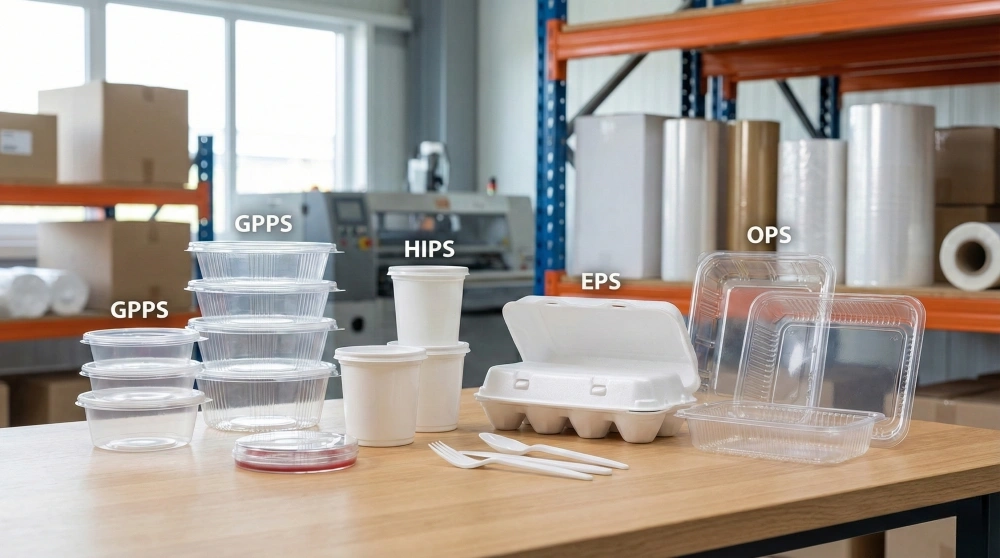
Polystyrene, or ps plastic, is a synthetic aromatic polymer available in several distinct forms including General Purpose (GPPS), High Impact (HIPS), Expanded (EPS), and Oriented (OPS) to serve specific industrial packaging needs. This versatile material is widely used for its clarity, rigidity, and cost-effectiveness in sectors ranging from food service to medical diagnostics. Procurement officers […]
Is PS Plastic Safe for Food Packaging Applications?
PS plastic is safe for food contact applications when manufactured under strict regulatory standards and used within its designated thermal boundaries. While chemical migration remains a topic of industrial scrutiny, the consensus from global health authorities confirms that polystyrene poses no health risk to consumers if used for cold or ambient temperature storage as intended. […]