TL;DR – Sugarcane pulp packaging is manufactured by converting bagasse fibers through pulping, molding, and finishing processes to create biodegradable food containers.
The sugarcane pulp packaging process transforms agricultural waste into eco-friendly food containers through four key stages. First, bagasse fibers are cleaned and pulped to create raw material slurry. Next, the pulp undergoes thermoforming or hydraulic pressing to achieve desired shapes. The molded products then move through drying and sterilization phases. Finally, quality checks ensure food-grade standards before packaging. This entire manufacturing cycle typically completes within 2-3 hours using advanced pulp forming technology that conserves water and energy compared to traditional paper production.
Let’s explore how this innovative manufacturing process turns waste into sustainable packaging solutions that benefit both businesses and the environment.
How is Bagasse Prepared for Manufacturing?
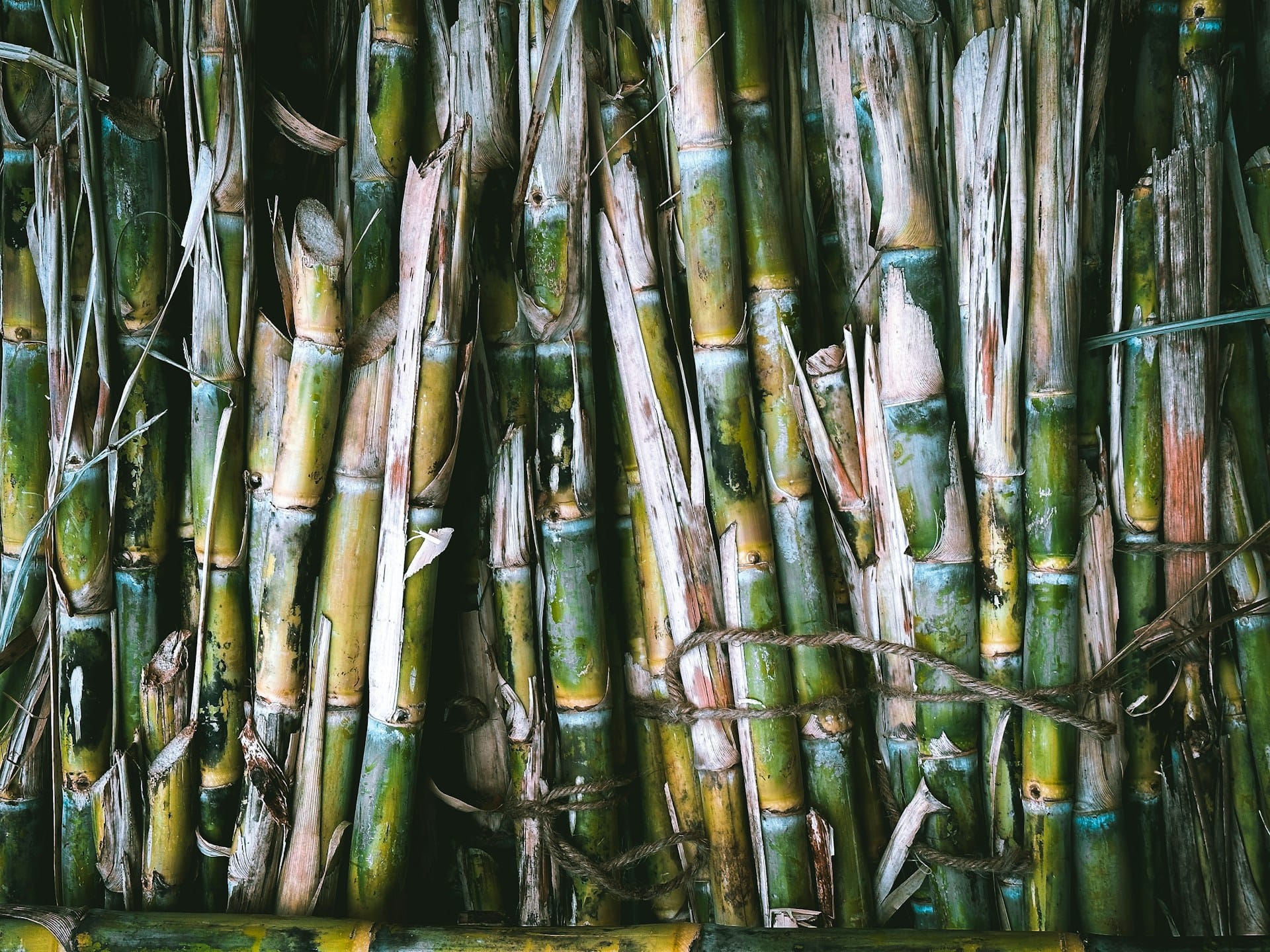
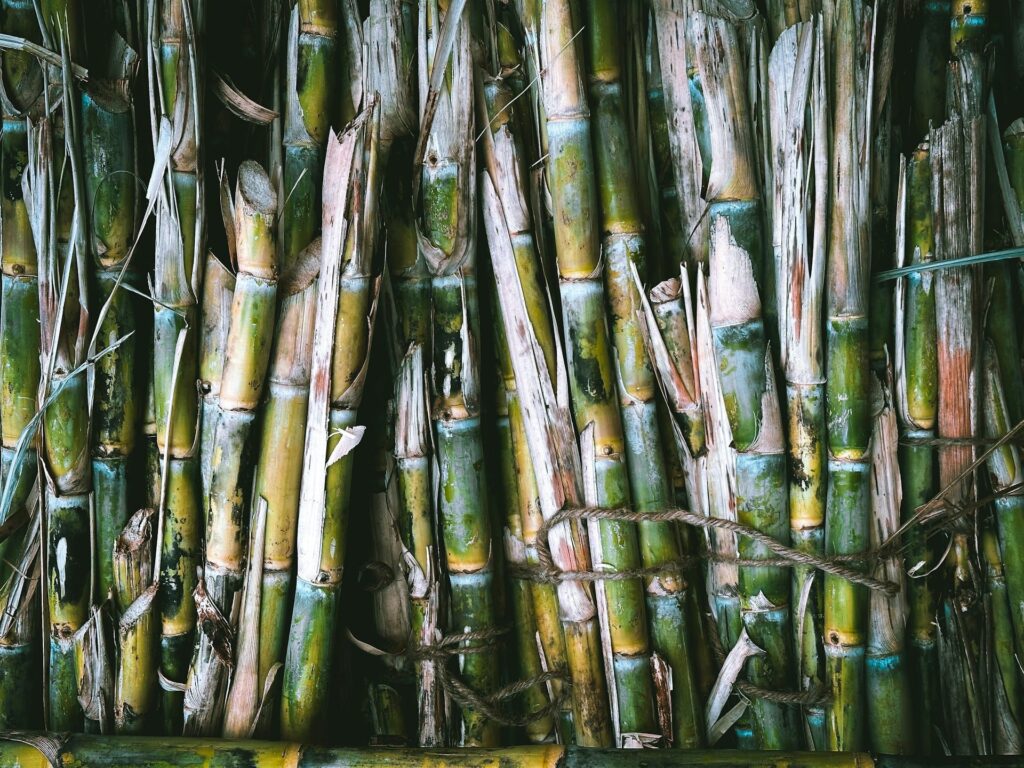
The manufacturing journey begins with collecting bagasse – the fibrous residue left after sugarcane crushing. Processing plants source this material directly from sugar mills, giving new life to what would otherwise be agricultural waste.
The preparation involves:
- Removing residual sugar through washing
- Separating long fibers for product strength
- Bleaching using oxygen-based agents (never chlorine)
- Creating uniform pulp consistency
This initial processing creates the foundation material that will eventually become various food containers and packaging products.
What Happens During the Bagasse Molding Stage?
Bagasse molding represents the most critical phase where raw pulp transforms into functional shapes. Manufacturers use two primary techniques depending on the final product requirements.
For standard food containers like clamshells and plates:
- Hydraulic presses shape pulp using heated molds
- Vacuum systems remove excess water
- Pressure creates consistent thickness
For more complex designs like takeaway bowls:
- Thermoforming machines heat pulp sheets
- Molds create detailed features and lids
- Automated trimming removes flash edges
This bagasse molding process achieves precise dimensional control while maintaining the material’s natural biodegradable properties.
How Does Pulp Forming Technology Create Different Products?
Advanced pulp forming technology enables manufacturers to produce everything from delicate egg cartons to sturdy food trays. The versatility comes from specialized equipment adaptations.
For thin-walled products:
- Rotary forming machines create uniform sheets
- High-pressure suction removes water
- Transfer molds maintain structural integrity
For rigid containers:
- Multi-cavity molds increase production speed
- Integrated heating accelerates curing
- Automated demolding prevents damage
The technology allows customization of:
- Wall thickness (1.5mm to 4mm)
- Surface texture (smooth or patterned)
- Dimensional specifications
- Brand embossing
What Quality Control Measures Ensure Food Safety?
The final manufacturing stages focus on delivering products that meet international food safety standards. Quality assurance occurs at multiple checkpoints.
Sterilization Process:
- High-temperature ovens eliminate microbes
- UV treatment destroys biological contaminants
- Chemical testing verifies residual levels
Performance Verification:
- Load testing confirms structural strength
- Liquid resistance checks prevent leakage
- Heat tolerance validation for hot foods
Quality Parameters Checked:
- Density consistency
- Moisture content (<12%)
- Fiber distribution
- Color uniformity
Manufacturers maintain detailed batch records for complete traceability from raw material to finished product.
How Sustainable is the Manufacturing Process?
The biodegradable manufacturing approach extends bey ond the final product to include the production methods themselves. Recent innovations have significantly improved the environmental profile.
Resource Consumption Comparison:
| Aspect | Traditional Plastic | Sugarcane Pulp |
|---|---|---|
| Energy Use | High | Moderate |
| Water Consumption | Low | Recycled systems |
| Waste Generation | Permanent | Compostable |
| Carbon Footprint | High | Negative |
Water Management:
- Closed-loop systems recycle 90% of process water
- Natural filtration treats discharge
- Rainwater harvesting supplements supply
Energy Efficiency:
- Solar thermal systems pre-heat materials
- Waste fibers power cogeneration plants
- Efficient drying reduces energy demand
Learn more about the [environmental advantages] that make sugarcane pulp packaging a responsible choice.
What Innovations Are Changing Production Methods?
The eco packaging production industry continues evolving with technological advancements that improve efficiency and product quality. Several emerging trends are worth noting.
Digital Integration:
- IoT sensors monitor real-time process parameters
- AI algorithms optimize material usage
- Automated quality inspection systems
Material Science Advances:
- Natural coatings for oil resistance
- Fiber blending for enhanced strength
- Faster composting additives
Manufacturing Efficiency:
- Reduced curing times through microwave drying
- Lower water consumption with advanced filtration
- Increased production speeds with robotics
Conclusion
The manufacturing process of sugarcane pulp packaging demonstrates how agricultural byproducts can be transformed into valuable, sustainable food packaging solutions. From initial fiber preparation through advanced molding techniques to rigorous quality control, each step maintains environmental responsibility while delivering functional products. As technology continues advancing, we can expect even more efficient production methods and improved material properties that will further establish sugarcane pulp as a leading choice for eco-conscious food businesses.
FAQ
How long does the manufacturing process take?
The complete cycle from raw bagasse to finished packaging typically takes 2-3 hours.
Can sugarcane pulp packaging be customized?
Yes, manufacturers can create custom shapes, sizes, and embossed logos during the molding process.
Is the manufacturing process water-intensive?
Modern facilities use closed-loop systems that recycle up to 90% of process water.
What temperature can sugarcane pulp packaging withstand?
Most products safely handle temperatures from -20°C to 220°C (-4°F to 428°F).
Does the manufacturing process use chemicals?
Only oxygen-based bleaching agents and FDA-approved additives are used, never chlorine.
How scalable is sugarcane pulp packaging production?
The process efficiently scales from small batches to high-volume production runs.