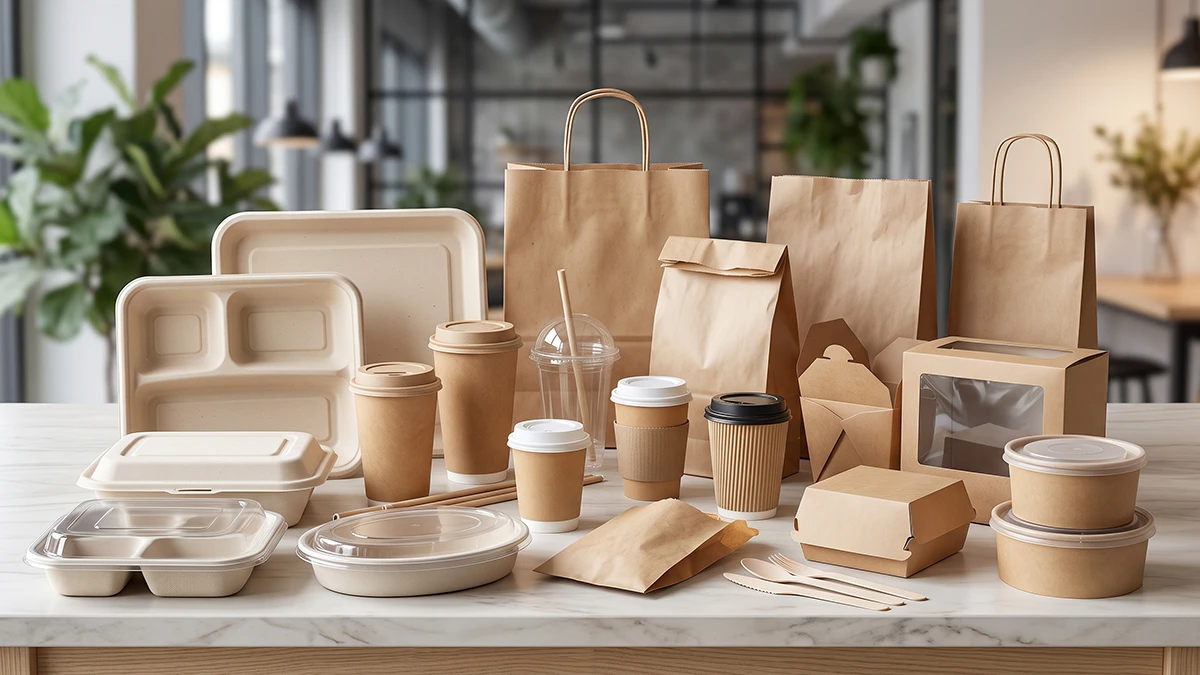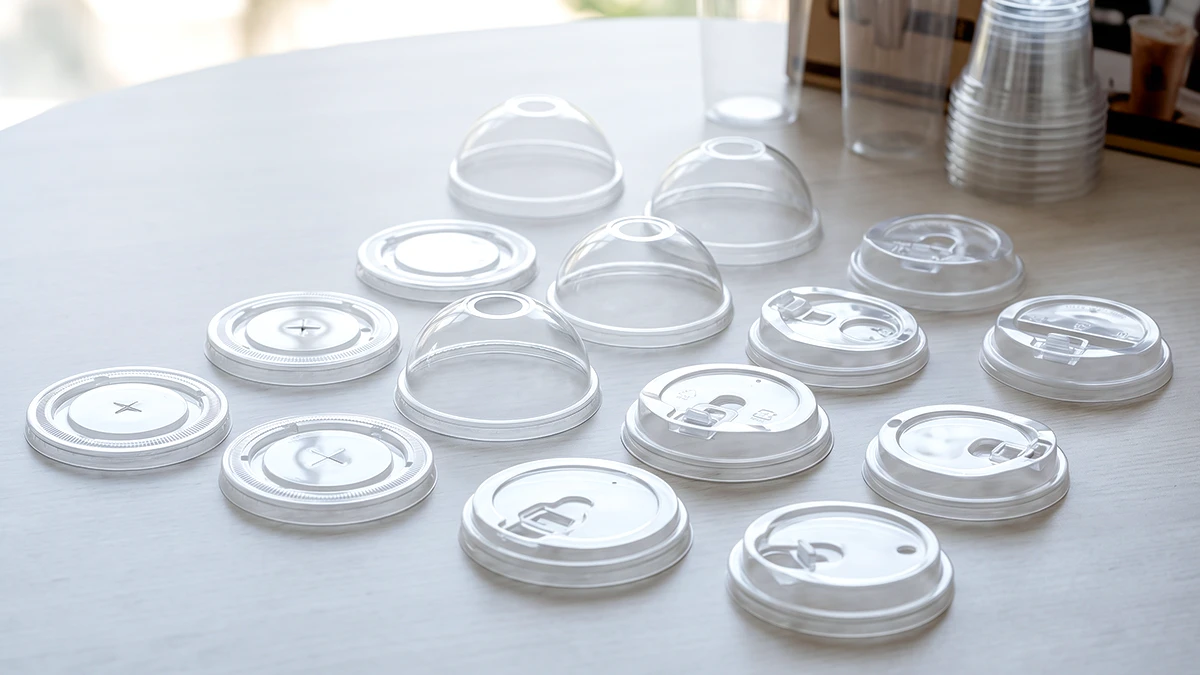

In the world of plastic manufacturing, two processes frequently come up in discussions about creating plastic parts and packaging: thermoforming and injection molding. Both are powerful techniques, but they serve different purposes and excel in different scenarios. Understanding their distinctions is crucial for businesses looking to optimize their production, manage costs, and achieve specific design goals. This blog post will delve into a comparative analysis of thermoforming and injection molding, focusing on their differences in cost, production speed, and design capabilities.
Understanding Thermoforming
Thermoforming is a process where a thermoplastic sheet is heated until it becomes pliable, then stretched over or into a mold, and held in place while it cools and solidifies into the desired shape. The excess material is then trimmed away. This method is particularly well-suited for producing parts with relatively thin walls and simpler geometries. Its key advantages include lower tooling costs and faster prototyping, making it an attractive option for a wide range of packaging and product applications.
Understanding Injection Molding
Injection molding, on the other hand, involves melting plastic pellets and injecting the molten plastic under high pressure into a mold cavity. Once the plastic cools and solidifies, the mold opens, and the finished part is ejected. This process is renowned for its ability to produce highly complex, intricate parts with tight tolerances and varying wall thicknesses. While it typically involves higher initial tooling costs, injection molding is ideal for high-volume production of precision components.
Key Differences: A Comparative Analysis
To help you decide which process is best for your project, let’s break down the core differences between thermoforming and injection molding.
1. Cost Considerations
Cost is often a deciding factor in manufacturing. The financial implications of thermoforming and injection molding vary significantly, primarily due to tooling and material usage.
Tooling Costs
- Thermoforming: Generally, thermoforming molds are less expensive to design and produce. They are often made from aluminum, wood, or even epoxy for prototyping, which contributes to lower upfront investment. This makes thermoforming a more accessible option for smaller production runs or when budget constraints are a concern.
- Injection Molding: Injection molding tools, often made from hardened steel, are much more complex and precise, leading to significantly higher tooling costs. These molds are built to withstand high pressures and temperatures over millions of cycles, justifying the higher initial investment for very high-volume production.
Unit Costs
- Thermoforming: While tooling is cheaper, material waste can be higher if not properly managed, as the process starts with a sheet and trims excess. However, this excess is often recycled. For large parts, thermoforming can be more material-efficient.
- Injection Molding: Material waste is minimal as the exact amount of plastic needed is injected. For small, intricate parts, the unit cost can be very low due to efficient material use and rapid cycle times.
2. Production Speed and Efficiency
The speed at which parts can be produced and the overall efficiency of the manufacturing process differ between the two methods.
Cycle Times
- Thermoforming: Cycle times can be relatively fast, especially for simpler parts. For large parts, thermoforming can be quicker than injection molding because it involves heating a sheet rather than melting and injecting a large volume of plastic.
- Injection Molding: While individual cycle times for injection molding can be very short (often seconds), especially for smaller parts, the overall process for complex parts can be slower due to cooling times and intricate mold movements. However, its ability to produce multiple parts per cycle (multi-cavity molds) makes it highly efficient for mass production.
Volume Capabilities
Both processes are capable of high-volume production, but their sweet spots differ. Thermoforming is excellent for high volumes of larger, simpler parts, while injection molding excels at extremely high volumes of smaller, complex, and precise parts.
3. Design Flexibility and Part Complexity
Design capabilities are a major differentiator, influencing the types of products each process can create.
Part Geometry
- Thermoforming: Best suited for parts with simpler geometries, uniform wall thicknesses, and less intricate details. It’s ideal for open-ended shapes like trays, clamshells, and covers.
- Injection Molding: Offers unparalleled design freedom, allowing for highly complex and intricate geometries, varying wall thicknesses, undercuts, and internal features. This makes it suitable for sophisticated components with precise specifications.
Tolerances and Surface Finish
- Thermoforming: Achieves good tolerances, but generally not as tight as injection molding. The surface finish on the mold side is typically excellent, while the non-mold side might have slight variations.
- Injection Molding: Known for producing parts with extremely tight tolerances and excellent surface finishes, often requiring no post-processing. This precision is critical for functional components and aesthetic parts.
4. Material Selection
Both processes utilize thermoplastics, but the specific types and their applications can vary.
- Common Materials for Thermoforming: PET (Polyethylene Terephthalate), PP (Polypropylene), PS (Polystyrene), PVC (Polyvinyl Chloride), PETG (Polyethylene Terephthalate Glycol). These are often chosen for their formability and suitability for packaging.
- Common Materials for Injection Molding: A broader range of engineering plastics, including ABS (Acrylonitrile Butadiene Styrene), Nylon, Polycarbonate, HDPE (High-Density Polyethylene), LDPE (Low-Density Polyethylene), and various specialized polymers. These materials offer diverse mechanical, thermal, and chemical properties for demanding applications.
5. Applications and Use Cases
Understanding typical applications helps illustrate where each process truly shines.
- Thermoforming Applications: Widely used for packaging solutions such as food clamshells, disposable food containers, blister packs, medical trays, and large industrial components like refrigerator liners or automotive interior panels (non-structural).
- Injection Molding Applications: Dominates in industries requiring high precision and durability, including automotive components (e.g., dashboards, bumpers), electronic housings (e.g., phone cases, computer parts), intricate medical devices, and various consumer goods like toys and household appliances.
Here’s a summary table comparing the two processes:
| Feature | Thermoforming | Injection Molding |
|---|---|---|
| Process | Heating plastic sheet, forming over mold | Injecting molten plastic into mold cavity |
| Tooling Cost | Lower | Higher |
| Part Complexity | Simpler geometries, uniform wall thickness | Highly complex, intricate designs, varying thickness |
| Production Speed | Faster for large parts, good for medium volumes | Faster for small, complex parts, excellent for high volumes |
| Material Waste | Can be higher (trimmed excess, often recycled) | Minimal |
| Surface Finish | Good on mold side, slight variations on non-mold side | Excellent, high precision |
| Typical Products | Trays, clamshells, blister packs, large covers | Electronic housings, gears, medical devices, automotive parts |
Choosing the Right Process for Your Needs
Selecting between thermoforming and injection molding depends entirely on your specific project requirements. Consider the following factors:
- Part Complexity: If your design is intricate with varying wall thicknesses and fine details, injection molding is likely the better choice. For simpler, more open shapes, thermoforming is ideal.
- Production Volume: For very high volumes of small, precise parts, injection molding is highly efficient. For high volumes of larger, less complex parts, thermoforming can be more cost-effective.
- Budget: If initial tooling costs are a major concern, thermoforming offers a more economical entry point.
- Material Requirements: Consider the specific properties needed for your product (e.g., strength, flexibility, heat resistance) and choose the process that best accommodates the required materials.
- Desired Finish and Tolerances: If extremely tight tolerances and a pristine surface finish are critical, injection molding is superior.
Reliancepak’s Expertise in Both
At Reliancepak, we understand that choosing the right manufacturing process is crucial for your product’s success. While our core strength lies in providing high-quality thermoforming packaging solutions, we also possess a deep understanding of various plastic manufacturing techniques. We leverage our expertise to guide our B2B clients in selecting the most suitable and cost-effective method for their specific needs. Whether you require custom plastic packaging trays, disposable food containers, or other plastic products, our team is equipped to offer professional consultation and deliver solutions that meet the highest standards of quality and efficiency. We are committed to helping you achieve optimal results, from design to delivery.
Conclusion
Both thermoforming and injection molding are invaluable processes in the plastics industry, each with its unique strengths and ideal applications. Thermoforming offers cost-effectiveness and speed for simpler, thinner-walled parts, making it perfect for many packaging needs. Injection molding provides unparalleled precision and complexity for intricate, high-volume components. By carefully evaluating your project’s specific demands regarding cost, speed, and design, you can make an informed decision that leads to successful product development. Partner with Reliancepak for expert guidance and high-quality plastic packaging solutions tailored to your business.
FAQ
Q: Which process is better for high-volume production?
A: Both are suitable for high-volume production. Injection molding excels for extremely high volumes of small, complex parts, while thermoforming is often more efficient for high volumes of larger, simpler parts.
Q: Can thermoforming produce parts with varying wall thickness?
A: Thermoforming typically produces parts with relatively uniform wall thickness. Achieving significant variations in wall thickness is challenging and usually requires post-processing or alternative methods like injection molding.
Q: What are the typical lead times for each process?
A: Lead times vary greatly depending on part complexity and mold manufacturing. Thermoforming generally has shorter lead times for tooling and initial production runs due to simpler mold requirements. Injection molding, with its complex tooling, often has longer initial lead times.
Q: Is one process more environmentally friendly than the other?
A: Both processes can incorporate sustainable practices. Thermoforming can use recycled plastic sheets, and its trimmed waste is often recycled. Injection molding minimizes material waste during the molding process. The environmental impact largely depends on the specific materials used and recycling infrastructure.
Q: How do I know which process is right for my product?
A: Consider your product’s design complexity, required tolerances, production volume, budget, and material needs. Consulting with experienced manufacturers like Reliancepak can help you determine the most appropriate and cost-effective process for your specific application.