
TL;DR: Discover the best disposable food containers for catering and takeaway, including top materials and features. Learn how to choose the right one and how Reliancepak can support your business decisions.
Choosing the right disposable food container boosts your catering or takeaway business. First, consider material types: biodegradable plastics decompose in 90 days, paper is recyclable but less leak-resistant, and aluminum handles high heat well. Key features include leak-proof seals for sauces, microwave safety, and eco-certifications like BPA-free. Reliancepak offers customizable, high-quality options that fit various budgets and sustainability goals. They provide expert guidance on matching containers to your food type, reducing waste, and ensuring customer satisfaction. Partnering with a reliable supplier can save you time and money long-term. Always test a sample before scaling up your order.
Struggling with messy deliveries or eco-conscious customers? You’re not alone. Let’s explore practical solutions that work for real businesses.
What Are the Best Materials for Disposable Food Containers?
Your container material affects food safety and eco-impact. Choose wisely for your specific needs.
Biodegradable Plastics
These break down naturally in 60-90 days. They’re great for hot entrees and cold salads. Look for plant-based options like PLA. They might cost 15% more but attract eco-aware customers. Avoid overheating them in microwaves.
Paper-Based Containers
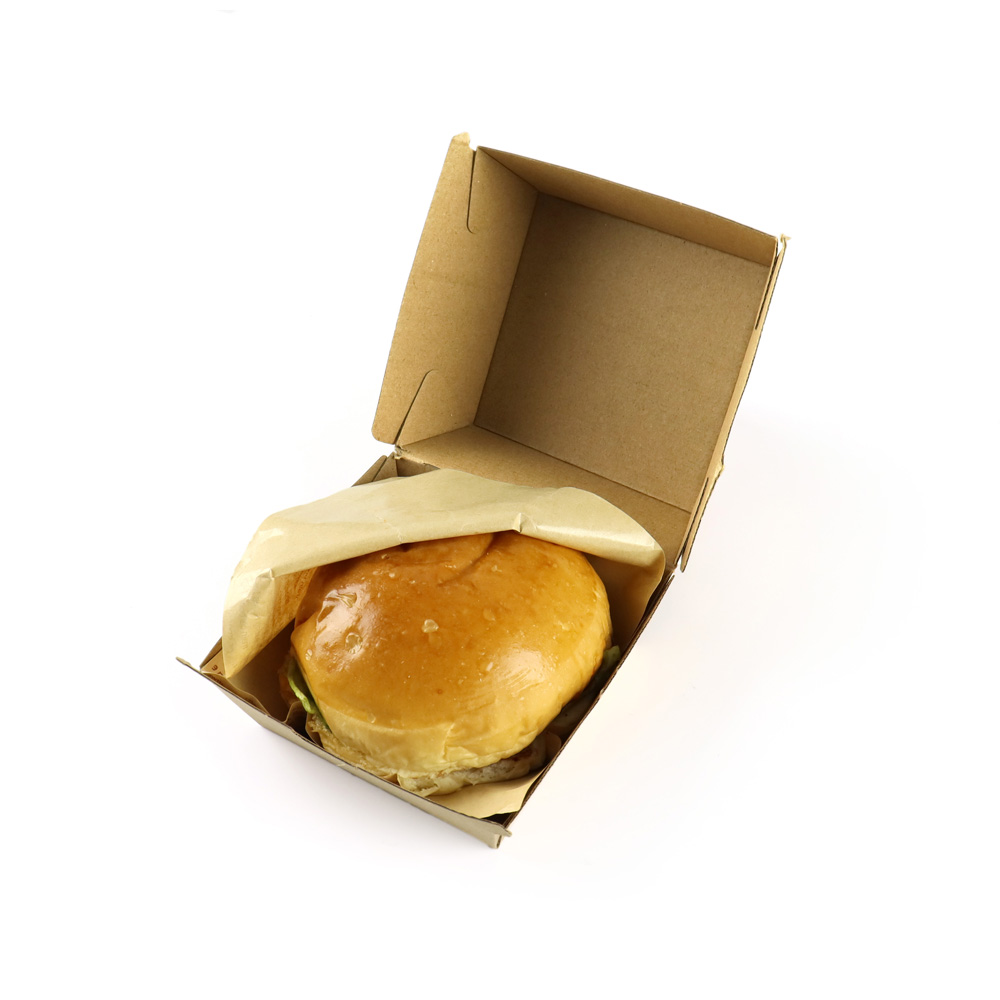
Recyclable paper containers are lightweight and budget-friendly. They work well for dry foods like sandwiches. But they often leak with soups. Add a wax lining for basic moisture resistance. Many businesses use them for quick takeout orders.
Aluminum and Foil Options
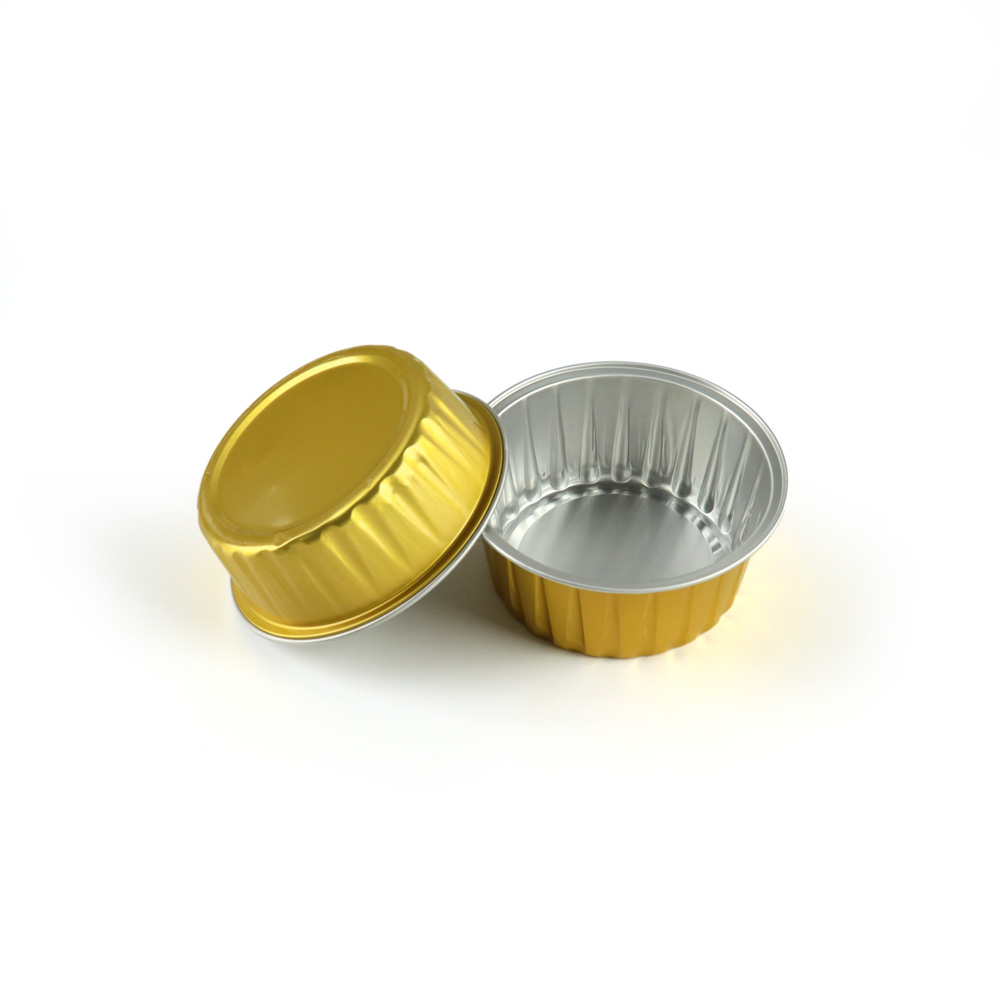
Aluminum containers handle grilled meats and hot dishes safely. They’re oven-friendly and fully recyclable. Foil-lined versions keep food warm longer. Use these for premium catering events. They cost more but reduce customer complaints about cold food.
Reusable-Like Eco Models
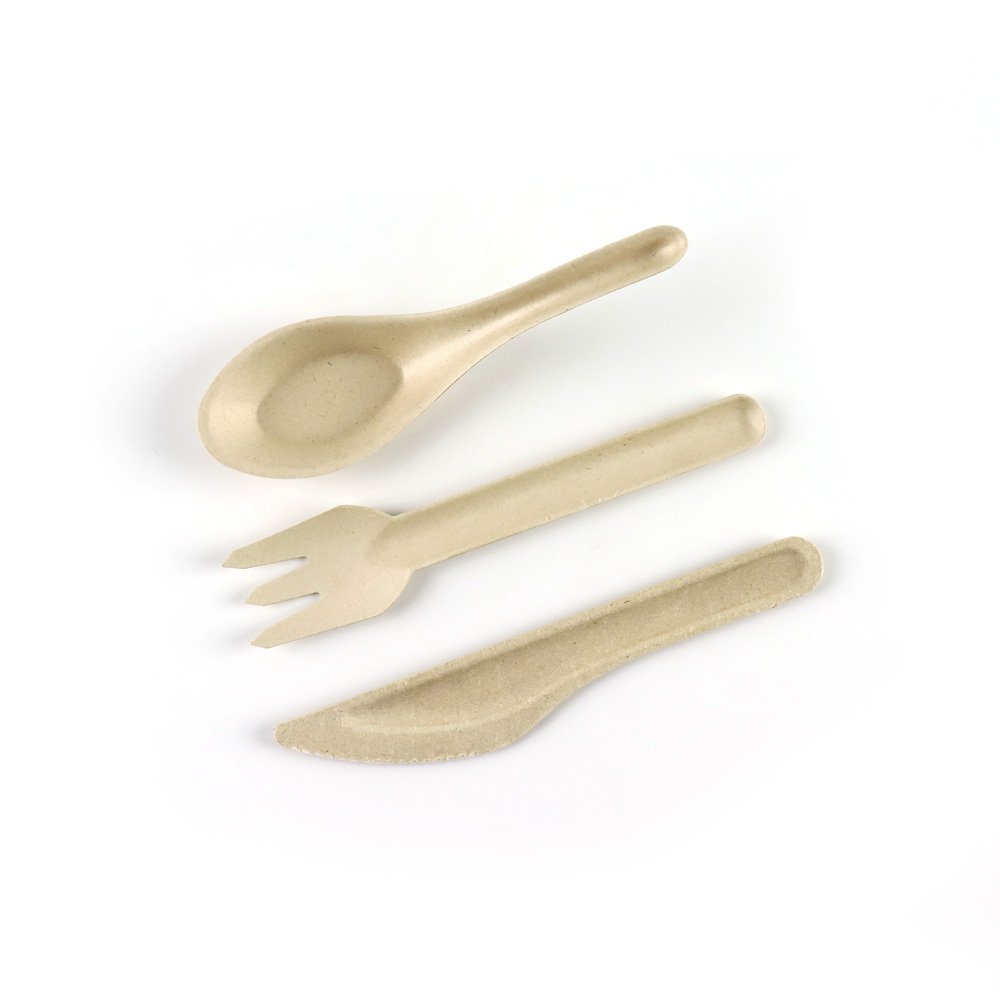
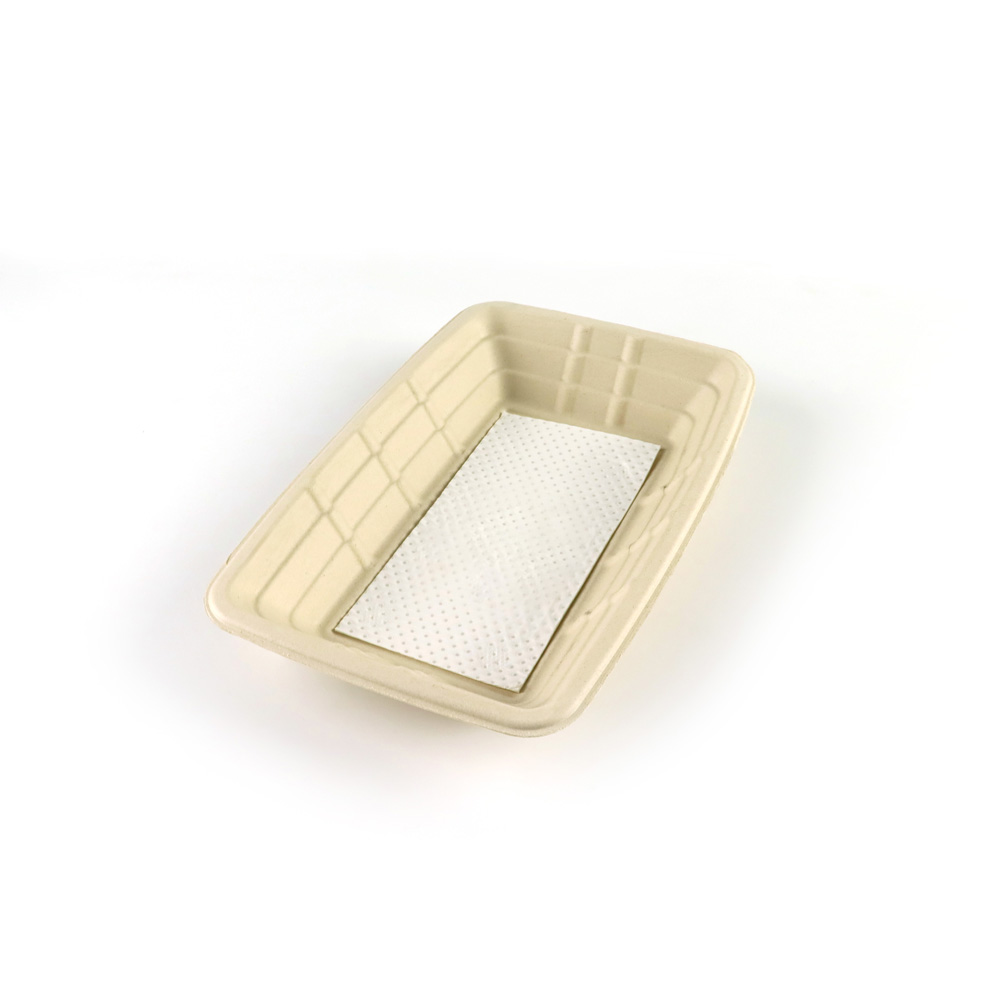
Some disposable containers mimic reusables. They blend bamboo fibers with cornstarch. These compost in industrial facilities. They’re sturdy for heavy meals but require local composting access. Test their sturdiness with your menu items.
| Material Type | Best For | Eco Rating | Cost Range | Key Limitation |
|---|---|---|---|---|
| Biodegradable Plastic | Salads, pastas | ★★★★☆ | $0.50–$1.20/unit | May warp under high heat |
| Paper-Based | Dry snacks, burgers | ★★☆☆☆ | $0.30–$0.75/unit | Not leak-proof for liquids |
| Aluminum | Hot entrees, roasts | ★★★★★ | $0.80–$1.50/unit | Higher cost per unit |
| Bamboo-Corn Blend | Premium meals | ★★★★★ | $0.60–$1.00/unit | Needs industrial composting |
How Do You Choose the Right Disposable Food Container?
Picking containers requires matching them to your business specifics. Don’t assume one size fits all.
What Food Temperature Matters Most?
Hot foods need microwave-safe or oven-ready containers. Cold dishes require insulated lids. For example, a soup caterer must choose leak-proof designs. Measure your average delivery time to pick the right heat retention.
Are Your Eco Goals Driving Your Decision?
Many clients now demand sustainable packaging. Check local recycling rules. If you serve in a zero-waste city, go biodegradable. But if composting isn’t available, paper might be better. Few businesses realize not all “compostable” labels work in home bins.
How Can You Balance Cost and Quality?
Start with small sample orders. A catering company in New York saved 20% by switching to plus-sized containers for family meals. Watch for hidden costs like extra lids. Ask suppliers about bulk discounts without long contracts.
Why Reliancepak Excels for Catering and Takeaway Needs?
You need a partner who understands your daily challenges. Reliancepak focuses on practicality for food businesses.
How Do They Ensure Reliability?
Their quality control tests every batch for leaks and safety. A bakery reported zero container failures after switching to their sealed units. They use FDA-approved materials consistently. This reduces compensations for ruined orders.
Can You Customize Containers Easily?
Reliancepak offers quick logo printing and size adjustments. One food truck boosted branding by adding custom labels. They handle small runs without high fees. You might redesign packaging in weeks, not months.
What If You Face Last-Minute Orders?
Their supply chain avoids common shortages. During peak holiday seasons, clients get timely deliveries. They maintain stock of top materials like plant-based options. This prevents running out when demand spikes.
How Do They Support Eco Goals Authentically?
Reliancepak provides transparency on certifications. They share composting guides for each product. A café cut waste by 30% using their recycled fiber containers. Partnering with them saves you research time.
Conclusion
Picking the best disposable food container involves balancing material, function, and sustainability. Test options like biodegradable plastics for eco-neutrality or aluminum for hot foods. Reliancepak’s expertise helps you avoid common mistakes with customizable, reliable solutions. Focus on your specific menu needs and client expectations. Small changes in packaging can make a big difference in satisfaction.
Frequently Asked Questions
What is the most eco-friendly disposable food container?
Biodegradable plastics or bamboo blends are top choices. They compost quickly under the right conditions. Always verify local composting access first.
Can disposable containers be used for hot and cold foods?
Yes, look for dual-purpose options. Recycled paper with liners works for both. Aluminum is best for very hot items only.
How much should I budget for quality containers?
Aim for $0.40 to $1.20 per unit. Higher prices often mean better sturdiness and eco-features. Track savings from reduced waste.
Do all disposable containers leak?
Not when chosen carefully. Opt for tight-sealing designs. Reliancepak’s tested lids reduce leaks by 90% in typical use.
How do I find a reliable supplier?
Ask for samples and check certifications. Reliancepak provides free samples for new clients. Build a partnership for long-term support.
Are there legal requirements for disposable packaging?
Many regions require BPA-free and food-safe materials. Always confirm compliance with local health codes. Suppliers like Reliancepak maintain updated documentation.