
In today’s fast-paced global food industry, plastic containers have become an indispensable component of modern food packaging systems. These versatile vessels not only protect food products during transit and storage but also extend shelf life while maintaining product integrity. The global plastic food containers market is experiencing significant growth, projected to increase from $60.20 billion in 2024 to $97.13 billion by 2034, growing at a compound annual growth rate (CAGR) of 4.9%. This remarkable expansion reflects the essential role that plastic containers play in our food supply chain and daily lives.
Common Types of Plastic Food Containers
The versatility of plastic as a packaging material stems from the variety of polymers available, each with unique properties suited for specific food packaging applications. Understanding these different types can help businesses make informed decisions about which containers best suit their products.
PET Containers: Clarity and Strength
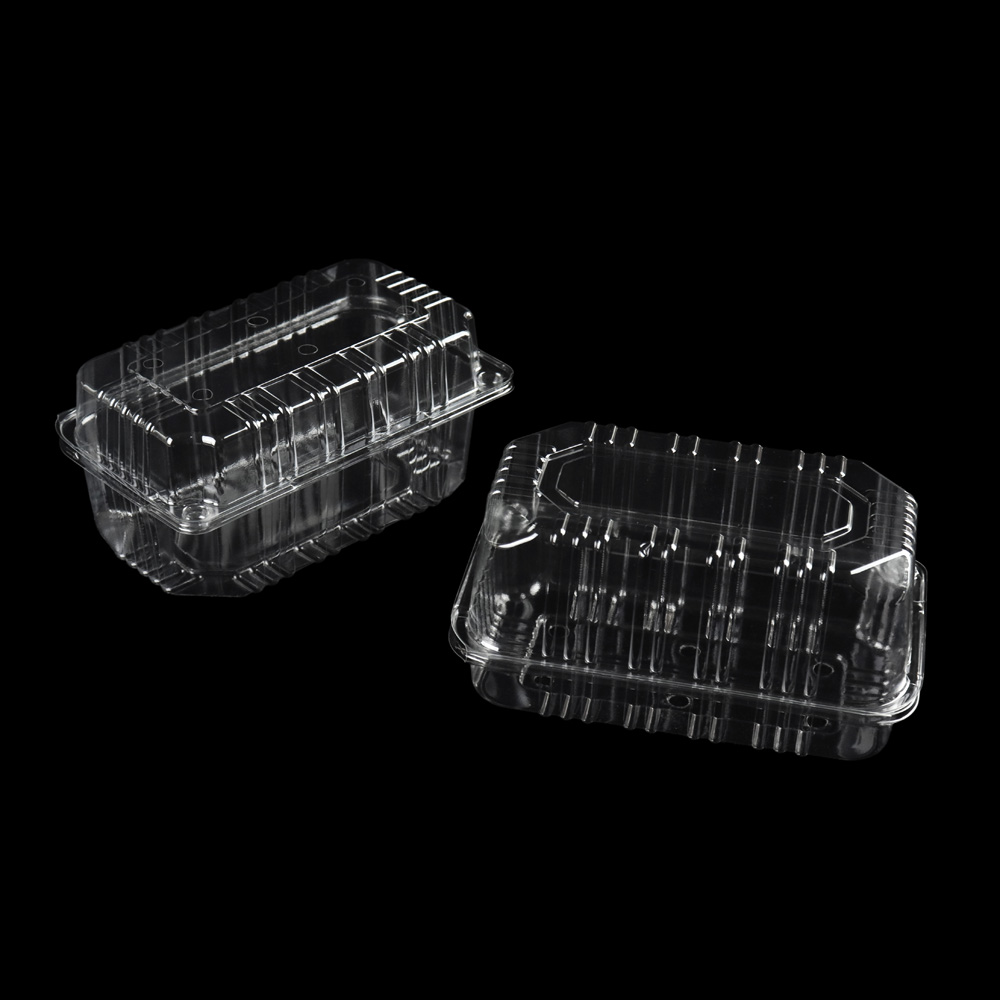
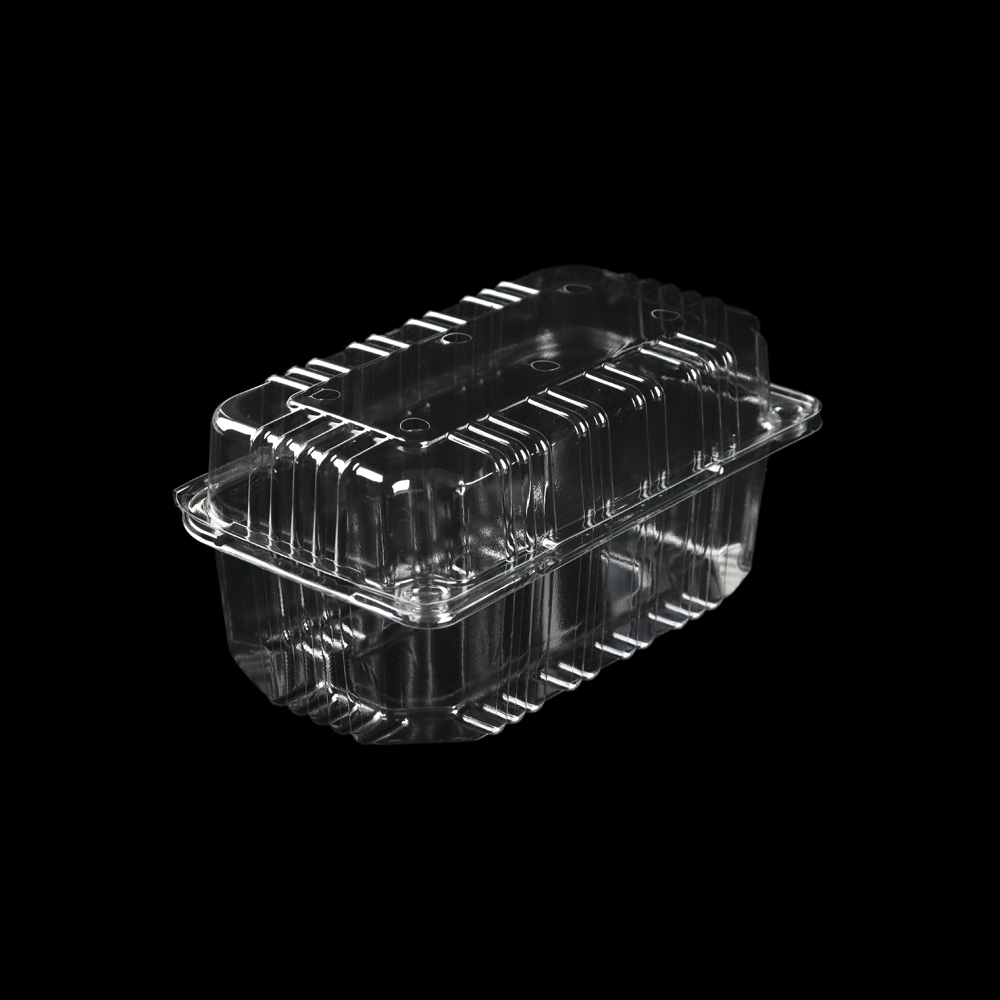
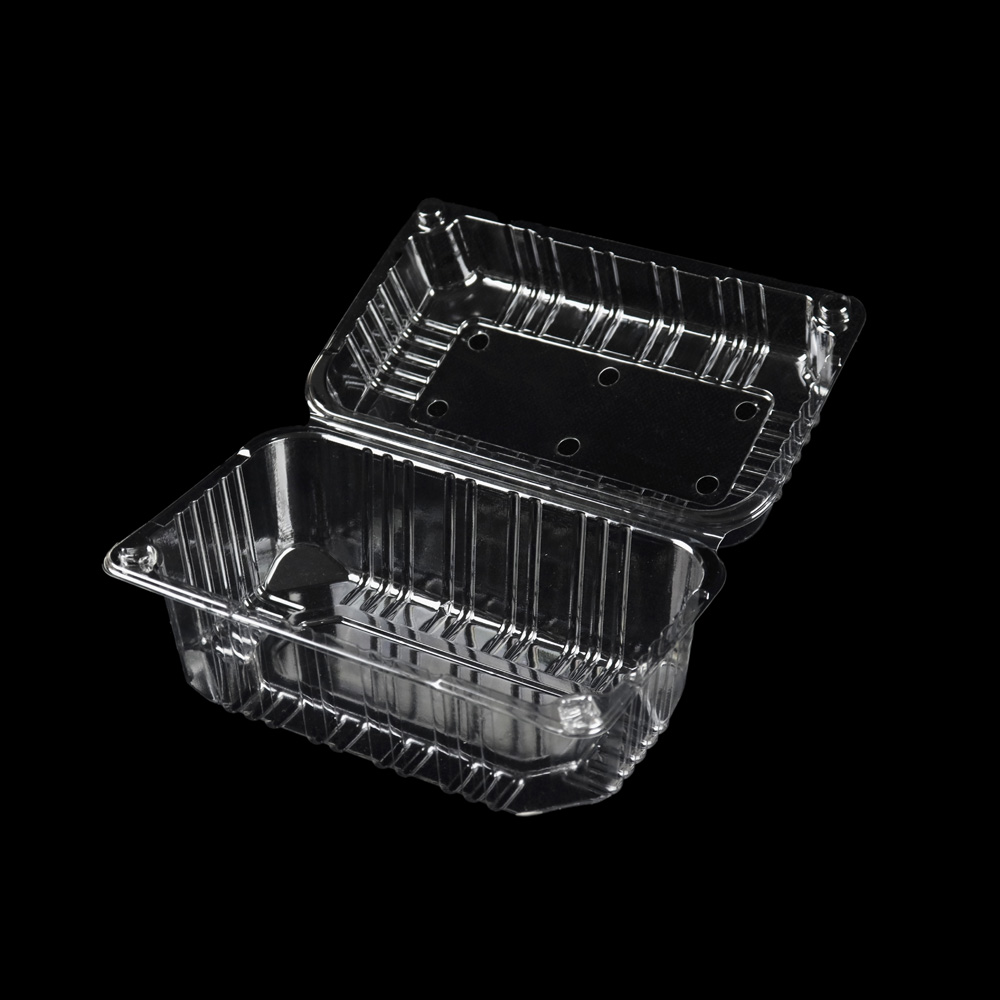
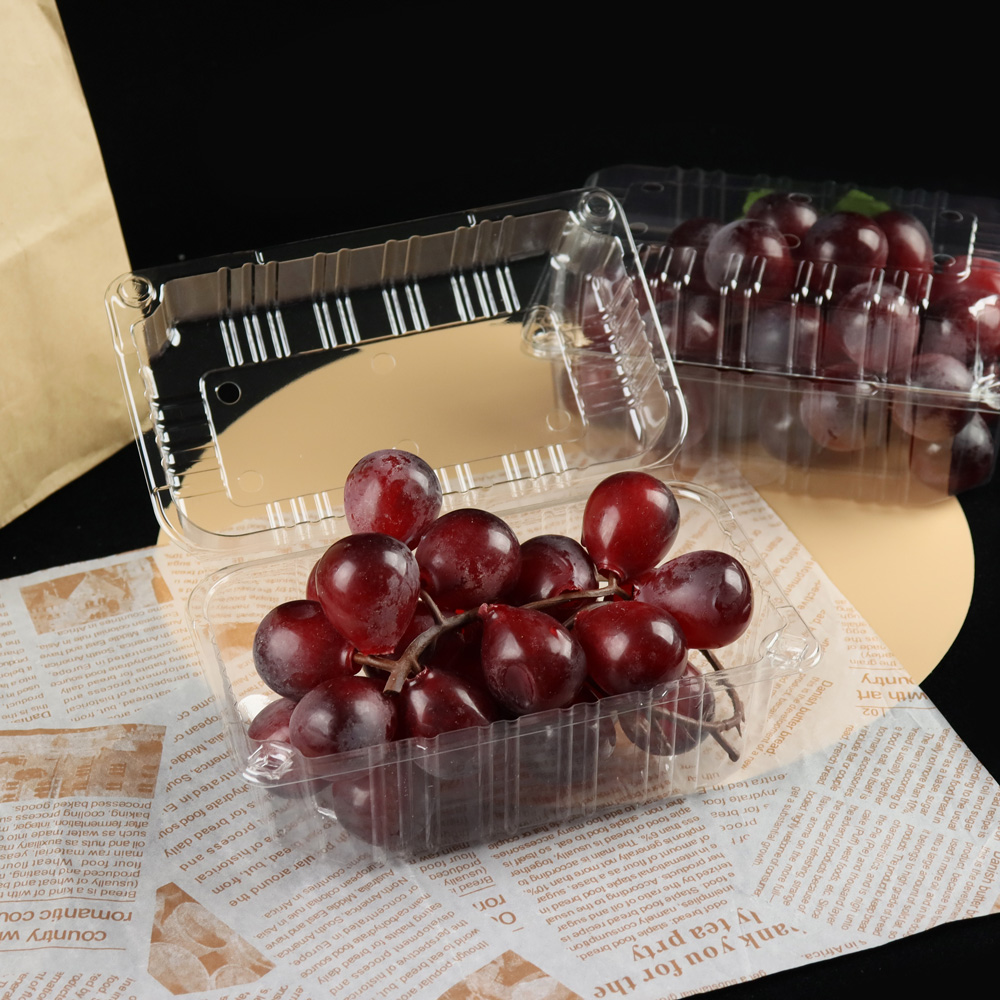
Polyethylene terephthalate (PET) containers stand out for their exceptional clarity, strength, and lightweight nature. These containers are widely recognized for their transparent appearance, allowing consumers to see the product inside—a significant advantage for food products where visual appeal matters. PET containers are commonly used for packaging beverages, including soft drinks, water, and juices, as well as for salad containers and various food trays.
The popularity of PET containers in the food industry stems from their excellent barrier properties, which protect against moisture, gases, and odors. This protection helps extend the shelf life of packaged foods while maintaining their freshness and flavor. Additionally, PET’s good impact resistance ensures that products remain protected during transportation and handling, reducing waste due to damaged packaging.
Another advantage of PET containers is their recyclability, making them a more environmentally friendly option compared to some other plastic types. As sustainability becomes increasingly important to consumers and businesses alike, the recyclable nature of PET contributes to its continued popularity in food packaging applications.
HDPE Containers: Durability and Versatility
High-density polyethylene (HDPE) containers offer exceptional durability and chemical resistance, making them ideal for packaging a wide range of food products. Derived from petroleum, HDPE is a thermoplastic polymer known for its strong and sturdy properties. These containers are commonly used for packaging milk jugs, yogurt containers, and various condiment bottles.
HDPE’s remarkable resistance to chemicals and moisture makes it particularly suitable for products with higher pH levels or those containing oils. The material’s durability ensures that containers maintain their structural integrity throughout the product’s shelf life, even when subjected to various handling and storage conditions.
Unlike PET, HDPE containers are typically opaque or translucent rather than transparent. While this may be a disadvantage for products where visibility is important, it provides excellent protection against light exposure, which can degrade certain food products. This characteristic makes HDPE containers particularly valuable for packaging light-sensitive foods and beverages.
From a manufacturing perspective, HDPE’s versatility allows for various molding techniques, enabling the production of containers in diverse shapes and sizes to accommodate different food products and consumer preferences.
PP Containers: Heat Resistance and Flexibility
Polypropylene (PP) containers have gained significant popularity in the food packaging industry due to their exceptional heat resistance and flexibility. This unique combination of properties makes PP containers particularly suitable for microwave-safe applications, such as those used for storing leftovers or ready-to-eat meals that require reheating.
The heat resistance of PP containers allows them to withstand temperatures up to 120°C (248°F) without deforming or releasing harmful chemicals, making them safe for hot-filling processes and microwave use. This characteristic has made PP the material of choice for takeout containers, yogurt cups, and margarine tubs.
Beyond heat resistance, PP containers offer excellent chemical resistance and fatigue resistance, meaning they can withstand repeated use without cracking or breaking. The material’s natural translucency can be modified with colorants to create visually appealing packaging that enhances brand recognition and product presentation.
PP’s lower density compared to some other plastics means that manufacturers can produce lightweight containers that reduce transportation costs and environmental impact while maintaining structural integrity. This balance of performance and efficiency has contributed to the growing adoption of PP containers across various food industry segments.
LDPE Packaging: Flexibility and Moisture Resistance
Low-density polyethylene (LDPE) packaging offers exceptional flexibility and moisture resistance, making it ideal for applications where these properties are paramount. LDPE is a thermoplastic material that is lightweight and highly flexible, commonly found in plastic wraps, sandwich bags, and squeeze bottles for condiments.
The remarkable flexibility of LDPE allows it to conform to the shape of the food it contains, providing a tight seal that helps preserve freshness. This characteristic makes LDPE particularly valuable for packaging irregularly shaped food items or products that require airtight sealing to maintain quality.
LDPE’s excellent moisture barrier properties help protect food products from external humidity while preventing moisture loss from the packaged food. This dual protection is crucial for maintaining the texture and quality of many food products throughout their shelf life.
While LDPE may not offer the rigidity or heat resistance of some other plastic types, its unique combination of flexibility, moisture resistance, and cost-effectiveness makes it an essential component in the food packaging industry’s material portfolio.
Plastic Container Applications Across Food Industry Sectors
The versatility of plastic containers has led to their widespread adoption across various sectors of the food and beverage industry, each with unique packaging requirements and challenges.
Food and Beverage Industry Applications
In the broader food and beverage industry, plastic containers have emerged as the leading revenue contributor in the packaging sector. This segment is anticipated to record robust growth during the coming years, driven by changing lifestyles and consumer preferences for processed and convenience foods.
Plastic containers offer food manufacturers and processors significant advantages, including extended shelf life, improved product visibility, and enhanced protection during distribution. For beverages, PET bottles have revolutionized the industry by providing lightweight, shatter-resistant alternatives to glass while maintaining product quality and visual appeal.
The convenience factor cannot be overstated—plastic containers with resealable features, portion control options, and easy-open designs have become increasingly popular among consumers with busy lifestyles. These features not only enhance the user experience but also help reduce food waste by allowing consumers to store unused portions effectively.
Additionally, the customization possibilities of plastic containers enable food and beverage companies to differentiate their products in competitive markets. Custom shapes, colors, and labeling options help create distinctive brand identities and improve shelf presence in retail environments.
Bakery and Confectionery Sector Requirements
The bakery and confectionery sector represents one of the largest users of plastic food packaging solutions, with unique requirements driven by product characteristics and market demands. In India alone, the production of baked goods has been steadily increasing, now representing the largest segment of the processed food industry, with bread and biscuits accounting for approximately 82% of all bakery product output.
Plastic containers for bakery and confectionery products must address several specific challenges. These include maintaining product freshness and texture, preventing moisture migration, providing physical protection for delicate items, and showcasing the visual appeal of the products. Clear PET containers are particularly popular for displaying visually attractive confectionery items, while modified atmosphere packaging using specialized plastic materials helps extend the shelf life of baked goods.
The sector’s diverse product range—from bread and pastries to chocolates and candies—requires equally diverse packaging solutions. Rigid containers protect fragile items like cakes and pastries, while flexible films and wrappers accommodate products like cookies and chocolates. The ability of plastic packaging to be customized for specific product dimensions and protection requirements makes it invaluable to this sector.
Furthermore, the growing trend of premium and artisanal bakery products has increased demand for high-quality plastic packaging that communicates product value while providing necessary protection. This has driven innovation in materials and designs specifically tailored to the unique needs of bakery and confectionery manufacturers.
Retail vs. Wholesale Market Differentiation
The requirements for plastic food containers differ significantly between retail and wholesale markets, reflecting the distinct needs and priorities of each channel. Understanding these differences is crucial for packaging suppliers and food manufacturers operating across multiple distribution channels.
In retail markets, plastic containers must excel in consumer appeal and convenience features. Retail packaging typically emphasizes attractive designs, clear product visibility, easy opening and reclosing mechanisms, and portion sizes appropriate for household consumption. The packaging often serves as a critical marketing tool, with designs that enhance shelf presence and communicate brand values directly to consumers.
Conversely, wholesale plastic containers prioritize efficiency, durability, and cost-effectiveness for bulk distribution. These containers typically feature larger volumes, stackability for efficient storage and transportation, and robust construction to withstand the rigors of supply chain handling. While aesthetic considerations remain relevant, functional aspects like ease of dispensing in food service environments and compatibility with commercial storage systems take precedence.
Sustainability considerations also manifest differently across these markets. Retail consumers increasingly demand environmentally friendly packaging options, driving innovation in recyclable and biodegradable retail containers. In wholesale markets, sustainability efforts often focus on reducing material usage through design optimization and implementing efficient reverse logistics systems for reusable containers.
The B2B nature of wholesale markets also means that plastic container specifications are frequently customized to meet the operational requirements of specific customers, such as restaurant chains or institutional food services, creating opportunities for packaging suppliers who can provide tailored solutions.
Key Considerations When Selecting Plastic Containers
Selecting the appropriate plastic containers for food products involves balancing multiple factors to ensure optimal performance, compliance, and cost-effectiveness.
Food Safety and Regulatory Compliance
Food safety and regulatory compliance represent the foremost considerations when selecting plastic containers for food packaging. As global regulations become increasingly stringent, manufacturers must ensure that their packaging materials comply with all applicable standards and regulations.
Food-grade plastic containers must be manufactured from materials approved for food contact by relevant regulatory bodies, such as the FDA in the United States or the EFSA in Europe. These approvals ensure that the containers will not transfer harmful substances to the food they contain, even under various temperature conditions or extended storage periods.
Beyond material selection, manufacturers must consider specific migration limits for various substances and ensure that their containers undergo appropriate testing to verify compliance. This is particularly important for containers intended for fatty foods, acidic products, or items that will be heated in the packaging, as these conditions can affect migration rates.
Traceability systems have also become essential components of regulatory compliance, allowing manufacturers to track materials throughout the supply chain and quickly address any safety concerns that may arise. Implementing robust documentation practices for material specifications, test results, and compliance certifications helps demonstrate due diligence to regulators and customers alike.
As regulations continue to evolve, particularly regarding chemicals of concern like bisphenol A (BPA) and phthalates, staying informed about regulatory developments and proactively adapting packaging materials and designs is crucial for maintaining compliance and consumer trust.
Shelf Life Extension and Barrier Properties
The ability of plastic containers to extend product shelf life through effective barrier properties represents one of their most valuable contributions to the food industry. Different food products require specific barrier protections against elements like oxygen, moisture, light, and aromas, which can all affect product quality and safety.
Oxygen barrier properties are particularly critical for many food products, as oxygen exposure can lead to oxidation, nutrient degradation, and color changes. High-barrier plastics or multi-layer structures incorporating materials like EVOH (ethylene vinyl alcohol) provide excellent oxygen barriers for sensitive products like processed meats, certain dairy items, and prepared foods.
Moisture barrier properties help prevent both moisture loss from the product and moisture ingress from the environment. This protection is essential for maintaining the texture and quality of dry products like baked goods and snacks, as well as preventing moisture-related degradation in many prepared foods.
Light barrier properties protect products from UV and visible light exposure, which can trigger oxidation reactions and degrade nutrients in products like dairy, juices, and oils. Opaque or colored containers provide this protection, with materials like HDPE offering superior light barriers compared to clear materials like PET.
Aroma barrier properties prevent both the loss of desirable product aromas and the ingress of external odors that could affect product quality. This protection is particularly important for products with delicate flavor profiles or those stored in environments where they might be exposed to strong odors.
The selection of appropriate barrier properties must be balanced with other considerations like cost, recyclability, and consumer preferences for product visibility. Advanced technologies like plasma coating and nanocomposites continue to improve barrier performance while minimizing material usage and environmental impact.
Cost-Benefit Analysis
Conducting a thorough cost-benefit analysis is essential when selecting plastic containers for food packaging, as packaging decisions can significantly impact both product costs and market performance. This analysis should consider not only the direct costs of the containers but also their broader impact on the product lifecycle and business operations.
Direct costs include the purchase price of the containers, which is influenced by material type, complexity of design, order volumes, and market conditions for raw materials. While less expensive options may seem attractive initially, they must be evaluated against their performance capabilities and alignment with product requirements.
Beyond purchase price, businesses should consider how container selection affects operational costs throughout the supply chain. Lightweight containers may reduce transportation costs, while stackable designs can optimize storage space and handling efficiency. Containers that provide superior product protection may reduce costs associated with damage and returns, generating savings that offset higher initial packaging costs.
Market impact represents another critical dimension of the cost-benefit equation. Premium packaging may command higher product prices or increase sales volumes by enhancing shelf appeal and consumer perception of quality. Conversely, packaging that fails to meet consumer expectations regarding functionality or sustainability may negatively impact sales despite lower costs.
Sustainability considerations increasingly factor into cost-benefit analyses as well. While sustainable packaging options may carry higher upfront costs, they can generate long-term benefits through improved brand reputation, alignment with corporate sustainability goals, and preparation for future regulatory requirements regarding packaging materials.
A comprehensive cost-benefit analysis should also account for the container’s impact on product shelf life, as extended shelf life can reduce waste, expand distribution possibilities, and improve inventory management—all of which contribute to overall profitability.
Logistics and Transportation Efficiency
The impact of plastic container selection on logistics and transportation efficiency can significantly affect overall supply chain costs and environmental footprint. Optimizing packaging for efficient distribution has become increasingly important as companies seek to reduce both expenses and carbon emissions associated with product movement.
Weight optimization represents one of the most direct ways plastic containers contribute to transportation efficiency. Lightweight plastic materials reduce shipping weight compared to alternatives like glass or metal, resulting in lower fuel consumption and reduced transportation costs. Even small weight reductions can generate substantial savings when multiplied across high-volume shipments.
Space utilization efficiency depends largely on container design. Stackable containers maximize vertical space utilization in warehouses and delivery vehicles, while nestable designs reduce space requirements for empty container storage and return transport. Square or rectangular containers typically offer better space efficiency than round ones, allowing more product to be shipped in the same volume.
Durability during transit is another crucial consideration, as damage during transportation leads to product losses, additional handling costs, and customer dissatisfaction. Plastic containers with appropriate impact resistance and structural design can significantly reduce damage rates compared to less robust alternatives, particularly for fragile or sensitive food products.
Temperature stability during transportation represents a particular advantage of certain plastic containers, especially for products requiring cold chain management. Materials like PP and HDPE maintain their structural integrity across a wide temperature range, providing reliable protection for refrigerated or frozen products throughout distribution.
For international shipping, plastic containers offer advantages including resistance to humidity variations, compatibility with automated handling systems, and reduced risk of breakage during extended transit. These benefits are particularly valuable for food exporters navigating complex global supply chains with multiple handling points.
Conclusion
As we look toward the future of plastic food containers, several trends are shaping the industry’s direction and creating new opportunities for innovation and growth.
Future Trends in Plastic Food Containers
The plastic food container industry is evolving rapidly in response to changing market demands, technological advancements, and sustainability imperatives. Several key trends are likely to define the future of this sector.
Sustainability will continue to drive innovation, with increased focus on recyclable and biodegradable materials that maintain the performance advantages of traditional plastics. The development of bio-based plastics derived from renewable resources represents a promising direction, potentially reducing dependence on fossil fuels while offering comparable functionality.
Smart packaging technologies are increasingly being integrated into plastic food containers, enabling features like freshness monitoring, temperature tracking, and consumer engagement through digital interfaces. These innovations add value beyond basic containment and protection, creating new opportunities for brand differentiation and consumer interaction.
Design optimization will focus on reducing material usage while maintaining or improving performance, driven by both cost considerations and sustainability goals. Advanced manufacturing techniques like precision molding and material science innovations will enable thinner, lighter containers that deliver equivalent or superior protection with less plastic.
Customization capabilities will expand as digital manufacturing technologies mature, allowing food companies to create more tailored packaging solutions with lower minimum order quantities. This trend will particularly benefit specialty food producers and those seeking to differentiate their products through unique packaging designs.
Regulatory developments will continue to shape the industry, with increasing restrictions on certain materials and growing requirements for recycled content, recyclability, and environmental impact disclosure. Forward-thinking companies are already preparing for these changes by developing compliant packaging solutions that anticipate future requirements.
Recommendations for Businesses
For businesses navigating the complex landscape of plastic food container selection, several strategic approaches can help optimize packaging decisions and create competitive advantages.
Adopt a holistic approach to packaging selection that considers the entire product lifecycle, from manufacturing and distribution to consumer use and end-of-life disposal. This perspective helps identify opportunities for improvement that might be missed when focusing solely on purchase price or individual performance attributes.
Invest in material and technology education to build internal expertise regarding plastic container options and their applications. As packaging technologies evolve rapidly, maintaining current knowledge about new materials, designs, and manufacturing techniques is essential for making informed decisions.
Develop collaborative relationships with packaging suppliers who can provide insights, technical support, and customized solutions. The most valuable supplier partnerships go beyond transactional purchasing to include joint innovation, problem-solving, and continuous improvement initiatives.
Implement systematic testing protocols to evaluate container performance under real-world conditions before full-scale implementation. This approach helps identify potential issues early and ensures that selected containers will perform as expected throughout the product lifecycle.
Balance innovation with reliability by thoughtfully introducing new packaging technologies while maintaining consistent performance. A phased approach to innovation can help manage risks while still capturing the benefits of improved packaging solutions.
Monitor consumer preferences and feedback regarding packaging to ensure alignment with market expectations. As consumer attitudes toward plastic packaging evolve, staying attuned to these changes helps businesses adapt their packaging strategies accordingly.
Consider regional variations in regulations, infrastructure, and consumer preferences when developing packaging strategies for different markets. A solution that works well in one region may require modification for successful implementation elsewhere.
By thoughtfully selecting and implementing appropriate plastic food containers, businesses can protect product quality, enhance consumer satisfaction, optimize supply chain efficiency, and support sustainability goals—creating value throughout the product lifecycle.
In this dynamic industry, the companies that thrive will be those that view plastic food containers not merely as commodity items but as strategic assets that contribute to overall business success and responsible environmental stewardship.