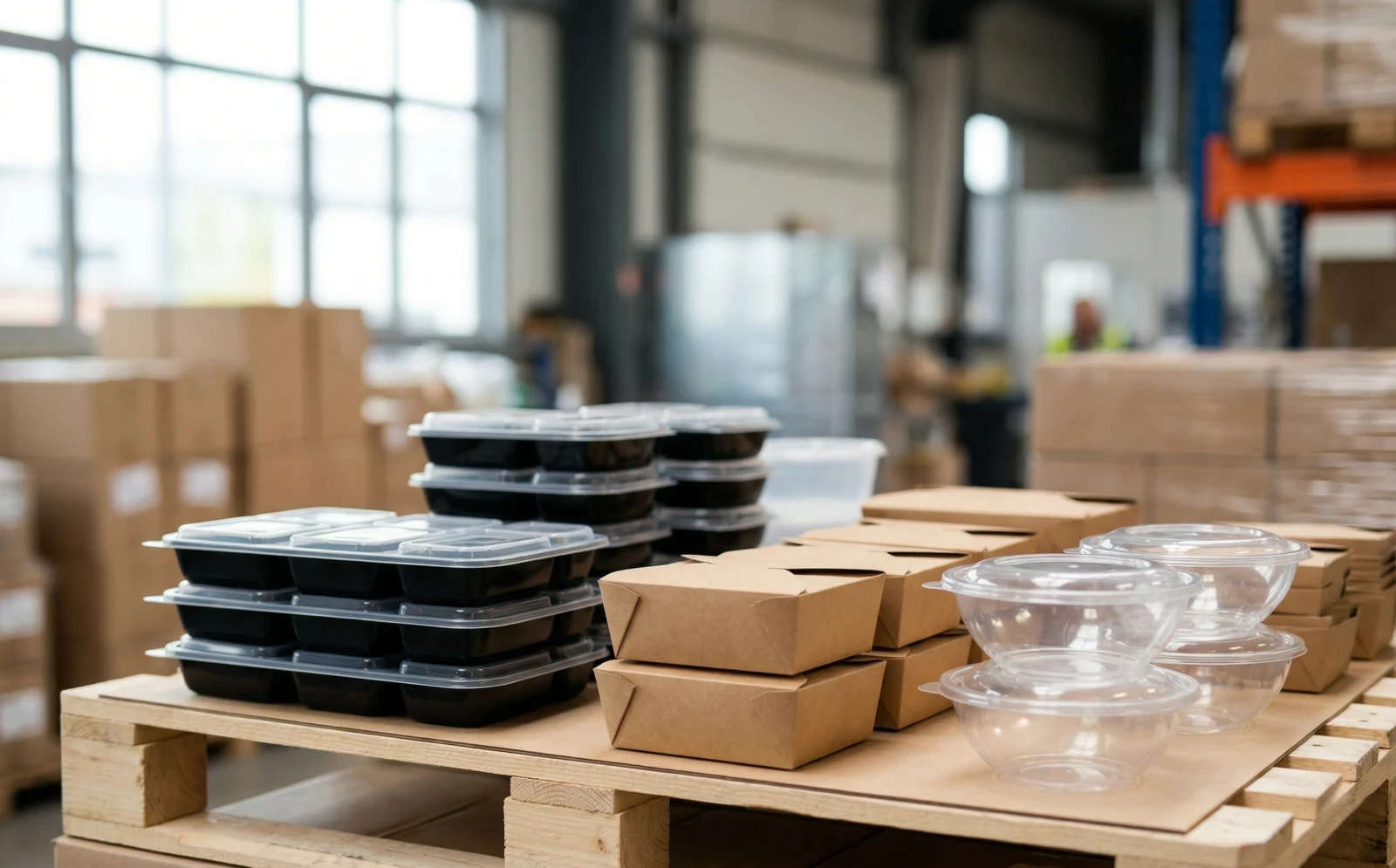
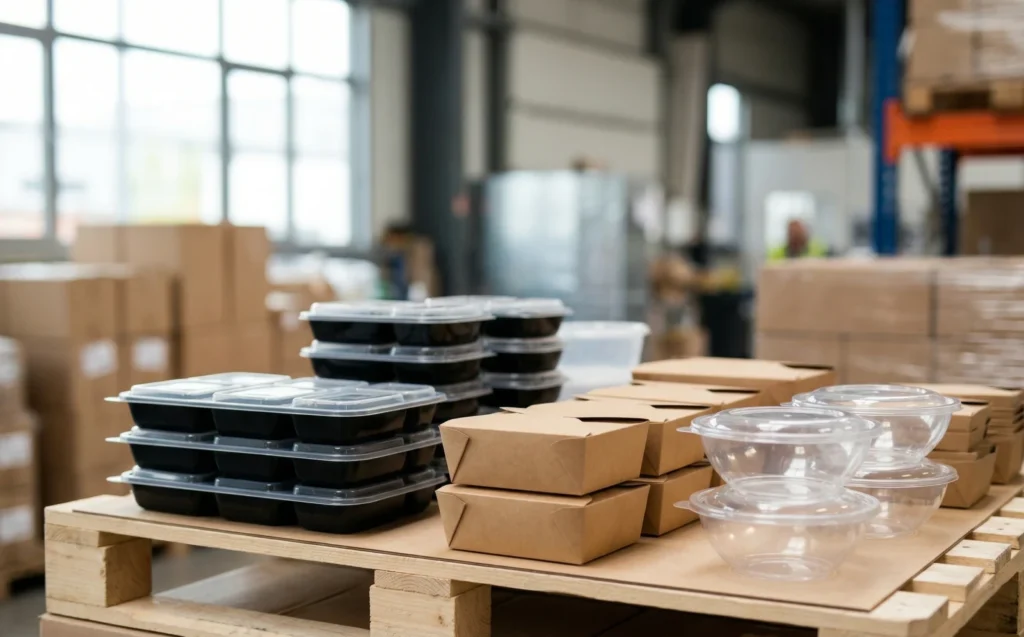
Types of food container bulk options include multi-compartment plastic trays, grease-resistant paper boxes, and crystal-clear PET bowls designed for high-volume storage and transit. These specialized packaging formats allow wholesale buyers to maintain diverse inventories that satisfy the requirements of restaurants, food processing plants, and regional distributors while benefiting from reduced unit pricing.
You might find that your current inventory lacks the variety needed to capture new market segments or satisfy large-scale food production contracts. When your supplier provides limited styles or inconsistent quality, your ability to serve high-demand clients in regions like Malaysia or the USA becomes compromised. This guide analyzes the specific categories of packaging available through a food container bulk procurement strategy to help you select the right mix for your business operations. By diversifying your stock, you provide the versatility your clients expect while stabilizing your own supply chain.
What are the primary categories of food container bulk products?
Primary categories of food container bulk products include plastic polymers like Polypropylene (PP) and Polyethylene Terephthalate (PET), as well as renewable fiber solutions such as Kraft paper and bagasse. These materials are formed into specific shapes—trays, boxes, and bowls—to accommodate various food temperatures, weights, and moisture levels.
Plastic Trays and Multi-Compartment Designs
Meal prep companies and catering services often require divided sections to prevent flavor mixing. Here is the deal.
- PP trays are safe for microwave use and resist high temperatures up to 120°C.
- Multi-compartment layouts allow for balanced portion control in prepared meal delivery.
- Snap-on lids provide a secure seal for transport, reducing the risk of leaks during distribution.
- Stackable profiles ensure that high volumes of product can be stored efficiently in limited warehouse space.
Paper-Based Boxes and Eco-Friendly Options
Grease-resistant coatings are necessary for fried foods and bakery items sold in high volumes. Think about this.
- Kraft paper boxes offer a natural look that appeals to eco-conscious consumer bases.
- Foldable designs reduce shipping volume before the containers are assembled for use.
- Interior linings prevent oil and moisture from weakening the structural integrity of the box.
- Custom printing options allow distributors to add branding to their wholesale orders.
| Category | Material | Temperature Resistance | Common Use Case |
| Plastic Trays | PP / PET | -20°C to 120°C | Meal Prep / Takeout |
| Paper Boxes | Kraft / Cardboard | Room Temp to 90°C | Bakery / Fried Food |
| Clear Bowls | PET / rPET | -10°C to 60°C | Salads / Cold Deli |
The data confirms that maintaining a mix of these three categories allows a distributor to serve nearly every sector of the food service industry.
Key Takeaway: Selecting a diverse range of materials and styles is mandatory for wholesale buyers looking to satisfy varied client demands across multiple temperature ranges.
Which tray designs are most effective for wholesale distribution?
Effective tray designs for wholesale distribution prioritize high nesting ratios and standard sizing to ensure they fit seamlessly into existing logistics networks. These trays are often made from Polypropylene (PP) because it remains durable during both freezing and heating cycles, making it a reliable choice for meal prep and industrial food plants.
Industrial Strength and Nesting Efficiency
Maximizing the number of units per shipping carton is a primary goal for high-volume buyers. You should know.
- Deep nesting ratios allow thousands of trays to occupy minimal space during ocean freight.
- Reinforced sidewalls prevent the bottom containers from collapsing when stacked in high piles.
- Standard 16 oz to 32 oz volumes match international food portion norms for consistent pricing.
- Clear lids allow for immediate product identification in retail or cold storage environments.
Versatility in Compartment Layouts
Providing different compartment counts helps you capture more niche markets. It gets better.
- Single compartment trays are ideal for large main courses or bulk food storage.
- Two-compartment designs separate proteins from starches for higher-end meal delivery.
- Three-compartment options are preferred by institutional catering services for complete meals.
- Specialized sauce cups can sometimes be integrated or nested within these tray designs.
| Tray Type | Piece Count per Carton | Volume Options | Material Grade |
| Single Compartment | 500 units | 16, 24, 32 oz | Food Grade PP |
| 2-Compartment | 300 units | 24, 32 oz | Food Grade PP |
| 3-Compartment | 150 units | 32 oz | Food Grade PP |
Technical precision in tray design ensures that your clients receive a product that performs consistently under pressure.
Key Takeaway: High nesting ratios and standardized volumes are the technical benchmarks that define high-quality bulk trays for international trade.
How do paper-based boxes satisfy modern food service requirements?
Paper-based boxes satisfy modern requirements by offering a biodegradable or recyclable alternative to plastic while maintaining the strength needed for heavy or greasy meals. These products are often sourced in bulk by wholesalers in Europe and North America where plastic regulations are becoming more stringent.
Performance in High-Moisture Environments
Grease-resistant liners are a critical feature for paper containers used in the fast-food sector. Here is the truth.
- PE or PLA coatings create a barrier that prevents the paper from becoming soggy when holding hot food.
- Breathable designs allow steam to escape, which keeps fried foods crisp during transit.
- FSC-certified paper ensures that the raw materials come from responsibly managed forests.
- Rigid construction allows for stable stacking in delivery bags and retail displays.
Visual Appeal and Brand Differentiation
Paper packaging provides a premium feel that many modern consumers prefer over traditional plastic. Why is this.
- Natural Kraft finishes communicate a sense of sustainability and health to the end-user.
- White paper surfaces provide a clean background for high-contrast custom logo printing.
- Unique shapes, such as hexagon or round-bottom boxes, help brands stand out on the shelf.
- Integrated handles or locking tabs eliminate the need for additional tape or stickers.
| Box Style | Material Type | Eco-Certification | Durability Rating |
| Hinged Lid Box | Kraft Paper | FSC / Compostable | High |
| Takeout Pail | PE-Lined Paper | Food Grade | Moderate |
| Bakery Box | Cardboard | Recyclable | Moderate |
Using paper boxes allows your clients to meet environmental goals without sacrificing the functional performance of their packaging.
Key Takeaway: Modern paper boxes combine structural durability with environmental compliance, making them a high-growth category for bulk buyers.
What makes round bowls a preferred choice for bulk retail orders?
Round bowls are preferred for bulk retail orders because their circular design provides superior clarity for viewing cold foods like salads and pastas. These containers, typically made from PET, are designed to be visually appealing on supermarket shelves while maintaining a leak-proof seal during consumer transport.
Clarity and Product Presentation
Visual transparency is the most requested feature for cold-chain food products. Let’s look at the facts.
- PET material offers glass-like clarity that allows the colors of fresh ingredients to shine.
- Anti-fog coatings prevent condensation from obscuring the view of the food in refrigerated cases.
- Uniform bowl depths allow for consistent portioning and pricing across a retail line.
- Recycled PET (rPET) options are available for buyers who need to meet circular economy targets.
Secure Sealing for Freshness
Keeping oxygen out and moisture in is the primary function of a high-quality bowl lid. Don’t forget this.
- Perimeter seals provide an audible “click” that confirms the container is closed securely.
- Tamper-evident designs are available for retail environments where safety is a concern.
- Flat lid surfaces allow for easy labeling and vertical stacking in cold displays.
- Dome lids provide extra space for toppings or high-volume salads.
| Bowl Size | Piece Count per Bag | Material Clarity | Leak Resistance |
| 16 oz | 50 units | Excellent | Very High |
| 24 oz | 50 units | Excellent | Very High |
| 32 oz | 50 units | Excellent | Very High |
The combination of clear presentation and a reliable seal makes bowls a staple for any wholesale packaging catalog.
Key Takeaway: Clear bowls are the standard for cold food presentation, offering the transparency and security required for retail success.
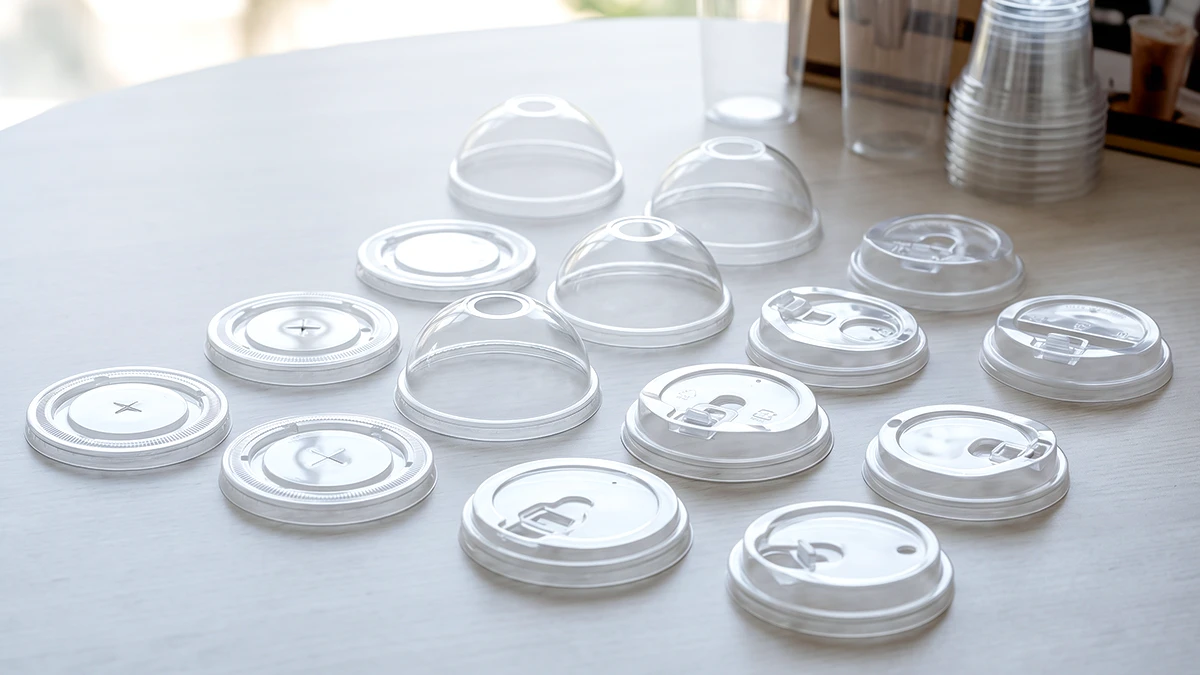
How do specialized lid designs impact the value of bulk orders?
Specialized lid designs impact the value of bulk orders by determining the final utility and safety of the container, directly affecting the end-user experience. A lid that leaks or fails to vent steam can lead to customer dissatisfaction and product returns, which are costly for large-scale distributors.
Technical Features of High-Performance Lids
The interaction between the container rim and the lid is the most technical part of the packaging. Think about this.
- Vented lids allow steam to escape from hot meals, preventing the lid from popping off during transport.
- Interchangeable lids reduce the number of individual SKU items a wholesaler needs to stock.
- Recessed lids allow for more stable stacking, which is necessary for high-volume delivery orders.
- High-clarity lids on opaque bases provide the benefits of both durability and visibility.
Security and Tamper Evidence
For industrial food plants, security features are a mandatory requirement. You should know.
- Tamper-evident tabs must be broken before the container can be opened, ensuring food safety.
- Tight-fitting lids prevent cross-contamination in shared transport environments.
- Easy-open tabs allow the end-user to access their food without needing tools or excessive force.
- Silicone seals are sometimes added to high-end reusable containers for 100% leak protection.
| Lid Feature | Primary Benefit | Target Market | Manufacturing Tech |
| Steam Vents | Prevents Sogginess | Hot Takeout | Precision Die-Cut |
| Tamper Tab | Safety Guarantee | Grocery / Retail | Specialized Mold |
| Flat Top | Stacking Stability | Delivery Services | Injection Molding |
Investing in high-quality lids is the most effective way to ensure that the rest of your bulk container inventory performs as intended.
Key Takeaway: Lids are the final safety barrier in food packaging, and their design features determine the functional success of a wholesale order.
What can we offer?
Reliancepak provides a stable supply of food-grade packaging with the speed and professional service your business requires. With 9 production lines and a focus on international certifications like FDA and EU 10/2011, we help you secure your food container bulk needs with confidence. Contact us today to discuss how our integrated manufacturing and trading services can support your wholesale goals.
We believe that reliable, safe, and sustainable packaging is the foundation of a successful global food supply chain.
FAQ
Can I order mixed items in a single bulk container?
Yes. Integrated suppliers often allow you to mix different types of products, such as plastic trays and paper bags, in one shipping container to help you manage your inventory more effectively.
Are there heat-resistant paper options for bulk orders?
Yes. Some paper containers are treated with specialized linings that allow them to hold hot food up to 90°C without leaking or losing their shape.
How do I know which size is best for my market?
Yes, you can determine this by reviewing standard portion sizes in your target region, such as 16 oz or 24 oz, which are common for side dishes and main courses.
Is it possible to get custom colors for plastic trays?
Yes. Factories can add specific pigments to the resin during production for high-volume orders, though this typically requires a higher minimum order quantity.
Are samples available for all container types?
Yes. Most professional manufacturers offer free samples of their trays, boxes, and bowls so you can verify the fit and material quality before placing a large order.