
TL;DR Selecting the right kraft paper for food packaging is critical for safety, preservation, and brand image. The primary types include unbleached (natural brown) for maximum sustainability and strength, bleached (white) for superior print quality, and specialized treated papers like greaseproof kraft paper for oily foods. All must meet stringent food-grade kraft paper safety standards.
Kraft paper is a highly versatile and sustainable material for food packaging, but not all types are created equal. The distinction lies in processing and treatment. Unbleached kraft paper offers the highest fiber strength and a rustic aesthetic, making it ideal for dry goods and outer packaging. Bleached kraft paper provides a clean, white canvas for vibrant branding. Crucially, any paper used for direct food contact must be certified as food-grade kraft paper, meaning it is free from harmful chemicals and often includes specialized barriers, such as greaseproof kraft paper or moisture-resistant coatings, to maintain food quality and packaging integrity.
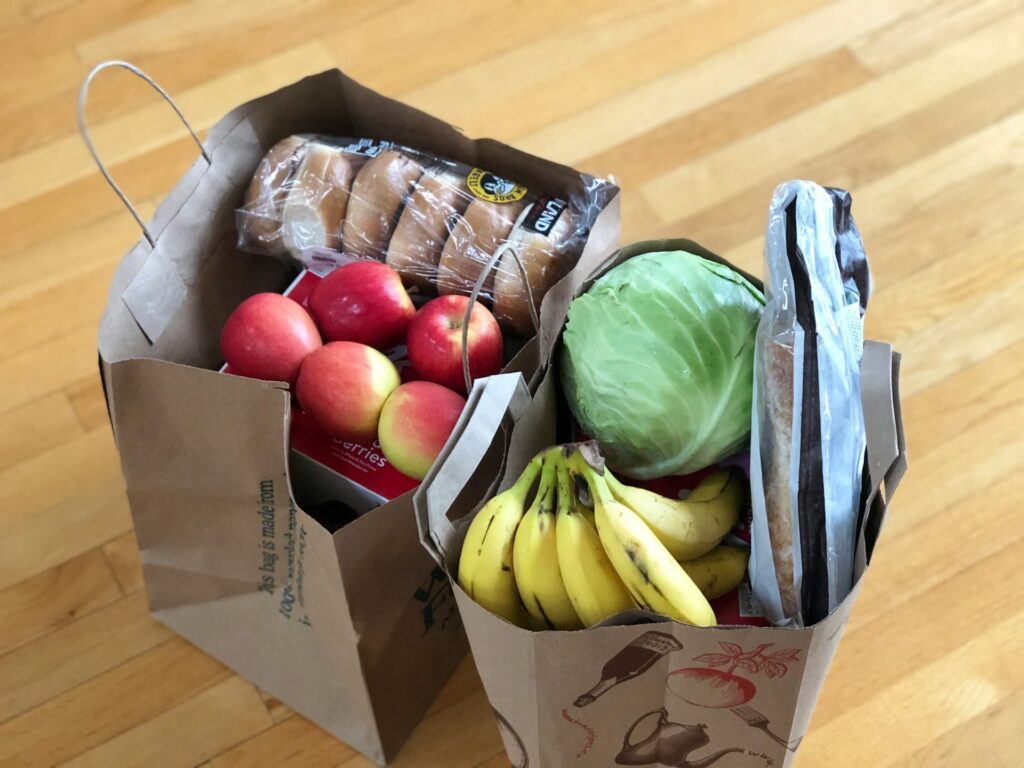
The shift towards sustainable food packaging materials has placed kraft paper at the forefront of the industry. Its natural origins and excellent recyclability make it a favorite for brands committed to the environment. However, when it comes to food, the choice of paper goes beyond aesthetics and sustainability; it is fundamentally about safety and functionality. Let’s explore the different types of kraft paper you will encounter in the food packaging supply chain.
1. The Core Distinction: Bleached vs. Unbleached Kraft
The first major classification of kraft paper for food packaging is based on whether the paper has been bleached. This process affects both the paper’s appearance and its final application.
1.1 Unbleached (Natural) Kraft Paper
This is the original, natural brown kraft paper. It is the most common and often the most sustainable option.
- Characteristics: It retains the natural color of the wood pulp, possesses the highest tensile and tear strength due to minimal processing, and is generally the most cost-effective.
- Ideal Applications: Perfect for outer packaging, carrier bags, sleeves for baked goods, and any application where a rustic, organic look is desired. It is often used for dry food items or items that are already wrapped.
1.2 Bleached (White) Kraft Paper
Bleached kraft paper undergoes a process to remove the natural color, resulting in a clean, white surface.
- Characteristics: Offers a smooth, bright surface that is superior for high-resolution, multi-color printing. While slightly less strong than its unbleached counterpart, it still maintains excellent durability.
- Ideal Applications: Premium food packaging, confectionery boxes, and applications where a clean, clinical look is required, such as pharmaceutical or high-end bakery packaging.
2. Specialized Treatments for Food Safety and Functionality
For direct food contact, especially with items containing moisture or oil, the paper requires specialized treatments to become truly food-grade kraft paper.
2.1 Greaseproof Kraft Paper
Oil and fat are the natural enemies of paper packaging, causing unsightly stains and compromising structural integrity. Greaseproof kraft paper is essential for foods like pastries, fried items, and buttery baked goods.
- How it Works: This paper is either supercalendered (highly pressed) to create a dense, naturally oil-resistant barrier, or treated with a specialized coating (often a food-safe chemical treatment or a thin polymer layer) to repel fats.
- Applications: Burger wraps, donut bags, liners for bakery boxes, and pizza box inserts.
2.2 Moisture-Resistant and Barrier-Coated Kraft
For foods with high water content or those that need protection from external humidity, a moisture barrier is necessary.
- Barrier Types: Common barriers include thin layers of Polyethylene (PE), which is recyclable but not compostable, or newer, sustainable food packaging materials like bio-based polymers (PLA) or water-based coatings, which can be compostable.
- Applications: Frozen food boxes, ice cream containers, and packaging for fresh produce where condensation is a concern.
3. Safety and Compliance: What is Food-Grade Kraft?
The term food-grade kraft paper is a certification, not a type of paper. It signifies that the material is safe for direct or indirect contact with food, meaning it will not transfer harmful substances to the contents.
Key Compliance Standards
- FDA Compliance (USA): The paper must meet the standards set by the U.S. Food and Drug Administration for food contact materials.
- EU Regulations: Compliance with European Union regulations (e.g., Regulation (EC) No 1935/2004) is essential for the European market.
As a B2B buyer, always demand proof of these certifications from your supplier. This is a non-negotiable step in the procurement process.
Choosing the correct type of kraft paper—from unbleached to specialized greaseproof varieties—is a complex decision that balances cost, aesthetics, and critical functional requirements. For a deeper dive into the manufacturing processes and the full spectrum of materials available, we recommend consulting our comprehensive guide. [Your Guide to Kraft Box Procurement & Applications].
Conclusion
The world of kraft paper for food packaging offers a rich array of options, each designed to meet specific needs for strength, presentation, and safety. By understanding the differences between unbleached, bleached, and specially treated papers like greaseproof kraft paper, you can ensure your packaging is not only sustainable but also perfectly suited to preserve and present your food products.
Frequently Asked Questions (FAQ)
Q1: Is recycled kraft paper safe for food packaging?
A: Recycled kraft paper can be used for food packaging, but typically only for indirect contact (e.g., as an outer box). For direct contact, virgin food-grade kraft paper is usually preferred to eliminate the risk of contaminants from the recycled source material.
Q2: What is the most sustainable type of kraft paper?
A: Unbleached kraft paper made from sustainably managed forests (FSC certified) is generally considered the most sustainable, as it requires less chemical processing than bleached paper.
Q3: Does greaseproof paper need a plastic coating?
A: Not necessarily. Some greaseproof papers achieve their resistance through mechanical processing (supercalendering) without any coating. Others use a thin, food-safe polymer or a water-based coating.
Q4: How does the weight (GSM) of kraft paper affect its use in food packaging?
A: Higher GSM (Grams per Square Meter) means thicker, stronger paper. Lighter GSM is used for wraps and liners, while heavier GSM is used for structural components like boxes and trays.