
In today’s rapidly evolving food industry, businesses are increasingly seeking sustainable and environmentally friendly solutions. Among the many innovations, bagasse plates have emerged as a leading choice for disposable tableware. These plates offer a compelling alternative to traditional plastic or foam products, aligning with both consumer demand for eco-conscious options and regulatory pressures for greener practices.
What Exactly Are Bagasse Plates?
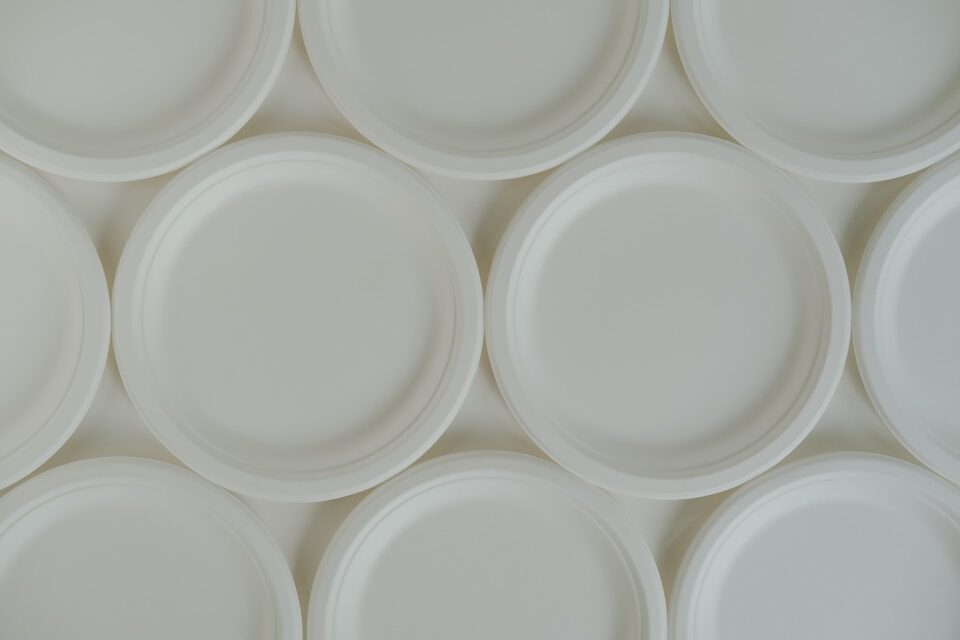
Bagasse plates are a type of disposable tableware made from sugarcane bagasse, which is the fibrous residue left after sugarcane stalks are crushed to extract their juice. Historically, this byproduct was often discarded or burned, contributing to air pollution. However, advancements in manufacturing have transformed this waste material into a valuable resource for creating sturdy, biodegradable, and compostable plates.
This innovative use of agricultural waste not only reduces landfill burden but also provides a renewable resource for food packaging. The process involves pulping the bagasse fibers, molding them into desired shapes, and then drying them. The result is a durable and versatile plate suitable for various food service applications.
The Environmental Edge: Why Bagasse Matters
The environmental benefits of bagasse plates are significant, making them a preferred choice for businesses committed to sustainability. Unlike plastic, which can take hundreds of years to decompose, bagasse plates are designed to break down naturally. This biodegradability and compostability greatly reduce their ecological footprint.
Choosing bagasse plates helps businesses minimize their contribution to plastic pollution and supports a circular economy. They return to the earth as nutrient-rich compost, completing a natural cycle. This commitment to eco-friendly practices can also enhance a brand’s reputation and appeal to environmentally conscious consumers.
Biodegradability and Compostability
Bagasse plates are 100% biodegradable and compostable, typically breaking down within 90 days in a commercial composting facility. This rapid decomposition contrasts sharply with conventional plastics, which persist in the environment for centuries. For food businesses, this means contributing to a healthier planet and reducing waste management costs.
Their ability to turn into compost enriches soil, supporting new plant growth. This closed-loop system is a key advantage for businesses aiming for true sustainability. It offers a tangible way to demonstrate environmental responsibility to customers and stakeholders.
Reduction of Waste and Carbon Footprint
By utilizing sugarcane waste, bagasse plates reduce the need for virgin materials and divert agricultural byproducts from landfills. This process significantly lowers overall waste generation. Furthermore, their production often requires less energy and emits fewer greenhouse gases compared to plastic alternatives.
This reduction in carbon footprint is crucial for businesses looking to meet sustainability targets. It also resonates with consumers who are increasingly aware of the environmental impact of their choices. Embracing bagasse plates is a clear step towards a more sustainable operation.
Performance and Practical Benefits for Food Businesses
Beyond their environmental advantages, bagasse plates offer practical benefits that make them ideal for the demanding environment of food service. They are designed for durability and functionality, ensuring a positive dining experience for customers and operational efficiency for businesses.
These plates are surprisingly robust, capable of holding various types of food without wilting or leaking. Their natural resistance to grease and moisture makes them reliable for both hot and cold dishes. This versatility simplifies inventory management and ensures consistent performance.
Durability and Strength
Despite being made from plant fibers, bagasse plates are remarkably strong and rigid. They can withstand hot, cold, wet, and oily foods without becoming soggy or collapsing. This makes them suitable for a wide range of culinary applications, from casual takeaways to catered events.
Their robust construction ensures that food remains securely on the plate, preventing spills and enhancing customer satisfaction. This reliability is a significant advantage over flimsier disposable options. Businesses can trust bagasse plates to perform under pressure.
Microwave and Freezer Safe
One of the key practical advantages of bagasse plates is their ability to safely handle extreme temperatures. They are microwave-safe, allowing for convenient reheating of food directly on the plate. They are also freezer-safe, making them suitable for meal prep and storage.
This thermal resistance provides flexibility for food businesses in preparing and serving meals. It eliminates the need for transferring food to different containers for heating or freezing. This feature adds significant value for both commercial kitchens and end-users.
Non-Toxic and Food-Safe
Bagasse plates are free from harmful chemicals, plastics, and toxins often found in conventional disposable tableware. They are made from natural, unbleached fibers, ensuring that no undesirable substances leach into food. This makes them a safe choice for serving all types of cuisine.
For food businesses, ensuring food safety is paramount. Bagasse plates provide peace of mind, meeting stringent food-grade certifications. This commitment to health and safety further enhances customer trust and brand reputation.
Bagasse Plates vs. Traditional Disposable Tableware
When comparing bagasse plates to traditional disposable options like plastic, foam, or even paper plates, the advantages become even clearer. Bagasse offers a superior combination of environmental responsibility, performance, and aesthetic appeal.
| Feature | Bagasse Plates | Plastic/Foam Plates | Paper Plates |
|---|---|---|---|
| Material | Sugarcane fiber (renewable) | Petroleum-based (non-renewable) | Wood pulp (renewable, but often from virgin trees) |
| Compostability | 100% compostable (90 days) | Non-compostable (hundreds of years to degrade) | Often not compostable (due to coatings) |
| Durability | High (strong, grease/water resistant) | Moderate to High (can be brittle, melts with heat) | Low (soggy with wet/oily foods) |
| Microwave Safe | Yes | No (can melt, leach chemicals) | Sometimes (can get soggy, limited heat resistance) |
| Freezer Safe | Yes | Yes | Sometimes (can get soggy) |
| Toxicity | Non-toxic, PFAS-free | Can contain harmful chemicals (e.g., PFAS, BPA) | Can contain PFAS coatings |
| Environmental Impact | Low (waste reduction, carbon footprint) | High (pollution, landfill burden) | Moderate (deforestation, energy intensive) |
This comparison highlights why bagasse plates are rapidly becoming the preferred choice for forward-thinking food businesses. They offer a sustainable solution without compromising on quality or functionality.
Who Can Benefit from Bagasse Plates?
Bagasse plates are suitable for a wide array of food businesses, from small cafes to large catering operations. Their versatility and eco-friendly profile make them an excellent investment for any entity looking to enhance its sustainability efforts and appeal to a broader customer base.
- Restaurants and Cafes: Ideal for dine-in, takeout, and delivery services, offering a premium, eco-friendly experience.
- Catering Companies: Perfect for events of all sizes, providing durable and presentable disposable options.
- Food Trucks and Stalls: Their sturdiness and convenience are invaluable in fast-paced, outdoor settings.
- Schools and Universities: A safe and sustainable choice for cafeterias and campus events.
- Hospitals and Healthcare Facilities: Hygienic and disposable, reducing cross-contamination risks.
- Grocery Stores and Delis: Excellent for prepared foods sections and grab-and-go meals.
Reliancepak, a leading supplier of environmentally friendly food packaging solutions, understands the diverse needs of these businesses. We offer a wide range of high-quality bagasse plates designed to meet the rigorous demands of the food service industry, ensuring fast delivery and professional customization.
Making the Switch to Bagasse: What to Consider
Transitioning to bagasse plates is a strategic decision that can yield significant benefits. When making the switch, consider factors such as product certifications, available sizes and shapes, and your supplier’s reliability. Look for certifications like FDA and EU food-grade to ensure compliance and safety.
Partnering with a reputable supplier like Reliancepak ensures access to quality products and consistent supply. We provide free samples and expert guidance to help you choose the best bagasse solutions for your specific business needs. Our goal is to make your transition to sustainable packaging seamless and beneficial.
Conclusion
Bagasse plates represent a pivotal shift towards more sustainable practices in the food industry. Their environmental benefits, coupled with their practical performance advantages, make them an indispensable choice for modern food businesses. By embracing bagasse, companies can reduce their ecological footprint, enhance their brand image, and meet the growing demand for eco-conscious products.
Reliancepak is committed to supporting businesses in their journey towards sustainability. Our range of bagasse plates offers the perfect blend of quality, functionality, and environmental responsibility, helping you serve your customers better while protecting our planet.
Frequently Asked Questions (FAQ)
Q1: Are bagasse plates truly compostable?
A1: Yes, bagasse plates are 100% compostable and will break down into organic matter within 90 days in a commercial composting facility.
Q2: Can I use bagasse plates for hot and cold food?
A2: Absolutely. Bagasse plates are designed to be highly resistant to both hot and cold temperatures, making them suitable for a wide variety of dishes.
Q3: Are bagasse plates safe for microwave use?
A3: Yes, bagasse plates are microwave-safe, allowing for convenient reheating without compromising their integrity or safety.
Q4: Do bagasse plates contain any plastic?
A4: No, bagasse plates are made entirely from natural sugarcane fiber and are completely plastic-free.
Q5: How do bagasse plates benefit my business?
A5: They enhance your brand’s eco-friendly image, reduce waste, offer durable and safe food service, and appeal to environmentally conscious customers.