
In an era where environmental consciousness is no longer a niche concern but a global imperative, businesses across all sectors are re-evaluating their practices to embrace sustainability. For the food service industry, this shift is particularly pronounced in the realm of packaging. Traditional disposable lunch box containers, often made from non-biodegradable plastics, contribute significantly to landfill waste and pollution. Consequently, biodegradable disposable lunch box containers have emerged as a compelling and responsible alternative, offering a greener choice that aligns with both ecological values and evolving consumer demands. This guide explores the benefits, types, and considerations of adopting biodegradable packaging, helping your business make a positive environmental impact while enhancing its brand image.
The Growing Demand for Sustainable Packaging
Consumers are increasingly prioritizing sustainability, and businesses that demonstrate a commitment to environmental responsibility stand to gain a significant competitive advantage. Embracing biodegradable disposable lunch box containers is a clear signal of this commitment, resonating with eco-conscious customers and contributing to a healthier planet.
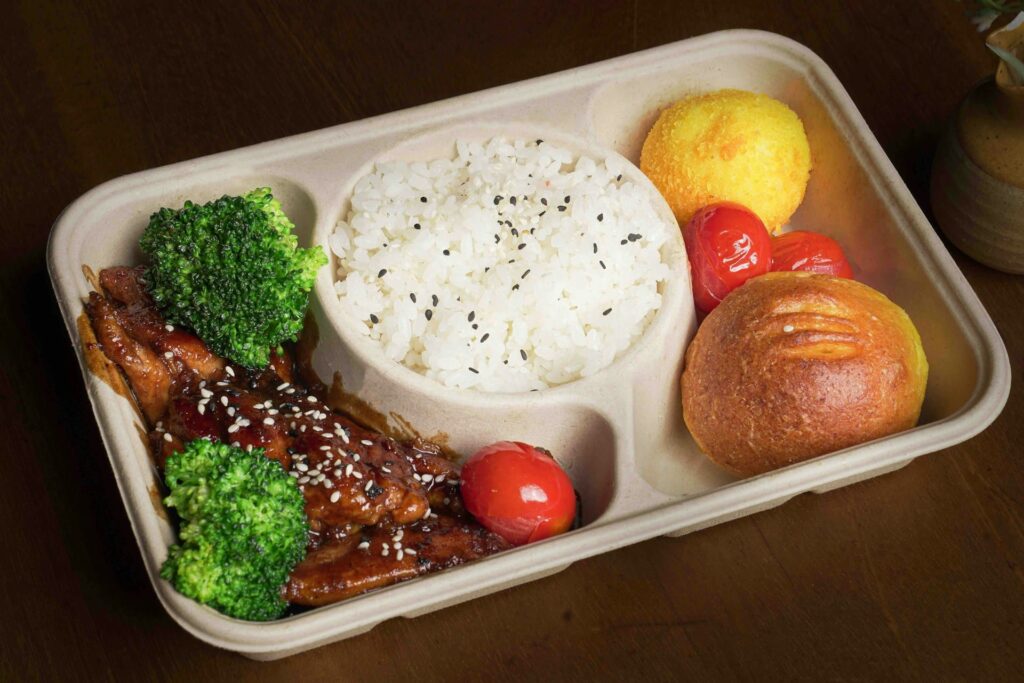
What Makes a Disposable Lunch Box Container Biodegradable?
Biodegradable materials are those that can decompose naturally through the action of microorganisms, returning to the environment without leaving harmful residues. This is a stark contrast to conventional plastics, which can persist in landfills for hundreds of years.
Types of Biodegradable Disposable Lunch Box Containers
Several innovative materials are now being used to create truly biodegradable and compostable disposable lunch box containers. Understanding these options is key to making an informed choice for your business.
1. Bagasse (Sugarcane Fiber)
Bagasse is perhaps the most popular and widely adopted material for biodegradable disposable lunch box containers. It is a byproduct of sugarcane processing, making it an incredibly sustainable and renewable resource.
- Advantages: 100% compostable and biodegradable, microwave and freezer safe, grease and water resistant, sturdy, and excellent for both hot and cold foods.
- Disadvantages: Can be slightly more expensive than traditional plastic, though prices are becoming more competitive.
2. PLA (Polylactic Acid)
PLA is a bioplastic derived from renewable resources like corn starch or sugarcane. It is a compostable alternative to traditional petroleum-based plastics, often used for clear containers and cold applications.
- Advantages: Transparent, similar look and feel to traditional plastic, compostable in commercial composting facilities.
- Disadvantages: Requires industrial composting facilities to break down effectively, not suitable for high heat applications.
3. Recycled Paperboard with Biodegradable Linings
While paperboard itself is often recyclable, for food contact, it typically requires a lining to prevent leaks and grease penetration. Biodegradable linings, often made from PLA or other plant-based materials, make these paperboard containers a greener option.
- Advantages: Made from renewable and recycled content, customizable for branding, can be composted if the lining is also compostable.
- Disadvantages: May not be as durable as bagasse for very wet or oily foods, requires specific composting conditions for the lining.
4. Palm Leaf
Palm leaf containers are made from fallen Areca palm leaves, which are collected, cleaned, and pressed into various shapes. They are naturally biodegradable and compostable.
- Advantages: Naturally beautiful and unique appearance, very sturdy, microwave and oven safe, 100% biodegradable and compostable.
- Disadvantages: Can be more expensive, availability might be limited compared to other options.
Benefits of Choosing Biodegradable Disposable Lunch Box Containers
Adopting biodegradable packaging offers a multitude of advantages for your business, extending beyond just environmental responsibility.
1. Enhanced Brand Image and Customer Loyalty
Consumers are increasingly environmentally conscious. By choosing biodegradable options, you demonstrate your commitment to sustainability, which can significantly enhance your brand reputation and attract a growing segment of eco-friendly customers.
2. Reduced Environmental Footprint
Biodegradable containers break down naturally, reducing the amount of waste sent to landfills and mitigating plastic pollution in oceans and ecosystems. This directly contributes to a healthier planet.
3. Compliance with Evolving Regulations
Many regions are implementing bans or restrictions on single-use plastics. By proactively switching to biodegradable alternatives, your business stays ahead of regulatory changes and avoids potential penalties.
4. Versatility and Performance
Modern biodegradable materials offer excellent performance characteristics, including heat resistance, leak resistance, and durability, making them suitable for a wide range of food applications.
5. Marketing and Sales Opportunities
Highlighting your use of biodegradable packaging can be a powerful marketing tool, differentiating your business from competitors and appealing to a broader customer base.
Key Considerations When Transitioning to Biodegradable Options
While the benefits are clear, a smooth transition to biodegradable disposable lunch box containers requires careful planning.
1. Cost Analysis
Biodegradable options may have a higher upfront cost. However, consider the long-term benefits, including potential marketing advantages and avoidance of future plastic taxes or bans.
2. Composting Infrastructure
For materials like PLA, industrial composting facilities are necessary for proper decomposition. Assess the availability of such facilities in your area or consider materials like bagasse that can often be home composted.
3. Storage and Shelf Life
Understand the storage requirements and shelf life of biodegradable containers, as some may be more sensitive to moisture or temperature extremes than traditional plastics.
4. Consumer Education
Educate your customers on how to properly dispose of biodegradable containers (e.g., composting vs. recycling) to ensure they achieve their intended environmental benefits.
Material Comparison Table: Biodegradable Options
| Material | Source | Key Features | Compostability | Typical Use | Cost (Relative) |
|---|---|---|---|---|---|
| Bagasse | Sugarcane Pulp | Sturdy, grease/water resistant, microwave/freezer safe | 100% Compostable (industrial & home) | Hot & Cold Meals, Takeout | Medium-High |
| PLA | Corn Starch, Sugarcane | Transparent, looks like plastic | Industrial Compostable Only | Cold Drinks, Deli Containers | Medium |
| Paperboard (with Bio-Lining) | Recycled Paper, Plant-based lining | Customizable, good for branding | Compostable (if lining is bio-based) | Dry Goods, Some Hot Foods | Low-Medium |
| Palm Leaf | Areca Palm Leaves | Natural aesthetic, very sturdy, oven safe | 100% Compostable (industrial & home) | Upscale Dining, Special Events | High |
Reliancepak: Your Partner in Sustainable Packaging Solutions
Reliancepak is at the forefront of providing high-quality, environmentally friendly disposable lunch box containers. As a leading manufacturer and trading company with nine production lines, we are committed to offering sustainable packaging solutions that meet the evolving needs of businesses worldwide. Our extensive product portfolio includes a wide range of biodegradable options, ensuring you can find the perfect fit for your specific requirements.
At Reliancepak, we understand the importance of both quality and sustainability. We offer:
- Diverse Eco-Friendly Product Range: From robust bagasse containers to innovative paperboard solutions with biodegradable linings, we provide a variety of choices to help you reduce your environmental footprint.
- Certified Food-Grade Materials: All our biodegradable disposable lunch box containers adhere to stringent international food safety standards, including EU and FDA certifications, ensuring peace of mind for your business and your customers.
- Professional Customization: Enhance your brand with our professional customization services, allowing you to feature your logo and unique designs on your sustainable packaging.
- Reliable Supply Chain and Fast Delivery: Our efficient production and global export network ensure timely delivery to countries like Malaysia, Peru, Austria, Spain, France, Netherlands, Saudi Arabia, the United States, South America, and Tanzania.
- Competitive Pricing and Free Samples: We offer competitive pricing for bulk orders and provide free samples, allowing you to evaluate our products firsthand and make a confident decision.
By partnering with Reliancepak, you not only gain access to superior biodegradable disposable lunch box containers but also align your business with a supplier dedicated to fostering a greener future. Make the responsible choice for your business and the planet with Reliancepak.
Conclusion
Embracing biodegradable disposable lunch box containers is a strategic and responsible decision for any food service business. It not only aligns with global sustainability efforts but also enhances your brand image, meets evolving consumer demands, and ensures compliance with future regulations. By carefully selecting the right biodegradable materials and partnering with a trusted supplier like Reliancepak, you can make a significant positive impact on the environment while simultaneously strengthening your business. Make the greener choice today and contribute to a more sustainable future, one lunch box at a time.
FAQs
Q1: Are biodegradable and compostable the same thing?
All compostable materials are biodegradable, but not all biodegradable materials are compostable.
Q2: How long do biodegradable disposable lunch box containers take to decompose?
Decomposition time varies by material and composting conditions; industrial composting is often required.
Q3: Can I put biodegradable containers in my regular recycling bin?
No, they can contaminate recycling streams and require specific composting facilities.
Q4: Are biodegradable containers suitable for all types of food?
Most are versatile, but some bioplastics like PLA are better for cold applications.
Q5: How can I educate my customers about proper disposal of biodegradable packaging?
Provide clear instructions on packaging, signage, or your website.