
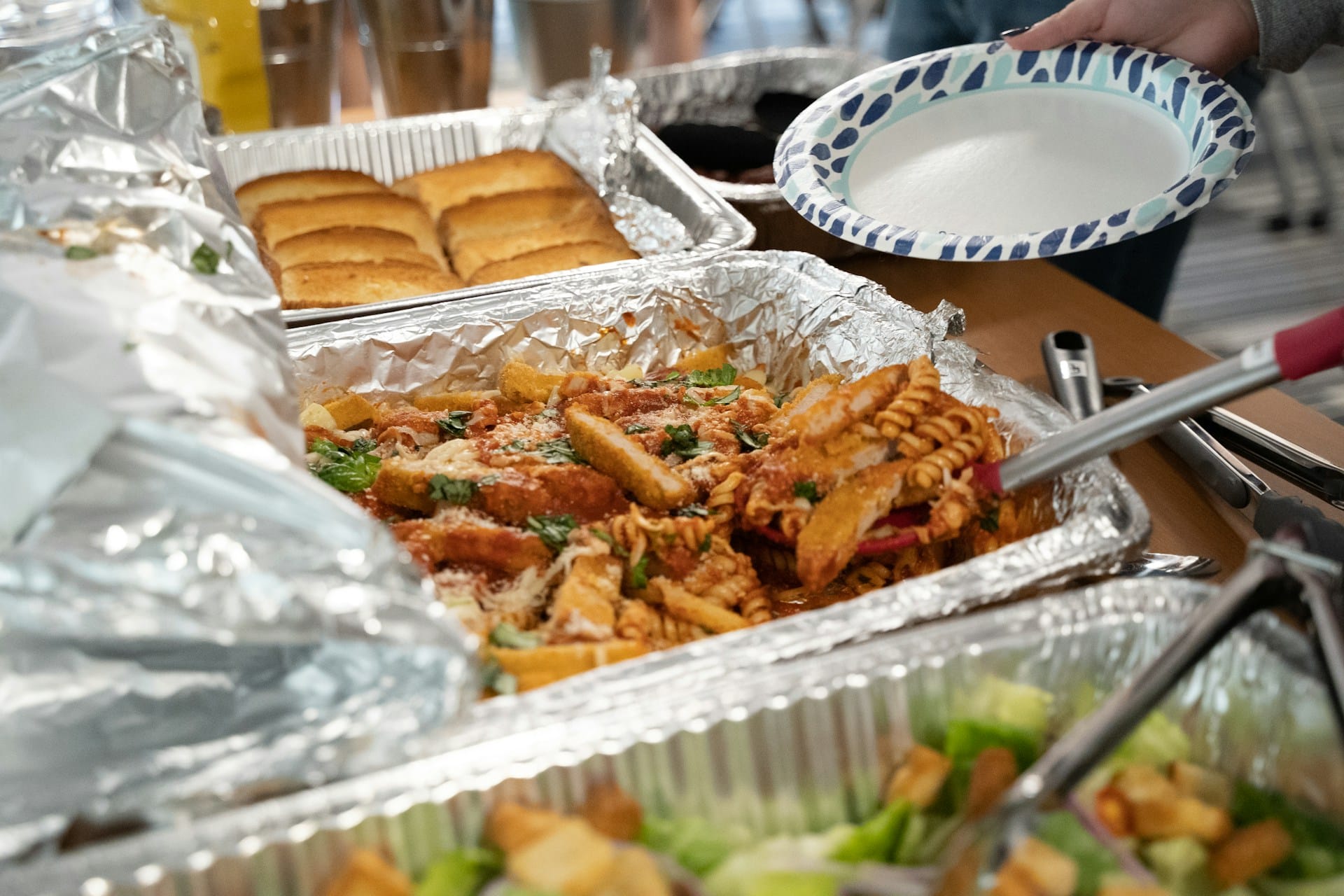
As a procurement manager in the fast-paced catering or supermarket sector, you constantly balance quality, cost, and efficiency. The aluminum foil container is a familiar item, long favored for its convenience and heat retention. However, with a growing global focus on sustainability, it’s time to explore greener alternatives. This isn’t just about environmental responsibility; it’s about future-proofing your operations and enhancing your brand. Let’s explore viable eco-friendly options that can replace the traditional aluminum foil container.
The Shiny Truth: Why We’re Rethinking Aluminum Foil Containers
The aluminum foil container has been a kitchen workhorse. But why the shift?
- Traditional Benefits:
- Freezer-to-oven convenience.
- Lightweight and easy to handle.
- Good at keeping food warm.
- Pressing Environmental Concerns:
- Energy-Intensive Production: Aluminum manufacturing, starting from bauxite ore mining, consumes significant energy and can lead to habitat destruction and carbon emissions.
- Recycling Complexities: While aluminum is highly recyclable, aluminum foil containers often face low recycling rates. Food contamination (e.g., grease, cheese) is a major culprit, rendering them unrecyclable.
- Growing Demand for Green Solutions: Businesses and consumers are increasingly seeking sustainable packaging. As a procurement professional, understanding these shifts is vital, especially when managing bulk disposable food containers.

Beyond the Foil: Compelling Reasons to Explore Alternatives
Moving beyond the aluminum foil container is a strategic move with multiple advantages. Here’s why exploring greener options is smart for your business and the planet:
1. Reducing Your Carbon Footprint, One Container at a Time
Every packaging choice has an environmental impact. The lifecycle of an aluminum foil container contributes to greenhouse gas emissions. Consider these points:
- Lower Impact Alternatives: Opting for materials like plant-based plastics or recycled content significantly reduces your carbon footprint.
- CSR Alignment: This switch supports Corporate Social Responsibility (CSR) goals, demonstrating a commitment to environmental stewardship.
- Cumulative Effect: For businesses using large volumes of containers, this change can have a substantial positive environmental impact.
2. Meeting Growing Consumer Demand for Eco-Consciousness
Consumers are more environmentally aware than ever. Sustainable packaging is a key factor in their purchasing decisions.
- Consumer Preference: Studies show a strong preference for brands using eco-friendly packaging.
- Brand Enhancement: Using sustainable alternatives to the aluminum foil container can boost your brand image and loyalty.
- Market Differentiation: It signals that your business cares, attracting customers who share these values.
3. Navigating Regulations and Future-Proofing Your Operations
The regulatory landscape for single-use packaging is tightening.
- Stricter Rules: Governments are implementing bans and levies on less sustainable packaging.
- Proactive Adoption: Transitioning to eco-friendly alternatives now helps avoid future compliance issues and costs.
- Market Opportunities: Sustainable practices can open doors to clients and regions with high environmental standards.
4. Potential for Cost Savings in the Long Run?
While some eco-options may seem pricier upfront, consider the total cost of ownership:
- Reduced Waste Fees: Compostable or more recyclable packaging can lower landfill taxes and disposal costs.
- Lighter Materials: Some alternatives are lighter, potentially cutting shipping costs for bulk orders.
- Supplier Support: Businesses like Reliancepak are working to make eco-friendly bulk disposable food containers more cost-effective.
- Brand Value: Enhanced reputation and customer loyalty can translate to increased sales, offsetting initial investments.
The Green Lineup: Top Eco-Friendly Alternatives to Aluminum Foil Containers
Many innovative materials offer sustainable alternatives to the aluminum foil container. Here are some leading contenders:
1. Plant-Based Plastics (PLA Containers)1
- What is it? Polylactic Acid (PLA) is derived from renewable resources like cornstarch or sugarcane.
- Pros:
- Lower carbon footprint in production.
- Biodegradable and compostable (under industrial conditions).
- Often clear, offering good product visibility.
- Cons:
- Not typically oven-safe.
- Requires industrial composting facilities, which may not be widely available.
- Best Uses: Cold foods, salads, desserts. Reliancepak can provide guidance on PLA’s properties.
2. Bagasse / Sugarcane Containers
- What is it? Made from the fibrous residue of sugarcane processing – an agricultural byproduct.
- Pros:
- Biodegradable and compostable (often even in home composting).
- Sturdy, microwave-safe, and can tolerate moderate oven temperatures.
- Natural, eco-conscious aesthetic.
- Cons:
- May absorb moisture from very wet foods over extended periods.
- Best Uses: Hot and cold meals, takeaway, catering trays. Reliancepak offers bagasse options.
3. Recycled PET (rPET) Containers2
- What is it? Made from recycled PET plastic (e.g., used water bottles).
- Pros:
- Reduces plastic waste and has a lower carbon footprint than virgin PET.
- Often clear, excellent for product visibility.
- Can often be recycled again (if clean and facilities exist).
- Cons:
- Not all rPET is oven-safe.
- Quality and food-grade compliance can vary; source from reputable suppliers.
- Best Uses: Cold foods, salads, fruit containers.
4. Paper and Cardboard Containers (with eco-friendly linings)
- What is it? Sustainably sourced paper/cardboard, often with PLA or other compostable linings for moisture resistance.
- Pros:
- Widely recyclable (if lining is compatible and container is clean).
- Biodegradable (if unlined or with compostable lining).
- Excellent for branding/printing.
- Cons:
- May not offer the same rigidity or heat retention as aluminum.
- Lining is crucial for performance and eco-friendliness.
- Best Uses: Takeaway boxes, bakery items, dry goods. Reliancepak, with its paper box range, understands these details.
5. Glass Containers (for specific B2B reusable models)
- What is it? While not disposable, worth noting for businesses exploring reusable systems.
- Pros:
- Infinitely recyclable, inert, premium feel.
- Excellent for heat.
- Cons:
- Heavier, breakable, higher upfront cost.
- Requires a robust return and sanitation system.
- Best Uses: Specialized catering, meal prep services with return logistics.
Feature Face-Off: Comparing Eco-Friendly Food Container Alternatives
Choosing the right alternative to the aluminum foil container can be complex. This table offers a quick comparison. Remember, testing samples with your specific products is always recommended. Reliancepak can provide samples for their bulk disposable food containers.
| Feature | PLA Containers | Bagasse Containers | rPET Containers | Paper/Cardboard (Eco-Lined) | Aluminum Foil (Baseline) |
|---|---|---|---|---|---|
| Material Source | Plant-based (corn, sugarcane) | Sugarcane fiber (byproduct) | Recycled PET plastic | Sustainably sourced paper | Bauxite ore |
| Biodegradable? | Yes (industrial composting) | Yes (industrial/home composting) | No | Yes (if unlined/eco-lined) | No |
| Compostable? | Yes (industrial) | Yes (industrial/home) | No | Yes (if unlined/eco-lined) | No |
| Recyclable? | Limited (check local facilities) | Limited (check local facilities) | Yes (widely, if clean) | Yes (widely, if clean & lining compatible) | Yes (widely, if clean) |
| Microwave Safe? | Yes (some types) | Yes | Yes (some types) | Yes (some types) | No (generally) |
| Oven Safe? | No | Yes (to certain temperatures) | No | Limited (check specs) | Yes |
| Heat Retention | Moderate | Good | Moderate | Moderate | Excellent |
| Suitability for Hot Food | Limited to Moderate | Excellent | Limited to Moderate | Good (with proper lining) | Excellent |
| Suitability for Wet Food | Good (short term) | Good | Excellent | Moderate (depends on lining) | Excellent |
| Durability | Moderate | Good | Good | Moderate | Good |
| Carbon Footprint (Production) | Lower than PET/Aluminum | Very Low | Lower than virgin PET | Low | High |
| The above data is for reference only. |
Making the Smart Switch: Key Considerations for Procurement Managers
Transitioning from the aluminum foil container requires careful planning. Here’s what to consider:
1. Understanding Your Specific Needs
Not all alternatives fit every purpose. Assess these factors:
- Food Type: Hot, cold, wet, oily, acidic?
- Storage & Duration: Freezer, refrigerator, ambient? How long?
- Transportation: Stackability, durability needs?
- End-User Experience: Ease of opening, re-closability, presentation?
2. Evaluating Supplier Credentials and Product Certifications
Choose reliable suppliers for your alternatives to the aluminum foil container.
- Look for Certifications: BPI (compostability), FSC (paper), etc.
- Demand Transparency: Inquire about material sourcing and manufacturing.
- Partner with Experts: Reliancepak provides documentation and support for their disposable food containers, including eco-friendly lines.
3. Assessing Local Waste Management Infrastructure
A crucial point: a container is only as
“compostable” or “recyclable” as its label suggests if local facilities can process it.
- Check Local Capabilities: Research if industrial composting or specific recycling streams are available to your business and customers.
- Avoid Greenwashing: Ensure your chosen aluminum foil container alternative doesn’t just end up in a landfill due to lack of infrastructure.
4. Cost Analysis: Beyond the Price Tag
Evaluate the total cost of ownership (TCO) for alternatives to the aluminum foil container.
- Initial Price vs. Long-Term Value: Some eco-options might have higher unit costs but offer savings elsewhere.
- Potential Savings:
- Lighter materials can reduce shipping costs for bulk disposable food containers.
- Lower waste disposal fees with compostable/recyclable items.
- Brand Benefits: Enhanced reputation and customer loyalty can drive sales. Reliancepak can offer competitive pricing for bulk eco-friendly ranges.

Partnering for a Greener Future: How Reliancepak Supports Your Sustainable Packaging Journey
Transitioning from the traditional aluminum foil container is easier with a knowledgeable supplier. Reliancepak, a China-based B2B wholesale specialist, is committed to helping catering and supermarket procurement managers on this journey.
- Our Commitment: We partner with clients, offering our expertise in sustainable packaging.
- Diverse Range: We provide a wide array of disposable food containers, including innovative alternatives to the aluminum foil container.
- Key Support Services:
- Expert Consultation: Guidance on material selection (PLA, bagasse, rPET, eco-lined paper) and their suitability.
- Focus on B2B Needs: Understanding the demands of large buyers for fast delivery, consistent quality, and customization.
- Professional Customization: Tailoring packaging to your brand and functional needs.
- Transparency: Providing information on product certifications (FDA, EU food-grade compliance) and material sourcing.
- One-Stop Solution: Aiming to be your go-to for reliable, high-quality, and increasingly sustainable food packaging.
Conclusion: Embracing Sustainable Choices in Food Packaging
Moving beyond the aluminum foil container to greener alternatives is a crucial step for modern food businesses. While aluminum has its uses, a wealth of innovative and sustainable options now exist, offering both functionality and environmental responsibility.
- Informed Decisions: Procurement managers must weigh food compatibility, local waste infrastructure, supplier reliability, and overall value.
- Value-Driven Strategy: Sustainable packaging can transform from a cost to a value-driver, enhancing brand image and customer loyalty.
- The Future is Green: This shift is a fundamental change in responsible business operations.
- Your Partner in Sustainability: Reliancepak is ready to help you explore and implement the best sustainable packaging solutions, including alternatives for your bulk disposable food containers. Let us assist you in equipping your business for a greener future.