
Muffin containers are essential for bakeries, cafes, and food businesses, keeping muffins fresh and visually appealing during transport and display. However, with growing environmental concerns, the choice of container material—plastic, paper, bioplastics, or aluminum—has significant implications. Each material affects the planet differently, from resource extraction to waste management. For instance, 35.7 million tons of plastic waste are generated annually in the U.S. (EPA), and 57% of consumers prioritize sustainability (IBM, 2021). Choosing eco-friendly options can reduce your business’s footprint and attract green-minded customers. In this blog, we’ll answer key questions about the environmental impacts of muffin container materials, guiding you toward sustainable choices. We’ll also explore how Reliancepak offers innovative, eco-friendly solutions. Let’s dive into making your packaging greener!
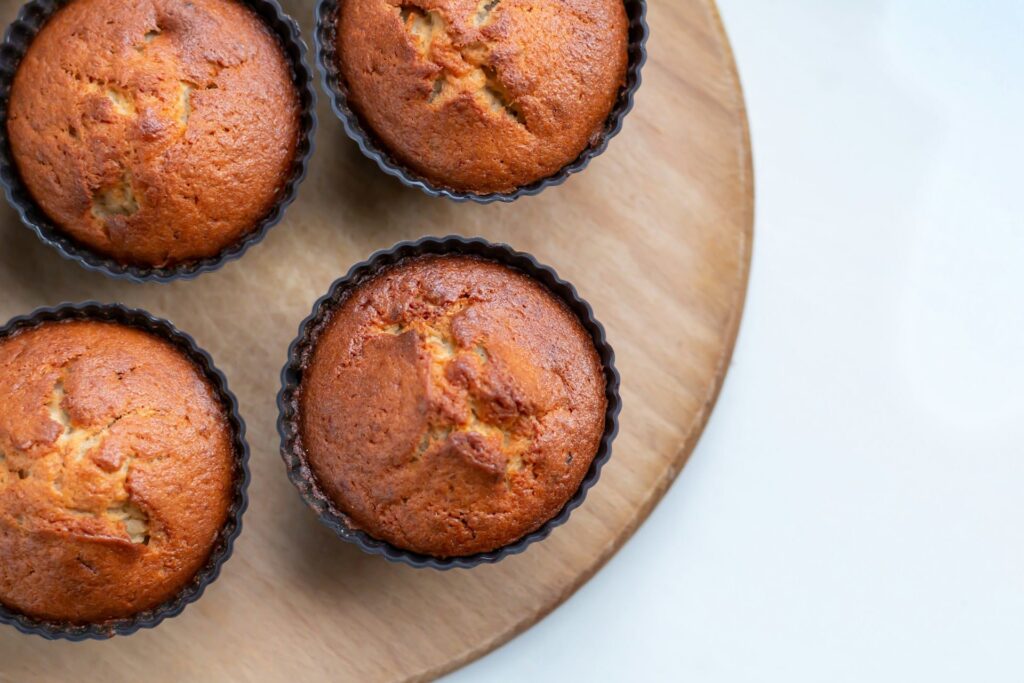
What Are the Common Materials for Muffin Containers?
Muffin containers come in various materials, each balancing functionality, cost, and environmental impact. Understanding these options is the first step to making informed, sustainable decisions for your business.
Plastic Muffin Containers
Plastic muffin containers, typically made from polypropylene (PP) or polyethylene terephthalate (PET), are widely used for their durability, lightweight design, and affordability. Their transparency showcases muffins clearly, enhancing display appeal, while their sturdiness ensures safe transport. However, plastic is derived from fossil fuels, contributing to greenhouse gas emissions during production. Globally, only about 9% of plastics are recycled (Ellen MacArthur Foundation), with most ending up in landfills or oceans, where they break into microplastics. These tiny particles harm marine life and enter the food chain, posing long-term environmental risks. Despite their practicality, plastic’s high environmental cost makes it less sustainable than alternatives.
Paper and Cardboard Muffin Containers
Paper and cardboard containers, crafted from paperboard or kraft paper, are biodegradable and recyclable, positioning them as a greener choice. They often feature food-safe coatings to prevent sogginess, maintaining functionality for baked goods. Their production relies on renewable resources like trees, but unsustainable forestry can lead to deforestation, threatening biodiversity. Water-intensive processes also add to their footprint. Certifications like FSC (Forest Stewardship Council) ensure responsible sourcing, reducing harm. These containers decompose naturally, offering a lower waste impact than plastic, especially when recycled or composted properly.
Other Materials
Bioplastics1, such as polylactic acid (PLA), are made from renewable sources like corn starch and are compostable in industrial facilities. Aluminum containers are durable and recyclable, saving energy when recycled. PLA requires specific composting conditions, while aluminum production is energy-intensive. Both materials offer sustainability potential but depend on proper disposal systems. Reliancepak provides PLA and sugarcane bagasse options, certified for food safety, to help businesses adopt eco-friendly packaging tailored to their needs.
What Are the Environmental Impacts of Plastic Muffin Containers?
Plastic muffin containers have a significant environmental footprint, driven by their reliance on non-renewable resources and challenges in waste management.
Production Impact
Resource Extraction and Emissions
Producing plastic containers involves extracting petroleum or natural gas, which depletes finite resources. The process emits substantial greenhouse gases—plastic manufacturing accounts for about 6% of global oil consumption (EPA). These emissions contribute to climate change, with long-term effects on ecosystems and weather patterns.
Pollution from Manufacturing
Plastic production generates air pollutants like volatile organic compounds and water pollutants from chemical runoff, harming local communities and wildlife. The energy-intensive nature of plastic manufacturing further increases its carbon footprint, making it a high-impact choice compared to paper or bioplastics. Businesses seeking to reduce emissions should consider alternatives with lower production impacts.
Disposal and Recycling Challenges
Low Recycling Rates
Only about 9% of plastics are recycled globally (Ellen MacArthur Foundation), with most muffin containers ending up in landfills or incinerators. Incineration releases toxic pollutants, while landfilled plastics persist for centuries, leaching chemicals into soil and groundwater.
Microplastic Pollution
Degrading plastics break into microplastics, which contaminate oceans, rivers, and soil. These particles harm marine life—studies show 90% of seabirds have ingested plastic (Wilcox et al., 2015)—and enter the human food chain. By 2050, ocean plastic could outweigh fish (Ellen MacArthur Foundation), underscoring the urgency of reducing plastic use in packaging.
What Are the Environmental Impacts of Paper and Cardboard Muffin Containers?
Paper and cardboard muffin containers are often seen as eco-friendly, but their environmental impact depends on production and disposal practices.
Resource Use
Water and Energy Demands
Paper production is highly resource-intensive, consuming up to 200 liters of water per kilogram of paper (World Bank). The pulp and paper industry is one of the largest industrial water users, contributing to water scarcity in some regions. Energy use during pulping and drying also adds to the carbon footprint.
Forestry Concerns
Unsustainable logging for paper can lead to deforestation, destroying habitats and reducing carbon sinks. Approximately 10% of global deforestation is linked to paper production (FAO). However, FSC-certified paper from responsibly managed forests minimizes these impacts, making sourcing a critical factor for sustainability.
Recycling and Composting Potential
High Recyclability
Paper and cardboard can be recycled multiple times, reducing waste. Recycling paper saves 70% of the energy needed for virgin production (EPA). Uncoated containers can also compost, breaking down into nutrient-rich soil in weeks to months in industrial facilities.
Challenges with Coatings
Food-safe coatings, often plastic-based, can contaminate recycling streams, lowering efficiency. Food residues further complicate recycling. Businesses must ensure proper sorting and educate staff to maximize the environmental benefits of paper containers, aligning with local waste management systems.
How Do Other Materials Compare Environmentally?
Alternative materials like bioplastics and aluminum offer unique sustainability profiles, with benefits and challenges tied to their lifecycle.
Bioplastics (e.g., PLA)
Renewable Sourcing
PLA is made from renewable resources like corn starch or sugarcane, reducing reliance on fossil fuels. It’s compostable in industrial facilities, breaking down into water and carbon dioxide within 180 days under optimal conditions. This makes PLA a promising eco-friendly option for businesses with access to composting infrastructure.
Disposal Limitations
Without industrial composting, PLA persists in landfills, where it doesn’t decompose effectively. Production requires agricultural land, raising concerns about land use competition and GMO crops. Reliancepak’s BPI-certified PLA containers ensure compostability, offering a reliable choice for sustainable packaging.
Aluminum
Recycling Efficiency
Aluminum is infinitely recyclable without quality loss, and recycling saves 95% of the energy needed for primary production (International Aluminium Institute). This makes aluminum a strong sustainability candidate when recycled properly.
Production Drawbacks
Producing aluminum from bauxite ore is energy-intensive, generating significant carbon emissions and environmental degradation from mining. Businesses must ensure access to robust recycling systems to offset these impacts, maximizing aluminum’s environmental benefits.
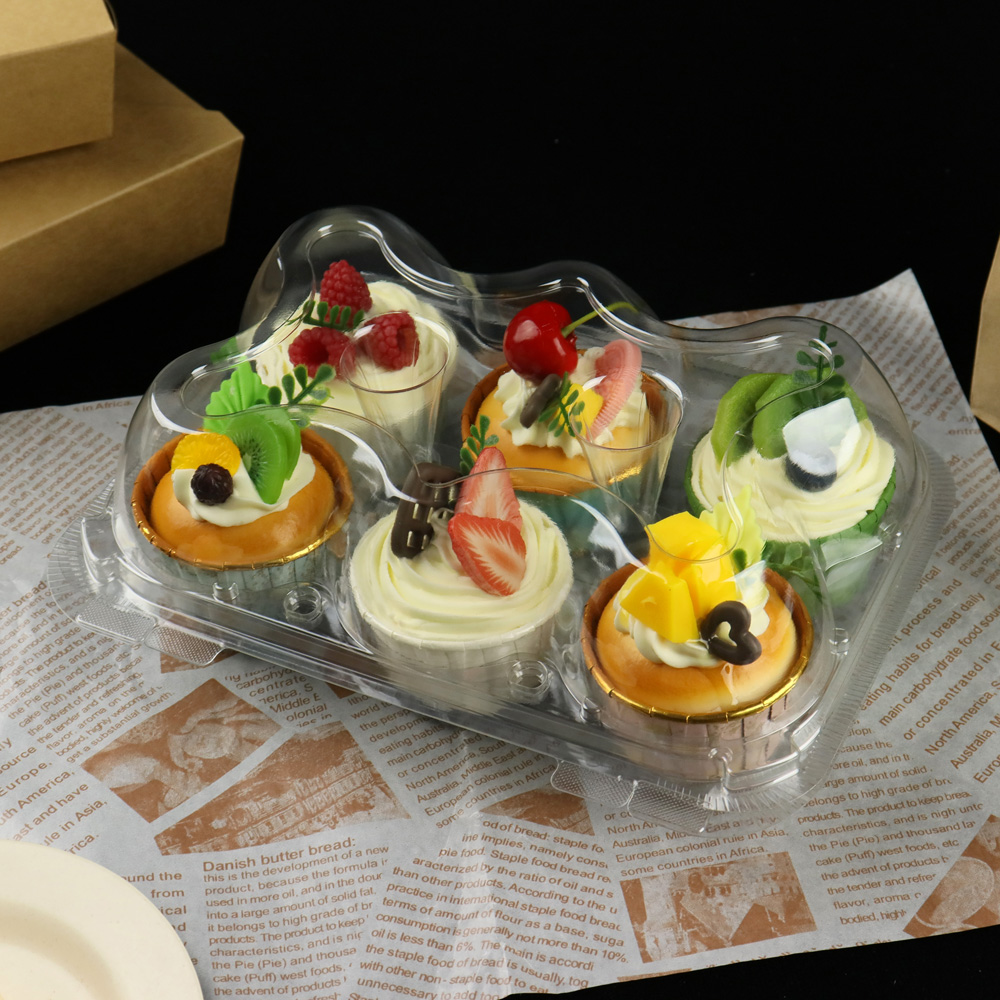
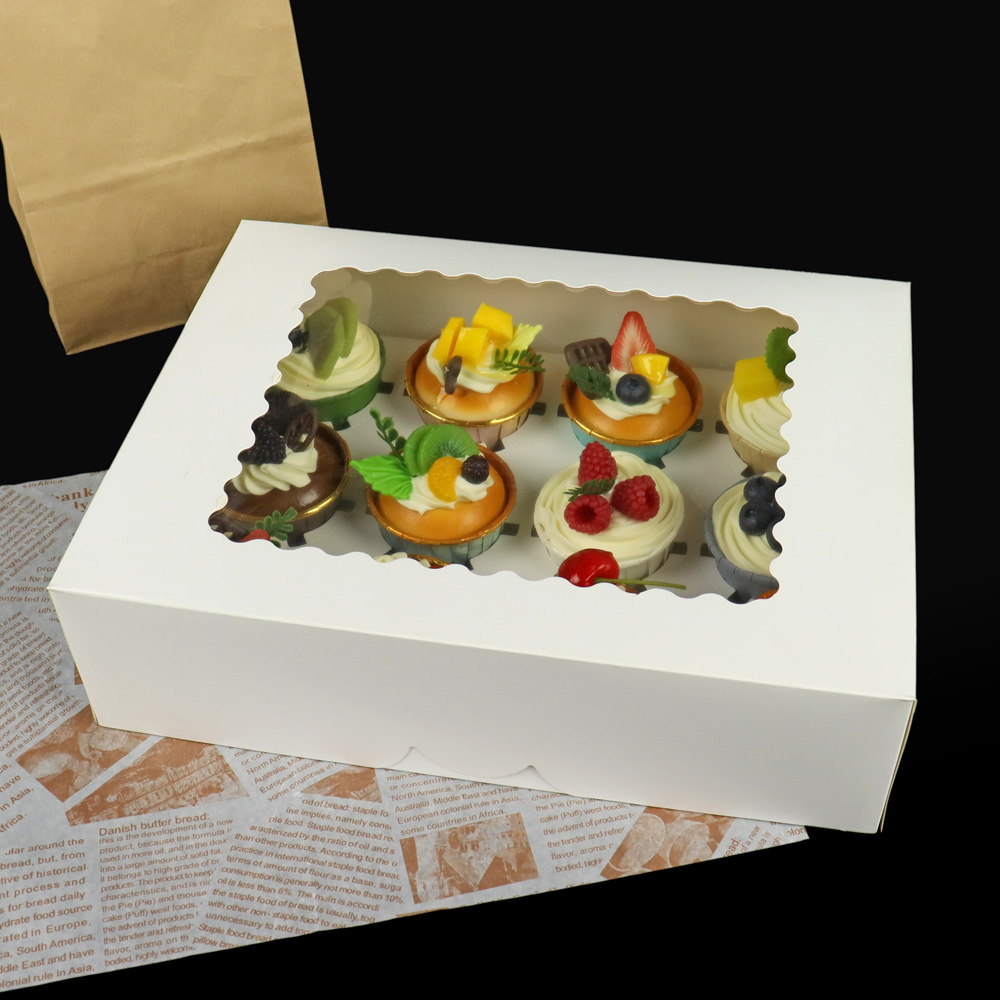
How Do Businesses Choose Sustainable Muffin Containers?
Selecting eco-friendly muffin containers involves balancing environmental impact, functionality, and business needs. Here are key strategies to guide your decision.
Lifecycle Assessment
Evaluating Full Impact
A lifecycle assessment examines a container’s environmental footprint from production to disposal. Key metrics include:
- Carbon Emissions: Plastic and aluminum have high production emissions, while paper has a medium footprint.
- Water Use: Paper requires significant water, unlike plastic or aluminum.
- Recyclability: Paper and aluminum are highly recyclable, while plastic lags.
This approach helps identify the greenest option for your region’s waste infrastructure and business model.
Certifications and Standards
Trusted Certifications
Look for certifications like:
- FSC: Ensures paper comes from sustainably managed forests.
- BPI: Verifies compostability for bioplastics like PLA.
These standards confirm environmental claims, ensuring compliance with regulations and customer expectations. Reliancepak’s certified containers provide peace of mind for eco-conscious businesses.
Partnering with Reliancepak
Sustainable Solutions
Reliancepak offers eco-friendly muffin containers, including compostable PLA and sugarcane bagasse, designed to minimize environmental harm. Their products meet FDA and EU food safety standards, ensuring quality.
Customization and Support
Customizable designs, like logo printing, enhance branding while promoting sustainability. With nine production lines, Reliancepak delivers quickly, and their free sample program lets businesses test containers for fit and function, making the switch to green packaging seamless.
Comparison of Environmental Impacts
| Material | Source | Biodegradable | Recyclable | Carbon Footprint | Water Use |
|---|---|---|---|---|---|
| Plastic (PP/PET) | Fossil fuels | No | Low (~9%) | High | Low |
| Paper/Cardboard | Trees | Yes (uncoated) | High | Medium | High |
| PLA (Bioplastics) | Corn starch | Yes (industrial) | Limited | Medium | Medium |
| Aluminum | Bauxite ore | No | High | High (production) | Low |
The above data is estimated and for reference only.
Conclusion
Choosing the right muffin container material is crucial for reducing environmental impact while meeting business needs. Plastic containers, though durable, rely on fossil fuels and contribute to pollution, with only 9% recycled globally. Paper and cardboard are biodegradable and recyclable but require significant water and sustainable sourcing to be truly eco-friendly. Bioplastics like PLA offer compostability, while aluminum excels in recyclability but is energy-intensive to produce. By conducting lifecycle assessments, prioritizing certified materials, and partnering with Reliancepak, businesses can adopt sustainable packaging that aligns with environmental goals and customer values. Reliancepak’s compostable PLA and sugarcane bagasse containers, backed by fast delivery and free samples, make going green easy. Start exploring their solutions today to create a more sustainable future for your bakery!
- Discover the advantages and limitations of bioplastics to understand their role in sustainable packaging solutions for your business. ↩︎