
The catering industry is constantly evolving, and with it, so is catering packaging technology1. Staying ahead of the curve means embracing innovative solutions that not only protect and present food beautifully but also enhance sustainability, efficiency, and the overall customer experience. Let’s explore the latest trends in catering packaging technology that are shaping the industry today.
Why is Catering Packaging Technology Important?
Catering packaging technology plays a crucial role in the success of any catering business. It impacts:
- Food Safety and Preservation: Ensuring food arrives fresh and safe for consumption.
- Presentation: Creating visually appealing presentations that enhance the dining experience.
- Sustainability: Reducing environmental impact through eco-friendly materials and designs.
- Efficiency: Streamlining operations through easy-to-use and space-saving packaging solutions.
- Branding: Reinforcing brand identity through custom designs and messaging.
What Are the Key Trends in Catering Packaging Technology?
Here are some of the most significant trends transforming the catering packaging landscape:
Sustainable Packaging Solutions
- Compostable Materials: Packaging made from plant-based materials like sugarcane bagasse, bamboo, and cornstarch that break down naturally.
- Recycled Content: Packaging made from recycled paper, cardboard, and plastics to reduce waste.
- Biodegradable Plastics: Plastics that decompose under specific environmental conditions.
- Reusable Containers: Durable containers designed for multiple uses, reducing single-use waste.
Smart Packaging with Technology Integration
- QR Codes: Embedding QR codes on packaging to provide information about ingredients, nutritional facts, and promotions.
- NFC (Near Field Communication): Using NFC tags for tracking and authentication of food products.
- Temperature Monitoring: Integrating sensors to monitor and maintain optimal food temperature during transport.
- Active Packaging: Packaging that interacts with the food to extend shelf life and maintain quality.
Enhanced Functionality and Convenience
- Leak-Proof Designs: Packaging designed to prevent spills and leaks, ensuring mess-free transport.
- Microwave-Safe Materials: Packaging that can be safely used in microwave ovens for reheating food.
- Easy-Open Features: Packaging designed with easy-to-open tabs and closures for convenience.
- Stackable Designs: Packaging that can be easily stacked for efficient storage and transport.
Customization and Branding Options
- Custom Printing: Printing logos, designs, and messaging directly onto packaging.
- Embossing and Debossing: Adding tactile elements to packaging for a premium look and feel.
- Unique Shapes and Sizes: Creating custom packaging shapes and sizes to differentiate your brand.
- Labeling Solutions: Implementing advanced labeling technologies for accurate product information and branding.
Innovative Materials and Designs
- Edible Packaging: Developing packaging materials that can be consumed along with the food.
- Anti-Microbial Packaging: Using materials with anti-microbial properties to inhibit bacterial growth.
- Vacuum-Sealed Packaging: Removing air from packaging to extend shelf life and maintain freshness.
- Insulated Packaging: Providing temperature control for hot and cold foods during transport.
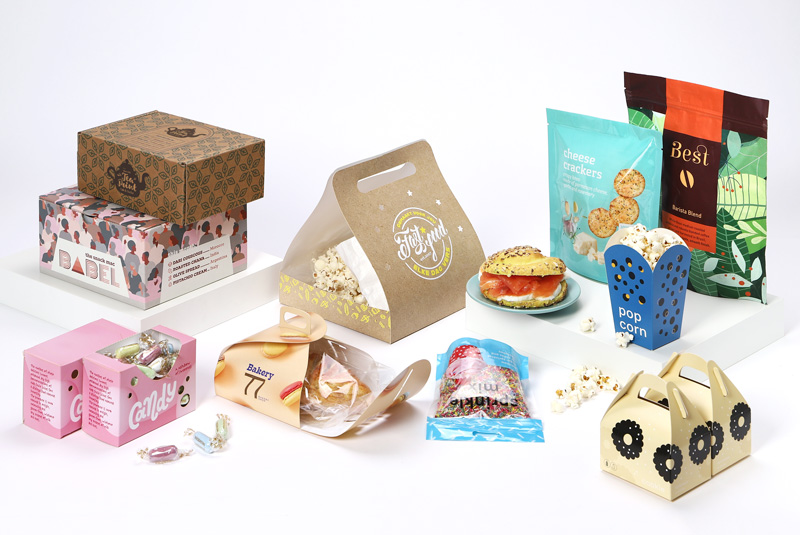
Diving Deeper: Sustainable Catering Packaging Technologies
Sustainability is no longer a trend; it’s a necessity. Here’s a closer look at the sustainable packaging technologies transforming the catering industry:
Compostable Packaging
Compostable packaging breaks down into natural elements in a compost environment, reducing landfill waste.
- Sugarcane Bagasse: A byproduct of sugarcane processing, bagasse is a renewable and compostable material.
- Bamboo: A fast-growing and sustainable resource, bamboo is used to create durable and compostable packaging.
- Cornstarch (PLA): Polylactic acid (PLA) is a biodegradable plastic derived from cornstarch.
Recycled Content Packaging
Using recycled materials reduces the demand for virgin resources and minimizes environmental impact.
- Recycled Paper and Cardboard: Packaging made from post-consumer recycled paper and cardboard.
- Recycled Plastics (rPET): Polyethylene terephthalate (PET) plastic made from recycled bottles and containers.
Biodegradable Plastics
Biodegradable plastics decompose under specific conditions, such as in industrial composting facilities.
- PHA (Polyhydroxyalkanoates): A family of biodegradable polymers produced by microorganisms.
- PBS (Polybutylene Succinate): A biodegradable polyester derived from renewable resources.
How Reliancepak Embraces Sustainable Packaging
At Reliancepak, we are committed to offering a wide range of sustainable catering packaging options. Our eco-friendly solutions include:
- Compostable Containers: Made from sugarcane bagasse and PLA.
- Recycled Content Boxes: Crafted from recycled cardboard.
- Biodegradable Utensils: Made from cornstarch and bamboo.
We believe that sustainability is not just a trend, but a responsibility. By partnering with Reliancepak, you can reduce your environmental footprint and appeal to eco-conscious customers.
The Role of Smart Packaging in Catering
Smart packaging integrates technology to enhance food safety, traceability, and the customer experience.
QR Codes for Enhanced Information
QR codes can provide customers with detailed information about the food they are consuming.
- Ingredient Lists: Detailed lists of all ingredients used in the dish.
- Nutritional Information: Calorie counts, macronutrient breakdowns, and allergen warnings.
- Preparation Methods: Information about how the food was prepared and cooked.
- Promotional Offers: Special deals and discounts for repeat customers.
NFC Technology for Tracking and Authentication
NFC tags can be used to track the movement of food products and verify their authenticity.
- Supply Chain Tracking: Monitoring the journey of food from farm to table.
- Temperature Monitoring: Ensuring food remains within safe temperature ranges during transport.
- Anti-Counterfeiting Measures: Verifying the authenticity of high-value food products.
Temperature Monitoring Solutions
Temperature sensors can help maintain optimal food temperature during transport.
- Real-Time Monitoring: Continuously tracking the temperature of food products.
- Alert Systems: Notifying caterers if temperatures fall outside safe ranges.
- Data Logging: Recording temperature data for quality control and compliance purposes.
Enhancing Functionality and Convenience in Catering Packaging
Catering packaging should not only protect food but also make it easy to transport, serve, and consume.
Leak-Proof Designs for Mess-Free Transport
Leak-proof containers prevent spills and messes, ensuring food arrives in perfect condition.
- Sealed Closures: Tight-fitting lids and seals that prevent leaks and spills.
- Compartmentalized Designs: Separate compartments for different food items.
- Durable Materials: Sturdy materials that can withstand the rigors of transport.
Microwave-Safe Materials for Easy Reheating
Microwave-safe packaging allows customers to easily reheat their food without transferring it to another container.
- PP (Polypropylene): A microwave-safe plastic that can withstand high temperatures.
- CPET (Crystalline Polyethylene Terephthalate): A microwave-safe plastic that is also oven-safe.
Easy-Open Features for Customer Convenience
Easy-open tabs and closures make it easy for customers to access their food.
- Tear-Away Strips: Perforated strips that can be easily torn to open the packaging.
- Hinged Lids: Lids that are attached to the container for easy opening and closing.
The Impact of Customization and Branding on Catering Packaging
Customization and branding are essential for creating a memorable and impactful catering experience.
Custom Printing for Brand Visibility
Custom printing allows caterers to showcase their brand logo, colors, and messaging on their packaging.
- Logo Placement: Strategically placing the logo on the packaging for maximum visibility.
- Brand Colors: Using consistent brand colors to reinforce brand recognition.
- Messaging and Taglines: Incorporating taglines and marketing messages to communicate brand values.
Embossing and Debossing for a Premium Look
Embossing and debossing add tactile elements to packaging, creating a premium and sophisticated look.
- Raised Logos and Designs: Embossing raises the logo or design above the surface of the packaging.
- Recessed Logos and Designs: Debossing presses the logo or design into the surface of the packaging.
Unique Shapes and Sizes for Differentiation
Custom packaging shapes and sizes can help caterers differentiate their brand from the competition.
- Custom-Molded Containers: Containers designed to fit specific food items.
- Unique Box Designs: Boxes with unique shapes and closures.
Real-World Examples of Innovative Catering Packaging
Here are a few examples of how innovative catering packaging is being used in the real world:
- Example 1: A Salad Delivery Service: Uses compostable bowls with QR codes that link to recipes and nutritional information.
- Example 2: A Sushi Restaurant: Employs vacuum-sealed packaging to maintain the freshness of their sushi.
- Example 3: A Corporate Caterer: Provides microwave-safe containers with easy-open lids for office lunches.
How to Choose the Right Catering Packaging Technology for Your Business
Choosing the right catering packaging technology depends on your specific needs and priorities. Consider the following factors:
- Budget: Determine how much you are willing to invest in packaging technology.
- Sustainability Goals: Choose packaging solutions that align with your sustainability goals.
- Food Safety Requirements: Ensure that the packaging meets all food safety regulations.
- Customer Preferences: Consider what types of packaging your customers prefer.
- Operational Efficiency: Select packaging solutions that streamline your operations.
What Questions Should You Ask Potential Packaging Suppliers?
Before selecting a packaging supplier, ask these important questions:
- What types of packaging technology do you offer?
- Can you provide samples of your packaging solutions?
- What are your minimum order quantities?
- What is your turnaround time?
- What is your pricing structure?
- Do you offer custom design services?
- What are your sustainability certifications?
- Can you provide references from other catering businesses?
The Future of Catering Packaging Technology
The future of catering packaging technology is bright, with continued innovation and advancements on the horizon.
- Edible Packaging: Expect to see more edible packaging options as technology advances.
- Personalized Packaging: Packaging that is tailored to individual customers.
- Smart Packaging: Greater integration of sensors and data analytics.
- Sustainable Materials: Continued development of new and innovative sustainable materials.
- 3D Printing: Using 3D printing to create custom packaging designs.
Data Table: Catering Packaging Trends and Adoption Rates
| Trend | Adoption Rate (2025) | Projected Adoption (2030) | Key Drivers |
|---|---|---|---|
| Compostable Packaging | 35% | 60% | Consumer demand, regulations, sustainability initiatives |
| Recycled Content Packaging | 45% | 70% | Cost-effectiveness, availability of recycled materials |
| Smart Packaging | 15% | 40% | Food safety concerns, traceability requirements, branding |
| Leak-Proof Designs | 60% | 80% | Customer satisfaction, operational efficiency |
| Custom Printing | 50% | 75% | Branding, marketing, differentiation |
The above data is estimated and for reference only.
Conclusion: Embrace the Future of Catering Packaging
Catering packaging technology is constantly evolving, and staying ahead of the curve is essential for success in today’s competitive market. By embracing sustainable, smart, and functional packaging solutions, you can enhance food safety, improve the customer experience, and reduce your environmental impact.
Reliancepak is committed to providing innovative catering packaging solutions that meet the evolving needs of the industry. Contact us today to learn more about our products and services.
- Discover the cutting-edge innovations in catering packaging that enhance sustainability and customer experience. ↩︎