
Hey everyone! As someone deeply involved in the packaging industry with Reliancepak, and as someone who cares about our planet, I get asked all the time: “What are the most eco-friendly disposable cup options?” It’s a fantastic question! The good news is that there are increasingly viable alternatives to traditional plastic and foam cups. Let’s dive deep into these options, exploring what makes them eco-friendly, and the practical considerations you need to know.
The Problem with Traditional Disposable Cups
Before we jump into solutions, let’s acknowledge the issue. Traditional disposable cups, especially those made from polystyrene (Styrofoam) and certain plastics, pose significant environmental challenges:
- Fossil Fuel Dependence: They’re made from petroleum, a non-renewable resource.
- Slow Decomposition: They can take hundreds of years to decompose in landfills.
- Pollution: Polystyrene can break down into smaller pieces, polluting waterways and harming wildlife.
- Recycling Challenges: Many plastic cups are difficult or impossible to recycle in most areas.
What Makes a Disposable Cup “Eco-Friendly”?
When evaluating eco-friendly disposable cups, here are the key criteria I use at Reliancepak:
- Renewable Materials: Made from resources that can be replenished, like plants.
- Biodegradability: Ability to break down naturally into non-toxic substances.
- Compostability: Ability to break down in a composting environment.
- Recyclability: Ability to be recycled into new products (check local facilities!).
- Reduced Carbon Footprint: Lower greenhouse gas emissions during production and disposal.
- Responsible Sourcing: Materials are sourced from sustainably managed forests or farms.
Exploring Eco-Friendly Disposable Cup Options
Okay, let’s explore the main contenders!
1. Paper Cups with Plant-Based Linings
- What they are: Paper cups made from sustainably sourced paperboard lined with a plant-based coating, such as PLA (polylactic acid) or a water-based coating.
- Why they’re eco-friendly:
- Renewable Material: Paper is made from trees, a renewable resource. Look for FSC (Forest Stewardship Council) certification.
- Compostable: If lined with PLA, they are commercially compostable. Water-based coatings may allow for recyclability.
- Reduced Plastic: Significantly reduces the amount of plastic compared to traditional polyethylene-lined paper cups.
- Considerations:
- Composting Infrastructure: Requires access to commercial composting facilities.
- Cost: Generally more expensive than traditional paper cups.
- Recyclability Claims: Double check the specific recyclability claims depending on the lining.
2. PLA Cups (Polylactic Acid)
- What they are: Cups made entirely from PLA, a bioplastic derived from cornstarch or sugarcane.
- Why they’re eco-friendly:
- Renewable Material: Made from renewable plant-based resources.
- Compostable: Commercially compostable under specific conditions.
- Lower Carbon Footprint: Production of PLA typically has a lower carbon footprint than traditional plastics.
- Considerations:
- Heat Sensitivity: Not suitable for hot liquids.
- Composting Infrastructure: Requires access to commercial composting facilities.
- “Greenwashing” Concerns: Be wary of marketing claims. Ensure the PLA is certified compostable.
- Durability: Can sometimes be less durable than traditional plastic cups.
3. Bagasse Cups
- What they are: Cups made from bagasse, the fibrous pulp that remains after sugarcane is processed.
- Why they’re eco-friendly:
- Upcycled Material: Uses a waste product from the sugar industry.
- Compostable: Biodegradable and compostable.
- Renewable Material: Sugarcane is a renewable resource.
- Considerations:
- Appearance: May have a slightly rougher texture than other cup types.
- Availability: Not as widely available as other options.
- Heat Resistance: Generally suitable for hot liquids, but check the manufacturer’s specifications.
4. Recycled Paper Cups
- What they are: Paper cups made from recycled paperboard.
- Why they’re eco-friendly:
- Reduces Landfill Waste: Uses recycled materials, diverting waste from landfills.
- Conserves Resources: Reduces the need for virgin paper pulp.
- Considerations:
- Lining: The type of lining used will impact its recyclability or compostability. Look for cups with minimal or plant-based linings.
- Recycled Content: Check the percentage of recycled content.
- Print Quality: May not have as smooth a surface as virgin paper cups, potentially affecting print quality.
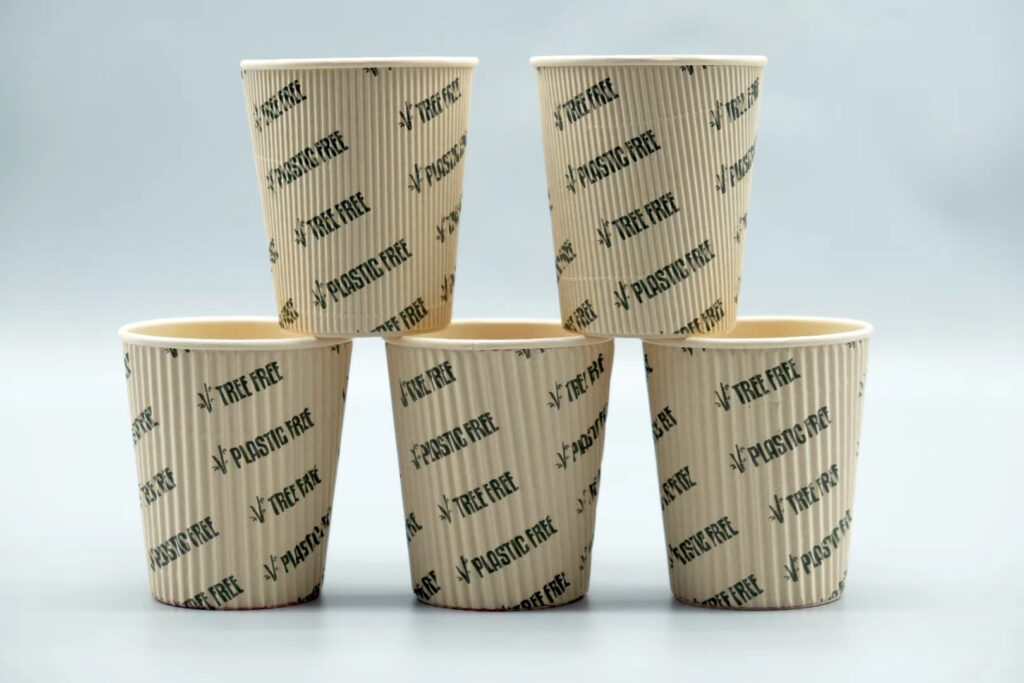
5. Bamboo Cups
- What they are: Cups made from bamboo fiber.
- Why they’re eco-friendly:
- Rapidly Renewable: Bamboo is one of the fastest-growing plants on Earth.
- Biodegradable: Bamboo fiber is naturally biodegradable.
- Considerations:
- Manufacturing Process: The manufacturing process can impact its overall environmental footprint. Look for cups made with minimal processing.
- Durability: May not be as durable as other options.
- Lining/Coating: Similar to paper cups, the type of lining or coating used will affect its compostability or recyclability.
Industry Insights and Certifications
It’s crucial to look for certifications and industry standards to verify the eco-friendliness of disposable cups. Here are some key ones:
- FSC (Forest Stewardship Council): Ensures that paper products come from responsibly managed forests. Link to FSC Website
- BPI (Biodegradable Products Institute): Certifies that products are compostable in commercial composting facilities. Link to BPI Website
- ASTM D6400: Standard specification for compostable plastics.
- ASTM D6868: Standard specification for biodegradable plastics used for coating paper and other compostable substrates.
These certifications provide assurance that the cups meet specific environmental standards and have been tested for biodegradability or compostability.
A Comparison Table of Eco-Friendly Options
| Cup Type | Material | Key Benefits | Considerations | Best Use Case |
|---|---|---|---|---|
| Paper w/ Plant-Based Lining | Paperboard, PLA/Water-based coating | Renewable, Compostable/Recyclable, Reduced Plastic | Requires composting/recycling infrastructure, Cost | Hot/Cold Beverages, Events |
| PLA Cups | Polylactic Acid (PLA) | Renewable, Compostable, Lower Carbon Footprint | Heat sensitivity, Requires composting infrastructure, Durability | Cold Beverages, Eco-Conscious Businesses |
| Bagasse Cups | Sugarcane Fiber (Bagasse) | Upcycled Material, Compostable, Renewable | Appearance, Availability, Heat Resistance | Hot/Cold Beverages, Takeout |
| Recycled Paper Cups | Recycled Paperboard | Reduces Landfill Waste, Conserves Resources | Lining type impacts recyclability/compostability, Recycled content percentage | Water Coolers, Events, Coffee Shops |
| Bamboo Cups | Bamboo Fiber | Rapidly Renewable, Biodegradable | Manufacturing process, Durability, Lining/Coating | Cold Beverages, Sustainable Events |
Making the Right Choice for Your Business
Choosing the most eco-friendly disposable cup option depends on your specific needs and circumstances. Consider the following factors:
- Your Budget: Eco-friendly options often come at a higher cost.
- Your Waste Management System: Do you have access to commercial composting or recycling facilities?
- Your Brand Image: Do you want to align your brand with sustainability?
- Your Customers’ Preferences: Are your customers environmentally conscious?
- Your Specific Application: Will you be serving hot or cold beverages?
Dispelling Common Myths About Eco-Friendly Cups
- Myth: All biodegradable cups break down quickly.
- Reality: Biodegradability rates vary depending on the material and environmental conditions.
- Myth: All compostable cups can be composted in your backyard.
- Reality: Most commercially compostable cups require specific conditions found in commercial composting facilities.
- Myth: Eco-friendly cups are always more expensive.
- Reality: Prices vary, and you may be able to find cost-effective options by buying in bulk or exploring different materials.
Reliancepak’s Commitment to Sustainability
At Reliancepak, we’re committed to offering our customers a wide range of eco-friendly disposable cup options. We work with our suppliers to ensure that our products meet the highest environmental standards, and we’re constantly exploring new and innovative ways to reduce our environmental impact. We believe that sustainability is not just a trend, but a responsibility. We’re here to help you navigate the world of eco-friendly packaging and find the right solutions for your business.
Actionable Steps You Can Take Today
- Audit your current disposable cup usage.
- Research local composting and recycling facilities.
- Contact Reliancepak for a consultation on eco-friendly alternatives.
- Educate your staff and customers about proper disposal methods.
- Consider offering discounts or incentives for customers who bring their own reusable cups.
The Future of Eco-Friendly Disposable Cups
The future of disposable cups is undoubtedly green. As technology advances and consumer demand for sustainable products increases, we can expect to see even more innovative and eco-friendly options emerge. From new plant-based materials to improved recycling technologies, the possibilities are endless.
Final Thoughts
Choosing eco-friendly disposable cups is a simple yet powerful way to reduce your environmental impact. By considering the factors outlined in this guide, you can make informed choices that benefit both your business and the planet. Remember, every small step counts! If you have any questions, don’t hesitate to reach out to Reliancepak. We’re always happy to help!