Are you, as a catering or supermarket procurement manager, considering aluminum foil containers for your baking needs? Making informed decisions about packaging and kitchenware is crucial for efficiency, cost-effectiveness, and customer satisfaction. This guide, brought to you by Reliancepak, delves into the pros and cons of using aluminum foil containers for baking, providing you with a balanced perspective to help you make the best choice for your business. We’ll explore various aspects, from heat conductivity and food safety to cost considerations and environmental impact, ensuring you have all the information you need at your fingertips. Understanding these factors is vital for optimizing your baking operations and maintaining the quality of your products.

The Upsides: Advantages of Aluminum Foil Containers in Baking
When it comes to baking, aluminum food containers offer several notable advantages. Their excellent heat conductivity ensures even baking, reducing the risk of undercooked or burnt portions. This is particularly beneficial for items like cakes, pies, and casseroles, where consistent temperature distribution is essential. Furthermore, foil containers are lightweight and easy to handle, which streamlines the baking process and improves overall efficiency in a busy kitchen or production line. They are also versatile, capable of withstanding high oven temperatures without warping or melting. This durability makes them a reliable choice for a wide range of baking applications, from individual servings to large-scale catering orders. In addition, they are often more cost-effective than other types of baking containers, making them an attractive option for businesses looking to manage expenses without compromising quality.
Enhanced Heat Distribution and Baking Efficiency
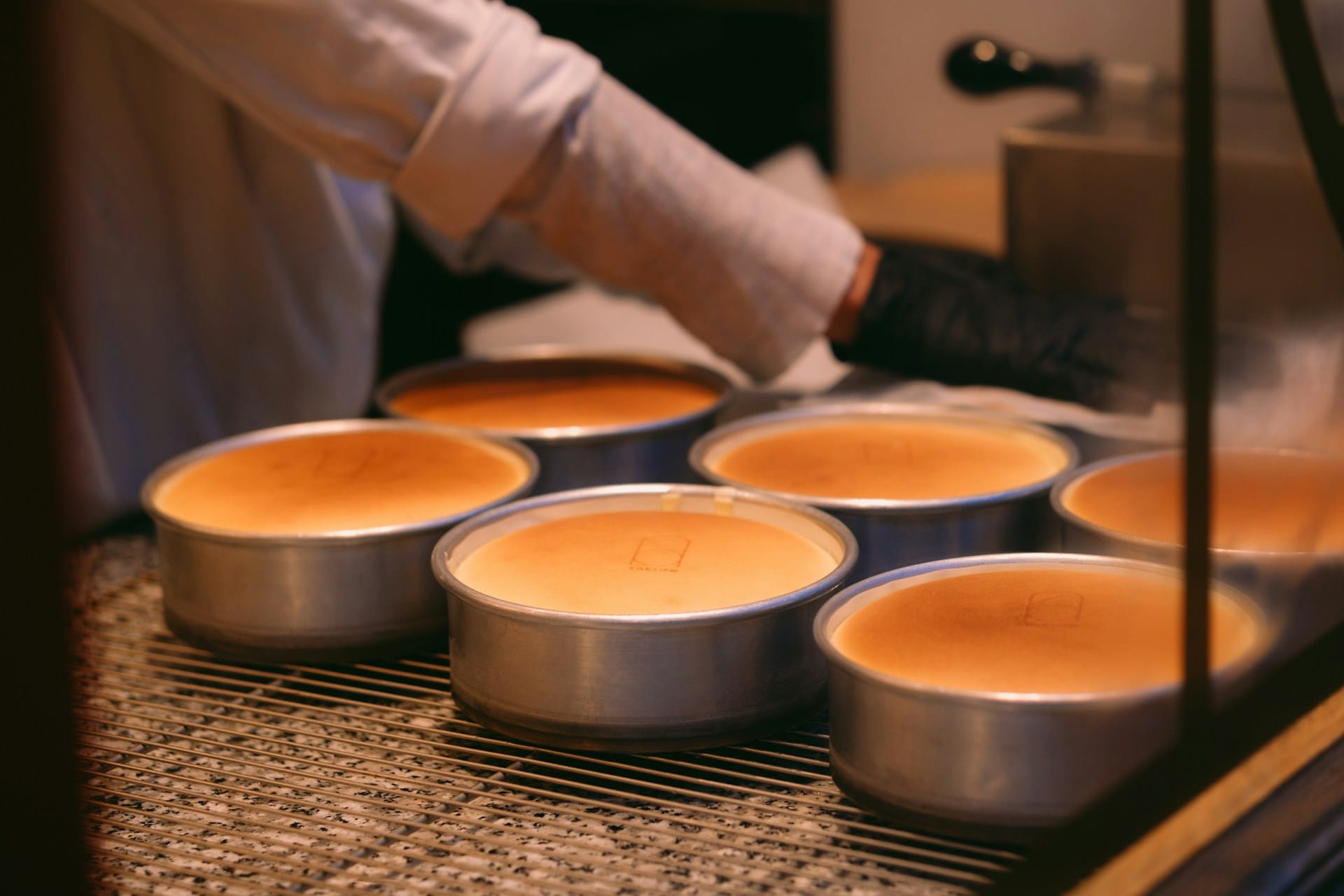
One of the most significant advantages of using disposable aluminum baking pans is their superior heat distribution. Aluminum’s high thermal conductivity allows heat to spread quickly and evenly across the container, ensuring that your baked goods cook uniformly. This is particularly important for items that require precise temperature control, such as delicate pastries or soufflés. With even heat distribution, you can avoid hot spots that lead to uneven cooking, ensuring a consistent and high-quality product every time. This can also result in faster baking times, increasing your kitchen’s efficiency and allowing you to produce more in less time. Moreover, the uniform baking achieved with aluminum foil containers can reduce waste by minimizing the number of imperfectly baked items.
Cost-Effectiveness and Practicality
Cost is always a key consideration for catering and supermarket procurement managers. Aluminum containers are generally more affordable than many alternatives, such as ceramic or glass bakeware. The lower cost per unit makes them a particularly attractive option for large-scale operations where the quantities used are significant. Beyond the initial purchase price, aluminum bakeware also reduces other costs. Their disposability eliminates the need for washing and sanitizing, saving on labor and water costs. They are lightweight, making them easy to store and transport, reducing handling and shipping expenses. In addition, they are often stackable, optimizing storage space in busy kitchens or warehouses. The combination of affordability and reduced operational costs makes aluminum foil containers a highly practical choice for businesses.
Convenient Portability and Storage
Aluminum baking pans offer unmatched convenience in terms of portability and storage. Their lightweight construction makes them easy to handle and transport, whether it’s moving baked goods from the oven to the cooling rack or delivering catering orders to clients. They are also stackable, which helps maximize storage space in your kitchen or warehouse. This is particularly useful in operations where space is limited. Furthermore, foil bakeware can be easily sealed with foil or plastic lids, making them ideal for storing leftovers or prepared meals. This capability not only preserves the quality of the food but also extends its shelf life, reducing waste and optimizing inventory management. Their versatility in both transport and storage makes aluminum foil containers a practical choice for businesses of all sizes.
The Downsides: Disadvantages of Aluminum Foil Containers in Baking
Despite the numerous benefits, baking with aluminum foil containers also comes with potential downsides that procurement managers should consider. These include the risk of chemical leaching, environmental concerns, and limitations in aesthetic appeal. Understanding these drawbacks is essential for making a balanced and informed decision about their use in your baking operations. While these disadvantages might not be deal-breakers, they are factors that need careful evaluation to ensure that they align with your business’s values and operational standards. By being aware of these potential drawbacks, you can take steps to mitigate their impact and make the most of the advantages that aluminum foil containers offer.
Potential for Chemical Leaching
One common concern associated with aluminum foil trays is the potential for aluminum to leach into food, especially when baking acidic or salty dishes. While the amount of aluminum that leaches is generally considered safe by regulatory bodies, some studies suggest that long-term exposure to even small amounts of aluminum may have adverse health effects. To minimize this risk, it’s advisable to avoid using aluminum foil containers for baking highly acidic foods like tomato-based sauces or lemon-flavored desserts. Using Reliancepak’s high-quality, food-grade aluminum foil containers, which are manufactured under stringent quality control measures, can further reduce the likelihood of leaching. Additionally, consider using baking paper liners to create a barrier between the food and the container, providing an extra layer of protection.
Environmental Considerations
The environmental impact of disposable aluminum foil pans is another factor that procurement managers need to consider. Aluminum production is energy-intensive, and the mining of bauxite, the ore from which aluminum is extracted, can have significant environmental consequences. However, aluminum is also highly recyclable, and recycled aluminum requires only a fraction of the energy to produce compared to virgin aluminum. Therefore, using recyclable aluminum containers and implementing a robust recycling program can significantly reduce the environmental footprint. Encouraging consumers and staff to recycle used containers is crucial. Reliancepak is committed to sustainability and offers containers made from recycled aluminum, helping businesses reduce their environmental impact while maintaining the quality and performance they need.
Limited Aesthetic Appeal
While functional, aluminum foil containers generally lack the aesthetic appeal of other types of bakeware, such as ceramic or glass dishes. This can be a drawback when presentation is important, such as for upscale catering events or gourmet bakery items. In situations where aesthetics matter, you might consider using aluminum foil containers for the baking process and then transferring the finished product to a more visually appealing serving dish. Another option is to use decorative aluminum food trays with embossed patterns or attractive finishes, which can enhance the presentation without sacrificing the benefits of aluminum. Despite these limitations, the practicality and cost-effectiveness of aluminum foil containers often outweigh their lack of aesthetic charm, especially for businesses focused on efficiency and value.
Types of Aluminum Foil Containers for Baking
Selecting the right type of aluminum baking pan is essential for achieving optimal results. Different shapes, sizes, and thicknesses cater to specific baking needs, from individual servings to large-scale catering orders. Understanding the various options available will enable procurement managers to make informed decisions that enhance efficiency, reduce waste, and improve the quality of their baked goods. Reliancepak offers a comprehensive range of aluminum foil containers designed to meet diverse baking requirements, ensuring that you can find the perfect solution for your business.
Standard Baking Pans
Standard aluminum baking pans are versatile and widely used for a variety of baked goods, including cakes, brownies, and casseroles. They come in various shapes and sizes, such as rectangular, square, and round, allowing for flexibility in baking different types of products. Their uniform heat distribution ensures consistent cooking, and their sturdy construction can withstand high oven temperatures without warping. Reliancepak’s standard baking pans are made from high-quality aluminum, providing durability and reliability for all your baking needs. These pans are ideal for everyday use and are a staple in any commercial kitchen or bakery.
Muffin and Cupcake Tins
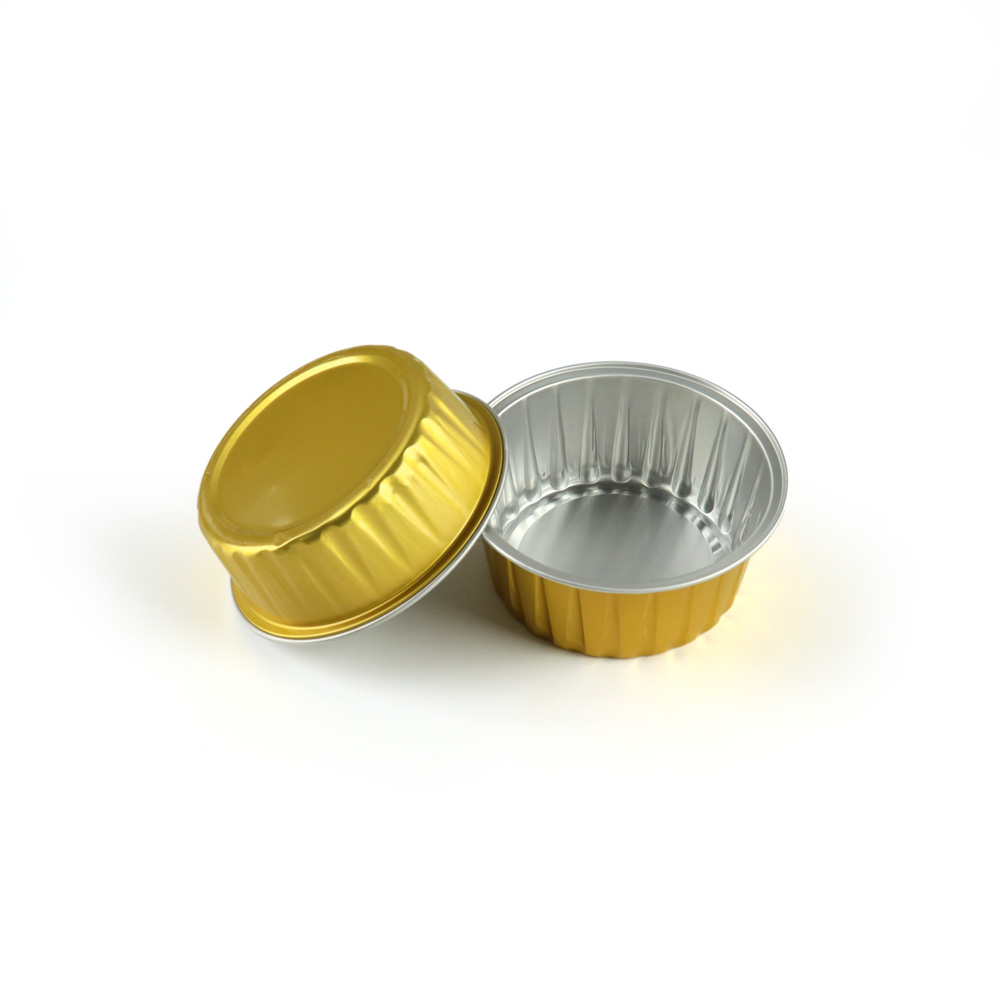
Aluminum muffin tins and cupcake tins are essential for baking individual servings of muffins, cupcakes, and mini-quiches. Their individual cups ensure uniform size and shape, and their heat-conductive properties promote even baking. Reliancepak’s aluminum cupcake liners make cleanup easy and can be used in conjunction with the tins for a professional presentation. These tins are also lightweight and easy to handle, making them efficient for large-scale production. They are a cost-effective solution for bakeries, cafes, and catering businesses looking to offer a variety of individual baked treats.
Pie Pans
Aluminum pie pans are specifically designed for baking pies and tarts. Their shallow, sloped sides promote even cooking of the crust and filling, and their heat-conductive properties ensure a golden-brown finish. Reliancepak’s aluminum foil pie pans come in various sizes to accommodate different pie recipes, from single-serving tarts to family-sized pies. They are also durable and can withstand the weight of heavy fillings without bending or breaking. These pans are a must-have for bakeries, restaurants, and supermarkets that offer a selection of delicious pies.
Loaf Pans
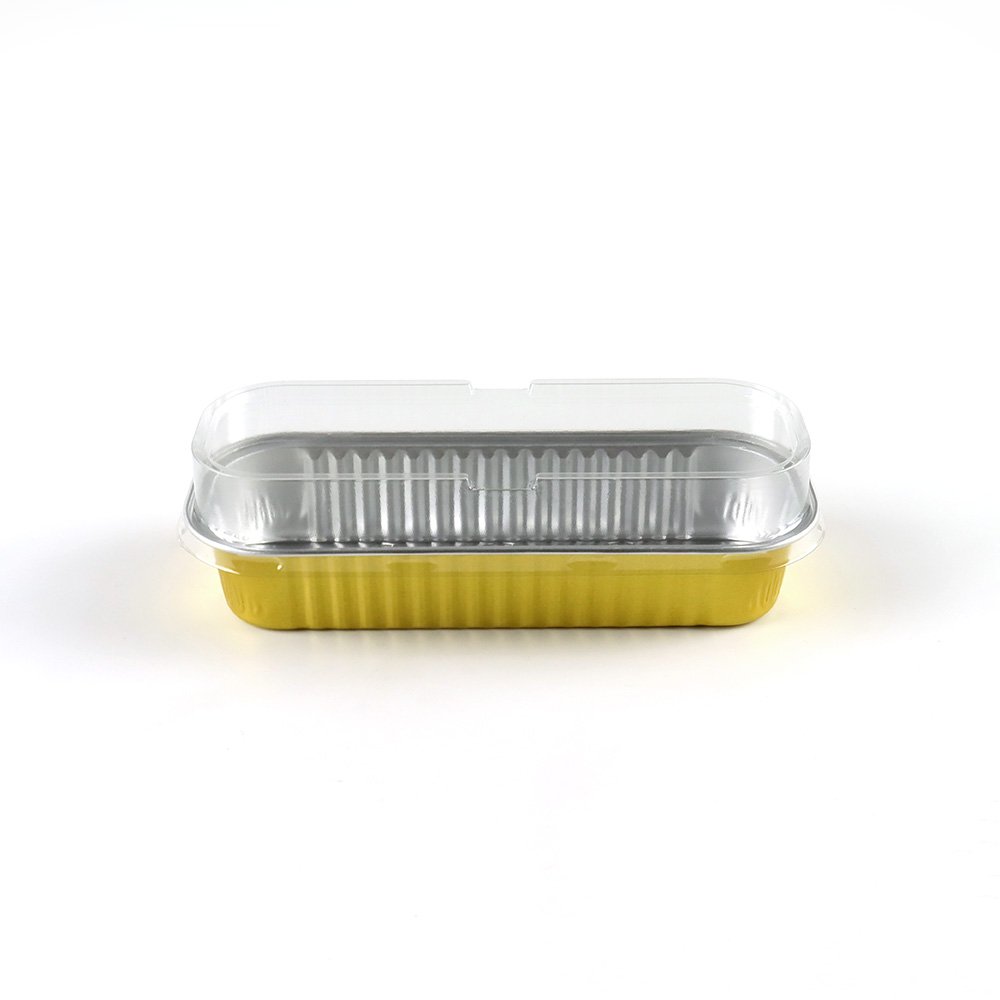
Aluminum loaf pans are ideal for baking bread, meatloaf, and other loaf-shaped items. Their rectangular shape ensures uniform cooking and provides a consistent shape for slicing and serving. Reliancepak’s aluminum bread pans are available in different sizes to accommodate various loaf recipes, from small tea loaves to large family-sized loaves. Their sturdy construction can withstand the weight of heavy dough without warping, and their heat-conductive properties promote even baking. These pans are essential for bakeries, cafes, and restaurants that offer a variety of homemade breads and meatloaves.
Best Practices for Using Aluminum Foil Containers in Baking
To maximize the benefits and minimize the risks associated with aluminum foil containers, procurement managers should implement best practices in their baking operations. These include proper handling, temperature control, and food selection. Following these guidelines will ensure the safety, quality, and efficiency of your baking processes. Reliancepak is committed to providing not only high-quality containers but also valuable information to help businesses use them effectively.
Choosing the Right Gauge
The gauge, or thickness, of aluminum foil containers plays a crucial role in their performance. Thicker-gauge containers are more durable and resistant to warping, making them suitable for heavy or dense baked goods. Thinner-gauge containers are more cost-effective but may not be as sturdy. Selecting the right gauge depends on the specific application. For example, if you’re baking a heavy fruitcake, you’ll want to opt for a thicker-gauge container to prevent it from bending or breaking. Reliancepak offers containers in various gauges to meet different baking needs, ensuring that you can find the perfect balance between cost and performance.
| Container Type | Typical Gauge (mm) | Recommended Use |
|---|---|---|
| Standard Baking Pan | 0.05 – 0.07 | Cakes, brownies, casseroles |
| Muffin/Cupcake Tin | 0.04 – 0.06 | Muffins, cupcakes, mini-quiches |
| Pie Pan | 0.06 – 0.08 | Pies, tarts |
| Loaf Pan | 0.07 – 0.09 | Bread, meatloaf |
The above data is for reference only
Preventing Sticking
Preventing food from sticking to aluminum food containers is essential for ensuring easy removal and preserving the appearance of your baked goods.
Here are several ways to prevent sticking:
- Grease the container with butter, oil, or non-stick cooking spray before adding the batter.
- Line the container with parchment paper, which creates a barrier between the food and the container.
- Use Reliancepak offers pre-cut parchment paper liners that are specifically designed to fit various container sizes, saving you time and effort.
- You can also use aluminum baking sheets to increase the overall distribution of heat on your product.
Properly preparing the container will not only prevent sticking but also make cleanup easier and more efficient.
Temperature Control
Maintaining proper temperature control is crucial for achieving optimal baking results with aluminum foil containers. Aluminum’s high thermal conductivity means that it heats up quickly, so it’s important to monitor the oven temperature closely to prevent over-baking or burning.
Consider the following for Temperature Control:
- Using an oven thermometer can help ensure accurate temperature readings.
- You may need to adjust baking times slightly when using aluminum foil containers, as they may cook faster than other types of bakeware.
- Reliancepak’s containers are designed to withstand high temperatures, but it’s always best to follow recipe instructions and monitor the baking process carefully to achieve the best possible results.
Safe Handling
Safe handling of aluminum baking trays is essential for preventing burns and injuries in the kitchen.
- Always use oven mitts or pot holders when handling hot containers, as aluminum conducts heat rapidly.
- Avoid bending or crushing the containers, as this can compromise their structural integrity and lead to spills or accidents.
- Properly dispose of used containers in a recycling bin to minimize environmental impact.
- Reliancepak’s containers are designed with safety in mind, but it’s always important to follow basic kitchen safety guidelines to prevent accidents and injuries.
Environmental Responsibility and Recycling Aluminum Foil Containers
As businesses become increasingly conscious of their environmental impact, responsible disposal and recycling of aluminum foil containers are essential. Aluminum is a highly recyclable material, and recycling it requires only a fraction of the energy needed to produce virgin aluminum. Implementing a robust recycling program can significantly reduce your business’s environmental footprint. Reliancepak is committed to sustainability and encourages all customers to recycle their used containers.
Recycling Process
The recycling process for used aluminum containers is straightforward.
Follow these steps for recycling:
- After use, rinse the containers to remove any food residue.
- Flatten the containers to save space in recycling bins.
- Place the containers in the appropriate recycling bin for aluminum materials.
- Local recycling centers will collect the containers and process them for recycling.
- Recycled aluminum can be used to create new containers, reducing the need for virgin aluminum and minimizing environmental impact.
Reliancepak partners with recycling organizations to promote aluminum recycling and support sustainable practices.
Composting
Composting is NOT suitable for aluminum trays.
Reducing Aluminum Usage
While recycling is important, reducing aluminum usage is also crucial for minimizing environmental impact.
Consider these options for reducing aluminum usage:
- Use smaller container sizes to reduce waste.
- Encourage customers to reuse containers for storing leftovers.
- Explore alternative packaging options made from sustainable materials, such as biodegradable or compostable containers.
Reliancepak is committed to developing innovative packaging solutions that reduce environmental impact.
Case Studies: Successful Implementation of Aluminum Foil Containers in Baking
To illustrate the benefits of using aluminum foil containers in baking, let’s examine a few case studies of businesses that have successfully implemented them in their operations. These examples demonstrate how aluminum foil containers can enhance efficiency, reduce costs, and improve product quality. Reliancepak has partnered with numerous businesses to provide high-quality containers and support their baking operations.
Case Study 1: Bakery Efficiency
A large-scale bakery in New York City switched from reusable metal pans to disposable aluminum foil pans for their muffin production. The switch reduced labor costs associated with washing and sanitizing the pans, allowing the bakery to focus on increasing production volume. The bakery also found that the aluminum containers provided more consistent baking results, reducing waste and improving product quality. The switch resulted in a 15% increase in overall efficiency and a significant reduction in operational costs. Reliancepak provided the bakery with a customized container solution that met their specific needs.
Case Study 2: Catering Cost Reduction
A catering company in Los Angeles implemented aluminum foil containers for their event catering services. The containers were used for baking and transporting various dishes, including lasagna, casseroles, and desserts. The catering company found that the lightweight aluminum containers made transportation easier and reduced the risk of damage to the dishes. The disposability of the containers eliminated the need for returning and washing reusable dishes, saving on labor and transportation costs. The switch resulted in a 10% reduction in catering costs and improved customer satisfaction due to the convenience of disposable containers. Reliancepak provided the catering company with a reliable supply of high-quality containers at competitive prices.
Case Study 3: Supermarket Sales
A supermarket chain in London began using aluminum baking trays for their in-store bakery department. The supermarket found that the attractive aluminum containers enhanced the presentation of their baked goods, leading to increased sales. The containers also provided a convenient way for customers to transport and store their purchases. The supermarket implemented a recycling program for the containers, promoting sustainability and reducing environmental impact. The switch resulted in a 12% increase in bakery sales and improved customer loyalty. Reliancepak provided the supermarket with a range of stylish and functional containers that met their specific requirements.
Conclusion: Making an Informed Decision for Your Business
Choosing the right aluminum containers for baking involves considering both the advantages and disadvantages. While there are potential drawbacks, such as the risk of chemical leaching and environmental concerns, these can be mitigated by following best practices and implementing responsible recycling programs. The benefits of aluminum foil containers, including their heat distribution, cost-effectiveness, and convenience, often outweigh the drawbacks, making them a practical choice for many businesses. As a procurement manager, it’s important to weigh these factors carefully and make an informed decision that aligns with your business’s values and operational needs. Reliancepak is here to help you navigate the options and find the perfect aluminum foil container solution for your baking operations.