
In the world of packaging, clarity and rigidity are often key requirements, especially for showcasing food products. Oriented Polystyrene, or OPS plastic, offers a unique combination of these properties, making it a popular choice for certain types of food containers. Unlike other plastics, OPS undergoes a specific manufacturing process that enhances its visual appeal and structural integrity. Let’s explore what OPS plastic is, its distinct characteristics, and its common applications in the food packaging industry.
What is OPS?
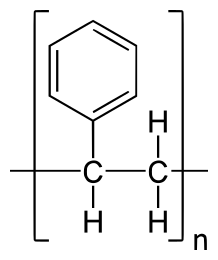
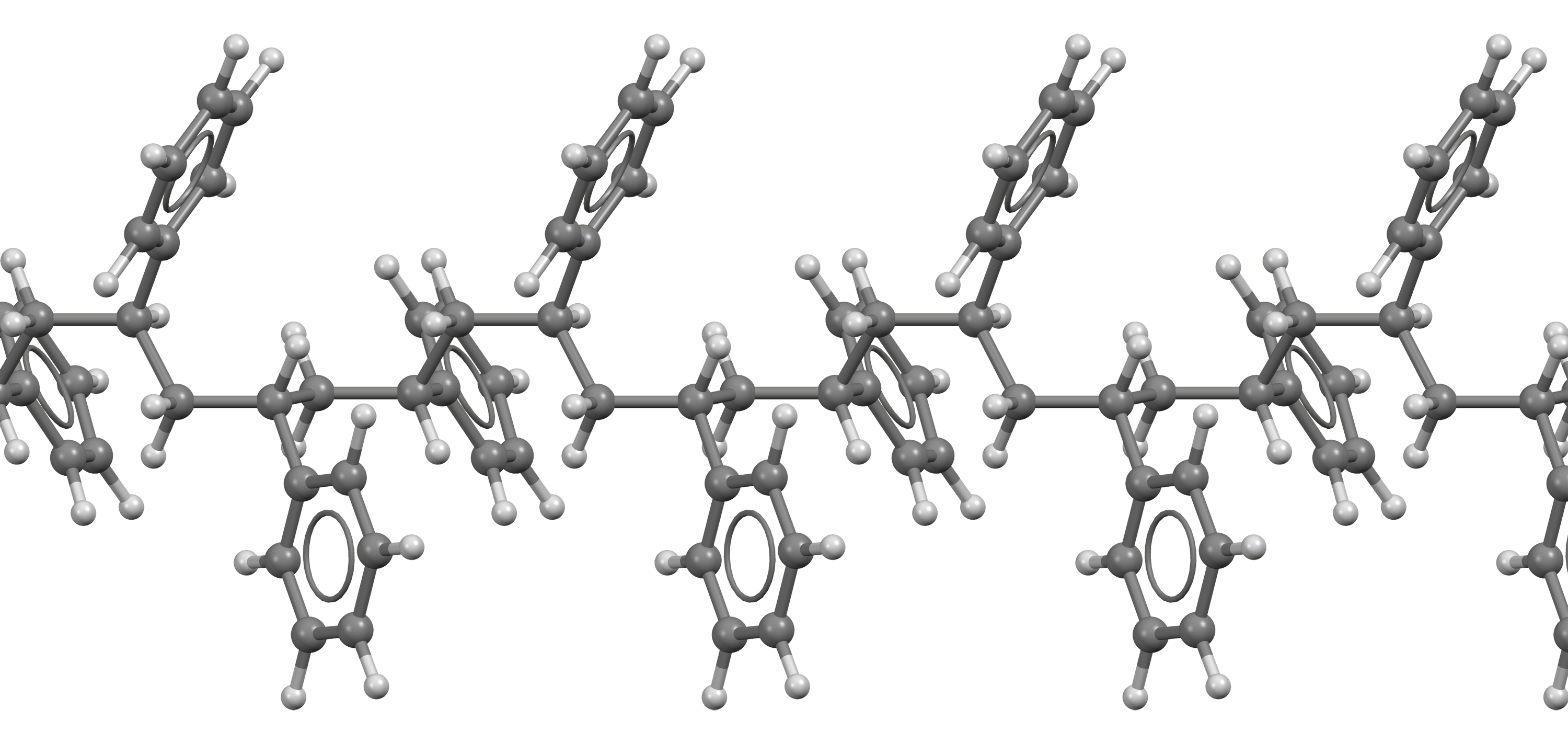
OPS stands for Oriented Polystyrene. It is a type of polystyrene (PS) that has been stretched or ‘oriented’ during its manufacturing process. This orientation aligns the polymer chains, significantly improving the material’s strength, clarity, and rigidity compared to general-purpose polystyrene (GPPS). Manufacturers produce OPS primarily through a thermoforming process1, where they heat and stretch a PS sheet to create the desired shape.
How Orientation Enhances Properties
The stretching process in OPS manufacturing creates a material with enhanced properties. This molecular alignment makes the plastic stronger and more resistant to cracking, while also improving its transparency. Consequently, OPS becomes an ideal material for clear, rigid packaging that needs to withstand some handling.
Properties of OPS Plastic
OPS plastic possesses several distinct properties that make it suitable for specific packaging needs:
- High Clarity: OPS offers exceptional transparency, allowing consumers to clearly see the product inside. This visual appeal is crucial for fresh food items.
- Rigidity and Strength: The orientation process makes OPS significantly more rigid and less brittle than unoriented polystyrene. This provides good protection for delicate contents.
- Lightweight: Despite its rigidity, OPS remains a lightweight material, which helps reduce transportation costs and overall packaging weight.
- Good Dimensional Stability: OPS maintains its shape well under various conditions, ensuring consistent product presentation.
- Excellent for Cold Applications: OPS performs very well in cold environments, making it suitable for refrigerated and frozen food packaging.
- Cost-Effective: Compared to some other clear plastics, OPS offers a cost-effective solution for many packaging applications.
Common Uses of OPS Plastic
OPS plastic finds its primary application in the food packaging sector, where its clarity and rigidity are highly valued. You will commonly encounter OPS in:
Food Packaging Applications
- Bakery Clamshells: Ideal for pastries, muffins, and other baked goods, providing clear visibility and protection.
- Deli Containers: Used for salads, sandwiches, and other ready-to-eat items in deli counters.
- Produce Trays: Often found in supermarkets for packaging fresh fruits and vegetables, such as berries or cherry tomatoes.
- Sushi Trays: Its clarity and rigidity make it a popular choice for showcasing sushi.
- Confectionery Packaging: Used for clear boxes and trays for chocolates and candies.
Other Applications
While food packaging dominates its use, OPS also appears in:
- Blister Packaging: For small consumer goods like batteries or stationery.
- Display Trays: For presenting various retail items.
OPS Plastic and Recycling
OPS plastic, like other forms of polystyrene, is technically recyclable, identified by the #6 resin identification code. However, its recycling rate is generally low due to several factors:
- Low Density: Especially when used in thin-gauge thermoformed packaging, OPS is lightweight and bulky, making collection and transportation for recycling economically challenging.
- Contamination: Food residue can contaminate OPS packaging, making it difficult to recycle into high-quality new products.
- Sorting Challenges: Differentiating OPS from other plastics in mixed recycling streams can be complex for recycling facilities.
When recycled, OPS can be processed into:
- Insulation materials
- Picture frames
- Park benches
- Other non-food contact applications
Efforts are underway to improve polystyrene recycling technologies, including chemical recycling, which can break down the plastic into its original monomers for reuse. However, for OPS, the focus often remains on reducing its use or finding more readily recyclable or compostable alternatives, especially in single-use food service applications.
OPS vs. Other Packaging Plastics
Here’s a comparison of OPS with some other common packaging plastics:
| Property | OPS | PET | PP | PS (GPPS) |
|---|---|---|---|---|
| Clarity | Excellent | Excellent | Translucent | Good |
| Rigidity | High | High | Semi-rigid | Brittle |
| Heat Resistance | Low | Moderate | High | Low |
| Cold Resistance | Excellent | Good | Good | Good |
| Recyclability | Low | High | Moderate | Low |
| Food Contact | Yes | Yes | Yes | Yes |
Conclusion
OPS plastic serves a vital role in the food packaging industry, offering exceptional clarity and rigidity for showcasing products. Its lightweight nature and cost-effectiveness make it an attractive choice for many applications, particularly in cold food environments. While its recycling presents challenges, ongoing advancements in recycling technologies and a growing industry focus on sustainable alternatives continue to shape the future of OPS. As consumers and businesses increasingly prioritize environmental responsibility, the demand for innovative and eco-friendly packaging solutions will continue to drive material evolution.
- Learn about the thermoforming process to understand how OPS is produced and its impact on material properties. ↩︎