
As the world increasingly focuses on sustainability, recycled materials are gaining significant importance. Among them, RPET, or Recycled Polyethylene Terephthalate, stands out as a key player in reducing plastic waste and promoting a circular economy. RPET is essentially PET plastic that has been collected, sorted, cleaned, and reprocessed into new products. Understanding RPET is crucial for appreciating its environmental benefits and its growing role in various industries, especially in food packaging.
What is RPET?
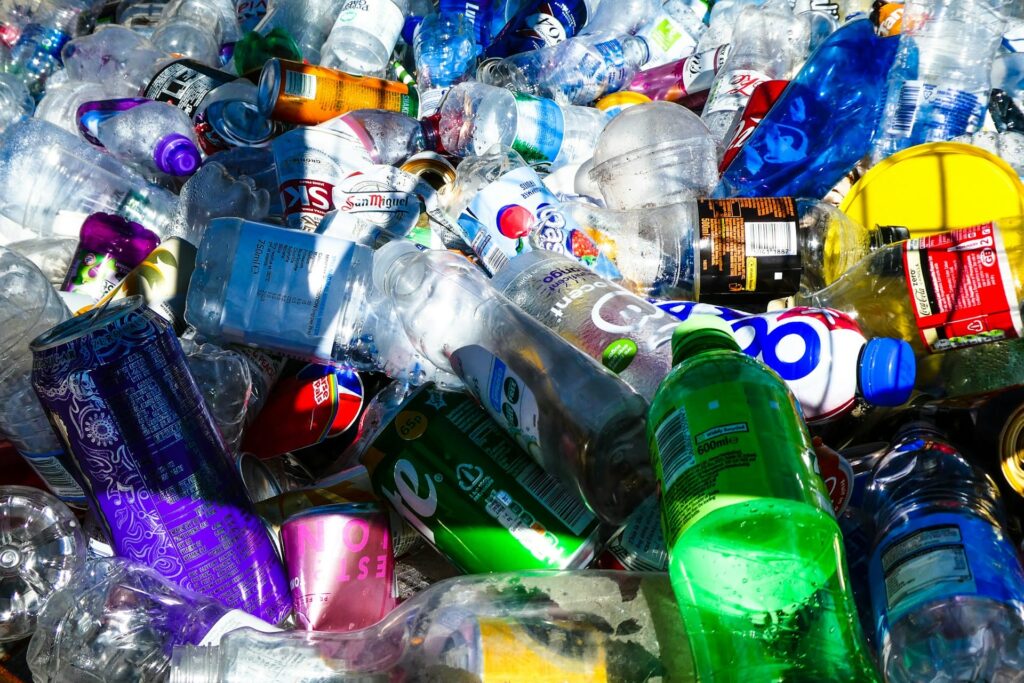
RPET is the recycled form of PET (Polyethylene Terephthalate) plastic. It is produced by taking post-consumer PET products, primarily plastic bottles and food containers, and transforming them back into a usable raw material. This process diverts plastic waste from landfills and oceans, giving it a new life and reducing the need for virgin plastic production.
The RPET Process: From Bottle to New Product
The journey from a used PET bottle or container to RPET typically involves several crucial steps, ensuring the material is clean and safe for new applications, including food contact:
- Collection: Used PET bottles, jars, and other containers are collected from households, recycling centers, and commercial establishments. Effective collection systems are vital for a robust recycling stream.
- Sorting: The collected plastics undergo rigorous sorting to separate PET from other types of plastics (like HDPE, PP, PS) and non-plastic contaminants (e.g., metal, glass). Advanced optical sorting technologies are often employed.
- Washing and Grinding: The sorted PET is thoroughly washed to remove labels, caps, and any residual food or beverage contents. It is then ground into small, clean flakes.
- Reprocessing (Pelletizing): The clean PET flakes are melted and extruded into uniform pellets. For food-grade RPET, an additional super-cleaning process is often applied to ensure purity and safety, meeting stringent regulatory standards.
- Manufacturing: These RPET pellets are then used as a raw material to manufacture a wide range of new products, often replacing or blending with virgin PET.
Benefits of Using RPET
The use of RPET offers significant environmental and economic advantages, contributing directly to a more sustainable future:
- Reduces Landfill Waste: Diverts millions of tons of plastic from landfills and incinerators, lessening environmental pollution and the demand for new landfill sites.
- Lowers Carbon Footprint: Manufacturing RPET uses significantly less energy (up to 75% less) and produces fewer greenhouse gas emissions compared to producing virgin PET from fossil fuels. This helps combat climate change.
- Conserves Resources: Reduces the reliance on finite fossil fuels (oil and natural gas) as raw materials, promoting resource efficiency.
- Promotes Circular Economy: Keeps valuable materials in circulation, reducing waste, maximizing resource efficiency, and creating a closed-loop system for plastics.
- Supports Sustainability Goals: Helps companies and consumers meet their environmental targets and demonstrates a commitment to corporate social responsibility.
- Economic Benefits: Creates jobs in the recycling industry and can lead to cost savings for manufacturers compared to fluctuating virgin material prices.
Common Uses of RPET
RPET is a versatile material that can be used in a variety of applications, often replacing virgin PET or other materials, with a growing presence in food packaging:
Food and Beverage Packaging
The ability to produce food-grade RPET has revolutionized sustainable packaging. It is increasingly used for:
- New Bottles and Containers: RPET is widely used to make new food and beverage bottles (e.g., water, soft drinks, juices) and jars, often blended with virgin PET. Many brands are committing to using a certain percentage of RPET in their packaging.
- Thermoformed Packaging: Trays and clamshells for fresh produce, baked goods, and ready-to-eat meals. Its clarity and barrier properties make it suitable for showcasing food products.
- Food-Grade Films: Used for various food wraps and flexible packaging applications.
Textiles
RPET is a popular choice for sustainable textiles1, known for its durability and performance:
- Polyester Fibers: RPET is spun into fibers for clothing (e.g., activewear, fleece jackets, swimwear), carpets, and upholstery. This gives plastic bottles a second life as wearable goods.
- Bags and Backpacks: Many eco-friendly bags, backpacks, and luggage items are made from RPET fabric.
Other Applications
- Strapping: Used for securing goods during transport and logistics.
- Automotive Parts: Components like car interiors, floor mats, and insulation.
- Construction Materials: Used in some building products, such as roofing materials and insulation.
- Consumer Goods: Various household items, furniture, and even some toys.
The Future of RPET and Recycling
The demand for RPET is growing rapidly as consumers and businesses become more environmentally conscious and regulations push for higher recycled content. Innovations in recycling technologies, such as chemical recycling (which breaks down plastic to its molecular level), are making it possible to produce even higher quality RPET, suitable for more demanding applications and a wider range of products.
Increased collection rates, improved sorting infrastructure, and greater consumer participation in recycling programs are crucial for further expanding the use of RPET and maximizing its environmental benefits. The commitment from major brands to incorporate RPET into their products is also driving significant growth in the market, making RPET a cornerstone of the circular economy for plastics.
RPET vs. Virgin PET
| Feature | Virgin PET | RPET (Recycled PET) |
|---|---|---|
| Raw Material | Crude oil and natural gas | Post-consumer PET plastic |
| Energy Use | Higher | Significantly lower (up to 75% less) |
| GHG Emissions | Higher | Significantly lower |
| Resource Depletion | Contributes to | Reduces |
| Quality | Consistent, high | Improving, can be comparable to virgin PET for many uses, especially food-grade |
| Environmental Impact | Higher | Significantly lower |
Conclusion
RPET is a testament to the power of recycling in creating a more sustainable future. By transforming used plastic bottles and containers into valuable new products, particularly in the critical sector of food packaging, RPET helps reduce waste, conserve resources, and lower environmental impact. As the circular economy gains momentum, RPET will continue to play a vital role in how we produce and consume materials, offering a clear path towards a more responsible and sustainable use of plastics.
- Discover how sustainable textiles made from RPET are reshaping the fashion industry and promoting eco-conscious choices. ↩︎