
As the world seeks more sustainable alternatives to traditional materials, sugarcane bagasse emerges as a remarkable solution. This fibrous residue, left over after sugarcane stalks are crushed to extract their juice, is often considered a waste product. However, innovative processes transform bagasse into a valuable resource, particularly for eco-friendly packaging and tableware. Discover how this agricultural byproduct offers a compelling path towards reducing our environmental footprint and embracing a circular economy.
What is Bagasse?
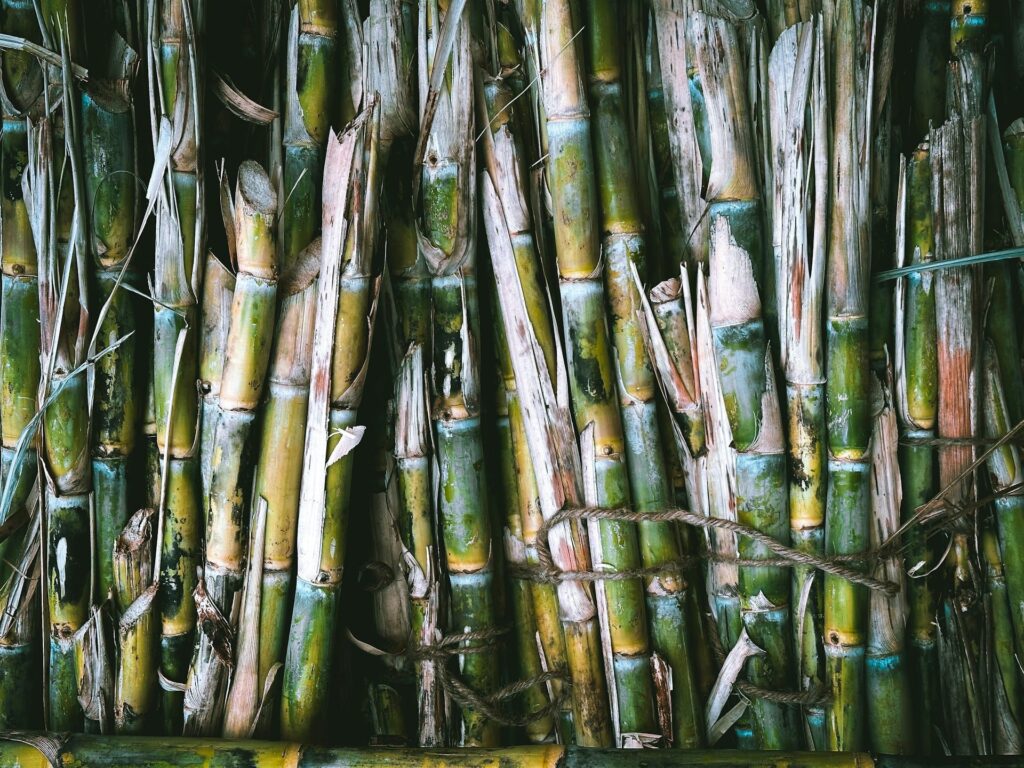
Bagasse is the dry pulpy fibrous residue that remains after sugarcane or sorghum stalks are crushed to extract their juice. Historically, sugar mills primarily used bagasse as a biofuel to power their operations. Today, its potential extends far beyond energy generation, offering a renewable and biodegradable alternative to plastics and paper made from virgin wood pulp.
From Waste to Resource
Instead of being discarded or simply burned, manufacturers collect and process bagasse. They clean, pulp, and then mold it into various shapes, creating durable and versatile products. This transformation significantly reduces agricultural waste and minimizes the demand for new raw materials.
Properties of Sugarcane Bagasse Products
Products made from sugarcane bagasse possess a range of beneficial properties that make them ideal for food service and packaging:
- Compostable and Biodegradable: Bagasse products naturally break down in commercial composting facilities, returning nutrients to the earth. This significantly reduces landfill waste.
- Renewable Resource: Sugarcane is a rapidly renewable crop, typically harvested annually. This makes bagasse a highly sustainable alternative to tree-based paper or petroleum-based plastics.
- Sturdy and Durable: Despite their natural origin, bagasse products are surprisingly strong and rigid. They hold their shape well, even with hot or wet foods.
- Microwave and Freezer Safe: You can safely use bagasse containers in both microwaves and freezers, offering convenience for food preparation and storage.
- Oil and Water Resistant: A natural coating or additive often makes bagasse products resistant to grease and moisture, preventing leaks and sogginess.
- Tree-Free: Using bagasse helps conserve forests by reducing the need for wood pulp in paper and packaging production.
Common Uses of Sugarcane Bagasse Products
Sugarcane bagasse has found widespread adoption in the food service and packaging industries, offering an eco-conscious choice for businesses and consumers alike:
Food Service Ware
Bagasse is an excellent material for disposable tableware, providing a sustainable option for restaurants, cafes, and catering services:
- Plates and Bowls: Sturdy and leak-resistant, perfect for meals and salads.
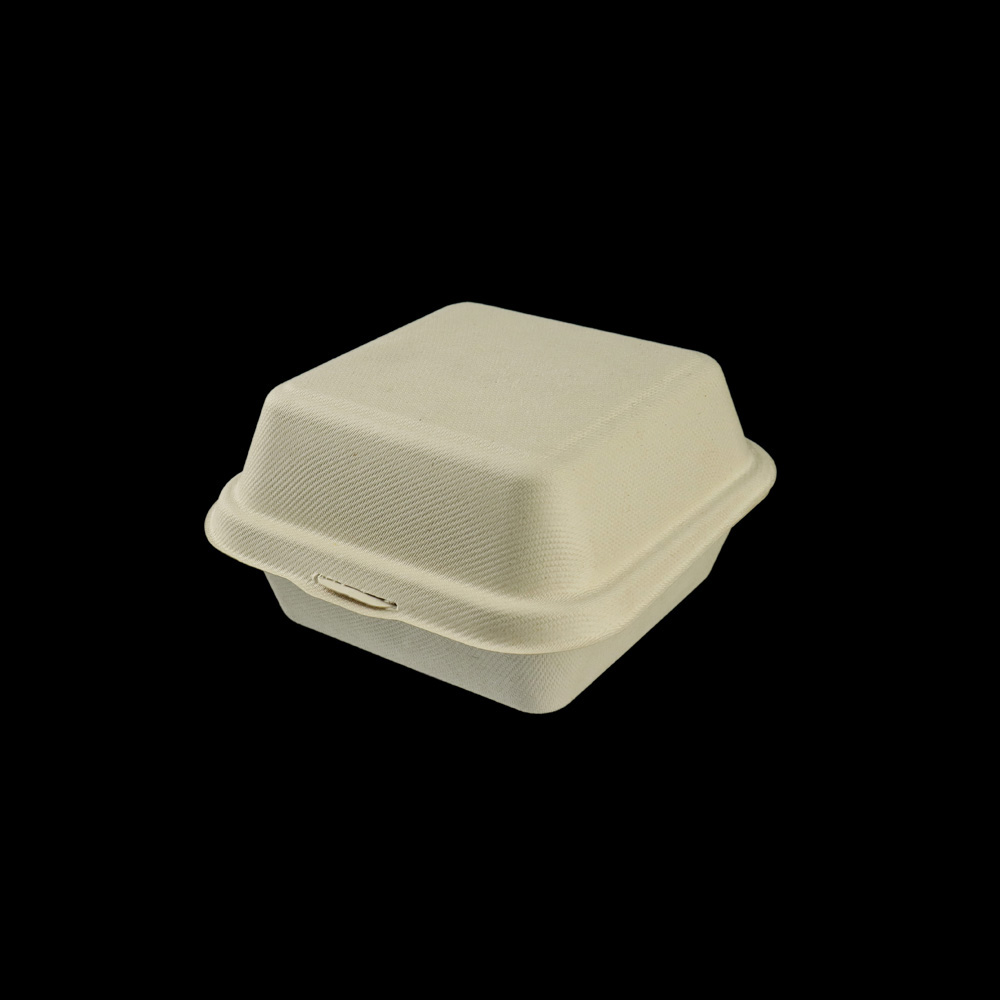
- Clamshell Containers: Ideal for takeout and delivery, keeping food secure and warm.
- Cups: Suitable for both hot and cold beverages.
- Trays: Used for serving food at events or in cafeterias.
Food Packaging
Beyond direct food service, bagasse also serves as a sustainable material for various food packaging applications:
- Produce Trays: Provides a breathable and protective environment for fruits and vegetables.
- Egg Cartons: Offers cushioning and protection for eggs.
- Bakery Boxes: A natural and appealing option for pastries and baked goods.
The Environmental Impact and Sustainability of Bagasse
Choosing sugarcane bagasse products directly contributes to environmental sustainability. By utilizing an agricultural byproduct, we reduce waste and lessen the demand for virgin resources. Furthermore, the compostability of bagasse ensures that these products do not linger in landfills for centuries, unlike conventional plastics. This closed-loop system supports a healthier planet and aligns with global efforts to minimize pollution and promote eco-friendly practices.
Bagasse vs. Other Materials
Let’s compare sugarcane bagasse with some common alternatives in food service and packaging:
| Feature | Sugarcane Bagasse | Plastic (e.g., PS, PP) | Paper (Virgin Pulp) | Foam (e.g., EPS) |
|---|---|---|---|---|
| Renewability | Highly Renewable | Non-renewable | Renewable (trees) | Non-renewable |
| Compostability | Yes (Commercial) | No | Some (if uncoated) | No |
| Biodegradability | Yes | No | Yes | No |
| Microwave Safe | Yes | Some | No | No |
| Freezer Safe | Yes | Yes | No | Yes |
| Tree-Free | Yes | N/A | No | N/A |
| Waste Reduction | High | Low | Moderate | Low |
Conclusion
Sugarcane bagasse represents a significant step forward in sustainable packaging and food service. This innovative use of an agricultural byproduct offers a compelling alternative to traditional materials, providing durable, versatile, and environmentally responsible products. By embracing bagasse, businesses and consumers actively participate in reducing waste, conserving natural resources, and fostering a more circular and sustainable economy for future generations.
Frequently Asked Questions (FAQ)
1. What is sugarcane bagasse packaging material?
Sugarcane bagasse packaging material is an eco-friendly packaging solution made from the fibrous residue left after extracting juice from sugarcane. This byproduct is processed and molded into various food containers, plates, bowls, and other packaging products.
2. Is sugarcane bagasse packaging biodegradable and compostable?
Yes, sugarcane bagasse packaging is 100% biodegradable and compostable. It typically breaks down within 60-90 days under commercial composting conditions, returning to the earth without leaving harmful residues.
3. Can bagasse packaging be used for hot and cold foods?
Absolutely. Sugarcane bagasse packaging is microwave-safe and freezer-safe, making it suitable for both hot foods (up to 120°C/248°F) and cold foods. It is also resistant to oil and water.
4. How does bagasse packaging compare to plastic or Styrofoam?
Unlike plastic and Styrofoam, bagasse packaging is renewable, sustainable, and non-toxic. It produces significantly lower carbon emissions during production and decomposes naturally, reducing landfill waste and environmental pollution.
5. What products can be made from sugarcane bagasse?
Common products include food containers, clamshell boxes, plates, bowls, trays, cups, and cutlery. These are widely used in restaurants, catering services, food delivery, and retail packaging.
6. Is bagasse packaging cost-effective for businesses?
While bagasse packaging may have a slightly higher upfront cost than traditional plastic, it offers long-term value through enhanced brand image, compliance with environmental regulations, and growing consumer preference for sustainable products.