
TL;DR: Sugarcane packaging is made from bagasse – the dry pulpy residue left after crushing sugarcane – which gets molded into various food containers and tableware through a heating and pressing process.
Snippet optimization answer: Sugarcane packaging refers to food service products manufactured from bagasse, the fibrous byproduct of sugarcane processing. The manufacturing begins with collecting bagasse from sugar mills, then washing and pulping it to create a fibrous slurry. This material gets blended with water and natural binding agents before being molded under heat and pressure into various food containers, plates, bowls, and clamshells. The resulting products are microwave-safe, leak-resistant, and commercially compostable, breaking down within 30-90 days in industrial composting facilities. This eco-friendly packaging solution repurposes agricultural waste that would otherwise be burned, reducing environmental pollution while providing businesses with sustainable food service options.
Understanding how this remarkable material transforms from agricultural byproduct to functional packaging reveals why it’s becoming a preferred choice for eco-conscious food businesses.
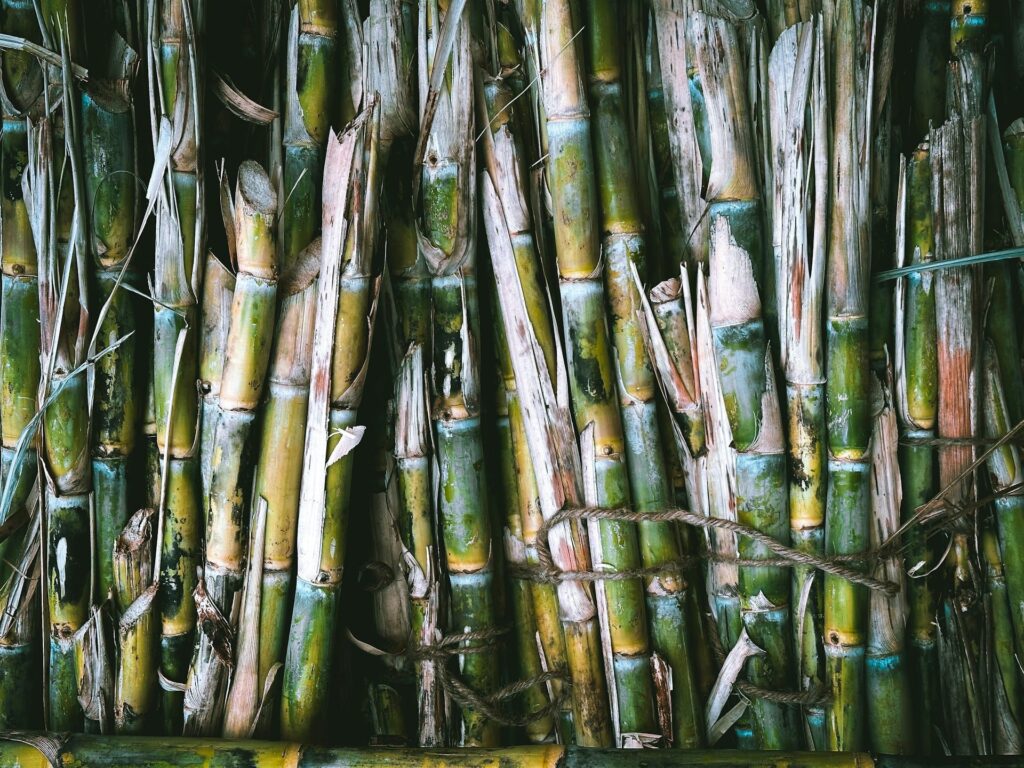
What Exactly Is Sugarcane Packaging?
Sugarcane packaging represents a circular economy solution that turns waste into value. After sugarcane is harvested for sugar production, approximately 30% of the plant remains as fibrous pulp called bagasse. Historically, this agricultural residue was often burned, creating air pollution. Now, manufacturers collect this material to create durable, compostable food packaging.
This innovative approach solves two problems simultaneously: it reduces agricultural waste while providing sustainable alternatives to petroleum-based plastics and styrofoam. The resulting packaging products include:
- Clamshell containers for takeout and delivery
- Plates and bowls for food service
- Trays for fresh produce packaging
- Cups and food boxes
How Is Sugarcane Packaging Manufactured?
The transformation from raw bagasse to finished packaging follows a carefully engineered process that maximizes sustainability at each step.
Step 1: Collection and Preparation
The manufacturing journey begins at sugar mills where sugarcane stalks are crushed to extract juice. The remaining dry, pulpy residue – bagasse – is collected and transported to packaging facilities. At these facilities, the raw bagasse undergoes thorough cleaning to remove any residual sugar, dirt, or impurities.
The cleaned fibers are then stored in controlled conditions to prevent degradation. Proper storage ensures the material maintains its quality before processing. This initial stage focuses on preparing pure, consistent raw material for the subsequent manufacturing steps.
Step 2: Pulping and Fiber Processing
Once cleaned, the bagasse enters a pulping process similar to paper manufacturing. The fibers are mixed with water and broken down into a slurry consistency. During this stage, natural binding agents might be added to enhance the material’s structural integrity.
The pulping process creates a homogeneous mixture that can be formed into various shapes. The fiber length and composition are carefully controlled to achieve the desired strength and flexibility in the final product. This attention to fiber processing distinguishes quality sugarcane packaging from inferior alternatives.
Step 3: Molding and Forming
The prepared pulp moves to molding machines where it takes its final form. Using heat and pressure, the material is shaped into specific food container designs. The temperature typically ranges between 160-200°C during this hydraulic pressing stage.
The molding process simultaneously forms the product and removes moisture, resulting in sturdy, ready-to-use packaging. Different mold designs create the diverse range of containers available in the market. This versatility allows businesses to find appropriate sugarcane packaging solutions for various food types.
Step 4: Quality Control and Finishing
After molding, each batch undergoes rigorous quality checks to ensure:
- Consistent thickness and strength
- Proper sizing and shape specifications
- Absence of contaminants
- Structural integrity for intended use
Products that pass inspection are trimmed of any excess material, which is typically recycled back into the production process. The finished items are then packaged for distribution, completing the transformation from agricultural byproduct to functional food packaging.
What Makes Sugarcane Packaging Different From Other Eco-Friendly Options?
Sugarcane packaging stands out in the sustainable packaging landscape for several reasons. Unlike materials that require dedicated agricultural land, bagasse utilizes existing waste streams. This gives it a significant advantage in resource efficiency compared to alternatives like corn-based plastics or bamboo packaging.
The production process consumes less energy than traditional paper manufacturing since the fibers require less processing than wood pulp. Additionally, sugarcane grows rapidly, absorbing significant amounts of carbon dioxide during its growth cycle. This carbon sequestration, combined with the avoidance of burning agricultural waste, creates a favorable carbon footprint.
When compared to other sustainable options, sugarcane packaging offers:
| Material | Production Energy | Composting Time | Food Safety |
|---|---|---|---|
| Sugarcane Bagasse | Low | 30-90 days | Excellent |
| PLA Plastic | Medium | 90-180 days | Good |
| Recycled Paper | Medium-High | 45-60 days | Good |
| Bamboo | Low-Medium | 60-120 days | Excellent |
Why Should Food Businesses Consider Sugarcane Packaging?
Food businesses exploring sustainable options find multiple advantages with sugarcane packaging. The material’s natural resistance to oils and liquids makes it suitable for a wide range of foods, from greasy takeout to moist bakery items. Its microwave-safe properties provide added convenience for consumers.
The sustainability story resonates with environmentally conscious customers, potentially enhancing brand perception. As municipalities and countries implement stricter regulations on single-use plastics, sugarcane packaging offers a compliant alternative that anticipates future regulatory trends.
Beyond environmental benefits, the practical advantages include:
- Excellent insulation properties keeping food hotter longer
- Sturdy construction that resists collapsing under weight
- Neutral appearance that presents food attractively
- Lightweight nature that reduces shipping costs
For a comprehensive look at how sugarcane packaging compares to other sustainable options and its business applications, our Ultimate Guide to Sugarcane Packaging for Food provides detailed comparisons and case studies.
Conclusion
Sugarcane packaging represents a smart convergence of sustainability and functionality. By transforming agricultural waste into valuable food service products, this innovative material closes the loop in food production systems. The manufacturing process efficiently converts bagasse into durable, compostable packaging through cleaning, pulping, and molding stages.
For food businesses, this packaging solution offers practical benefits while aligning with environmental values. As consumer preference shifts toward eco-friendly options and regulations increasingly favor compostable materials, sugarcane packaging provides a forward-looking solution that doesn’t compromise on performance.
FAQs
Is sugarcane packaging biodegradable?
Yes, sugarcane packaging is fully biodegradable and breaks down within 30-90 days in commercial composting facilities.
Can sugarcane packaging hold liquids?
Sugarcane packaging has excellent liquid resistance and can hold moist foods and beverages for several hours without leaking.
Is sugarcane packaging microwave-safe?
Most sugarcane packaging products are microwave-safe, but always check manufacturer specifications for temperature limits.
How does sugarcane packaging compare cost-wise to traditional options?
While typically more expensive than plastic foam, sugarcane packaging is competitively priced with other eco-friendly alternatives and costs are decreasing as production scales up.
Does producing sugarcane packaging require cutting down trees?
No, sugarcane packaging utilizes agricultural waste, so it doesn’t contribute to deforestation.
Where can I learn more about implementing sugarcane packaging in my business?
Our Ultimate Guide to Sugarcane Packaging for Food Businesses covers practical implementation strategies and supplier considerations.