
In an era defined by increasing environmental consciousness, businesses across all sectors are re-evaluating their operational practices, with packaging standing out as a key area for sustainable innovation. For B2B clients, particularly those in the food packaging industry, the shift towards eco-friendly solutions is not just a trend but a necessity. Among the myriad of options, kraft paper boxes consistently emerge as a frontrunner in sustainability. But what exactly makes them so environmentally friendly compared to other packaging materials? At Reliancepak, we believe in transparently showcasing the ecological benefits of our products. This blog post will delve into the core reasons why kraft paper boxes are a superior choice for a greener future.
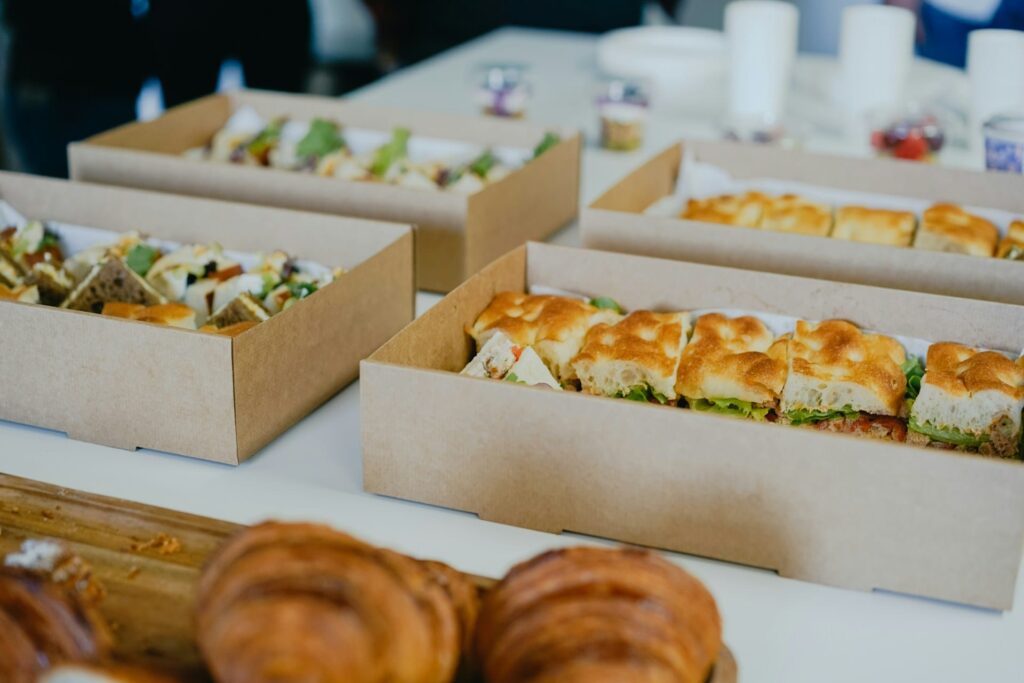
The Lifecycle of Kraft Paper: From Forest to Fiber
The eco-friendliness of kraft paper begins at its very source: trees. Unlike many other packaging materials that rely on finite resources, kraft paper is derived from wood pulp, a renewable resource when managed responsibly. The entire lifecycle, from sourcing to disposal, contributes to its sustainable profile.
Sustainable Sourcing and Renewable Resources
Kraft paper is primarily made from virgin wood fibers, often sourced from sustainably managed forests. These forests operate on a cycle of planting, growing, and harvesting, ensuring a continuous supply of raw material without depleting natural resources. This contrasts sharply with materials like plastics, which are predominantly derived from fossil fuels—a finite and non-renewable resource. The ability to regenerate the primary raw material is a fundamental aspect of kraft paper’s environmental advantage.
The Kraft Process: Efficiency and By-product Utilization
The kraft pulping process itself is remarkably efficient. It chemically separates cellulose fibers from lignin and other wood components. A significant environmental benefit of this process is its ability to recover and reuse most of the chemicals involved. Furthermore, the lignin and other organic by-products are often burned to generate energy, making the process largely self-sufficient in terms of energy consumption. This reduces reliance on external energy sources and minimizes waste generation during manufacturing.
Biodegradability and Compostability: Returning to Nature
One of the most compelling environmental benefits of kraft paper boxes is their ability to naturally decompose, integrating back into the ecosystem without causing long-term pollution.
Natural Decomposition
Uncoated kraft paper is fully biodegradable. When disposed of properly, it breaks down into organic matter, water, and carbon dioxide, enriching the soil rather than polluting it. This natural decomposition process typically occurs within a few months, a stark contrast to plastic, which can take hundreds of years to degrade and often breaks down into harmful microplastics. This rapid and natural breakdown significantly reduces landfill burden and environmental contamination.
Compostable Options
Many kraft paper boxes are also compostable, meaning they can be broken down in industrial or home composting facilities. This process turns the packaging into nutrient-rich compost, which can then be used to fertilize soil. For businesses aiming for a truly circular economy, compostable kraft paper packaging offers an ideal end-of-life solution, diverting waste from landfills and creating valuable resources. Reliancepak offers compostable kraft paper solutions that align with the highest environmental standards.
Recyclability and Circular Economy Contribution
Beyond biodegradability, the high recyclability of kraft paper is a cornerstone of its eco-friendly credentials, fostering a circular economy where materials are reused rather than discarded.
High Recycling Rates
Kraft paper is one of the most widely recycled materials globally. The infrastructure for paper recycling is well-established in many regions, making it easy for consumers and businesses to participate in recycling programs. The long fibers of kraft paper also mean it can be recycled multiple times, extending its life cycle and reducing the demand for virgin pulp. This high recyclability rate significantly reduces waste and conserves natural resources.
Reduced Virgin Material Demand
By incorporating recycled content into new kraft paper products, the demand for virgin wood fibers is reduced. This lessens the pressure on forests and decreases the energy and water required for manufacturing. Many of Reliancepak’s kraft paper products are made with a significant percentage of recycled materials, demonstrating our commitment to resource efficiency and sustainable practices.
Lower Carbon Footprint and Reduced Pollution
The environmental advantages of kraft paper extend to its overall carbon footprint and its impact on air and water quality.
Energy Efficiency and Emissions
Compared to the production of many plastics, the manufacturing of kraft paper generally requires less energy, especially when the process utilizes biomass energy from its own by-products. This leads to lower greenhouse gas emissions. Additionally, the transportation of paper products can be more carbon-efficient due to their often lighter weight and stackability, optimizing shipping space.
Reduced Chemical Use and Water Pollution
The kraft process, while chemical-based, has advanced significantly in terms of chemical recovery and wastewater treatment, minimizing its environmental impact. Furthermore, unlike some other paper bleaching processes, the unbleached nature of traditional kraft paper avoids the use of chlorine-based bleaches, which can be harmful to aquatic ecosystems. This results in less water pollution and a cleaner manufacturing process overall.
Comparison with Other Packaging Materials
To fully appreciate the eco-friendliness of kraft paper boxes, it’s helpful to compare them directly with other common packaging materials.
| Feature | Kraft Paper Boxes | Plastic Packaging | Glass Packaging | Metal Packaging |
|---|---|---|---|---|
| Resource Base | Renewable (wood pulp) | Non-renewable (fossil fuels) | Abundant (sand, soda ash, limestone) | Finite (ores) |
| Biodegradability | Yes | No (persists for centuries) | No | No |
| Compostability | Yes (uncoated/certified) | No | No | No |
| Recyclability | High, widely established infrastructure | Varies, complex infrastructure, lower rates | High, but energy-intensive | High, but energy-intensive |
| Carbon Footprint | Generally lower (especially with sustainable sourcing) | Higher (fossil fuel reliance, energy-intensive production) | High (energy-intensive melting) | High (energy-intensive mining and processing) |
| Weight | Lightweight | Lightweight to moderate | Heavy | Moderate |
| Water Use | Moderate (closed-loop systems improving) | Moderate to high | High (for melting and cooling) | Moderate to high |
Conclusion
Kraft paper boxes stand out as an exceptionally eco-friendly packaging solution due to their renewable resource base, efficient manufacturing process, biodegradability, compostability, and high recyclability. They offer a compelling alternative to traditional packaging materials, significantly reducing environmental impact throughout their lifecycle. For B2B clients seeking to enhance their sustainability profile and meet growing consumer demand for green products, choosing kraft paper is a strategic decision.
Reliancepak is proud to be at the forefront of sustainable packaging, offering a diverse range of high-quality kraft paper boxes that are not only environmentally responsible but also meet the rigorous demands of the food industry. By partnering with Reliancepak, you can ensure your products are packaged in solutions that reflect your commitment to a healthier planet, all while benefiting from our professional customization and fast delivery services. Make the switch to kraft paper and join us in building a more sustainable future.
FAQs
Q1: Is all kraft paper equally eco-friendly?
A1: While all kraft paper is generally more eco-friendly than plastic, its sustainability can vary based on sourcing (e.g., certified sustainable forests) and whether it contains recycled content or specific coatings.
Q2: How does the energy consumption for producing kraft paper compare to plastic?
A2: The production of kraft paper, especially when integrated with energy recovery from by-products, generally has a lower net energy consumption and carbon footprint compared to plastic manufacturing, which relies heavily on fossil fuels.
Q3: Can kraft paper boxes with food residues still be recycled?
A3: Lightly soiled kraft paper boxes may be recyclable, but heavily soiled or greasy ones might need to be composted or disposed of as general waste, depending on local recycling guidelines. Specialized coatings can also affect recyclability.
Q4: What certifications should I look for to ensure the eco-friendliness of kraft paper boxes?
A4: Look for certifications like FSC (Forest Stewardship Council) for sustainable forestry, Compostable certifications (e.g., BPI, DIN Certco), and indications of recycled content.
Q5: How does Reliancepak ensure the eco-friendliness of its kraft paper boxes?
A5: Reliancepak sources materials responsibly, offers products with recycled content, and provides options for biodegradable and compostable solutions, adhering to international environmental standards.