
Sushi trays are essential in commercial kitchens, ensuring sushi stays fresh, safe, and appealing. With raw ingredients and allergens involved, food safety standards are critical to protect customers and businesses. These standards cover materials, labeling, and hygiene, set by global regulators like the FDA and EU. Reliancepak offers sushi trays that meet these rigorous requirements, combining safety with eco-friendly designs. This blog uses a question-and-answer format to explore the food safety standards sushi trays must meet, helping restaurant owners comply with ease. Let’s dive into keeping your sushi safe and your kitchen thriving.
What Are the Core Food Safety Standards for Sushi Trays?
Sushi trays must meet strict standards to ensure food safety, focusing on materials and labeling. These rules, enforced by bodies like the FDA, EU, and FSANZ, prevent contamination and inform consumers.
What Materials Are Safe?
Trays must use food-grade materials1, like BPA-free plastic2 or compostable PLA, that don’t leach harmful chemicals. The FDA requires no migration of toxins, while the EU’s Regulation EC No 1935/2004 demands inert materials. Reliancepak’s trays are certified safe, offering options like sugarcane or bamboo.
Why Is Labeling Important?
Labels must list allergens (e.g., fish, soy), ingredients, and storage instructions. Clear labeling prevents allergic reactions, crucial since 1 in 13 U.S. kids has food allergies, per FoodDocs. Reliancepak provides customizable trays with compliant labels, ensuring safety and branding.
Why Are Food Safety Standards Crucial for Commercial Kitchens?
Food safety standards protect health and business viability. Non-compliant trays risk contamination, legal issues, and reputational damage.
What Health Risks Are at Stake?
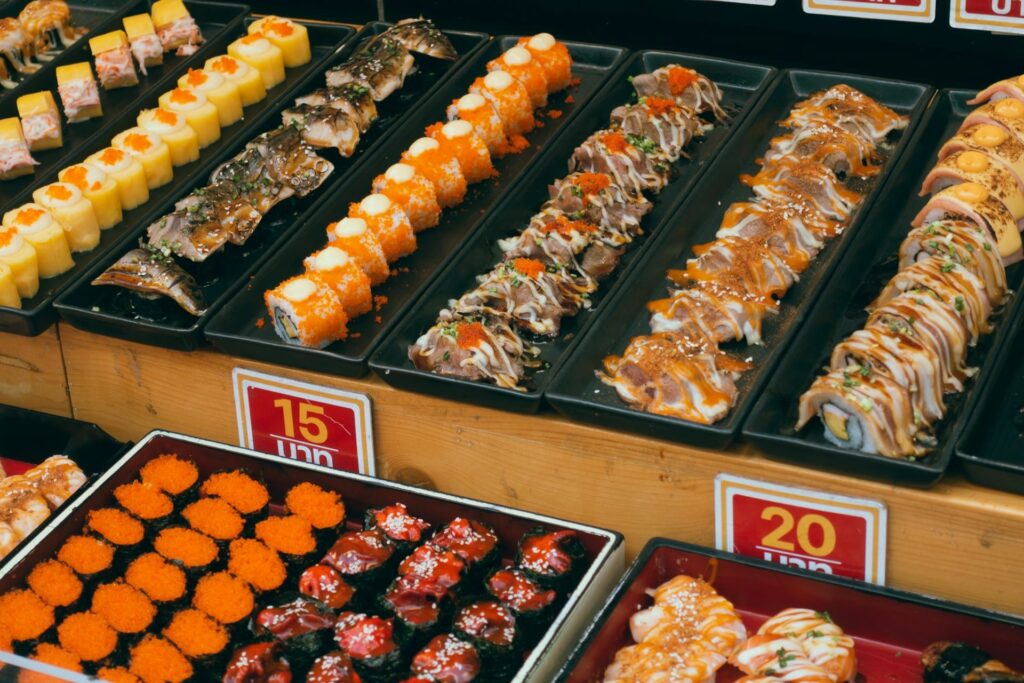
Sushi’s raw nature makes it vulnerable to bacteria. Globally, 600 million people suffer foodborne illnesses yearly, per the World Health Organization. Safe trays prevent chemical or microbial contamination, keeping customers healthy.
How Do Standards Protect Businesses?
Compliance avoids fines, recalls, or closures. A single incident can tarnish a restaurant’s reputation, deterring customers. Reliancepak’s certified trays reduce these risks, letting kitchens focus on quality sushi.
Which Materials Meet Food Safety Requirements for Sushi Trays?
Sushi trays come in various materials, each needing specific certifications to ensure safety.
What Are Common Safe Materials?
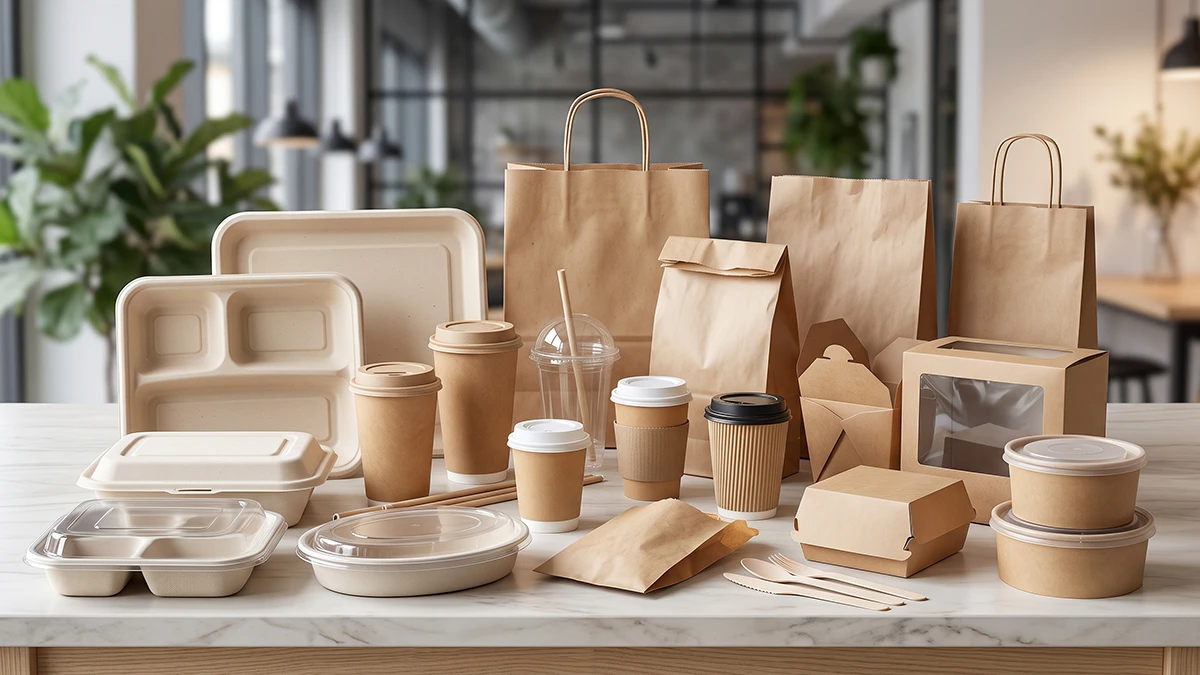
Plastic (polyethylene, PLA), paper (kraft with linings), sugarcane, and bamboo are popular. Each must meet FDA or EU standards to prevent chemical leaching. Reliancepak offers all these, tested for safety.
How Are Materials Certified?
Certifications like FDA approval or BPI for compostable PLA confirm safety. Bamboo requires food-safe treatments to avoid bacteria. Reliancepak’s rigorous testing ensures compliance across their tray range.
| Material Type | Safety Certification | Eco-Friendly? | Common Use Case |
|---|---|---|---|
| Plastic (PE/PP) | FDA Approval | No | Takeout |
| PLA (Compostable) | BPI Certification | Yes | Eco-friendly dining |
| Kraft Paper | Food-Grade Lining | Partially | Casual settings |
| Sugarcane Bagasse | FDA/EU Compliance | Yes | Catering |
| Bamboo | Food-Safe Treatment | Yes | Fine dining |
The above data is estimated and for reference only.
How Do Food Safety Standards Vary Globally?
Food safety rules differ across regions, impacting sushi tray requirements.
What Are U.S. Standards?
The FDA mandates non-toxic materials and detailed labels, including allergens and storage info. Trays must pass migration tests to ensure safety. Reliancepak’s FDA-certified trays meet these demands.
How Do EU and FSANZ Rules Compare?
The EU’s Regulation EC No 1935/2004 requires inert materials and multilingual labels. FSANZ emphasizes safe materials and clear instructions. Reliancepak’s trays are versatile, complying with all these standards.
How Does Reliancepak Ensure Compliance with Food Safety Standards?
Reliancepak makes compliance straightforward with high-quality sushi trays.
What Certifications Do They Offer?
Their trays are FDA- and EU-certified, using BPA-free plastics and compostable PLA. Each batch is tested to prevent chemical migration, ensuring safety.
How Do They Support Restaurants?
Reliancepak provides customizable labels for allergens and branding, plus free samples to test compliance. Their fast delivery from nine production lines keeps kitchens stocked. This makes Reliancepak a trusted partner.
What Benefits Do Compliant Sushi Trays Offer Restaurants?
Compliant trays deliver advantages for businesses and customers.
How Do They Help Businesses?
Compliance reduces legal risks and builds trust—70% of consumers prioritize safety. Safe trays also streamline regulatory checks. Reliancepak’s trays enhance operational efficiency.
What’s the Customer Impact?
Safe trays prevent contamination, and clear labels avoid allergic reactions. Customers enjoy peace of mind, boosting loyalty. Reliancepak’s eco-friendly designs add appeal.
What Are the Risks of Non-Compliant Sushi Trays?
Non-compliant trays can lead to serious consequences.
What Health and Legal Risks Exist?
Contaminated trays risk foodborne illnesses, with severe cases triggering lawsuits. Mislabeling can cause allergic reactions, a concern for kids with allergies. Legal fines can follow.
Can You Share Real Examples?
In 2021, a U.K. supplier recalled unsafe plastic trays, facing huge costs. Conversely, a U.S. chain using Reliancepak’s labeled trays avoided an allergy incident, earning praise. Compliance is critical.

How Are Food Safety Standards Evolving for Sushi Trays?
Food safety regulations are adapting to new challenges.
What New Regulations Are Emerging?
Bans on PFAS chemicals tighten material rules. Compostable trays are favored as sustainability grows. Reliancepak offers PLA trays to meet these trends.
How Is Technology Changing Standards?
QR codes on trays may soon link to safety info, enhancing transparency. Reliancepak is exploring such innovations to stay ahead.
How Can Restaurants Choose Compliant Sushi Trays?
Selecting safe trays involves clear steps.
What Should Restaurants Look For?
Check for FDA, EU, or BPI certifications. Match materials to your needs—plastic for takeout, bamboo for dining. Eco-options boost appeal.
How Can Reliancepak Help?
Reliancepak offers certified trays, free samples, and expert advice. Their customizable, fast-delivered trays ensure compliance and fit any kitchen.
| Selection Criteria | Key Consideration | Example Solution (Reliancepak) |
|---|---|---|
| Certification | FDA, EU, BPI | Certified trays |
| Material Type | Matches dining style | PLA, bamboo, plastic |
| Sustainability | Eco-friendly options | Compostable PLA |
| Customization | Branding and labeling | Custom logos, allergen labels |
| Testing | Sample trials | Free samples |
The above data is estimated and for reference only.
Conclusion
Sushi trays in commercial kitchens must meet stringent food safety standards to ensure customer health and business success. From FDA-approved materials to clear allergen labels, compliance prevents contamination and legal risks. With 600 million annual foodborne illnesses globally, safe trays are vital. Reliancepak delivers FDA- and EU-certified trays, offering eco-friendly, customizable solutions for every kitchen. By choosing compliant trays, restaurants protect customers, avoid penalties, and build trust. Explore Reliancepak’s range to keep your sushi safe and your reputation strong.