

Checking a food container bulk order before shipping involves a systematic verification of lead time adherence, structural packing integrity, and quality control (QC) metrics to ensure the final delivery matches approved samples and international safety standards. This final gatekeeping process prevents the arrival of defective goods that could stall your distribution network or compromise food safety for end-users.
You are likely managing a tight inventory schedule where a single late shipment or a batch of cracked containers can result in thousands of dollars in lost revenue. This high-pressure environment demands a reliable verification protocol before the goods leave the factory floor. By implementing the checks outlined in this guide, you can secure your supply chain and maintain the professional reputation your B2B clients demand. This approach integrates seamlessly with a broader food container bulk procurement strategy to maximize your operational efficiency.
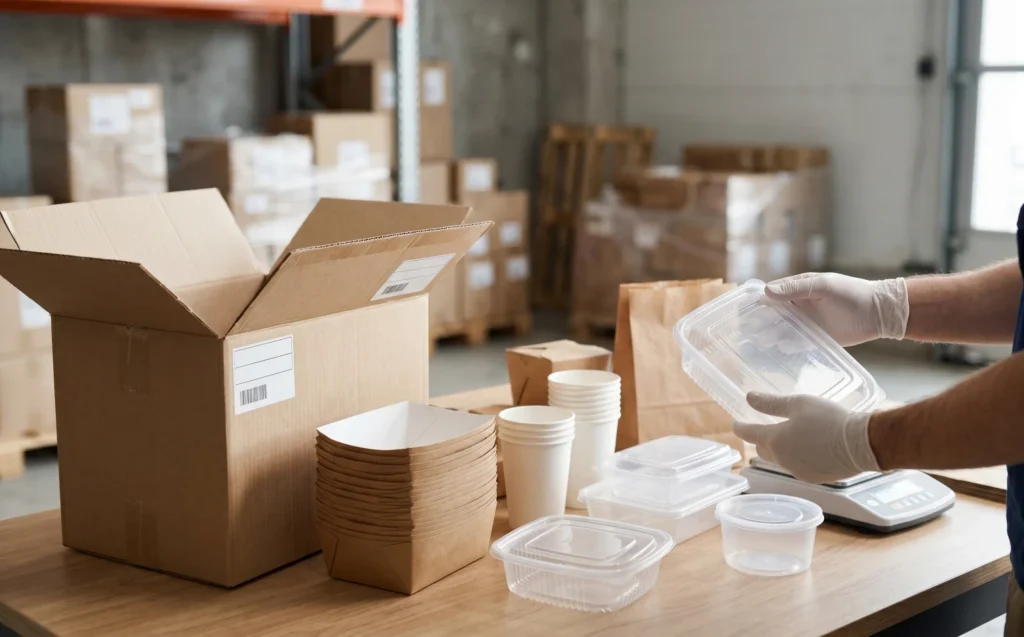
Why is lead time verification critical for food container bulk logistics?
Lead time verification ensures that the manufacturing phase aligns with your shipping windows to prevent expensive delays in reaching markets like the USA, Spain, or Malaysia. Adhering to the agreed-upon timeline allows you to manage cash flow effectively and meet the seasonal demands of your food service clients.
Monitoring Production Milestones
Here is the deal.
- Request a weekly production status report from the integrated supplier to track progress against the 9 production lines.
- Verify that the raw material procurement phase is finished within the first seven days of the order.
- Confirm that the packaging and palletization phase is scheduled at least three days before the container loading date.
- Use a digital tracking system or clear email confirmation to document any adjustments to the final dispatch date.
Impact of Delays on B2B Operations
Think about this.
- Late shipments often lead to missed ocean freight bookings, causing 7 to 14-day setbacks.
- Inconsistent lead times force you to carry higher safety stock, which increases your storage fees.
- Reliable delivery windows improve your negotiation leverage with local regional distributors.
| Logistics Factor | Target Performance | Risk of Failure |
| Production Completion | 100% by Day 20 | Stockout at Warehouse |
| Document Readiness | 48 hours before loading | Customs Clearance Delay |
| Booking Confirmation | 7 days before ETD | Increased Freight Costs |
Verification of the production timeline is the first step in ensuring your inventory remains stable and responsive to market shifts.
Key Takeaway: Consistent lead time auditing prevents supply chain bottlenecks and protects your financial liquidity.
How should you audit packing robustness for international transit?
Auditing packing robustness involves testing the strength of the double-walled cartons and the stability of the pallets to withstand the vertical pressure of a fully loaded shipping container. Professional packaging must protect the structural integrity of the plastic trays or paper boxes during thousands of miles of transit.
Structural Integrity Standards
Let’s look at the facts.
- Verify that the burst strength of the cartons meets international export standards for heavy-duty goods.
- Ensure that each carton is sealed with high-tensile tape to prevent accidental opening during manual handling.
- Confirm that moisture-proof liners are used inside the cartons to protect paper-based products from humidity.
- Check that the palletization includes corner protectors and sufficient stretch wrap to prevent shifting during sea motion.
Labeling and Identification
You should know.
- Each carton must display a clear barcode, batch number, and country of origin to facilitate fast warehouse check-ins.
- Verify that the shipping marks match your Bill of Lading exactly to avoid complications at customs.
- Ensure that fragile or “this side up” icons are visible on all four sides of the outer packaging.
| Packing Element | Specification | Purpose |
| Outer Carton | Double-walled Corrugated | Impact Resistance |
| Inner Liner | PE Plastic Bag | Moisture Barrier |
| Pallet Type | Plastic or Heat-treated Wood | Logistics Compliance |
Robust packing acts as the physical insurance for your investment, ensuring the product arrives in the same condition it left the factory.
Key Takeaway: Rigorous packing audits eliminate the risk of receiving damaged inventory that is unfit for retail or industrial use.
What QC metrics must be met for food grade compliance?
The final quality control metrics focus on verifying the gram weight, resin purity, and seal integrity of the food container bulk units against the approved golden sample. These tests confirm that the factory has not reduced material quality to save costs during the mass production run.
Physical Testing Protocols
Here is the truth.
- Perform a random gram weight check on 50 units per batch to ensure the wall thickness remains consistent.
- Conduct a snap-on test for lids to verify a leak-proof seal that meets the needs of food delivery services.
- Check the clarity of PET items to ensure no cloudiness or yellowing has occurred during the molding process.
- Verify the heat resistance of PP containers by simulating a high-temperature food contact scenario.
Certification and Documentation Review
You might also consider.
- Request the latest batch-specific test report showing compliance with FDA or EU 10/2011 standards.
- Confirm that the resin used is 100% virgin food-grade material as per the original purchase agreement.
- Ensure that the factory’s ISO 9001 and BSCI certifications are valid and cover the specific production period.
| QC Parameter | Pass Criteria | Business Impact |
| Gram Weight | ±0.5g variance | Stackability & Strength |
| Leak Test | Zero fluid escape | End-user Satisfaction |
| Visual Check | No burrs or sharp edges | Consumer Safety |
Meeting these technical metrics ensures that every unit you distribute is safe, functional, and compliant with global regulations.
Key Takeaway: Technical QC verification provides the data-driven evidence needed to authorize the final payment and shipment.
Conclusion
Reliancepak provides a stable supply of food-grade packaging with the speed and professional service your business requires. Our integrated manufacturing and trading model ensures that every food container bulk order undergoes a strict pre-shipment audit of lead times, packing, and quality. Contact us today to discuss how we can help you secure a reliable and compliant packaging supply chain for your wholesale needs.
We believe that reliable, safe, and sustainable packaging is the foundation of a successful global food supply chain.
FAQ
Can I request a third-party inspection before shipping?
Yes. Professional manufacturers allow you to hire agencies like SGS or TUV to perform an independent audit of the goods before the final balance is paid.
Is it possible to adjust the packing style for my specific warehouse?
Yes. You can specify the number of units per bag or the dimensions of the pallets to match your local racking system and logistics equipment.
Does the lead time include the shipping duration?
No. Lead time usually refers to the period from the receipt of the deposit to the moment the goods are ready for loading at the factory.
How do I handle a QC failure found during the inspection?
Yes, you should immediately document the failure and require the factory to replace the defective units or offer a discount before the shipment leaves.
Are shipping marks mandatory for bulk orders?
Yes. Clear and accurate shipping marks are required by most international ports to identify the cargo and facilitate safe handling and sorting.