TL;DR: Optimize your bulk order of disposable food containers by mastering material choices, color options, thickness, hardness, and other key parameters to ensure durability, cost efficiency, and brand alignment.
Customizing disposable food containers in bulk? You need a clear guide to avoid costly mistakes. Here’s a concise, data-backed breakdown: Material is critical—PP (polypropylene) handles hot foods up to 160°C but costs 20% more than PS (polystyrene), which is brittle for heavy meals. Color customization boosts brand visibility but adds 15% to costs if using Pantone shades. Thickness between 0.4–0.6mm prevents leaks for soups yet keeps weights low. Hardness must match food type; softer plastics suit desserts while harder ones resist crushing for delivery. Also consider size uniformity for logistics and eco-options like PLA for sustainability. Always test samples first to align with your needs. This approach ensures reliable performance without budget overruns.
Ready to cut through the noise? Let’s unpack each parameter step by step so you can order with confidence.
Why Material Choice Decides Your Container’s Success
Selecting the right plastic material is your foundation. Different resins impact heat resistance, eco-friendliness, and cost significantly. For example, PP is food-safe and ideal for hot meals like chilies. It withstands 100°C+ without warping but costs more. Conversely, PS is clear and cheap for salads but cracks easily under pressure. PLA offers compostable options but degrades faster in humidity. Each has trade-offs you must weigh.
| Material | Pros | Cons | Best For |
|---|---|---|---|
| PP | High heat resistance (up to 160°C), durable, recyclable | 20–25% pricier than PS | Hot soups, stews, microwavable meals |
| PS | Low cost, transparent for product visibility | Brittle; breaks if dropped | Cold salads, bakery items |
| PLA | Compostable, reduces waste | Higher cost; sensitive to moisture | Eco-focused brands, short-shelf-life foods |
Testing materials with your actual product prevents surprises. You might need PP for coffee shops but PS for grab-and-go snacks.
How Color Options Affect Branding and Costs
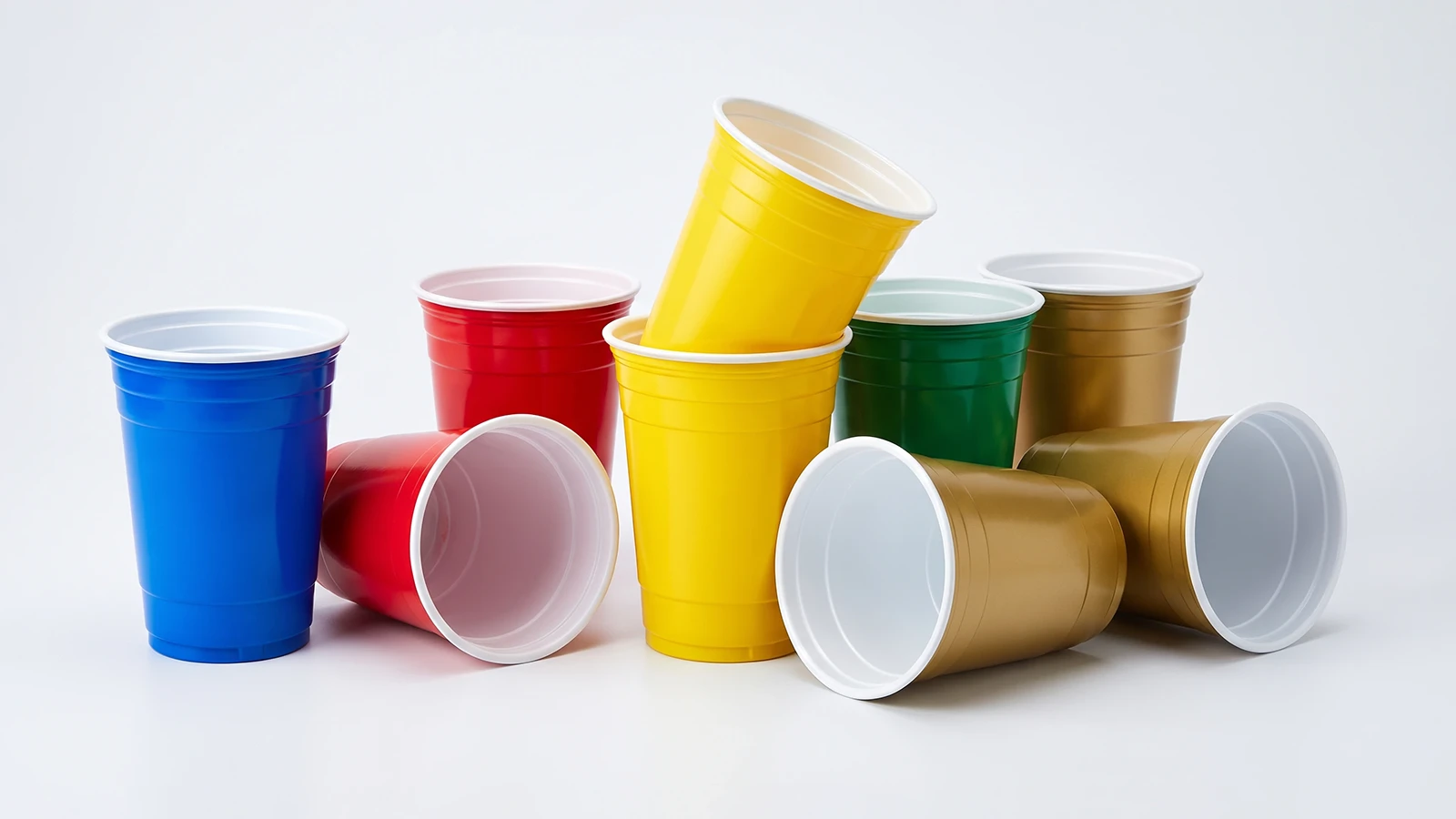
Your container’s color isn’t just cosmetic—it shapes customer perception. Standard whites or transparent finishes keep costs minimal, often adding no extra fees. But custom colors like branded Pantone shades elevate recognition. They could increase unit costs by 10–15% due to complex dyeing processes. Always request physical swatches; digital previews often misrepresent shades.
Bright colors attract attention in retail settings. However, darker hues absorb more heat during shipping. This may deform containers if loaded under the sun. For cost-sensitive bulk orders, stick to one or two colors. You’ll balance visual appeal without budget strain. Remember, food containers shouldn’t distract from your product. Keep it simple unless branding is a priority.
Why Thickness Is Your Non-Negotiable for Leak Prevention
Thickness directly controls leak risks and material use. Most food containers range from 0.3mm to 0.7mm. Thinner versions (0.3–0.4mm) work for dry snacks but fail with liquids. A standard thickness of 0.4–0.5mm handles broths reliably yet keeps shipping weights low. Going thicker (0.6mm+) adds durability for heavy meals but spikes costs by 15–20%.
Measurement matters here. Use calipers to verify thickness during QA checks. Uniformity prevents weak spots. For sauces or oily foods, target 0.5mm to avoid breaches. Bulk orders often cut corners here. Don’t let your supplier skip testing. One leaky batch can ruin your customer trust overnight. Thickness is small but mighty—get it right.
What Hardness Levels Match Your Food Type
Hardness—measured in Shore D—determines how containers handle pressure. Soft plastics (Shore D 60–70) cradle delicate desserts without marring them. Harder versions (Shore D 75–85) resist crushing during delivery for entrees. PP sits around 75 Shore D, making it versatile. PS is harder at 80+ but snaps under stress.
Food type dictates your choice. For whipped cream cakes, softer materials prevent damage. For takeout stir-fries, harder plastics stack securely. Always simulate real-world handling. You could do a simple test: press your thumb firmly; if it dents deeply, it’s too soft. Hardness affects recycling too. Softer plastics may not sort correctly in facilities. Match this to your operational needs.
Should You Add Printing and Shape Customization?
Beyond basics, printing and shape offer branding opportunities. Simple logos via flexo printing add $0.02–$0.05 per unit. Full-color digital options cost 25% more but stand out. Shapes like square bases improve stability in delivery, while rounded edges reduce material use. Custom molds for unique designs need upfront tooling fees—$1,500+ but amortized over large orders.
Eco-features like message imprints (“Compost Me”) build goodwill. Verify if inks are food-safe to avoid regulations. For bulk runs, keep shapes standardized; it streamlines manufacturing. Unusual designs often delay production by weeks. Ask suppliers about multi-cavity molds to save costs. This step is optional but impactful for brand loyalty.
Conclusion
Customizing disposable food containers in bulk demands smart parameter management. Prioritize materials like PP for hot foods or PLA for sustainability. Standard colors and mid-range thickness often balance cost and performance. Test samples rigorously to avoid operational hiccups. By focusing on these factors, you’ll gain reliable packaging that boosts customer satisfaction without overspending.
Frequently Asked Questions
What is the most cost-effective material for disposable food containers?
PP is durable but costly; PS is cheaper for cold items. Your volume and food type affect savings.
How thin can disposable containers be without leaking?
Aim for 0.4–0.5mm for liquids. Thinner risks leakage; thicker increases costs unnecessarily.
Do custom colors affect container recyclability?
Yes—they may complicate sorting. Use eco-friendly inks if recyclability is a priority.
Can hardness levels prevent damage during shipping?
Often yes. Harder plastics (Shore D 75+) withstand stacking pressure better for long hauls.
Are bulk discounts available for standard container sizes?
Typically yes. Standard sizes like 500ml cuts costs 10–15% compared to custom shapes.
How do eco-materials like PLA impact container strength?
PLA is weaker than PP in humidity. Test it for your specific food to avoid deformation.
Meta Description
Customize disposable food containers for bulk orders. Learn material, color, thickness & hardness tips to avoid leaks and boost ROI. Trusted guide for B2B buyers.