
Recycling plastic containers is a critical step in reducing environmental impact. However, navigating the world of plastic recycling can be confusing. Not all plastics are created equal, and recycling processes vary by location. At Reliancepak, we’re dedicated to providing sustainable packaging solutions, and understanding plastic recycling is a vital part of that mission. This guide will break down the different types of plastic containers and which ones are commonly recyclable.
Why is Recycling Plastic Containers Important?
Before diving into the specifics, let’s highlight the importance of recycling plastic containers:
- Reduces Landfill Waste: Plastic takes hundreds of years to decompose. Recycling diverts plastic from landfills, extending their lifespan.
- Conserves Natural Resources: Manufacturing new plastic requires extracting fossil fuels. Recycling reduces the demand for virgin plastic, conserving these resources.
- Lowers Energy Consumption: Recycling plastic uses less energy than producing it from raw materials.
- Reduces Pollution: Plastic production releases harmful pollutants into the air and water. Recycling helps minimize this pollution.
- Protects Wildlife: Plastic waste can harm marine life and other animals. Recycling helps prevent plastic from entering the environment.
- Supports a Circular Economy: Recycling promotes a circular economy where materials are reused and repurposed, reducing waste and resource depletion.
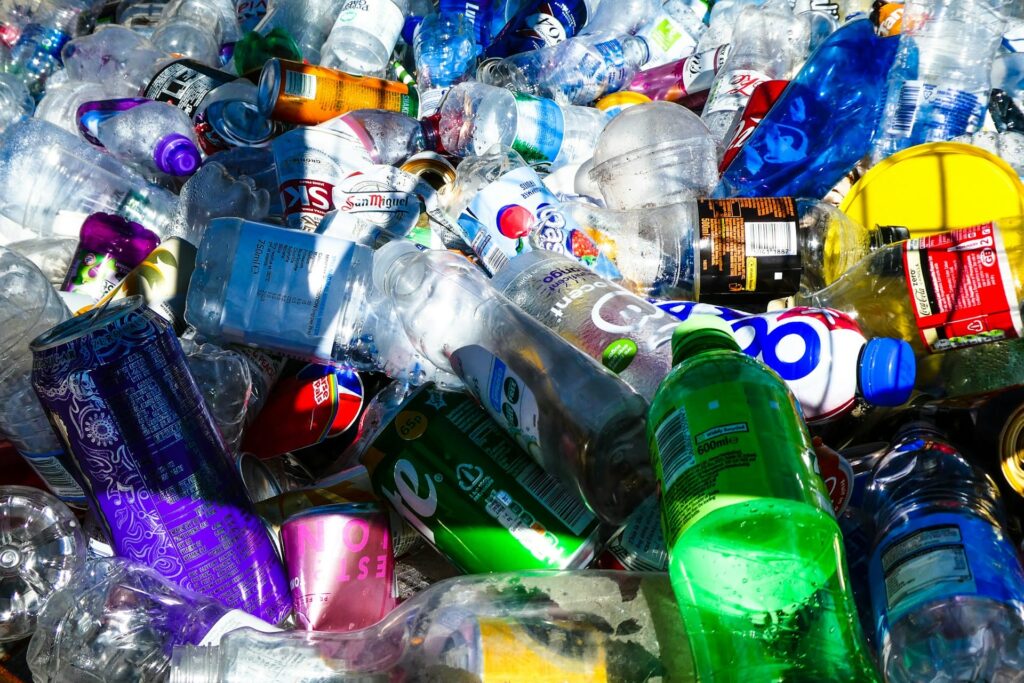
What are the Different Types of Plastic Containers? Understanding Resin Identification Codes
Plastic containers are typically labeled with a Resin Identification Code (RIC), a number from 1 to 7 inside a triangle. This code identifies the type of plastic resin used to make the container. Understanding these codes is crucial for determining recyclability.
1: PET or PETE (Polyethylene Terephthalate)
- Common Uses: Water bottles, soda bottles, food jars, salad dressing containers, peanut butter jars.
- Recyclability: Widely recycled.
- Characteristics: Clear, strong, lightweight, and often used for beverages and food packaging. One of the most commonly recycled plastics.
- Recycled Into: New beverage bottles, fleece clothing, carpet, furniture, strapping, and other plastic products.
2: HDPE (High-Density Polyethylene)
- Common Uses: Milk jugs, detergent bottles, shampoo bottles, yogurt tubs, butter tubs, motor oil bottles.
- Recyclability: Widely recycled.
- Characteristics: Rigid, strong, and resistant to chemicals. Often used for containers that need to hold liquids or chemicals.
- Recycled Into: Laundry detergent bottles, plastic lumber, piping, rope, toys, and recycling bins.
3: PVC or V (Polyvinyl Chloride)
- Common Uses: Pipes, siding, shower curtains, some food wrap, shampoo bottles (less common now).
- Recyclability: Rarely recycled.
- Characteristics: Rigid or flexible, durable, and resistant to chemicals and weather.
- Environmental Concerns: Contains chlorine, which can release harmful chemicals during production and disposal.
- Recycled Into: Flooring, speed bumps, and cables (very limited).
4: LDPE (Low-Density Polyethylene)
- Common Uses: Plastic bags, grocery bags, cling wrap, squeezable bottles (e.g., mustard, honey), some container lids.
- Recyclability: Recycling is increasing, but not as widely recycled as #1 and #2.
- Characteristics: Flexible, soft, and often used for films and bags.
- Recycled Into: Trash can liners, plastic lumber, compost bins, and shipping envelopes.
5: PP (Polypropylene)
- Common Uses: Yogurt containers, margarine tubs, medicine bottles, ketchup bottles, disposable cups, some food storage containers.
- Recyclability: Increasingly recycled.
- Characteristics: Rigid, strong, heat-resistant, and resistant to chemicals.
- Recycled Into: Battery cases, brooms, brushes, ice scrapers, and bicycle racks.
6: PS (Polystyrene)
- Common Uses: Disposable cups, plates, cutlery, meat trays, egg cartons, and packing peanuts.
- Recyclability: Difficult to recycle and often not accepted in curbside programs.
- Characteristics: Lightweight, brittle, and can be foamed (Styrofoam).
- Environmental Concerns: Can leach styrene, a potential carcinogen. Difficult to recycle and often ends up in landfills.
- Recycled Into: Insulation, rulers, and foam packaging (very limited).
7: Other (Includes various plastics such as Polycarbonate, Acrylic, Nylon, and Bioplastics)
- Common Uses: Water cooler bottles, baby bottles, some food containers, and electronic components.
- Recyclability: Rarely recycled due to the mix of different plastics.
- Characteristics: Varies depending on the type of plastic.
- Includes: Bioplastics like PLA (Polylactic Acid), which are compostable in industrial facilities.
- Recycled Into: Depends on the specific plastic in the #7 category, but often not recycled.
Here’s a table summarizing the recyclability of different plastic types:
| Resin Identification Code | Plastic Type | Common Uses | Recyclability | Recycled Into |
|---|---|---|---|---|
| 1 | PET or PETE | Water bottles, soda bottles, food jars | Widely Recycled | New beverage bottles, fleece clothing, carpet |
| 2 | HDPE | Milk jugs, detergent bottles, shampoo bottles | Widely Recycled | Laundry detergent bottles, plastic lumber, piping |
| 3 | PVC or V | Pipes, siding, shower curtains | Rarely Recycled | Flooring, speed bumps, cables (very limited) |
| 4 | LDPE | Plastic bags, grocery bags, cling wrap | Recycling Increasing (but not as widespread as #1 and #2) | Trash can liners, plastic lumber, compost bins |
| 5 | PP | Yogurt containers, margarine tubs, medicine bottles | Increasingly Recycled | Battery cases, brooms, brushes, ice scrapers |
| 6 | PS | Disposable cups, plates, cutlery, meat trays, packing peanuts | Difficult to Recycle, Often Not Accepted in Curbside Programs | Insulation, rulers, foam packaging (very limited) |
| 7 | Other (including Bioplastics) | Water cooler bottles, baby bottles, some food containers, electronic components | Rarely Recycled (Depends on the specific plastic in the category) | Depends on the specific plastic, but often not recycled |
Note: Recyclability can vary depending on your local recycling program.
What Factors Determine Whether a Plastic Container Can Be Recycled?
Even if a plastic container is made from a recyclable type of plastic, several factors can affect its recyclability:
- Local Recycling Programs: Recycling programs vary widely from city to city and region to region. Some programs accept a wider range of plastics than others. Check with your local waste management authority to see which plastics are accepted in your area.
- Contamination: Food residue, liquids, and other contaminants can make plastic containers unrecyclable. Always rinse and clean plastic containers before placing them in the recycling bin.
- Color: Some recycling facilities have difficulty processing colored plastics, particularly black plastic.
- Size and Shape: Small or oddly shaped plastic items can be difficult to sort and process.
- Market Demand: The demand for recycled plastic affects which plastics are recycled. If there’s no market for a particular type of recycled plastic, it may not be recycled.
- Additives: Certain additives in plastic, such as flame retardants, can make them difficult or impossible to recycle.
- Labels and Adhesives: Some labels and adhesives can interfere with the recycling process.
How Can I Determine If a Plastic Container is Recyclable in My Area? A Step-by-Step Guide
Follow these steps to determine if a plastic container is recyclable in your area:
- Check the Resin Identification Code: Look for the number inside the triangle on the bottom of the container.
- Consult Your Local Recycling Program: Visit your local waste management authority’s website or call them directly to see which plastics they accept.
- Look for Specific Instructions: Pay attention to any specific instructions, such as whether to remove lids or labels.
- Rinse and Clean: Always rinse and clean plastic containers before recycling them.
- When in Doubt, Throw it Out: If you’re unsure whether a plastic container is recyclable, it’s better to throw it in the trash than to contaminate the recycling stream.
Common Misconceptions About Plastic Container Recycling
- Myth: All plastics with a recycling symbol are recyclable.
- Reality: The recycling symbol only indicates the type of plastic resin. It doesn’t guarantee that the container is recyclable in your area.
- Myth: If I put a plastic container in the recycling bin, it will definitely be recycled.
- Reality: Contamination, lack of market demand, and other factors can prevent a plastic container from being recycled.
- Myth: All plastic bags are recyclable.
- Reality: Most curbside recycling programs don’t accept plastic bags. However, many grocery stores offer plastic bag recycling programs.
- Myth: Black plastic is always recyclable.
- Reality: Black plastic is often difficult to sort and may not be accepted in some recycling programs.
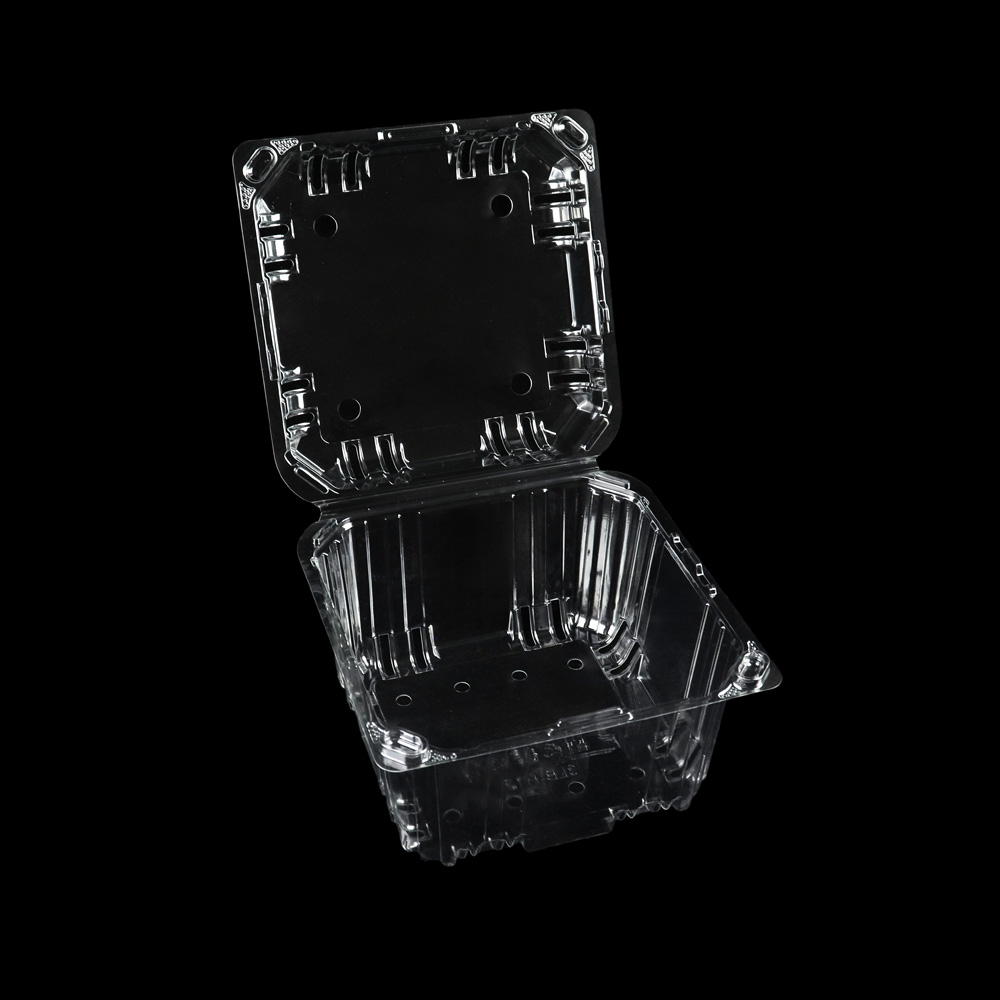
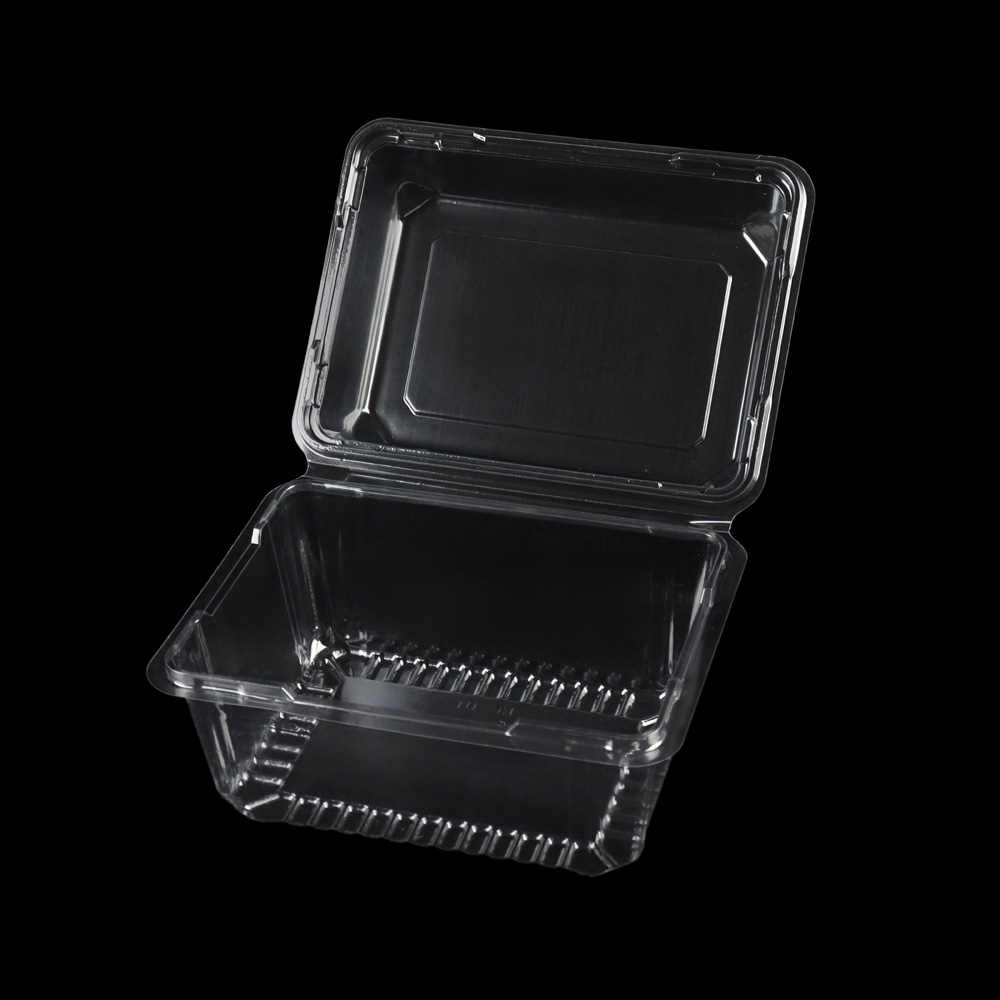
The Role of Reliancepak in Promoting Sustainable Plastic Container Use
At Reliancepak, we’re committed to promoting sustainable packaging solutions. This includes:
- Offering Recyclable Plastic Containers: We provide a range of plastic containers made from recyclable materials like PET and HDPE.
- Developing Innovative Packaging Materials: We’re constantly researching and developing new packaging materials that are more sustainable and environmentally friendly.
- Promoting Recycling Education: We educate our customers and the public about the importance of recycling and how to properly recycle plastic containers.
- Partnering with Recycling Organizations: We collaborate with recycling organizations to improve recycling infrastructure and promote recycling initiatives.
- Designing for Recyclability: We design our packaging to be easily recyclable, with features like easily removable labels and minimal use of additives.
The Future of Plastic Container Recycling: Trends and Innovations
The field of plastic container recycling is constantly evolving. Here are some key trends and innovations:
- Advanced Recycling Technologies1: New technologies, such as chemical recycling, are being developed to recycle plastics that are difficult to recycle using traditional methods.
- Increased Use of Recycled Content: Manufacturers are increasingly using recycled plastic in their products, creating a demand for recycled materials.
- Extended Producer Responsibility (EPR) Programs: EPR programs hold manufacturers responsible for the end-of-life management of their products, incentivizing them to design for recyclability and support recycling infrastructure.
- Bioplastics and Compostable Plastics: Increased development and use of bioplastics and compostable plastics, which offer more sustainable alternatives to traditional plastics.
- Improved Sorting Technologies2: Advances in sorting technologies are making it easier to sort and recycle a wider range of plastics.
- Standardized Recycling Programs: Efforts to standardize recycling programs across different regions are making it easier for consumers to recycle properly.
How Can Consumers Help Improve Plastic Container Recycling? Practical Tips
Here are some practical tips for consumers to improve plastic container recycling:
- Know Your Local Recycling Rules: Familiarize yourself with your local recycling program’s guidelines.
- Rinse and Clean Containers: Always rinse and clean plastic containers before recycling them.
- Remove Lids and Labels: Remove lids and labels if instructed by your local recycling program.
- Separate Plastic Bags: Don’t put plastic bags in your curbside recycling bin. Recycle them at designated drop-off locations.
- Avoid Contamination: Keep non-recyclable items out of the recycling bin.
- Spread the Word: Educate your friends and family about proper recycling practices.
- Support Sustainable Products: Choose products packaged in recyclable or sustainable materials.
- Reduce Your Plastic Consumption: Reduce your reliance on single-use plastic containers by using reusable alternatives.
Conclusion: Making a Difference Through Responsible Plastic Container Recycling
Recycling plastic containers is a crucial step in protecting our environment and conserving natural resources. By understanding the different types of plastics, following local recycling guidelines, and promoting sustainable practices, we can all make a difference. At Reliancepak, we’re committed to providing sustainable packaging solutions and supporting efforts to improve plastic container recycling. Together, we can create a more circular and sustainable economy.
FAQ: Your Plastic Container Recycling Questions Answered
- Q: What does the number inside the triangle on a plastic container mean?
- A: It’s the Resin Identification Code (RIC) and indicates the type of plastic resin used to make the container.
- Q: Are all plastic containers with a recycling symbol recyclable?
- A: No. The symbol only indicates the type of plastic. Recyclability depends on your local recycling program.
- Q: Why is it important to rinse plastic containers before recycling them?
- A: Food residue and other contaminants can make plastic containers unrecyclable.
- Q: What should I do with plastic bags?
- A: Don’t put plastic bags in your curbside recycling bin. Recycle them at designated drop-off locations at grocery stores.
- Q: How can I find out what plastics are accepted in my local recycling program?
- A: Visit your local waste management authority’s website or call them directly.
This comprehensive guide aims to provide you with the knowledge and tools you need to recycle plastic containers responsibly and contribute to a more sustainable future!