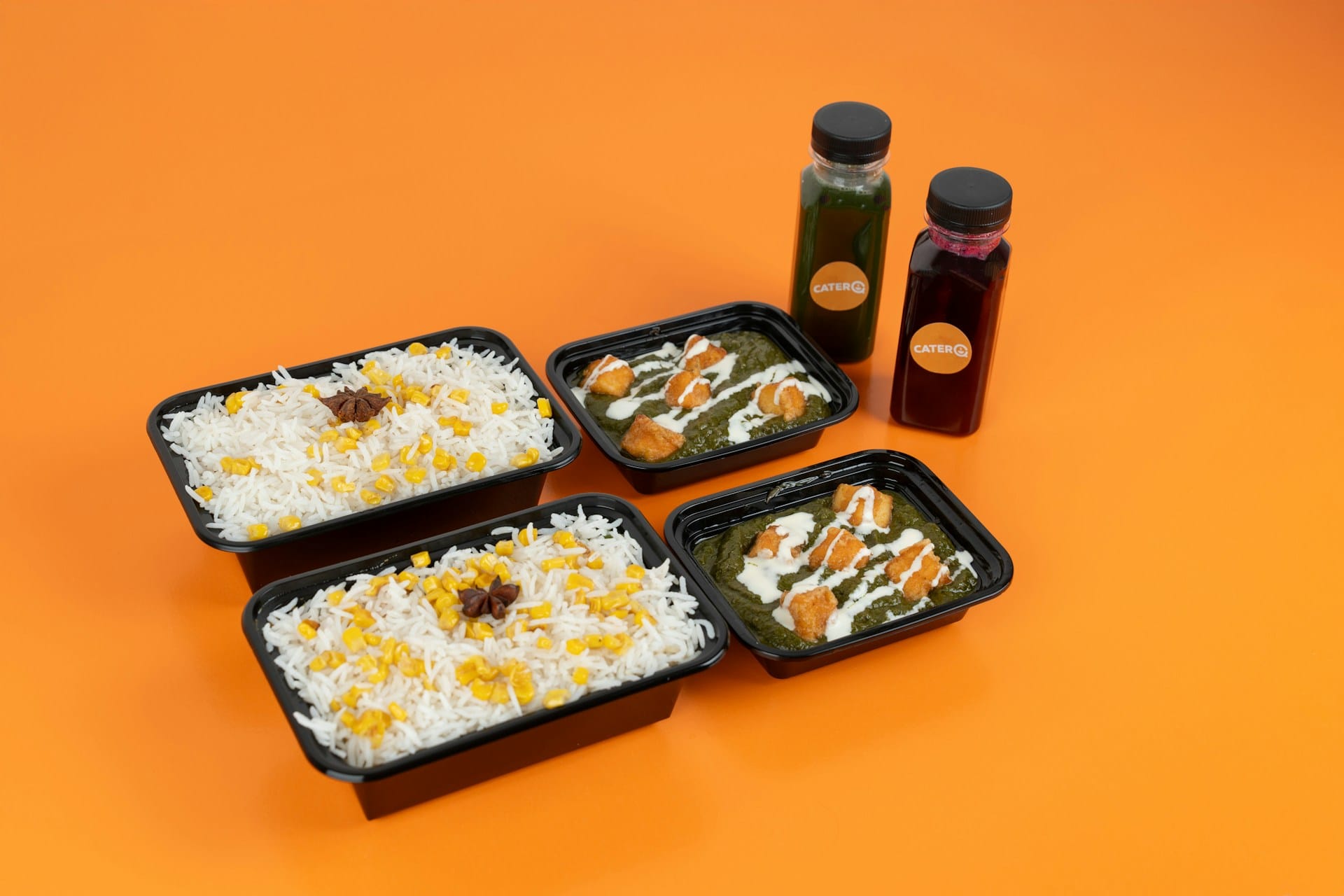
For food packaging professionals seeking optimal material solutions, the choice between PET (Polyethylene Terephthalate) and PP (Polypropylene) blister trays represents a critical decision. This comprehensive guide examines the key differences, performance characteristics, and selection criteria to help packaging buyers make informed decisions for their specific food applications.
Understanding Material Properties and Performance
The fundamental properties of PET and PP directly impact their performance in food packaging applications1.
PET Blister Tray Characteristics
PET offers several distinctive properties that make it suitable for specific food packaging needs:
- Clarity: Exceptional transparency with glass-like appearance
- Barrier Properties: Moderate oxygen and moisture barrier
- Temperature Range: Suitable for temperatures from -40°F to 160°F (-40°C to 70°C)
- Impact Resistance: Good impact strength but can crack under severe impact
- Chemical Resistance: Excellent resistance to oils and most food acids
These properties make PET particularly well-suited for applications where product visibility is paramount, such as premium prepared foods, fresh produce, and specialty bakery items.
PP Blister Tray Characteristics
PP provides a different set of performance attributes:
- Clarity: Naturally milky appearance, though clarified grades are available
- Barrier Properties: Lower oxygen barrier but good moisture resistance
- Temperature Range: Withstands temperatures from 0°F to 250°F (-18°C to 121°C)
- Impact Resistance: Superior impact resistance with excellent drop protection
- Chemical Resistance: Outstanding resistance to acids, bases, and most chemicals
PP’s characteristics make it ideal for hot-fill applications, microwaveable foods, and products requiring enhanced durability during distribution and handling.
Comparative Performance Table
The following table provides a side-by-side comparison of key performance attributes:
| Performance Factor | PET | PP |
|---|---|---|
| Clarity | Excellent (90-92% light transmission) | Good with clarifiers (80-85% light transmission) |
| Heat Resistance | Moderate (up to 160°F/70°C) | High (up to 250°F/121°C) |
| Cold Resistance | Excellent (remains flexible at -40°F/-40°C) | Good (becomes brittle below 0°F/-18°C) |
| Moisture Barrier | Moderate | Good |
| Oxygen Barrier | Moderate | Low |
| Impact Strength | Good | Excellent |
| Chemical Resistance | Good | Excellent |
| Rigidity | High | Moderate |
| Weight | Heavier | Lighter (typically 15-20% less) |
The above data is for reference only
This comparison highlights that neither material is universally superior; rather, each offers distinct advantages for specific applications and requirements.
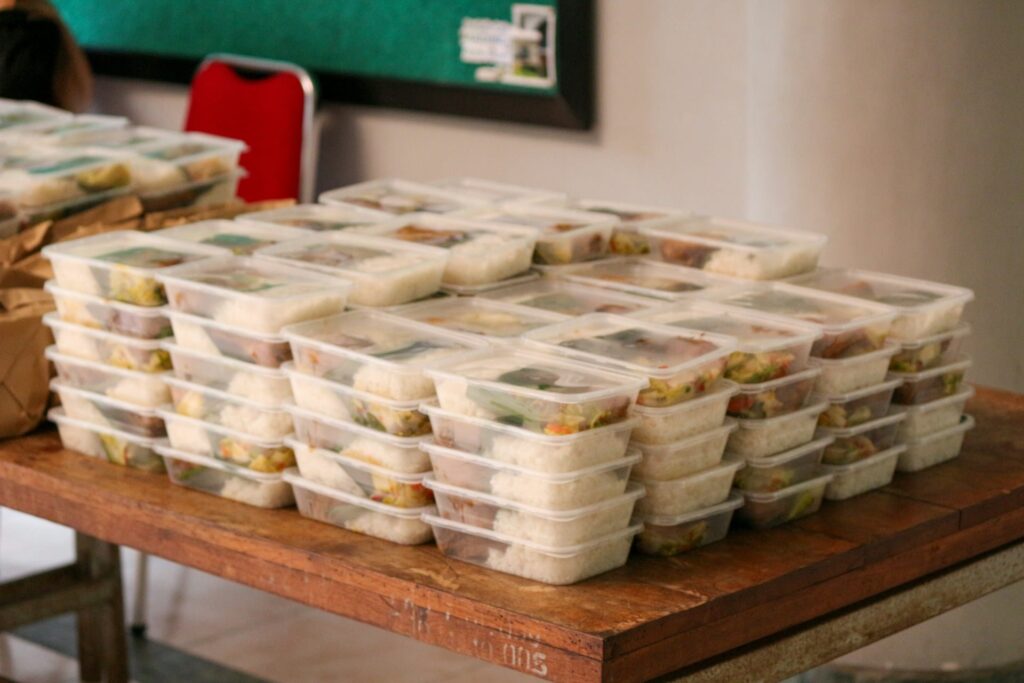
Application-Specific Considerations
Different food categories present unique packaging challenges that influence material selection.
Fresh Produce Applications
For fresh fruits and vegetables, several factors influence the PET vs. PP decision:
PET Advantages for Produce:
- Superior clarity showcases product freshness and color
- Higher rigidity protects delicate items from crushing
- Better puncture resistance against sharp stems or edges
- Excellent printability for branding and product information
- Typically preferred for premium/organic produce positioning
PP Advantages for Produce:
- Better moisture management through controlled permeability
- More cost-effective for high-volume commodity items
- Greater flexibility accommodates irregular shapes
- Enhanced impact resistance during distribution
- Often preferred for berries and other high-moisture items
The optimal choice depends on specific produce characteristics, target market positioning, and distribution requirements.
Prepared Foods and Deli Items
For prepared foods, different considerations come into play:
PET Advantages for Prepared Foods:
- Superior product visibility enhances appetite appeal
- Better stain resistance maintains appearance with colorful foods
- Higher perceived quality aligns with premium positioning
- Good clarity when condensation occurs
- Excellent for cold display cases and refrigerated items
PP Advantages for Prepared Foods:
- Microwave compatibility for reheating convenience
- Superior hot-fill capabilities for prepared meals
- Better thermal insulation keeps hot foods warm longer
- Less prone to cracking when frozen and reheated
- More cost-effective for high-volume foodservice applications
Many prepared food manufacturers maintain both materials in their packaging portfolio, selecting the appropriate option based on specific product requirements and intended use.
Bakery Products
Bakery items present unique packaging challenges:
PET Advantages for Bakery:
- Superior clarity showcases decorative items
- Higher rigidity protects delicate pastries
- Better scratch resistance maintains visibility over time
- Premium appearance for specialty and artisanal items
- Excellent for items with extended shelf life
PP Advantages for Bakery:
- Better moisture management for items prone to condensation
- Superior performance for items requiring in-package heating
- More cost-effective for everyday bakery items
- Greater flexibility accommodates irregular shapes
- Better performance in freezer-to-oven applications
The selection often depends on the specific bakery item, its moisture content, and whether consumer reheating is anticipated.
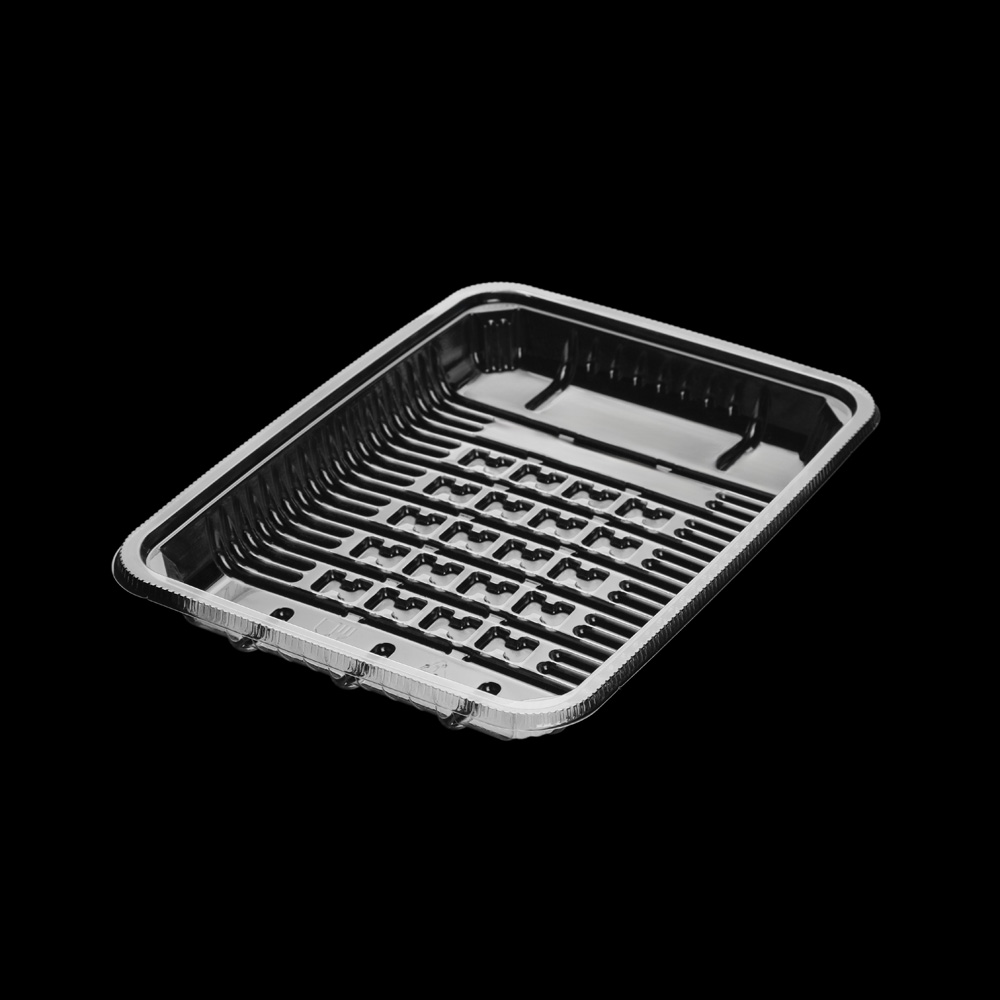
Manufacturing and Processing Considerations
Beyond end-use performance, manufacturing factors significantly influence material selection.
Thermoforming Process Differences
The thermoforming characteristics of PET and PP differ substantially:
PET Thermoforming Characteristics:
- Narrower forming temperature window (240-350°F/115-175°C)
- Faster cycle times due to quicker cooling
- Excellent definition of fine details and texture
- Superior consistency in wall thickness distribution
- Less shrinkage and warpage after forming
PP Thermoforming Characteristics:
- Wider forming temperature window (310-410°F/155-210°C)
- Requires longer cooling time
- Greater material draw capability for deep-draw applications
- More forgiving of process variations
- Higher shrinkage requires design compensation
These differences impact production efficiency, tooling requirements, and ultimately, packaging cost.
Equipment and Tooling Implications
Material choice affects equipment requirements and tooling considerations:
PET Equipment Considerations:
- Requires precise temperature control systems
- Needs higher-precision tooling for optimal results
- Often requires pre-drying to prevent moisture issues
- Benefits from plug-assist technology for deep draws
- Typically uses aluminum or beryllium-copper molds
PP Equipment Considerations:
- More forgiving of temperature variations
- Can use less expensive tooling materials
- No pre-drying typically required
- Benefits from good mold cooling design
- Often uses aluminum molds for cost efficiency
For manufacturers running both materials, these differences necessitate careful process parameter management and potentially dedicated equipment lines.
Cost Factors in Manufacturing
Several cost elements differ between PET and PP production:
- Material Cost: PP typically 10-15% lower cost per pound than PET
- Energy Consumption: PET generally requires less energy during forming
- Cycle Time: PET typically offers 15-25% faster cycle times
- Scrap Rate: PP usually generates less scrap due to regrind compatibility
- Tooling Life: PP typically causes less tool wear than PET
These factors combine to influence the total production cost, which varies based on specific applications, volumes, and manufacturing capabilities.
Sustainability Considerations
Environmental factors increasingly influence packaging material decisions.
Recycling Infrastructure and Acceptance
The recyclability of PET and PP differs significantly:
PET Recycling Profile:
- Widely accepted in most curbside recycling programs
- Well-established recycling infrastructure globally
- High recycling value drives collection economics
- Clear identification (Resin Code #1) aids sorting
- Significant market for recycled PET (rPET)
PP Recycling Profile:
- Growing acceptance in curbside programs
- Developing recycling infrastructure
- Moderate recycling value
- Clear identification (Resin Code #5) aids sorting
- Emerging market for recycled PP (rPP)
While both materials are technically recyclable, PET currently enjoys more widespread collection and processing infrastructure in most markets.
Carbon Footprint Comparison
Environmental impact extends beyond end-of-life considerations:
PET Carbon Profile:
- Higher production energy requirements
- Greater transportation impacts due to higher density
- Lower processing energy during thermoforming
- Established recycling reduces virgin material production
- Higher percentage of recycled content commercially available
PP Carbon Profile:
- Lower production energy requirements
- Reduced transportation impacts due to lighter weight
- Higher processing energy during thermoforming
- Growing recycling programs reduce environmental impact
- Developing recycled content options
The overall carbon footprint depends on specific supply chains, recycled content percentages, and end-of-life scenarios in target markets.
Recycled Content Options
Both materials offer recycled content options with different characteristics:
Recycled PET (rPET) Options:
- Widely available with post-consumer content up to 100%
- FDA-approved for food contact applications
- Minimal performance differences from virgin material
- Clear regulatory pathway for food applications
- Price premium typically 10-30% over virgin material
Recycled PP (rPP) Options:
- Limited availability, typically 25-30% maximum post-consumer content
- Emerging FDA approvals for food contact
- Some performance compromises at higher recycled percentages
- Evolving regulatory landscape
- Price premium typically 15-40% over virgin material
Reliancepak offers both rPET and rPP options with various recycled content percentages to meet sustainability goals while maintaining performance requirements.
Cost Considerations and Value Analysis
A comprehensive cost analysis extends beyond material price to consider total system costs.
Direct Cost Comparison
Raw material costs represent just one component of the total packaging cost:
PET Cost Factors:
- Higher resin cost per pound
- Lower material usage due to strength properties
- Faster production cycles reduce labor and overhead allocation
- Higher yield rates in high-precision applications
- Premium pricing potential for enhanced clarity
PP Cost Factors:
- Lower resin cost per pound
- Lighter weight reduces material consumption
- Longer production cycles increase labor and overhead allocation
- Excellent yield rates in standard applications
- Cost-effective for high-volume applications
For most applications, PP offers a 5-15% cost advantage on a per-unit basis, though this gap narrows for complex designs or when considering total system costs.
Total Cost of Ownership Analysis
Beyond direct costs, several factors influence the total cost of ownership:
- Product Protection: Reduced damage rates impact total costs
- Shelf Life Extension: Longer shelf life reduces waste costs
- Transportation Efficiency: Lighter packaging reduces freight costs
- Consumer Satisfaction: Appropriate packaging reduces returns and complaints
- Brand Perception: Packaging quality influences brand value and pricing potential
A comprehensive analysis often reveals that the optimal material choice may not be the lowest initial cost option when all factors are considered.
Value-Added Features and Their Cost Impact
Enhanced features affect both cost and performance:
PET Enhanced Features:
- Anti-fog treatments for improved visibility
- UV inhibitors for product protection
- Oxygen scavengers for extended shelf life
- Enhanced barrier coatings for sensitive products
- Premium finishes for brand differentiation
PP Enhanced Features:
- Clarifying additives for improved transparency
- Antimicrobial treatments for food safety
- Enhanced heat stability for microwave applications
- Controlled atmosphere modifications for freshness
- Specialty textures for improved handling
These value-added features typically add 5-20% to base material costs but can deliver significant performance improvements and competitive advantages.
Decision Framework for Material Selection
A structured approach helps packaging professionals make optimal material choices.
Critical Questions for Material Selection
Consider these key questions when evaluating PET versus PP:
- Product Requirements:
- What temperature exposure will the package experience?
- How important is product visibility to consumer purchase decisions?
- What barrier properties are required for target shelf life?
- Will the package be microwaved by the consumer?
- What physical protection does the product require?
- Supply Chain Considerations:
- What temperature extremes will occur during distribution?
- How much stacking pressure will packages experience?
- What humidity conditions will the package encounter?
- Are there special handling or display requirements?
- What is the expected shelf life in the distribution environment?
- Sustainability Requirements:
- What recycling infrastructure exists in target markets?
- Are there corporate sustainability commitments to consider?
- What recycled content percentages are required?
- Are there regulatory requirements or restrictions to address?
- How do consumers in target markets prioritize sustainability?
Systematically addressing these questions helps narrow material options to the most appropriate choice for specific applications.
Decision Matrix Approach
A weighted decision matrix can help quantify the selection process:
- Identify Key Criteria: Determine the factors most important for your application
- Assign Weights: Allocate importance percentages to each factor (totaling 100%)
- Rate Options: Score each material option on a scale (typically 1-10) for each criterion
- Calculate Weighted Scores: Multiply ratings by weights and sum for total scores
- Compare Results: The highest total score indicates the preferred option
This systematic approach helps remove subjective bias from the decision process while ensuring all relevant factors are considered.
Hybrid and Multi-Material Approaches
In some cases, combining materials offers the optimal solution:
- Dual-Material Trays: PET base with PP insert for specific product sections
- Material Selection by SKU: Using PET for premium lines and PP for standard offerings
- Application-Specific Selection: Choosing materials based on specific product requirements
- Seasonal Adjustments: Adapting material choices for summer versus winter distribution
- Market-Specific Options: Tailoring materials to different geographic market requirements
Reliancepak’s design team specializes in developing these hybrid approaches when standard single-material solutions cannot meet all requirements.
Reliancepak’s Material Solutions and Support
As a leading supplier of food packaging solutions, Reliancepak offers comprehensive support for material selection and implementation.
Material Testing and Validation Services
Our technical services help clients make informed decisions:
- Comparative Material Testing: Side-by-side performance evaluation with your products
- Accelerated Shelf Life Studies: Predicting real-world performance under various conditions
- Distribution Simulation Testing: Evaluating performance throughout the supply chain
- Consumer Usage Testing: Assessing real-world handling and perception
- Regulatory Compliance Verification: Ensuring all materials meet applicable standards
These services reduce risk when transitioning between materials or implementing new packaging designs.
Custom Formulation Options
Beyond standard materials, we offer customized solutions:
- Enhanced Clarity PP: Specially formulated for maximum transparency
- High-Performance rPET: Recycled content with virgin-like performance
- Barrier-Enhanced Options: Modified formulations for extended shelf life
- Custom Color Matching: Precise color formulation for brand consistency
- Application-Specific Blends: Tailored formulations for unique requirements
Our material science team works directly with clients to develop proprietary formulations that address specific performance challenges.
Design Optimization for Material Performance
Our design services maximize the performance of each material:
- Material-Specific Design: Optimizing geometries for PET or PP characteristics
- Structural Enhancement: Strategic ribbing and reinforcement for material efficiency
- Nesting Optimization: Maximizing pallet efficiency and minimizing transportation costs
- Sealing Surface Design: Ensuring compatibility with various lidding options
- Manufacturing Efficiency: Designing for optimal production performance
These design services help clients maximize the performance of their selected materials while minimizing costs and environmental impact.
Conclusion: Making the Optimal Material Choice
The choice between PET and PP blister trays ultimately depends on a careful analysis of specific application requirements, business priorities, and market conditions.
Summary of Key Considerations
When evaluating PET versus PP, remember these essential points:
- PET excels in: Clarity, rigidity, barrier properties, and premium appearance
- PP excels in: Heat resistance, impact strength, chemical resistance, and cost-efficiency
- Sustainability considerations: Both materials are recyclable, with PET currently enjoying more widespread recycling infrastructure
- Cost factors: PP typically offers lower direct costs, but total system costs may favor either material depending on application
- Manufacturing impact: Material choice affects production efficiency, equipment requirements, and process parameters
There is rarely a universal “best” choice; rather, the optimal material depends on specific product requirements and business priorities.
Recommendation Process
For organizations evaluating material options, we recommend this approach:
- Define Requirements: Clearly articulate performance needs and priorities
- Test Alternatives: Conduct comparative testing with actual products
- Consider Total Costs: Evaluate all cost impacts, not just material price
- Assess Supply Chain: Evaluate performance throughout the distribution system
- Plan Implementation: Develop a structured transition plan if changing materials
This methodical approach minimizes risk while ensuring the selected material truly meets all requirements.
Contact Reliancepak today to discuss your specific application requirements and discover whether PET or PP blister trays represent the optimal solution for your food packaging needs.
- Discover best practices for material selection in food packaging to ensure safety and efficiency in your products. ↩︎