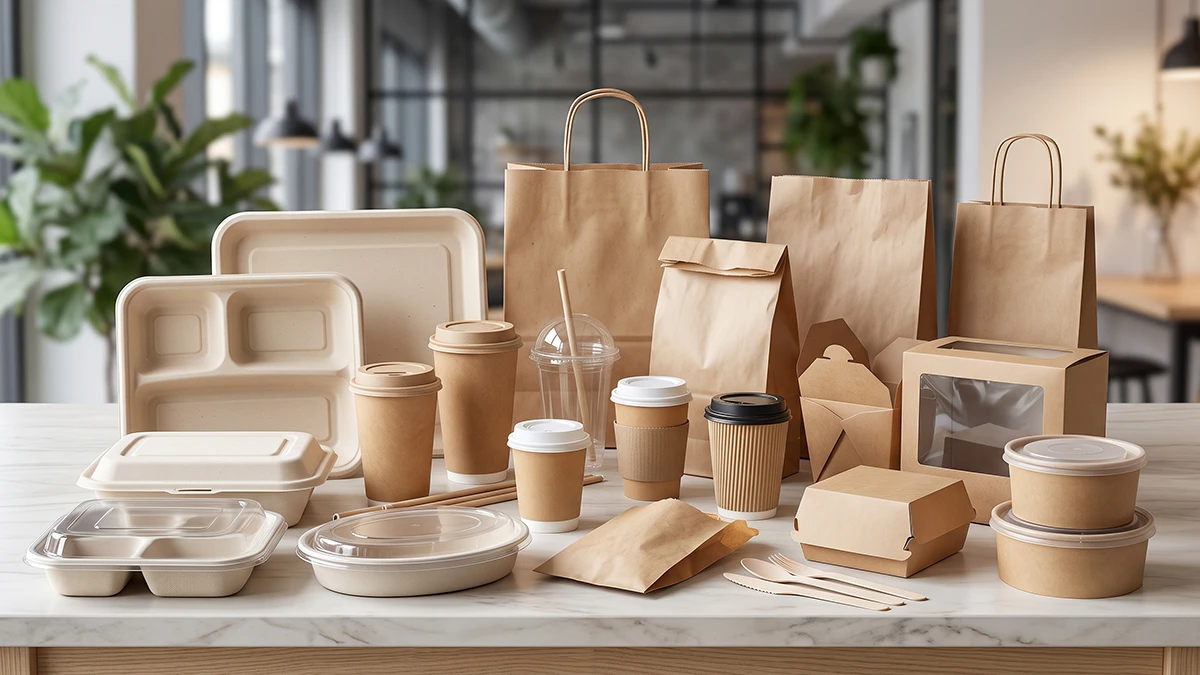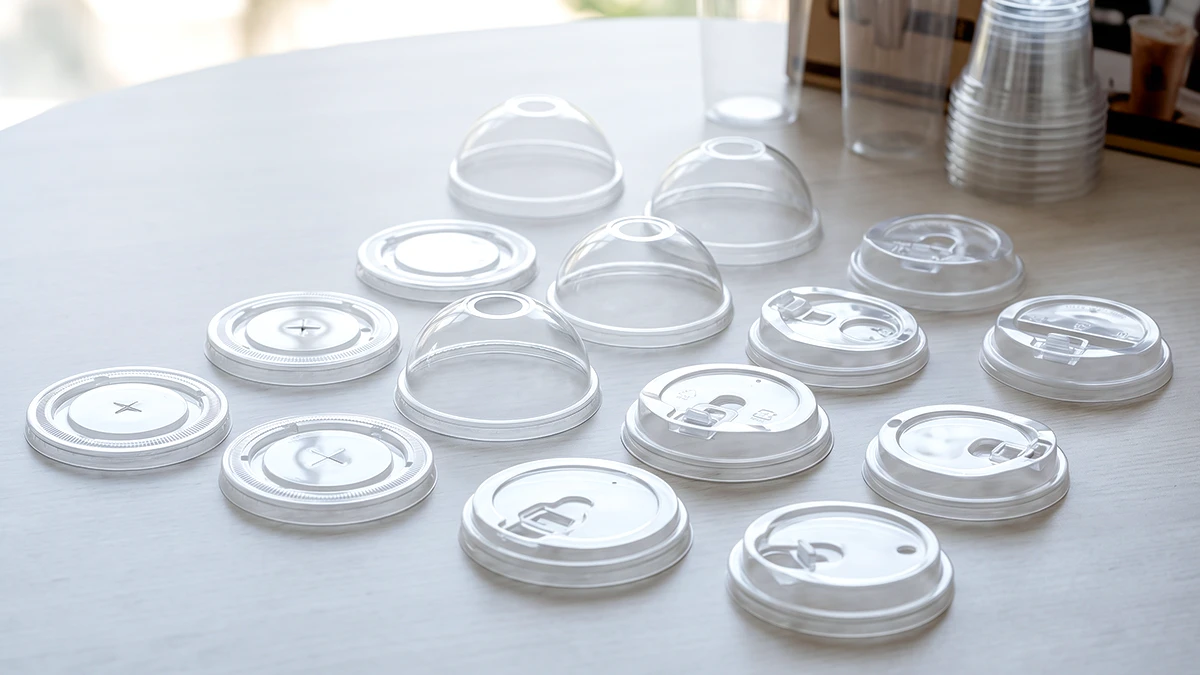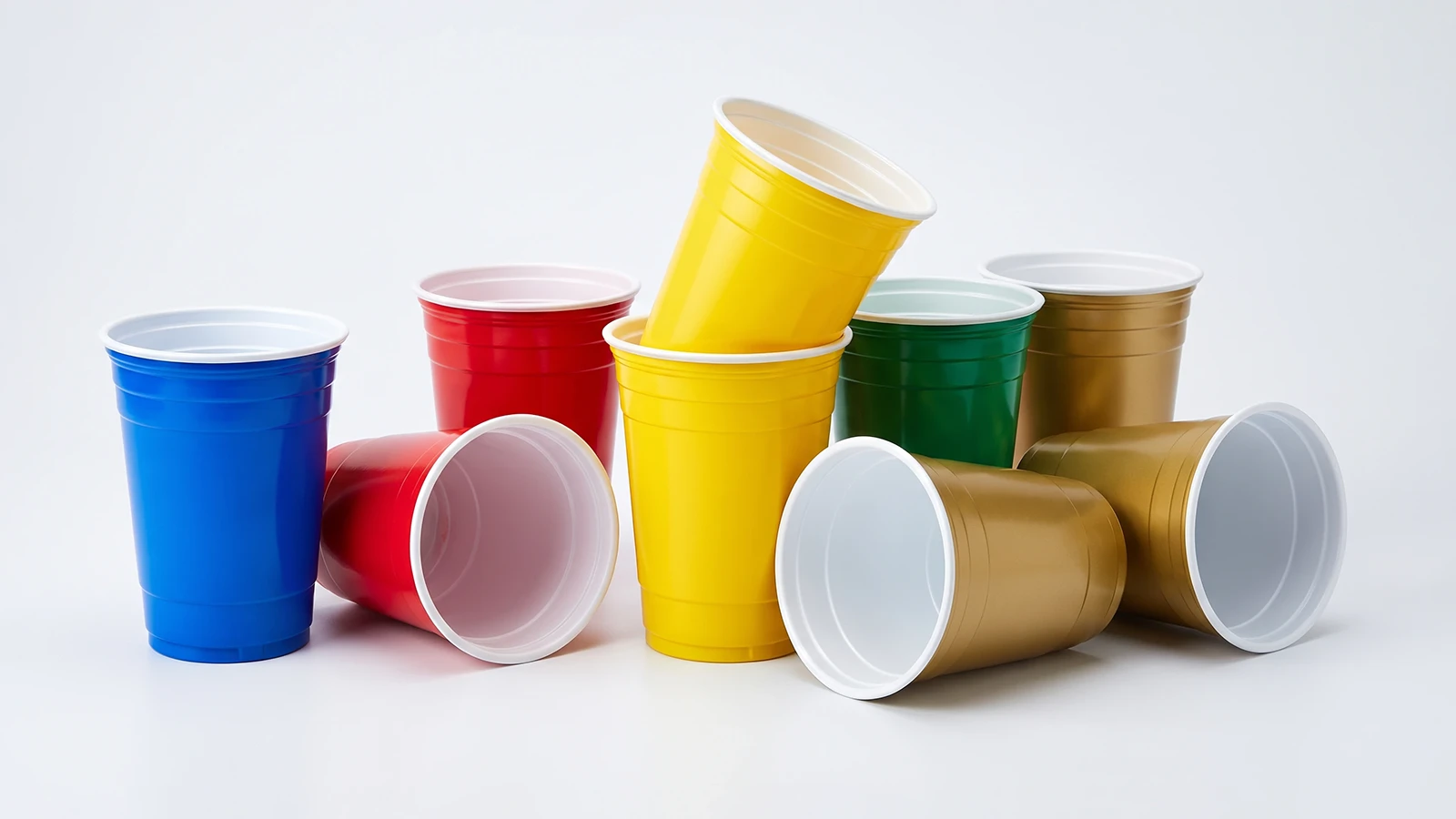
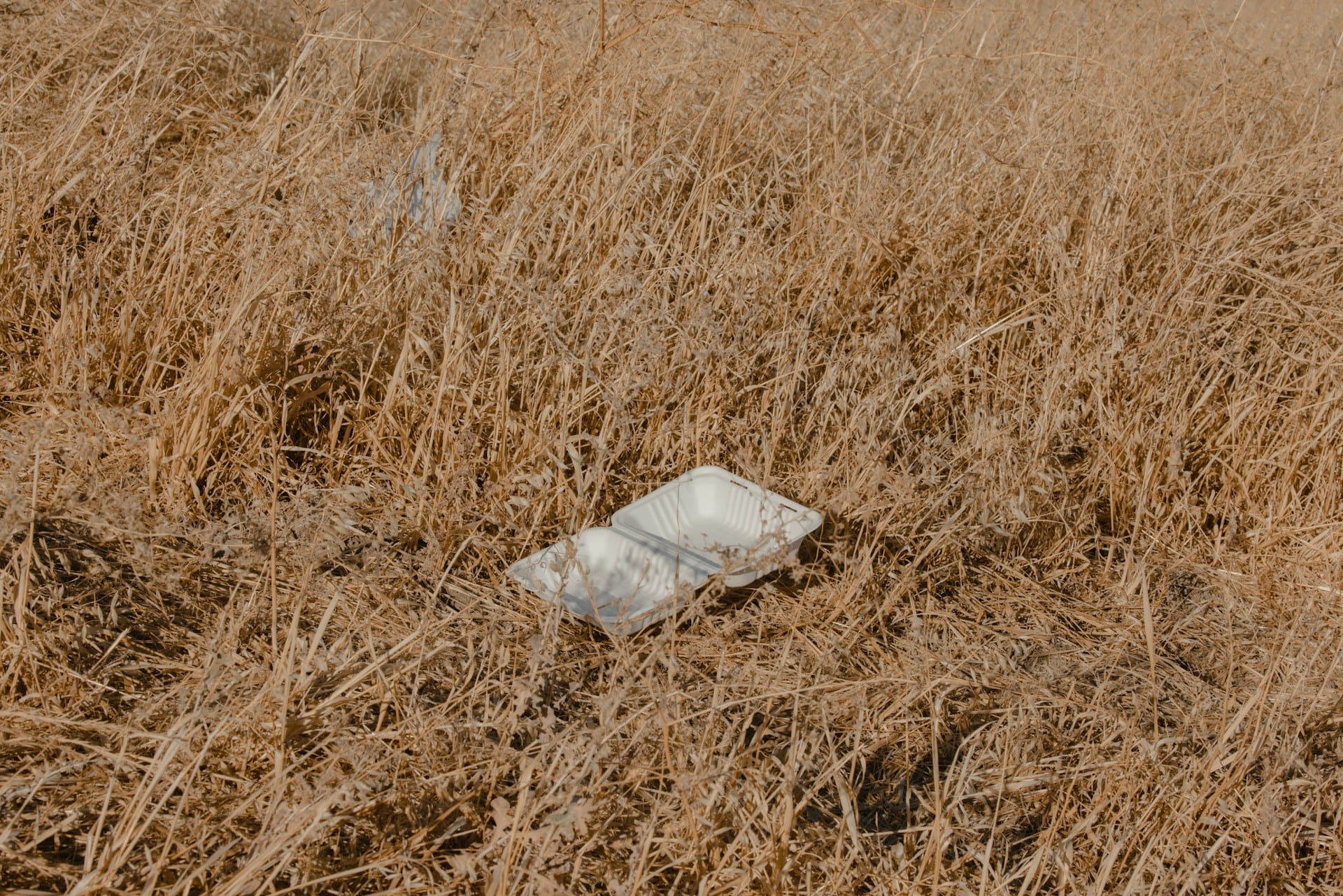
In the pursuit of more sustainable operations, businesses in the food industry are increasingly turning to eco-friendly packaging solutions. Among the most discussed options are compostable and biodegradable food containers. While often used interchangeably, these terms have distinct meanings and implications for environmental impact and disposal. For B2B buyers, understanding the precise differences is crucial for making responsible procurement decisions that align with corporate sustainability goals and regulatory requirements. This blog will clarify these concepts, helping you choose the right disposable containers for your specific needs.
What Does ‘Biodegradable’ Mean?
Biodegradable refers to a material that can be broken down by microorganisms (like bacteria and fungi) into natural substances such as water, carbon dioxide, and biomass. This process occurs over a period of time, which can vary significantly from weeks to many years, depending on the material and the environmental conditions. Essentially, all compostable materials are biodegradable, but not all biodegradable materials are compostable.
The Process of Biodegradation
Biodegradation is a natural process where complex organic compounds are broken down into simpler, more environmentally benign substances. This decomposition can happen in various environments, including soil, water, and landfills. However, the rate and extent of biodegradation are highly dependent on factors like temperature, moisture, and the presence of specific microorganisms. Without the right conditions, a biodegradable material might take an extremely long time to break down, or not break down completely.

What Does ‘Compostable’ Mean?
Compostable materials are a specific subset of biodegradable materials. For a product to be certified as compostable, it must break down into non-toxic components (water, carbon dioxide, and biomass) within a specific timeframe, typically 90 to 180 days, in a controlled composting environment. This process leaves no visible or toxic residue, and the resulting compost can be used to enrich soil. The key distinction is the requirement for specific conditions and a defined timeframe.
Industrial vs. Home Composting
It is important to differentiate between industrial (commercial) composting and home composting:
- Industrial Composting: These facilities operate at high temperatures and humidity levels, with carefully managed aeration, to accelerate the decomposition process. Most certified compostable food containers are designed for industrial composting, as home compost piles rarely reach the necessary conditions for their breakdown.
- Home Composting: Home compost piles operate at lower temperatures and are less controlled. While some materials are certified for home composting (e.g., certain food scraps), most compostable packaging will not break down effectively in a typical backyard compost bin.
For B2B buyers, understanding the disposal infrastructure available to their customers is critical. If industrial composting facilities are not accessible, then even certified compostable products may end up in landfills, where they will not decompose as intended.
The Key Differences: Compostable vs. Biodegradable
The terms biodegradable and compostable are often confused, but their distinctions are crucial for environmental claims and proper waste management. While both refer to materials that break down, compostable materials have a more stringent set of requirements.
Defined Breakdown Conditions
Biodegradable materials will break down over time, but there are no specific requirements for the conditions (temperature, moisture, microorganisms) or the timeframe. This means a biodegradable product could take hundreds of years to decompose in a landfill, where conditions are not optimal for degradation.
Compostable materials, conversely, are certified to break down within a specific period (usually 90-180 days) under specific, controlled conditions found in industrial composting facilities. They must also break down into non-toxic components, leaving no harmful residues.
Residue and Environmental Impact
When a biodegradable product breaks down, it may or may not leave behind toxic residues. The term itself does not guarantee that the breakdown products are harmless to the environment. This lack of clear standards can sometimes lead to ‘greenwashing,’ where products are marketed as environmentally friendly without truly being so.
Compostable products, by definition, must break down into natural, non-toxic elements that can be safely integrated back into the soil as compost. This ensures a positive environmental outcome, contributing to soil health and reducing waste.
Certification and Standards
Biodegradable claims often lack robust third-party certification, making it difficult for consumers and businesses to verify their environmental performance. There are fewer universally recognized standards for biodegradability.
Compostable products, however, are typically backed by rigorous certifications from organizations like the Biodegradable Products Institute (BPI) in North America or TÜV AUSTRIA (OK Compost) in Europe. These certifications ensure that products meet specific scientific standards for industrial compostability, providing transparency and trust. When sourcing from suppliers like Reliancepak, look for these certifications to ensure genuine environmental benefits.
Why Choose Compostable or Biodegradable Food Containers?
The decision to opt for compostable or biodegradable disposable containers is driven by a growing awareness of environmental issues and increasing consumer demand for sustainable products. Businesses are recognizing that adopting greener packaging solutions can offer significant benefits beyond just environmental impact.
Meeting Consumer Demand for Sustainability
Today’s consumers, both B2C and B2B, are increasingly environmentally conscious. They actively seek out brands that demonstrate a commitment to sustainability. Offering compostable or biodegradable food containers can significantly enhance your brand image, attracting new customers and fostering loyalty among existing ones. This aligns your business with global sustainability trends and responsible consumption.
Reducing Environmental Impact
By choosing packaging that can return to the earth, businesses contribute to reducing landfill waste and plastic pollution. While the effectiveness depends on proper disposal infrastructure, the intent to minimize environmental harm is a powerful message. This shift away from conventional plastics helps conserve natural resources and reduce the carbon footprint associated with packaging production and disposal.
Compliance with Evolving Regulations
Governments and regulatory bodies worldwide are implementing stricter rules regarding single-use plastics and promoting sustainable alternatives. By proactively adopting compostable or biodegradable solutions, businesses can stay ahead of these regulations, avoid potential fines, and ensure long-term compliance. This foresight can provide a competitive advantage in markets with evolving environmental policies.
Enhancing Corporate Social Responsibility (CSR)
Adopting eco-friendly packaging is a tangible way for businesses to demonstrate their commitment to Corporate Social Responsibility. This can improve stakeholder relations, attract environmentally conscious talent, and enhance overall brand perception. It showcases a dedication to ethical practices and a healthier planet.
Which Is Right for Your Business: Compostable or Biodegradable?
The choice between compostable and biodegradable disposable containers ultimately depends on your business model, product type, target market, and access to proper disposal infrastructure. A careful assessment of these factors will guide you toward the most effective and responsible packaging solution.
Assess Your Disposal Infrastructure
The most critical factor is whether industrial composting facilities are accessible in your operational areas or where your customers will dispose of the packaging. If industrial composting is readily available and widely adopted, certified compostable containers are an excellent choice, as they ensure a true circular economy for your packaging. If not, then even compostable products may end up in landfills, negating their primary environmental benefit.
Consider Your Product and Its Use
Think about the nature of the food product. Does it require high heat resistance? Is it a single-use item consumed on-the-go? For cold food items and situations where industrial composting is viable, PLA-based compostable containers are often suitable. For hot foods, or if composting infrastructure is lacking, other materials might be more appropriate. Reliancepak offers a diverse range of disposable food containers, including those made from environmentally friendly materials, to suit various product needs.
Understand Your Target Market
Your customers’ environmental awareness and their access to proper disposal methods should also influence your decision. If your target market is highly eco-conscious and has access to composting facilities, promoting certified compostable packaging can be a strong selling point. If not, focusing on recyclable options or materials with a lower overall environmental footprint might be more practical.
Evaluate Cost and Supply Chain
While sustainable options may sometimes have a higher upfront cost, consider the long-term benefits, including brand reputation and potential regulatory advantages. Evaluate the availability and reliability of suppliers for both compostable and biodegradable options. Reliancepak, as a trading company and factory with 9 production lines, can provide a stable supply of various packaging solutions, including those made from environmentally friendly materials.
The Role of Certifications
Always prioritize products with clear, third-party certifications. For compostable products, look for certifications like BPI or EN 13432. For biodegradable products, while certifications are less common, seek suppliers who can provide transparent data on the degradation process and environmental impact. Certifications provide credibility and assure that the product meets defined environmental standards.
Comparative Overview: Compostable vs. Biodegradable Containers
To summarize the key distinctions and help in your decision-making process, here is a comparative table outlining the characteristics of compostable and biodegradable food containers.
| Feature | Biodegradable Containers | Compostable Containers |
|---|---|---|
| Definition | Breaks down by microorganisms into natural substances. | Breaks down into non-toxic components in specific conditions. |
| Breakdown Timeframe | Varies greatly; can be very long. | Defined timeframe (e.g., 90-180 days) in controlled settings. |
| Required Conditions | No specific conditions required for breakdown. | Specific conditions (heat, moisture, microbes) in industrial facilities. |
| Residue | May leave behind residues; not guaranteed non-toxic. | Must leave no toxic residue; enriches soil. |
| Certifications | Fewer universally recognized certifications. | Rigorous third-party certifications (e.g., BPI, EN 13432). |
| Environmental Impact | Reduces waste, but effectiveness depends on conditions. | Reduces landfill waste, contributes to soil health. |
| Disposal | Can be disposed of in landfills, but may not decompose. | Requires industrial composting facilities for proper breakdown. |
| Examples | Some bioplastics, certain paper products. | PLA, CPLA, bagasse, some paperboard with bio-linings. |
Frequently Asked Questions (FAQ)
Q1: Are all biodegradable plastics compostable?
A1: No, not all biodegradable plastics are compostable. While all compostable materials are biodegradable, biodegradable materials do not necessarily meet the specific requirements for composting, such as breaking down within a defined timeframe and leaving no toxic residues in a controlled composting environment.
Q2: Can compostable containers be recycled?
A2: Generally, compostable containers should not be placed in recycling bins. They are designed to break down in composting facilities and can contaminate conventional plastic recycling streams, making the recycling process more difficult and less efficient. Always check local waste management guidelines.
Q3: What happens if compostable containers end up in a landfill?
A3: If compostable containers end up in a landfill, they will likely not decompose as intended. Landfills are typically anaerobic (lacking oxygen) environments, which are not conducive to the decomposition process required for compostable materials. They may persist for a long time, similar to traditional plastics, or break down very slowly and produce methane, a potent greenhouse gas.
Q4: How can I ensure my compostable packaging is disposed of correctly?
A4: To ensure correct disposal, look for certified compostable products and partner with waste management services that offer industrial composting. Educate your customers about proper disposal methods, perhaps by providing clear labeling or information on your packaging or website. Supporting the development of composting infrastructure is also key.
Q5: Is compostable packaging more expensive than traditional plastic packaging?
A5: Compostable packaging can sometimes be more expensive than traditional plastic packaging due to production costs and economies of scale. However, as demand for sustainable solutions grows and technology advances, the price gap is narrowing. Many businesses find the long-term benefits, such as enhanced brand image and environmental responsibility, outweigh the increased cost.