
Selecting the appropriate paper bag material is a crucial decision for businesses, especially those in the food packaging industry. The choice between white kraft and brown kraft paper bags significantly impacts not only your brand’s aesthetic but also its environmental footprint and cost efficiency. This guide delves into the characteristics, advantages, and ideal applications of each material, helping you make an informed decision for your business needs.
Understanding Kraft Paper: The Foundation of Paper Bags
Kraft paper, derived from the German word for ‘strength,’ is a highly durable and versatile material. Its robust nature makes it an excellent choice for various packaging solutions, including paper bags. The kraft process involves chemically pulping wood fibers, resulting in a strong and tear-resistant paper.
The Kraft Process Explained
The manufacturing process of kraft paper is designed to maximize the strength of wood fibers. This involves treating wood chips with a chemical solution to separate cellulose fibers from lignin. The resulting pulp is then washed and formed into paper sheets.
Key Properties of Kraft Paper
Kraft paper is known for its high tensile strength, tear resistance, and elasticity. These properties make it suitable for carrying a variety of products, from groceries to retail items. Furthermore, its natural composition makes it a more sustainable option compared to many synthetic materials.
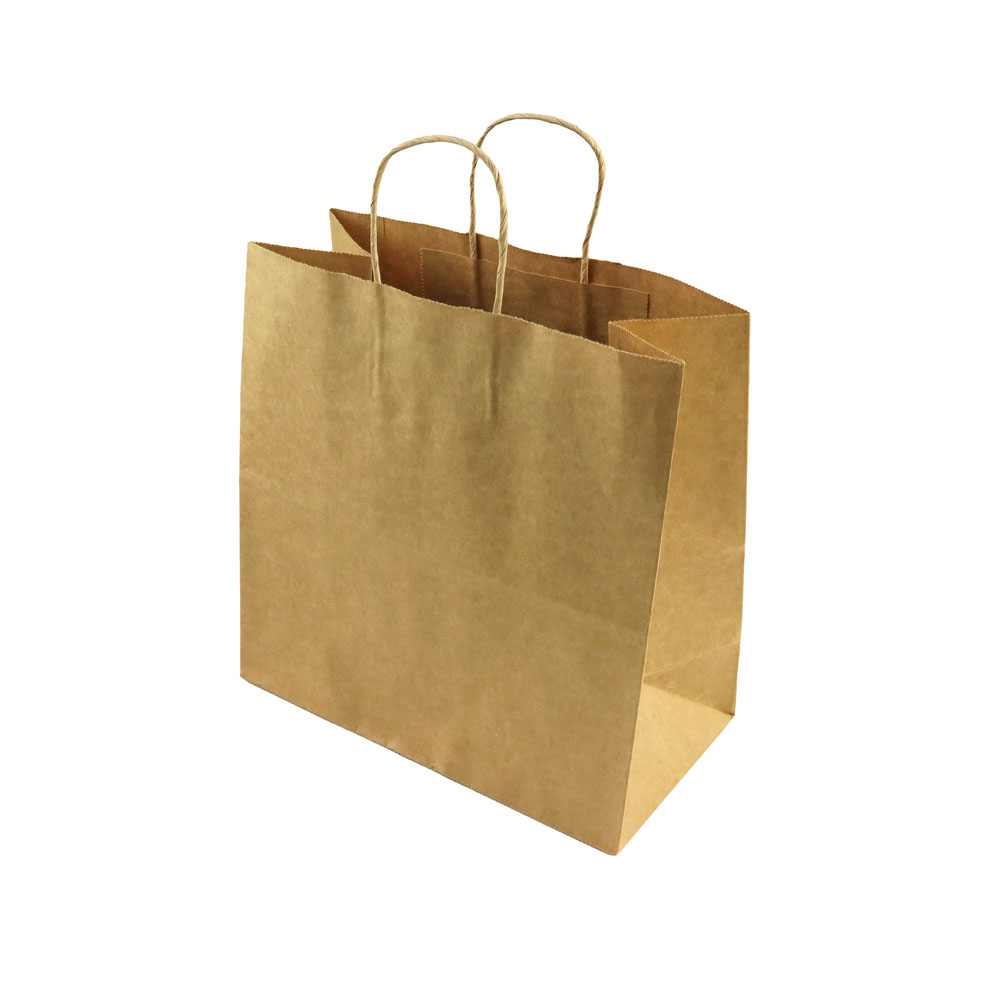
Brown Kraft Paper: The Eco-Conscious Choice
Brown kraft paper is the most recognizable form of kraft paper, characterized by its natural, earthy brown color. This material is often favored by businesses aiming to convey an eco-friendly and rustic image.
Characteristics of Brown Kraft Paper
Brown kraft paper is typically unbleached, retaining the natural color of wood fibers. This gives it a distinct, organic appearance that resonates with environmentally conscious consumers. Its raw, unfinished look often signifies authenticity and sustainability.
Manufacturing Process of Brown Kraft
One of the primary advantages of brown kraft paper is its minimal processing. It bypasses the bleaching stage, which reduces chemical usage and energy consumption during manufacturing. This simpler process contributes to a lower environmental impact.
Environmental Benefits
Brown kraft paper is highly recyclable and biodegradable. Its production generates fewer emissions and pollutants compared to bleached paper, making it a preferred choice for brands committed to reducing their carbon footprint. It aligns well with green initiatives and sustainable packaging goals.
Common Applications of Brown Kraft Bags
Brown kraft bags are widely used in various sectors. They are ideal for:
- Grocery Stores: Perfect for carrying fresh produce and everyday essentials.
- Takeaway Restaurants: A popular choice for food delivery due to their sturdy nature.
- Eco-Friendly Retailers: Brands emphasizing sustainability often use brown kraft for their packaging.
- Promotional Events: Suitable for distributing samples or merchandise with a natural touch.
White Kraft Paper: The Premium and Printable Option
White kraft paper offers a clean, bright aesthetic, making it a popular choice for businesses that prioritize a polished and sophisticated brand image. It provides an excellent canvas for vibrant printing and intricate designs.
Characteristics of White Kraft Paper
Unlike its brown counterpart, white kraft paper undergoes a bleaching process to achieve its pristine white color. This smooth, uniform surface enhances printability, allowing for sharp graphics and vivid colors that make logos and branding stand out.
Manufacturing Process of White Kraft
The production of white kraft paper involves an additional bleaching step, which uses chemicals to whiten the pulp. While this process has a slightly higher environmental impact than unbleached kraft, advancements in technology are continuously making it more sustainable.
Aesthetic and Branding Potential
White kraft paper provides a premium look and feel, making it ideal for luxury goods and high-end retail. Its clean appearance allows for greater design flexibility, enabling businesses to create sophisticated and eye-catching packaging that elevates brand perception.
Common Applications of White Kraft Bags
White kraft bags are frequently used in settings where presentation is key:
- Luxury Boutiques: For packaging high-value items with an elegant touch.
- Gift Shops: Enhancing the presentation of gifts and special purchases.
- Cosmetic Brands: Reflecting the purity and quality of beauty products.
- Promotional Materials: Creating a refined impression for corporate events or product launches.
Key Differences: Brown vs. White Kraft
Understanding the distinctions between brown and white kraft paper is essential for selecting the right material. Here’s a comparative overview:
Environmental Impact
| Feature | Brown Kraft | White Kraft |
|---|---|---|
| Bleaching | No | Yes |
| Chemical Use | Minimal | Higher |
| Energy Use | Lower | Higher |
| Recyclability | High | High |
| Biodegradability | High | High |
Brown kraft generally has a lower environmental footprint due to less processing.
Aesthetic and Branding
| Feature | Brown Kraft | White Kraft |
|---|---|---|
| Appearance | Natural, rustic, earthy | Clean, bright, sophisticated |
| Printability | Limited color options, best for simple designs | Excellent for vibrant, complex designs |
| Brand Image | Eco-friendly, authentic, sustainable | Premium, elegant, modern |
White kraft offers superior print clarity and color vibrancy.
Strength and Durability
Both brown and white kraft papers are inherently strong. However, the bleaching process can slightly reduce the strength of white kraft. For most applications, this difference is negligible, and both materials offer reliable durability for paper bags.
Cost Efficiency
Brown kraft paper is typically more cost-effective due to its simpler manufacturing process and fewer chemical treatments. White kraft, with its additional processing and bleaching, tends to be more expensive. Businesses must weigh the cost against their branding and aesthetic requirements.
When to Choose Which Material for Your Paper Bags
The decision between brown and white kraft paper bags depends on your business’s specific priorities, target audience, and brand identity.
Ideal Scenarios for Brown Kraft Bags
Choose brown kraft paper bags if your brand emphasizes:
- Sustainability: Clearly communicate your commitment to the environment.
- Natural Products: Complement organic food, handmade goods, or artisanal items.
- Cost-Effectiveness: Optimize packaging costs without compromising on strength.
- Rustic Aesthetic: Align with a natural, earthy, or vintage brand image.
Ideal Scenarios for White Kraft Bags
Opt for white kraft paper bags if your brand focuses on:
- Premium Presentation: Elevate the perceived value of your products.
- Vibrant Branding: Showcase intricate logos, colorful designs, or high-resolution images.
- Clean Aesthetic: Project a modern, sophisticated, and pristine image.
- Food Safety (Visual): While both are safe, white often visually implies cleanliness for food packaging.
Integrating Sustainability into Your Choice
Regardless of your choice, partnering with a paper bag supplier like Reliancepak, which prioritizes environmentally friendly practices, is crucial. Look for suppliers that offer:
- FSC/PEFC Certified Materials: Ensuring responsible forest management.
- Recycled Content Options: Utilizing post-consumer waste to reduce demand for virgin materials.
- Eco-Friendly Inks: Using water-based or soy-based inks for printing.
- Efficient Production: Minimizing waste and energy consumption in their manufacturing processes.
Conclusion
Choosing between white kraft and brown kraft paper bags is a strategic decision that reflects your brand’s values and market positioning. Brown kraft offers a natural, cost-effective, and highly sustainable option, perfect for eco-conscious brands. White kraft provides a premium, clean canvas for vibrant branding, ideal for businesses seeking a sophisticated aesthetic. By carefully considering your needs and partnering with a reliable paper bag supplier, you can select the material that best supports your brand’s goals and resonates with your target audience.
Frequently Asked Questions (FAQ)
Q1: Are brown kraft bags stronger than white kraft bags?
A1: Brown kraft bags are generally slightly stronger because they do not undergo the bleaching process, which can weaken fibers. However, for most common uses, both offer sufficient durability.
Q2: Can white kraft paper bags be recycled?
A2: Yes, white kraft paper bags are recyclable, similar to brown kraft bags. The bleaching process does not significantly affect their recyclability.
Q3: Is there a significant price difference between the two?
A3: Typically, brown kraft paper bags are more affordable than white kraft bags due to the reduced processing required in their manufacturing.
Q4: Which material is better for food packaging?
A4: Both brown and white kraft paper are safe for food packaging. The choice often comes down to aesthetic preference and branding. White kraft might visually convey more cleanliness for certain food products.
Q5: How can I ensure my paper bag supplier is eco-friendly?
A5: Look for certifications like FSC or PEFC, inquire about their use of recycled content, and ask about their manufacturing processes and waste reduction efforts.