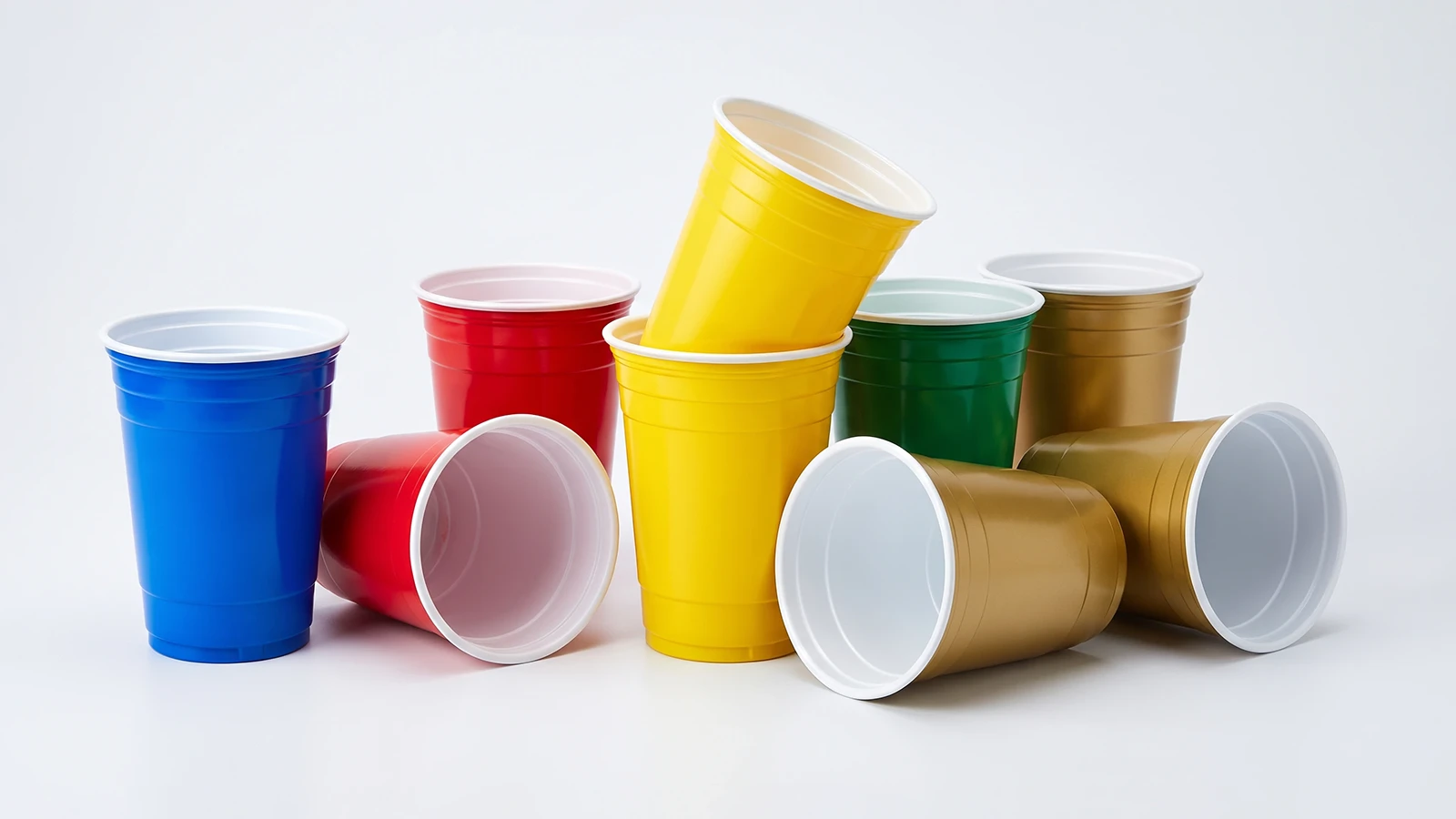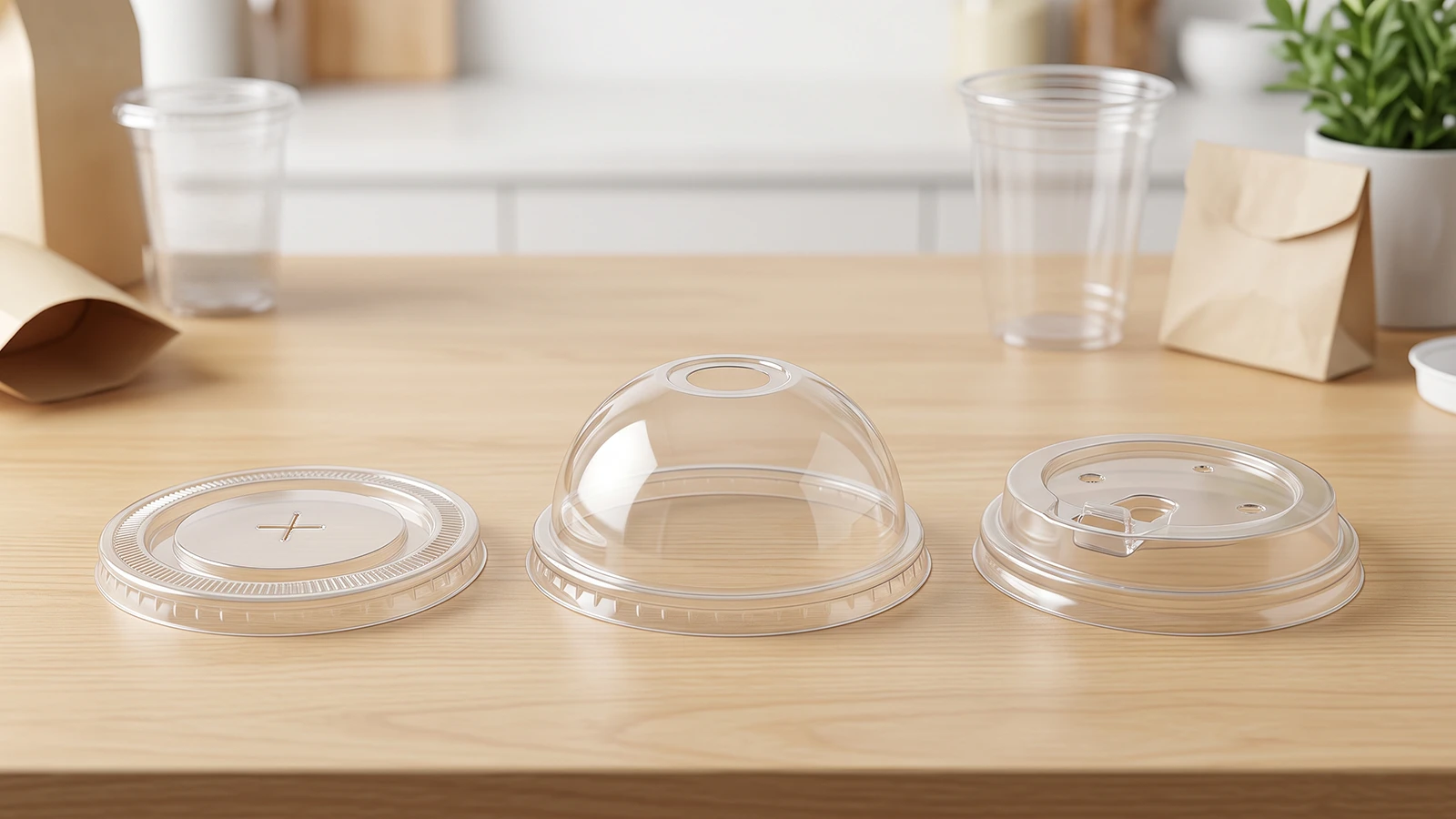
The catering industry is booming, and with its growth comes an increased demand for efficient hot food delivery services. Ensuring your delicious creations arrive at their destination piping hot and tasting as fantastic as they did straight from the kitchen is paramount. A key element in achieving this is choosing the right catering packaging materials1.
This blog post will explore the various catering packaging options available and identify which materials offer the best temperature retention for hot food delivery. We’ll also delve into how companies like Reliancepak are innovating in this space and provide insights into best practices for maximizing temperature during transit2.
Why is Temperature Retention Critical for Hot Food Delivery?
Maintaining optimal food temperature during delivery is not merely a matter of preference; it directly impacts food safety, quality, and customer satisfaction.
- Food Safety: The “temperature danger zone” (40°F – 140°F or 4°C – 60°C) is where bacteria thrive. Keeping hot food above 140°F (60°C) minimizes the risk of bacterial growth and potential foodborne illnesses. Neglecting proper temperature control can lead to serious health consequences and damage your business’s reputation.
- Food Quality & Taste: Imagine ordering a gourmet pasta dish only to receive it lukewarm and congealed. Temperature directly affects the texture, flavor, and overall appeal of food. Properly maintained heat ensures that your dishes are as enjoyable at the customer’s table as they are in your restaurant. Crispy items stay crispy, sauces remain smooth, and flavors are at their peak.
- Customer Satisfaction & Loyalty: In today’s competitive market, exceeding customer expectations is key to building loyalty. Receiving hot, fresh food creates a positive dining experience and encourages repeat business. Word-of-mouth referrals and positive online reviews are invaluable assets, and consistent temperature control contributes significantly to earning them.
- Brand Reputation: Your food delivery service is an extension of your brand. Consistent delivery of high-quality, appropriately-temperatured food enhances your brand’s reputation and sets you apart from competitors. A positive reputation translates to increased sales, customer retention, and a stronger market position.
What Factors Affect Temperature Retention in Catering Packaging?
Several factors play a crucial role in how well a catering packaging material retains heat:
- Material Thermal Conductivity: Different materials have varying abilities to conduct heat. Low thermal conductivity is desirable, as it indicates a material’s resistance to heat transfer. Materials like insulated foam and aluminum foil are excellent insulators, while thin plastic or paper offer minimal insulation.
- Material Thickness & Density: Generally, thicker and denser materials provide better insulation. A greater mass of material slows down the rate of heat loss.
- Insulation Technology: Advanced packaging designs incorporate technologies that enhance temperature retention. These can include:
- Double-walled construction: Creates an air gap, which acts as an insulator.
- Reflective layers: Reflect radiant heat back towards the food.
- Vacuum insulation: Removes air from the space between walls, further reducing heat transfer.
- Sealing & Closure Design: A tight, secure seal prevents heat from escaping and cold air from entering. Packaging with features like snap-on lids, heat-sealed seams, and airtight closures significantly improves temperature retention.
- External Environmental Conditions: Ambient temperature, humidity, and weather conditions all affect temperature retention. Extremely cold or hot weather can accelerate heat loss or gain, respectively.
- Food Starting Temperature: The initial temperature of the food being packaged significantly impacts how long it stays hot. Starting with food at the highest safe serving temperature is crucial.

Which Catering Packaging Materials Offer the Best Temperature Retention? A Detailed Comparison
Let’s explore the most effective catering packaging materials for keeping hot food hot during delivery:
1. Insulated Delivery Bags
Insulated delivery bags are a staple for caterers. These bags are designed with insulating materials that trap heat and prevent it from escaping. They are available in various sizes and styles to accommodate different types of food and delivery needs. Reliancepak offers a range of high-quality insulated delivery bags tailored for diverse catering requirements.
- Pros: Excellent heat retention, lightweight, easy to carry, often water-resistant, reusable.
- Cons: Can be bulky, may require cleaning.
- Best For: Pizzas, individual meals, large orders, catering trays.
Temperature Retention Performance (Example):
| Bag Type | Material | Average Retention Time | Temperature Drop per Hour (Approximate) |
|---|---|---|---|
| Standard Insulated | Polyester + Foam | 1-2 hours | 10-15°F (5.5-8.3°C) |
| Premium Insulated | Nylon + PEVA Liner | 3-4 hours | 5-10°F (2.8-5.5°C) |
| Professional Grade | Reinforced Nylon | 4+ hours | <5°F (<2.8°C) |
Note: These are approximate values, and actual performance may vary based on the specific bag, ambient temperature, and initial food temperature.
2. Aluminum Foil Containers & Wraps
Aluminum foil is an excellent reflector of heat, preventing heat loss through radiation. Aluminum containers can also be heat-sealed for an airtight closure, further enhancing temperature retention.
- Pros: Excellent heat retention, lightweight, inexpensive, oven-safe.
- Cons: Can tear easily, not microwave-safe, potential for aluminum leaching into acidic foods (use with a barrier lining for acidic foods), not as visually appealing.
- Best For: Individually wrapped items, baked goods, keeping items warm in transit.
Temperature Limits: -20°F to 400°F (-29°C to 204°C)
3. Expanded Polystyrene (EPS) Foam Containers
EPS foam containers, often referred to as Styrofoam, provide excellent insulation due to their low thermal conductivity. They are lightweight and relatively inexpensive, making them a popular choice for take-out and delivery.
- Pros: Excellent insulation, lightweight, inexpensive.
- Cons: Environmentally unfriendly (difficult to recycle), can leach styrene into food at high temperatures (avoid direct contact with very hot foods), not microwave-safe.
- Best For: Soups, stews, and other hot liquids, although less desirable due to environmental concerns.
Temperature Limits: Up to 175°F (79°C) – However, direct contact with extremely hot food is not recommended.
4. Polypropylene (PP) Plastic Containers
PP plastic containers are durable, microwave-safe, and resistant to grease and oil, making them a versatile choice for catering.
- Pros: Durable, microwave-safe, reusable (depending on thickness), recyclable (check local recycling guidelines), relatively inexpensive.
- Cons: Less effective insulation than EPS or aluminum, can warp or melt at very high temperatures, some concerns about leaching with certain types of food.
- Best For: A wide variety of dishes, from entrees to sides, especially when reheating is a consideration.
Temperature Limits: 0°F to 250°F (-18°C to 121°C)
5. Plant-Based Fiber Containers (Bagasse)
Bagasse containers, made from sugarcane pulp, are a sustainable and eco-friendly alternative to traditional plastic and foam containers. They are biodegradable, compostable, and offer good insulation for hot foods. Reliancepak is committed to offering sustainable packaging options, including bagasse containers, to help caterers reduce their environmental impact.
- Pros: Eco-friendly, compostable, microwave-safe, oven-safe (some types), good insulation.
- Cons: Can be more expensive than traditional plastics, may not be as durable as PP plastic, can absorb moisture in humid conditions.
- Best For: Environmentally conscious catering businesses, a wide range of dishes.
Temperature Limits: Up to 428°F (220°C) – Check manufacturer specifications.
6. Kraft Paper Containers
Kraft paper containers are an affordable and sustainable option, especially when lined with a grease-resistant coating. They are often used for sides, desserts, and other non-liquid items.
- Pros: Affordable, recyclable, compostable, customizable with branding.
- Cons: Limited insulation, susceptible to moisture, requires a liner for greasy foods, not ideal for liquids.
- Best For: Sides, desserts, dry goods, and items that don’t require extensive temperature retention.
Temperature Limits: Up to 200°F (93°C) with a suitable liner.
7. Insulated Food Carriers (Cambro Boxes)
Insulated food carriers, often called Cambro boxes, are designed for transporting large quantities of hot or cold food while maintaining their temperature for extended periods. These are commonly used for large catering events and buffets.
- Pros: Excellent temperature retention for large quantities of food, durable, stackable, reusable.
- Cons: Bulky, expensive, requires significant storage space, not suitable for individual deliveries.
- Best For: Catering large events, transporting food to buffets, keeping large quantities of food hot or cold for extended periods.
Temperature Retention Performance: Can maintain food temperatures above 140°F (60°C) for 4+ hours, and sometimes significantly longer depending on the model and ambient conditions.
8. Vacuum-Insulated Stainless Steel Containers
These containers, similar to high-end travel mugs, offer superior temperature retention compared to most other options. While typically more expensive, they are reusable and durable, making them a worthwhile investment for specific applications.
- Pros: Exceptional temperature retention, durable, reusable, no risk of leaching.
- Cons: More expensive than other options, can be heavy.
- Best For: High-value items, sauces, soups, and other items where maintaining extreme temperature is critical.
Temperature Retention Performance: Can maintain temperatures for 6+ hours, often longer.
The Role of Reliancepak in Optimizing Catering Packaging
Reliancepak is a leading provider of catering packaging solutions, committed to helping businesses optimize their hot food delivery services. They offer a comprehensive range of products designed to meet diverse needs and budgets, with a focus on quality, sustainability, and performance.
- Customized Packaging Solutions: Reliancepak works closely with clients to develop custom packaging solutions tailored to their specific brand and menu items. This includes selecting the optimal materials, sizes, and features to maximize temperature retention, presentation, and brand visibility.
- Sustainable Packaging Options: Reliancepak offers a wide variety of sustainable packaging materials, including bagasse, kraft paper, recycled plastics, and compostable films. This allows caterers to reduce their environmental impact and appeal to eco-conscious consumers.
- High-Quality Materials & Manufacturing: Reliancepak uses only high-quality materials that meet stringent safety and performance standards. Their state-of-the-art manufacturing processes ensure consistent quality and reliability.
- Competitive Pricing & Value: Reliancepak is committed to providing competitive pricing on all their catering packaging products, helping businesses maximize their profitability without compromising on quality.
- Expert Consulting & Support: Reliancepak’s team of packaging experts provides valuable consulting and support to help caterers select the best packaging solutions for their needs. They can offer guidance on temperature retention, food safety, sustainability, and branding.
Reliancepak’s Commitment to Quality and Innovation:
- Investing in research and development to create innovative packaging solutions that meet the evolving needs of the catering industry.
- Partnering with sustainable material suppliers to minimize environmental impact.
- Providing exceptional customer service and support.
- Continuously improving manufacturing processes to ensure the highest quality standards.


Practical Tips for Maximizing Temperature Retention During Delivery
Choosing the right packaging is only half the battle. Implementing these best practices will further enhance temperature retention during hot food delivery:
- Preheat Containers: Preheating insulated containers before filling them with hot food helps to maintain temperature longer. A simple way to do this is to fill the container with hot water for a few minutes before emptying and adding the food.
- Minimize Air Space: Filling containers completely minimizes the amount of air that can cool the food. Use appropriate container sizes to avoid excess air gaps.
- Use Insulated Carriers (Even with Good Packaging): Transporting food in insulated carriers provides an extra layer of protection against temperature loss, even if you are already using insulated containers.
- Ensure Proper Sealing: Make sure lids are properly sealed to prevent heat from escaping and cold air from entering. Damaged or ill-fitting lids should be replaced.
- Strategic Delivery Route Planning: Planning delivery routes to minimize transit time reduces the amount of time food is exposed to external temperatures. Consider factors like traffic, distance, and weather conditions.
- Maintain Vehicle Temperature (If Possible): If possible, keep the delivery vehicle at a comfortable temperature to further minimize temperature fluctuations.
- Communicate with Customers: Inform customers of estimated delivery times and encourage them to be available to receive their order promptly.
- Temperature Monitoring (For Large Operations): Using temperature monitoring systems allows you to track the temperature of food throughout the delivery process, ensuring it remains within safe limits. This is particularly important for large catering operations.
Case Studies: Real-World Examples of Packaging Impact
- Restaurant A: A local restaurant switched from standard plastic containers to Reliancepak’s bagasse containers and insulated delivery bags. They saw a 20% reduction in customer complaints related to cold food and a significant increase in positive online reviews.
- Catering Company B: A catering company specializing in corporate events partnered with Reliancepak to develop custom insulated packaging solutions. They were able to maintain food temperatures above 140°F (60°C) for over 4 hours, ensuring that guests enjoyed hot and delicious meals throughout the event.
- Pizza Delivery Service C: This service had issues with pizzas arriving lukewarm. By transitioning to aluminum foil-lined pizza boxes and investing in high-quality insulated delivery bags, they significantly improved customer satisfaction and reduced refunds.
Addressing Common Concerns About Catering Packaging
- Q: Are eco-friendly packaging options more expensive?
- A: While some eco-friendly options may have a higher upfront cost, the long-term benefits, such as improved brand reputation and reduced waste disposal fees, can outweigh the initial investment. Reliancepak offers a range of affordable sustainable packaging solutions.
- Q: How do I choose the right size container for my food items?
- A: Consider the volume and shape of your food items. Choose a container that is large enough to hold the food without being overly spacious. Minimizing air space is key to temperature retention.
- Q: What are the food safety regulations regarding catering packaging?
- A: Consult your local health department for specific regulations regarding food contact materials and temperature control. Always choose packaging materials that are certified food-safe.
Conclusion: The Recipe for Success: Right Packaging + Best Practices
Choosing the right catering packaging materials is a critical investment in your business. By understanding the properties of different materials, implementing best practices for temperature retention, and partnering with a reliable supplier like Reliancepak, you can ensure food safety, preserve quality, delight your customers, and build a thriving catering business. Don’t underestimate the power of packaging – it’s often the last impression your customers have of your brand!
Contact Reliancepak today to explore their comprehensive range of catering packaging solutions and discover how they can help you elevate your hot food delivery services. Your customers (and your bottom line) will thank you!